
How Do I Figure Out My Wedding Colors? A Simple Guide to Selecting Your Palette
Choosing your wedding colors can feel like a big task, but it can also be fun and exciting!
Start by considering your personal style, the season of your wedding, and the venue. A cozy indoor space may call for warmer tones, while an outdoor setting might inspire vibrant hues. These elements will help guide your choices and create a color palette that feels just right for your big day.
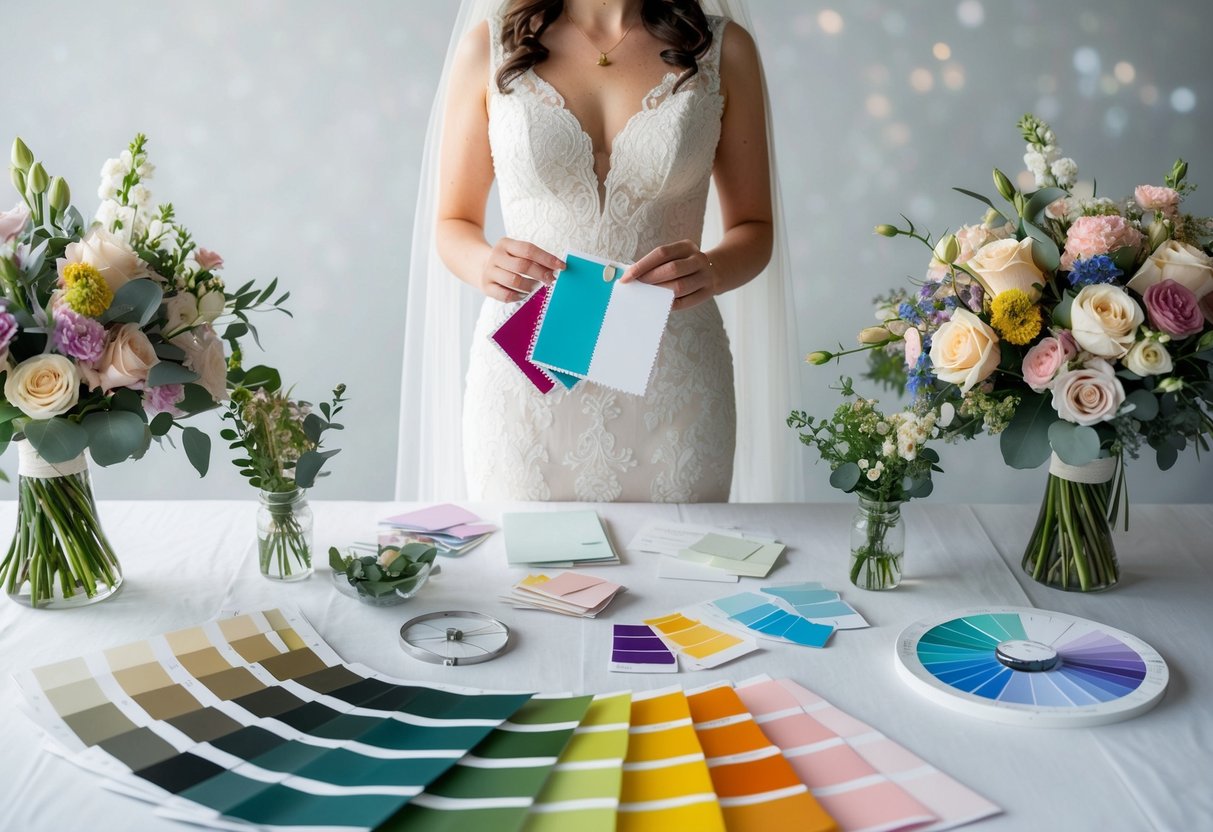
Don’t forget to think about how your colors will show up in various parts of your wedding, from flowers and decor to your wedding party’s outfits.
You can even take inspiration from your favorite colors or trends. Tools like a wedding color palette generator can make this process easier and more interactive.
With the right approach, picking your wedding colors can be an enjoyable journey that adds to the unique flair of your celebration. Embrace the process, and watch how your vision comes to life through your chosen colors!
Discovering Your Personal Style
Finding the right wedding colors begins with understanding your personal style. By looking at your preferences and drawing inspiration from your wardrobe, you can create a palette that truly represents you.
Assessing Your Preferences
Start by thinking about your favorite colors. Do you lean towards warm tones like reds and oranges, or do cooler shades like blues and greens appeal more to you? Make a list of colors that make you feel good when you wear them.
Consider the emotions different colors evoke. For example, blue can feel calming, while yellow might bring joy. Once you identify your favorites, think about how those colors can complement each other.
Next, check out color wheel tools online to see how your preferred shades interact. This can help you form a cohesive palette.
Drawing Inspiration from Your Wardrobe
Your closet is a treasure trove of inspiration. Look at the clothes you wear most often. What colors do you find yourself reaching for repeatedly? Take note of patterns and combinations that catch your eye.
You can also create a mood board using photos of your outfits. Collect images that highlight your favorite styles and colors. This visual representation will help you see your personal style clearly.
If you have clothes you love but don’t wear often, consider incorporating those colors into your wedding. They represent your taste and can add unique touches to your big day.
Understanding Color Theory
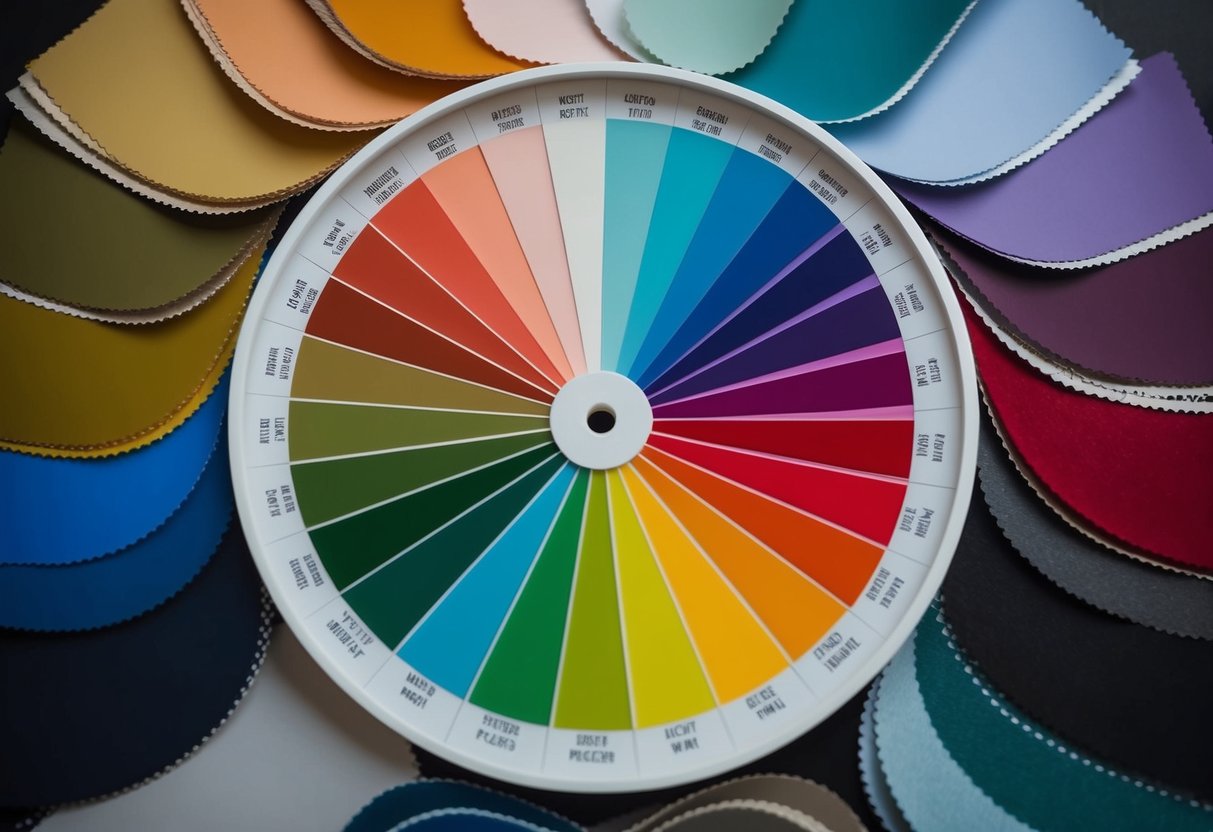
Color theory can help you choose the right colors for your wedding. It provides a framework for understanding how colors work together. By grasping the basics of the color wheel and complementary colors, you can create a beautiful and harmonious color palette.
The Color Wheel Basics
The color wheel is a helpful tool in picking your wedding colors. It consists of primary colors (red, blue, yellow) that mix to create secondary colors (green, orange, purple). From there, you can find tertiary colors, which are mixtures of primary and secondary colors.
You can group colors into families. Each family evokes different feelings. For example, cool colors like blue and green create calmness, while warm colors like red and yellow offer energy. Use this knowledge to select colors that reflect your personality and wedding vibe.
Choosing Complementary Colors
Complementary colors are opposite each other on the color wheel. Using them creates a striking and balanced look. For instance, blue pairs well with orange, and purple complements yellow. This contrast helps your main colors stand out while attracting interest.
To choose complementary colors, consider your primary color. Then, look directly across the wheel to find its pair. You can also explore variations within the same family for a unified appearance. For example, combine light blue with dark orange for depth.
Considering Venue and Season
Your wedding venue and the season of your wedding play a big role in choosing the right colors. They help set the mood and style, making your day truly special. Let’s explore how these factors influence your color choices.
Harmony with the Venue
When choosing your colors, think about your wedding venue. Does it have a modern, rustic, or elegant feel? The colors should blend well with the existing decor.
For a rustic barn wedding, consider warm hues like burgundy, mustard, or earthy greens. If you’re in a modern hotel, cooler shades like navy and blush might resonate better.
Tips for Harmony:
- Look for colors in the venue’s decor.
- Take inspiration from the natural surroundings.
- Ensure the colors match your personal style.
Seasonal Color Trends
The time of year can greatly affect your color palette. Different seasons bring different vibes and colors.
Spring Wedding Colors: Soft pastels like lavender, peach, and mint create a light, fresh atmosphere.
Summer Wedding Colors: Bright and vibrant shades like coral, teal, and sunflower yellow pop in the warm weather.
Fall Wedding Colors: Earthy tones, including rust, deep red, and gold, capture the season’s warmth.
Winter Wedding Colors: Cool colors like icy blue, silver, and rich jewel tones create a cozy yet elegant feel.
Consider these seasonal trends to find colors that enhance your celebration.
Crafting Your Color Palette
Creating a wedding color palette is an exciting part of your planning. It helps unify your theme and style, making your big day feel cohesive. Start with a base color, then add accent colors to create depth, and finally visualize these in your decor choices.
Starting with a Base Color
Choose a base color that reflects your personality and sets the tone for your wedding. This color will be the foundation for everything else you choose. You might consider options like soft pastels for a romantic vibe or bold dark jewel tones for an elegant look.
Once you have this base, think about how it connects with your wedding venue. If your venue has specific colors or themes, choose a base color that complements these features. This will create a more harmonious atmosphere throughout your wedding.
Adding Accent Colors
After selecting your base color, it’s time to add accent colors. Accent colors bring contrast and visual interest to your palette, helping to highlight your main color.
Choose one or two accent colors that pair well with your base. Consider using neutral colors like whites, creams, or grays as your accent shades. These can soften your palette and make it more versatile.
Alternatively, brighter or darker shades can make your base color pop. Think about how these colors will appear in items like your bridal bouquet, floral arrangements, and table settings.
Visualizing Your Palette in Decor
Now that you have your base and accent colors, you can visualize how they will appear in your wedding decor. Picture the ceremony space with flowers that reflect your color scheme. You can include centerpieces or pew ends that tie into your overall look.
Use swatches or digital tools to create mock-ups of your color scheme in different elements. Imagine your reception tables adorned with linens featuring your chosen colors. This practice will help ensure a cohesive look throughout your wedding day.
By carefully considering how your colors will work across all aspects of your celebration, you can create a stunning and memorable event.