
How Do I List People on a Wedding Seating Chart? Tips for a Stress-Free Arrangement
Creating a wedding seating chart can feel overwhelming, but it doesn’t have to be. You can list people on a wedding seating chart by grouping them by relationships and considering the venue layout. This simple method helps everyone find their place easily and allows guests to enjoy their time together.
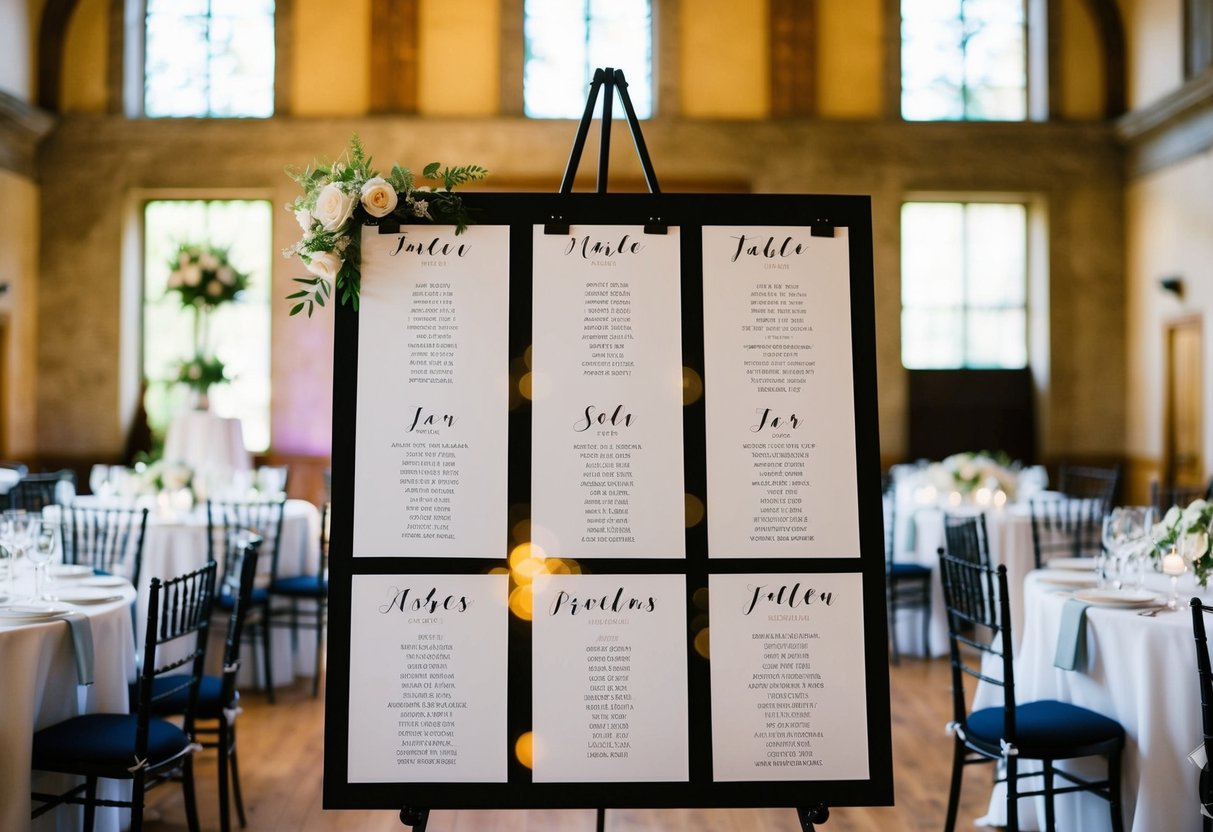
Start by making a guest list and think about who knows whom. Place family and close friends at the same table to encourage conversation. If you have a large guest list, you can also use a digital seating chart, which can be accessed by everyone before the big day.
As you plan, remember to include your seating chart with your reception sign set and share the information on your wedding invitations. This will help your guests know what to expect. By taking these steps, you’ll create a warm and inviting atmosphere for your celebration.
Designing Your Wedding Seating Chart
Creating your wedding seating chart is a fun way to manage how your guests will enjoy your special day. You’ll want to consider the right format, choose a suitable template, and think about how the chart can enhance your reception décor.
Choosing the Right Format
When deciding how to present your seating chart, you can go for a digital seating chart or a physical seating chart. A digital chart is often more flexible. Guests can view it online or via an app. This allows for easy updates if last-minute changes occur.
A physical chart can be displayed at the entrance of your reception. It can be as simple as a poster or as elaborate as a decorative board. Choose a format based on your venue and personal style.
Selecting a Seating Chart Template
Finding the right seating chart template can simplify the entire process. You can explore options online, often available for customization. Look for a design that matches your wedding theme—whether it’s rustic, modern, or elegant.
Popular design options include tables organized by groups or alphabetical lists. Many websites offer easy-to-use templates that you can personalize. This helps ensure your chart not only serves its purpose but also looks great at your event.
Incorporating Reception Décor
Think about how your seating chart fits into your overall reception décor. The chart should complement the color scheme and theme of your wedding. You might use frames, flowers, or even fairy lights to enhance its appearance.
Using creative displays can capture attention and make a memorable impact. For instance, place the chart in a vintage frame or integrate it into a floral arrangement. This way, it becomes a decorative piece, rather than just a functional item.
Organizing Guest Seating
Creating a thoughtful seating arrangement can enhance your wedding’s atmosphere. Consider the special needs of your guests and how best to include everyone for a joyful celebration.
The Head Table and Sweetheart Table
The head table typically features the bridal party and closest family members. It often sits in a prominent spot, allowing everyone to see you during the reception. You might choose a long table to fit everyone comfortably or a round table for a more intimate feel.
A sweetheart table is just for you and your partner. It offers a cozy space to share special moments during the event. You can place it slightly apart from the main seating area, but ensure it’s still visible. This arrangement allows everyone to focus on you while you enjoy your meal together.
Arranging Family and Bridal Party Tables
When organizing family and bridal party tables, think about relationships and dynamics. Place families together, such as immediate family at one table. For the bridal party, you can create a separate table close to the head table.
A good strategy is to avoid mixing families that may have tensions. If possible, consult with your families to understand any preferences or concerns about seating.
Consider using table numbers with names. This way, guests can easily find their seats. A clear setup will help everyone feel comfortable and included.
Placement of Elderly Guests and Kids’ Table
Elderly guests might need special consideration. Place their table nearer to the venue’s entrance and restrooms for easy access. Ensure their seats are comfortable, allowing them to engage with others without too much effort.
For children, creating a kids’ table can be a brilliant idea. This area can be lively and fun, complete with activities or special decor. Position it in a spot where parents can easily see their kids while enjoying the reception.
If possible, provide kid-friendly meals. It can streamline service and help keep the kids entertained during speeches or other events.
Assigned Seating vs. Open Seating
Assigned seating helps guide guests to their specific tables. This arrangement reduces confusion and ensures friends and family are together. To create an assigned seating chart, use a list of guests with their corresponding table numbers.
Open seating allows guests to choose their seats. This option can create a relaxed atmosphere and foster mingling. However, it may lead to seating conflicts or guests feeling left out.
Decide what suits your wedding style best. If you have many guests, assigned seating might be a better choice for structure. For smaller gatherings, open seating could work just as well, offering flexibility and ease.
Details and Etiquette for Seating Guests
Seating guests can feel tricky, but focusing on certain details makes it easier. Start by finalizing your guest list and then move on to creating place cards and escort cards. Addressing any special seating requests will help ensure everyone feels comfortable at your event.
Finalizing the Guest List
Before you create a seating chart, ensure your guest list is solid. This means you need to track RSVPs closely. Keep a running list of who has confirmed their attendance. Make sure to note any plus-ones, as they can affect table sizes.
Consider grouping people who know each other. Friends or family members who share interests typically enjoy sitting together. To make it easier, you could use a spreadsheet or a simple list to match guests with tables.
Creating Place Cards and Escort Cards
Place cards and escort cards are great tools for seating your guests. Place cards show each guest their specific seat at the table. Escort cards, however, guide guests to the table they’ll be sitting at without assigning them a specific spot.
When creating these cards, keep names clear and legible. You can decorate them to match your wedding theme, but ensure the style remains simple. It can also be helpful to number the tables. This way, guests can easily find their designated area.
Addressing Special Seating Requests
Listen to any special seating requests from your guests. Some may have dietary needs or prefer not to sit near certain individuals. Handling these requests shows you care about your guests’ comfort.
When mapping out your seating chart, be mindful of these requests. Include any notable relationships, such as family dynamics or friendships that matter. Keeping guests happy is a key part of ensuring a successful wedding atmosphere.
Practical Aspects of Wedding Reception Seating
When planning the seating for your wedding reception, consider the layout, the number of guests, and table shapes. Getting these elements right will help create a comfortable environment for everyone.
Determining Table Shapes and Layout
Choosing the right table shape is important for your seating arrangement. Common options include round, rectangular, and square tables. Each shape can influence the flow of conversation and how guests interact.
Round tables promote inclusiveness and are great for small groups. Rectangular tables work well for larger parties and can help in maximizing space. Consider how many guests you expect at each table to ensure everyone sits comfortably.
You can also use tables of various shapes combined in your layout. This diversity can add visual interest to your reception space.
Considering the Venue Layout and Guest Count
Understanding your venue layout is key to a successful seating plan. Measure the space and consider where tables will fit best. Look at entrances, exits, and any features like a dance floor or stage.
Your guest count will directly impact how many tables and seats you’ll need. Be mindful of the number of people at each table, making sure they’re not too crowded. Aim for groups of eight to ten around each table for comfort.
Checking with your venue staff can provide insights into seating arrangements that work best in their space.
Sorting Guest Names and Table Numbers
Sorting guest names is all about clarity for your seating chart. Using alphabetical order can make it easier for guests to find their names quickly.
List table numbers clearly to avoid confusion.
When you assign guests to tables, think about their relationships. Place family members together and consider friendships to enhance enjoyment.
Avoid seating anyone next to someone they might not get along with.
Having a digital or printed seating plan can help guests locate their spots easily. Consider using a sign at the entrance to guide everyone.