
How Do I Organize Myself for a Wedding? Tips for a Stress-Free Celebration
Planning a wedding can feel overwhelming with so many tasks to tackle. To organize yourself effectively, start by creating a detailed checklist that breaks down each step of the process. This way, you can manage your time and ensure nothing gets overlooked.
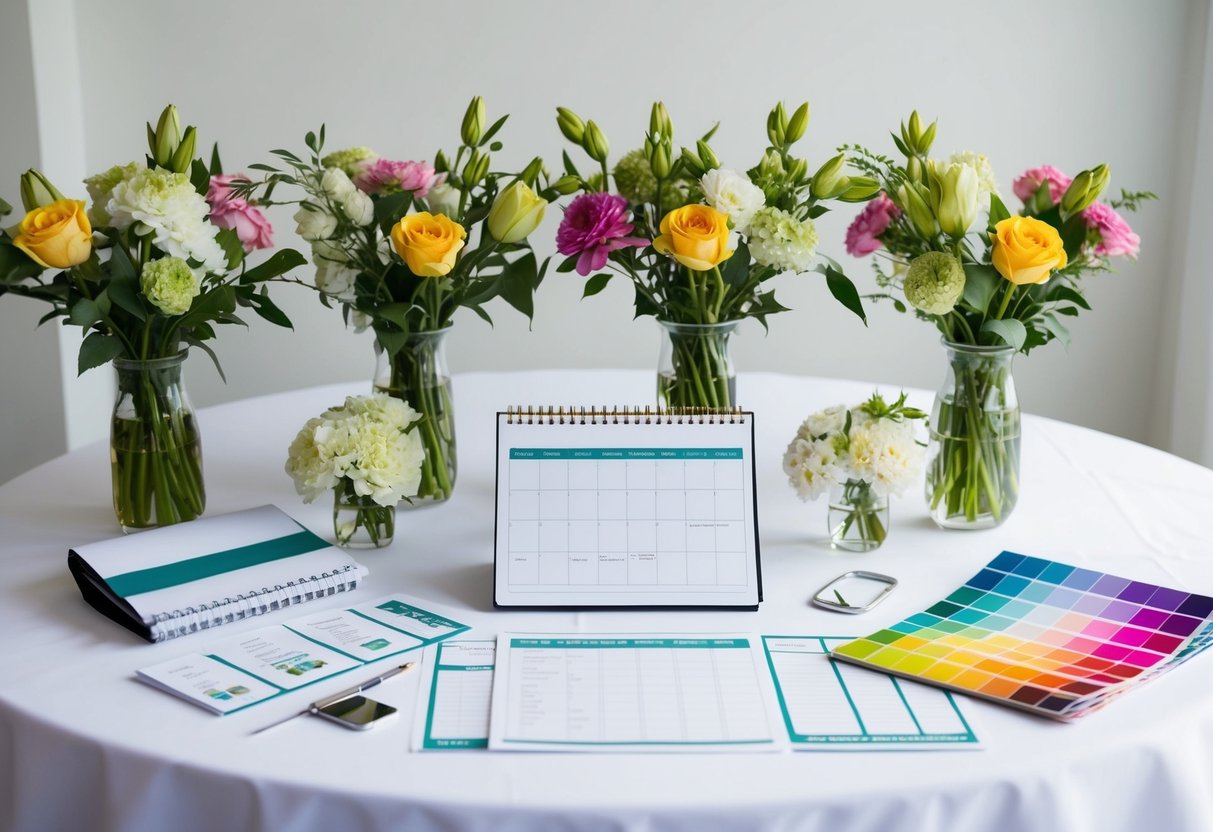
Incorporating tools like a wedding planning app can help you stay on track and keep important information at your fingertips. By designating specific times during the week to focus on planning, you can take control of your wedding preparation without feeling rushed or stressed.
Remember that it’s okay to ask for help, whether from friends, family, or even a wedding planner. Being organized not only reduces stress but also allows you to enjoy the exciting moments leading up to your big day!
Setting Your Wedding Vision and Budget
Creating a clear wedding vision and budget is essential for organizing your special day. Understanding your style helps you narrow down options, while a solid budget keeps things on track. Let’s break it down into manageable parts.
Determining Your Wedding Style
Begin by thinking about the theme and atmosphere you want for your wedding. Do you prefer a formal event or a relaxed, casual gathering? Consider colors, decorations, and overall vibes you enjoy.
Look for wedding inspiration in magazines, online galleries, or social media platforms like Pinterest. Create a mood board with images that resonate with you. This board will help you define your wedding vision. Share it with your partner to make sure you both have similar priorities. Discussing your desires can ensure you are both on the same page.
Creating a Wedding Budget
Setting a budget is one of the first steps in your wedding planning checklist. Start by figuring out how much you can spend. Break down the budget into categories like venue, food, attire, and decor.
Make a table listing each category and estimated costs. For instance:
| Category | Estimated Cost |
|---|---|
| Venue | $5,000 |
| Reception Food | $3,000 |
| Attire | $2,000 |
| Decorations | $1,500 |
Always include a buffer for unexpected costs. Remember, each guest increases expenses, so keep track of your guest list early on.
Selecting Wedding Dates and Venues
Choosing the right wedding date helps with venue selection. Popular dates can get booked quickly, so aim for flexibility. Consider off-peak seasons for potential savings.
Research venues that match your style and budget. Think about location, capacity, and facilities that fit your needs. Visit each venue and imagine how it suits your wedding reception plans.
Don’t forget to ask about available dates during your visits. This information will help you narrow down options further. Your dream venue combined with the right date can set the perfect stage for your wedding day.
Organizing the Guest Experience
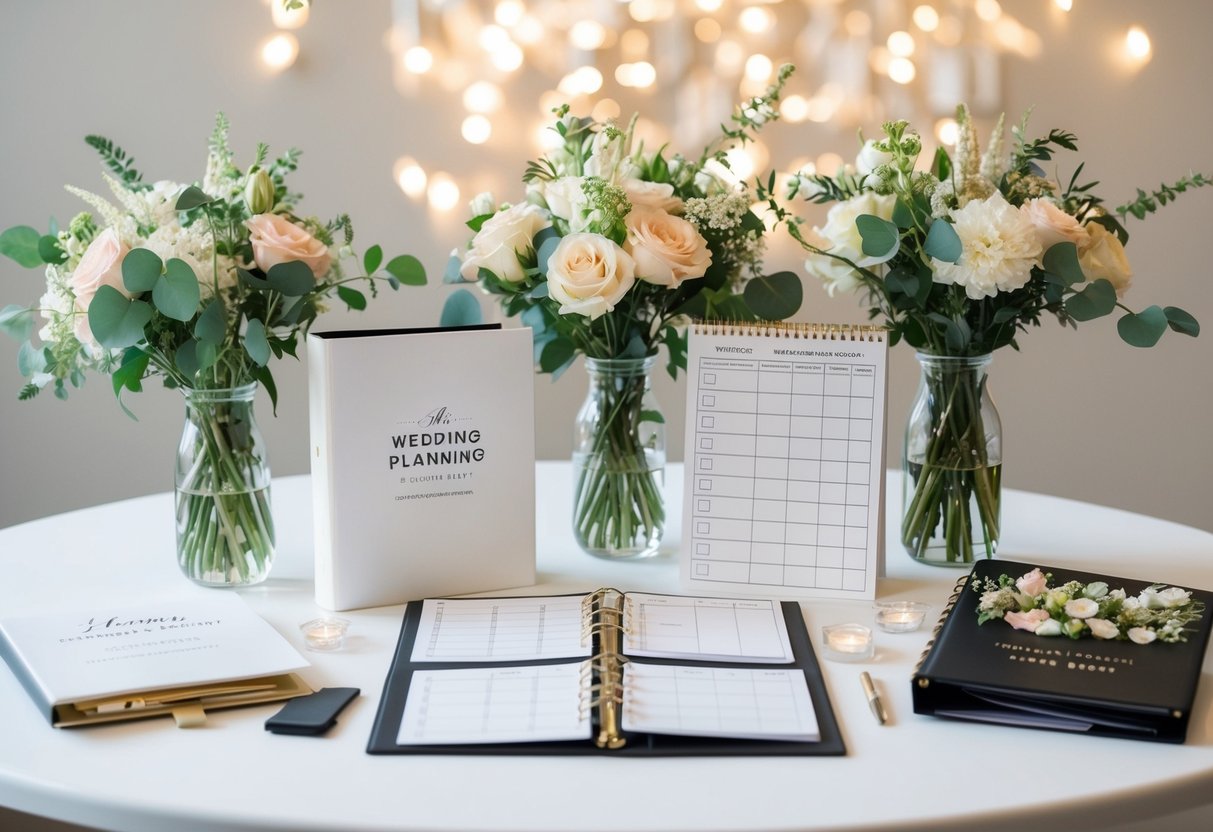
Creating a great guest experience starts with careful planning. You’ll want to manage your guest list, coordinate venues, and arrange transportation. Each of these elements plays a crucial role in making your wedding day memorable for everyone involved.
Managing the Guest List and Invitations
Start with your guest list. Write down everyone you want to invite. Consider friends, family, and others who are important to you. Keeping track of RSVPs is essential, so make a section in your wedding planning binder for responses.
Using a digital tool or a wedding website is handy for collecting RSVPs. Ensure you send out wedding invitations well in advance. Personalize them to reflect your wedding theme. Including details about the events, such as the engagement party, adds a nice touch.
Planning the Ceremony and Reception Venues
Choosing the right venues affects your guests’ overall experience. Research various ceremony and reception venues that match your style and budget. Schedule visits to see them in person and evaluate their capacity and amenities.
Once chosen, share the details with your guests. This includes directions, parking info, and any special instructions. Create a wedding day timeline and distribute it to your wedding party to keep everyone informed and organized during the events.
Coordinating Transportation and Accommodations
Think about your guests’ transportation and lodging. Especially for those coming from out of town, consider booking a block of hotel rooms at a nearby location. Make sure to share this info on your wedding website.
If your ceremony and reception venues are at different locations, provide transportation options. This could include shuttles or ride-sharing services to make things easier for everyone.
Keeping your guests informed about travel and accommodations ensures they feel welcomed and cared for during your special day.
Detailing the Big Day

Planning the details of your wedding day is essential to ensure everything runs smoothly. By focusing on your wedding party, attire, vendor selections, and finalizing the schedule, you can reduce stress and enhance enjoyment on your special day.
Choosing Your Wedding Party and Attire
Start by selecting your wedding party. Choose friends and family who are supportive and excited for you. Consider the roles they’ll play, such as bridesmaids, groomsmen, and flower girls.
Next, focus on wedding attire. Your wedding dress is a huge decision, so take your time. Schedule fittings and make sure it’s comfortable for you. Don’t forget the groom’s attire, which should complement yours.
Additionally, plan hair and makeup for yourself and your bridal party. Book professionals early to avoid last-minute stress. Create a look that reflects your style, making you feel beautiful and confident.
Selecting Vendors and Coordinators
Finding the right vendors is key to bringing your vision to life. Start with a list of essential vendors: catering, photography, entertainment, and florists. Research their portfolios and read reviews.
Meet with potential wedding planners or coordinators to discuss ideas. A good coordinator can help manage the finer details and make your day seamless. If you’re going for a day-of coordinator, ensure they understand your plan.
Don’t forget wedding stationery! This includes invitations, programs, and signage. Choose a design that matches your theme and set deadlines for sending out invites.
Finalizing Your Wedding Day Schedule
Creating a wedding day schedule helps everyone know their roles and timing. Start with a timeline of when specific events will occur, like the ceremony, cocktail hour, and reception.
Make sure to include buffer times for hair and makeup, transportation, and vendor arrivals. Communicate this schedule with your wedding party and vendors.
Distribute the final schedule ahead of time. This way, everyone knows where to be and when. Your day will feel more relaxed when everyone is on the same page.
Capturing and Celebrating Your Wedding
Your wedding day is a momentous occasion that deserves to be well-documented and celebrated. From hiring the right photographers to planning delicious catering, each detail can enhance your experience and create lasting memories.
Hiring Photographers and Entertainment
Choosing the right wedding photographer is crucial. Look for someone whose style matches your vision, whether it’s traditional, candid, or artistic. Schedule meetings to discuss your preferences and ask to see full galleries of past work.
Consider booking entertainment to keep your guests engaged. This can be a live band, a DJ, or even a fun photo booth. Ensure their style fits your wedding theme. It’s also helpful to read reviews and seek recommendations to find the perfect fit for your big day.
Organizing Catering and the Wedding Cake
Deciding on catering involves selecting a menu that reflects your taste. Consider options that cater to various dietary restrictions, ensuring all guests enjoy the meal. A tasting session can help you finalize the menu and price according to your budget.
When it comes to the wedding cake, choose a baker who specializes in custom creations. Discuss flavors and designs that align with your theme. Don’t forget to order enough for guests and consider an extra tier for the wedding reception. Planning this early will help avoid last-minute stress.
Enjoying the Honeymoon and After-Party
After the wedding festivities, it’s time to relax during your honeymoon.
Research destinations that fit your budget and interests. Whether it’s a beach getaway or a city tour, booking in advance can save you money and ensure a sought-after spot.
An after-party is a great way to extend the celebration.
Invite close friends and family for an informal gathering. It could be at your home, a local bar, or even a rented venue.
Don’t forget to send thank you cards for gifts received, as it’s a thoughtful way to show appreciation for being part of your special day.