
How Do I Size Myself for a Wedding Dress? A Simple Guide to Finding Your Perfect Fit
Choosing the right size for your wedding dress is essential to feeling your best on your special day. To size yourself properly, use a soft measuring tape and take measurements of your bust, waist, and hips. Make sure to wear the undergarments you plan to use. This will help you find the fit that makes you feel confident and beautiful.
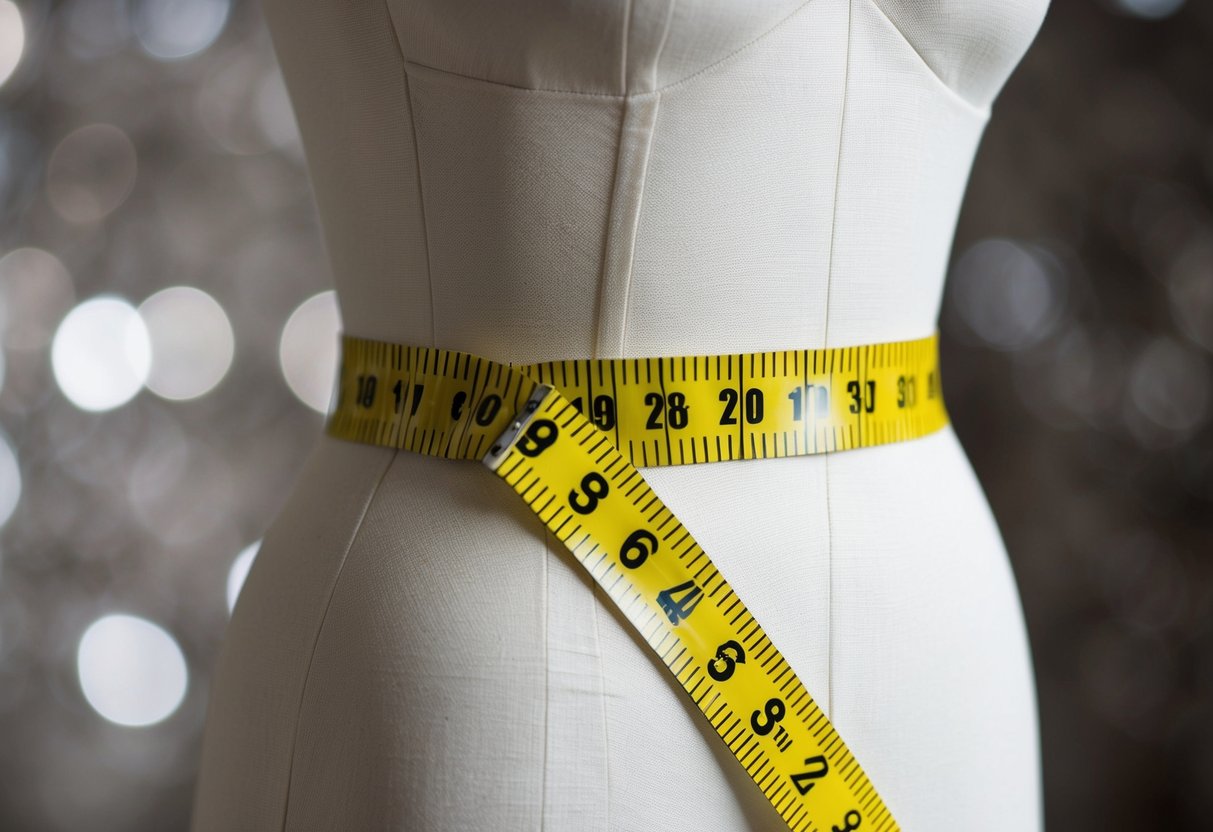
It’s easy to get overwhelmed while searching for your dream wedding dress. Keep in mind that sizes can vary between designers, so always refer to the specific sizing chart from the brand you’re considering. Taking accurate measurements can save you from costly tailoring and ensure that you find a dress that flatters your figure perfectly.
As you prepare for your wedding day, remember that these measurements are just the first step in your journey. Getting the right fit is key to enjoying every moment in your dress, so take your time and feel inspired by the stunning options available to you.
Understanding Wedding Dress Sizing
Sizing for wedding dresses can be tricky because it often differs from regular clothing. Knowing the differences and how to measure yourself can make the process smoother and less stressful.
The Difference Between Bridal and Regular Dress Sizes
Bridal sizes are usually smaller than regular dress sizes. For example, a bridal size 8 may fit like a regular size 4 or 6. This sizing difference is because bridal gowns are designed to fit snugly and may have less room for alteration.
Always check specific size charts from designers, as sizes can vary between brands. When trying on dresses, keep in mind that bridal sizes can run smaller. It’s a good idea to measure yourself accurately and choose a size based on your largest measurement.
European Sizing and International Size Charts
European sizing follows a different system than U.S. sizes. Sizes in Europe can be indicated as 34, 36, or 38, which typically correspond to U.S. sizes like 4, 6, or 8. This difference can cause confusion for brides shopping internationally.
Be sure to consult European size charts to get the correct size. Not all brands follow the same sizing rules, so always look for specific information related to the designer you are considering. Knowing these details helps you find a dress that fits well.
Bridal Sizing for Plus-Size Brides
Plus-size bridal sizing can also differ from standard sizes. Many designers offer specific collections for plus-size brides, ensuring styles are flattering and comfortable. Sizes may range from 14 and up, and various size charts exist for plus-size options.
When shopping, remember that alteration options can expand your choices. Some designers have dedicated plus-size size charts, so reviewing wedding dress size charts is essential. If you’re unsure about your size, reach out to boutiques; they can help you find the best fit for your unique shape.
Preparing for Accurate Measurements
Getting the right size for your wedding dress starts with a few important steps. By focusing on the right undergarments and selecting a suitable measuring tape, you set yourself up for success in obtaining accurate measurements.
Choosing the Right Undergarments
When it comes to measuring yourself, your undergarments play a crucial role in achieving accuracy. Wear a well-fitted bra that supports your bust without adding extra padding. This ensures that your bust measurement is true to your body shape. If you plan to wear shapewear on your wedding day, it’s a good idea to use it during measurements too. This way, you get a more realistic idea of how the dress will fit you.
Avoid bulky clothing, as it can distort your body measurements. Instead, opt for a fitted tank top or a similar garment. The goal is to have your body’s natural shape reflected in the measurements you take. Even small adjustments in fit can lead to large differences in how a dress feels and looks.
Selecting a Suitable Measuring Tape
Using the right measuring tape is essential for accurate measurements. Choose a flexible cloth or plastic measuring tape, which allows you to easily wrap it around your body. This type of tape is preferred to avoid the stiffness of a rigid tape that might give inaccurate readings.
When measuring, ensure the tape is snug but not tight. It should lie flat against your skin without digging in. Double-check each measurement at least twice to confirm accuracy. Keeping the tape horizontal and parallel to the ground is important as well. This helps maintain evenness, especially for waist and bust measurements.
Taking a buddy along can also make the process smoother. They can help hold the tape steady and provide a fresh pair of eyes to check on the measurements.
Taking Your Body Measurements
Getting the right measurements is crucial when sizing yourself for a wedding dress. It helps ensure that the dress fits you perfectly on your special day. Here’s how to do it the right way.
Measuring Your Bust, Waist, and Hips
To start, use a soft measuring tape for accurate results.
-
Bust Measurement: Stand straight, wearing a well-fitted bra. Wrap the tape around the fullest part of your bust. Make sure it’s snug but not too tight. Note this measurement down.
-
Waist Measurement: Measure the slimmest part of your waist, just above your belly button. Keep the tape comfortably snug to ensure the best fit.
-
Hip Measurement: Wrap the measuring tape around the fullest part of your hips. This includes your backside.
Make sure to write down all your measurements. Accurate numbers will guide you in selecting the right size for your dress.
Understanding Hip Measurements and Body Type
Knowing your hip measurements is key to understanding your body type. Everyone’s shape is different, so your dress size may vary based on this.
-
If your hips are wider than your bust, you might have a pear shape. Look for styles that accentuate your waist and flow over the hips.
-
If your bust is wider than your hips, you may be an apple shape. A dress that highlights your waist can provide a beautiful balance.
-
If your measurements are close, you might have a straight or athletic body type. Go for dresses that add curves and definition.
Understanding your body type will help you choose a dress that complements your figures, such as fitted styles or those with embellishments that draw attention where you want it.
Finding the Perfect Fit and Style
Getting the right fit for your wedding dress is important for your comfort and confidence. Working with the right people and understanding what to expect can make all the difference in your dress shopping experience.
Working with a Bridal Stylist
When you book a bridal appointment, a bridal stylist will guide you through the process. They know how to help you find a dress that flatters your unique shape and style. Be open about your preferences and any concerns you have.
Bridal stylists often recommend starting with a size chart to determine your size. Keep in mind that dresses can vary by designer. Many stores offer sample sizes, so try on different styles to see how they fit. A skilled stylist will help you find the best options for your special day.
The Role of Alterations and Seamstresses
Once you choose a dress, you will likely need alterations for the perfect fit. A skilled seamstress or tailor can adjust your dress to accentuate your figure. This might mean tightening the waist or adjusting the hemline.
During your fitting, communicate with the seamstress about what you want. Bring the right undergarments, so you can see how the dress looks with those items. Alterations are crucial to achieving a flattering fit, so don’t hesitate to ask questions about the process or timing. Your bridal attendant may also help you coordinate these details for a smooth experience.