
How Do I Tell My Husband I Lost My Wedding Ring? Tips for a Heartfelt Conversation
Losing your wedding ring can feel devastating and stressful. It often carries a lot of sentimental value as a symbol of love and commitment. When you need to tell your husband about the lost wedding ring, honesty is key. It’s important to express how you feel and reassure him that your commitment remains strong, even if the ring is gone.
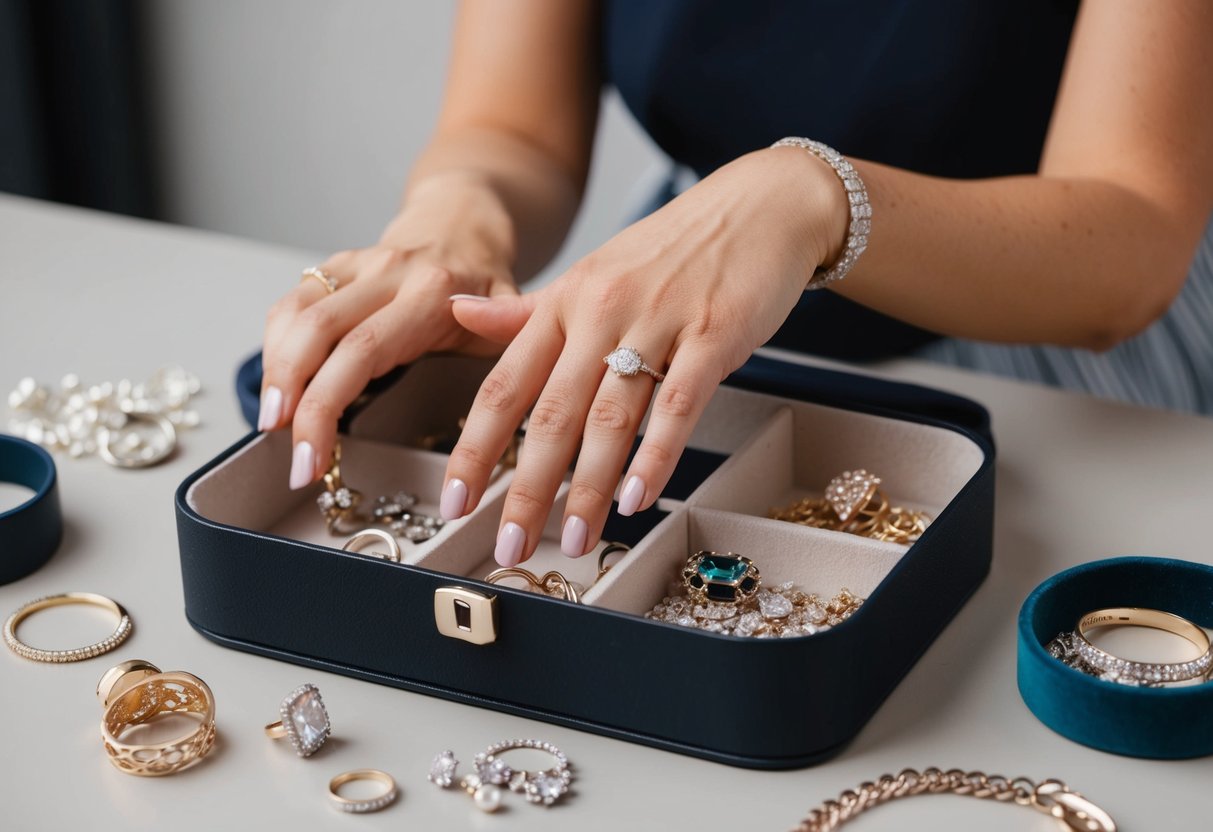
Start by sharing your emotions openly. Let him know how much the ring means to you and how upset you are about losing it. This can help reduce any feelings of shame or fear you might have.
Remember, it’s okay to feel emotional distress over such a significant loss.
Opening up about the situation not only shows your vulnerability but also strengthens your bond. Your husband will likely appreciate your honesty and support you in figuring out the next steps together.
Preparation Before the Conversation
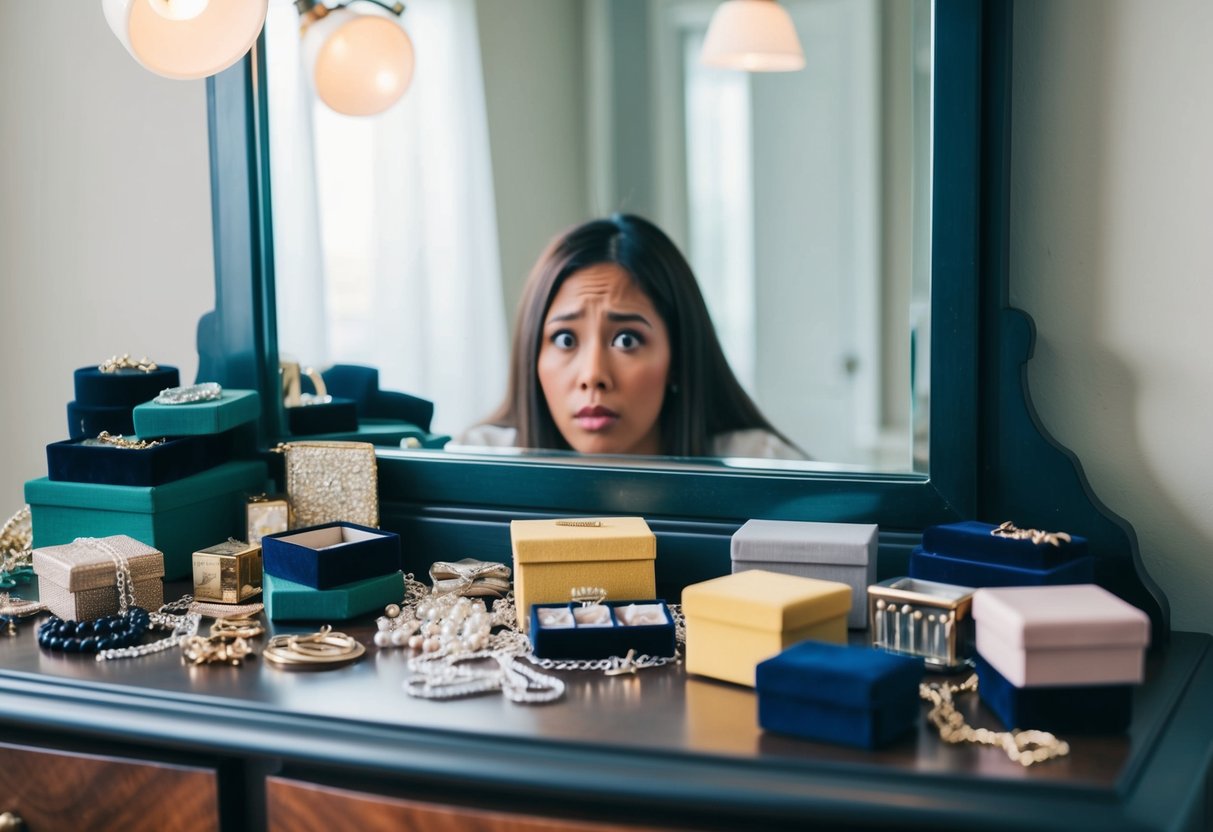
Before you talk to your husband about losing your wedding ring, it’s important to prepare yourself emotionally and choose the right moment for this conversation. Taking a little time to gather your thoughts can help ensure a more productive discussion.
Assessing Your Emotions
Start by recognizing how you feel about losing your wedding ring. It’s normal to experience emotional distress, guilt, or anxiety. Acknowledge these feelings so you can express them honestly with your husband.
Your wedding ring symbolizes loyalty and commitment. Losing it might make you worry about how he’ll react. Understanding your emotions will help you communicate better and reassure him of your dedication.
Think about mentioning your feelings when you talk, as this can deepen your connection and show that you value your relationship.
Choosing the Right Moment
Timing can make a big difference in how your conversation goes. Look for a quiet moment when both of you are relaxed and free from distractions.
Try to avoid important events or stressful times when your husband might not be able to focus. You could choose a cozy evening at home or after a nice dinner. When he’s in a good mood, he’ll be more receptive to hearing about your situation.
Additionally, be clear about what you want to say. You might want to explain how it happened and your plan for dealing with it. Being open and honest will help reinforce the trust and commitment in your relationship.
Communicating the Loss

When you realize your wedding ring is lost, sharing this news with your husband can feel daunting. It’s important to approach the conversation with honesty, mindfulness of feelings, and a reaffirmation of your commitment. Here are some key points to consider.
Being Honest and Direct
Start by being open about losing your wedding ring. Choose a calm moment to talk, avoiding distractions. Say something like, “I need to share something important with you.” Clearly explain how the ring was lost, and avoid sugarcoating the situation. Honesty helps build trust.
Acknowledge the sentimental value of the ring. It represents your loyalty and commitment to each other. Remind your husband that while the ring is significant, your relationship is about more than just the jewelry. Reinforcing your genuine feelings can help ease any immediate tension.
Expressing the Emotional Impact
Express how losing the ring makes you feel. Use “I” statements to convey your emotions, like “I feel sad” or “I feel worried.” This shows vulnerability, helping your husband understand the weight of the situation. Sharing your feelings fosters empathy and connection.
Reflect on the memories attached to the ring. Talk about the moments it represents in your relationship. Open up about any guilt or worry you might be experiencing. This honesty can create a supportive dialogue, allowing both of you to share your feelings and reassure each other.
Reaffirming Your Commitment
After discussing the loss, reassure your husband of your commitment to him. Remind him that your bond goes beyond the lost ring. Say something like, “Our love is what truly matters to me, not just this ring.” This can help him feel secure in your relationship.
Discuss options for moving forward together, like shopping for a new ring. This teamwork can also serve as a way to deepen your connection. Whether it’s a replacement or a new style, focusing on the future together can shift the tone of the conversation positively.
Practical Steps After the Loss
Losing your wedding ring can be stressful, but taking the right steps can help in recovering or replacing it. Start by retracing your steps and exploring your options for insurance if you can’t find it.
Retracing Your Steps
Begin by thinking about where you last had your ring. Did you take it off while washing your hands or cooking? Consider places like the bathroom, kitchen, or your jewelry box.
Make a list of the locations you visited since you last saw your ring. Check in those areas carefully. Ask family members or friends for help, as they might remember something you missed.
If you still can’t find it, don’t panic. Sometimes taking a break and returning later can help you think more clearly.
Filing an Insurance Claim
If your search doesn’t turn up your ring, check if you have ring insurance or homeowner’s insurance that covers lost jewelry. Many policies provide coverage for lost items, which can ease the financial burden of replacing your ring.
Contact your insurance company as soon as possible. They can walk you through the claims process, which may include providing documentation such as the original receipt or an appraisal.
Be prepared for an investigation, as your insurer may ask for details about how and when the ring was lost. Knowing your policy details will help ensure a smooth claim process.
Considering a Replacement
If your ring is officially lost and replaced, start thinking about what kind of replacement ring you’d like. You have many options, from choosing a similar design to customizing a new piece that holds special meaning.
Visit a jeweler to explore your choices. They can help you find a replacement that fits your style and budget. If you have ring insurance, check if the policy covers a replacement ring.
Remember, it’s important to choose a replacement that feels right to you. Whether it’s an exact replica or something new, make sure it reflects your love and commitment.
Long-Term Considerations
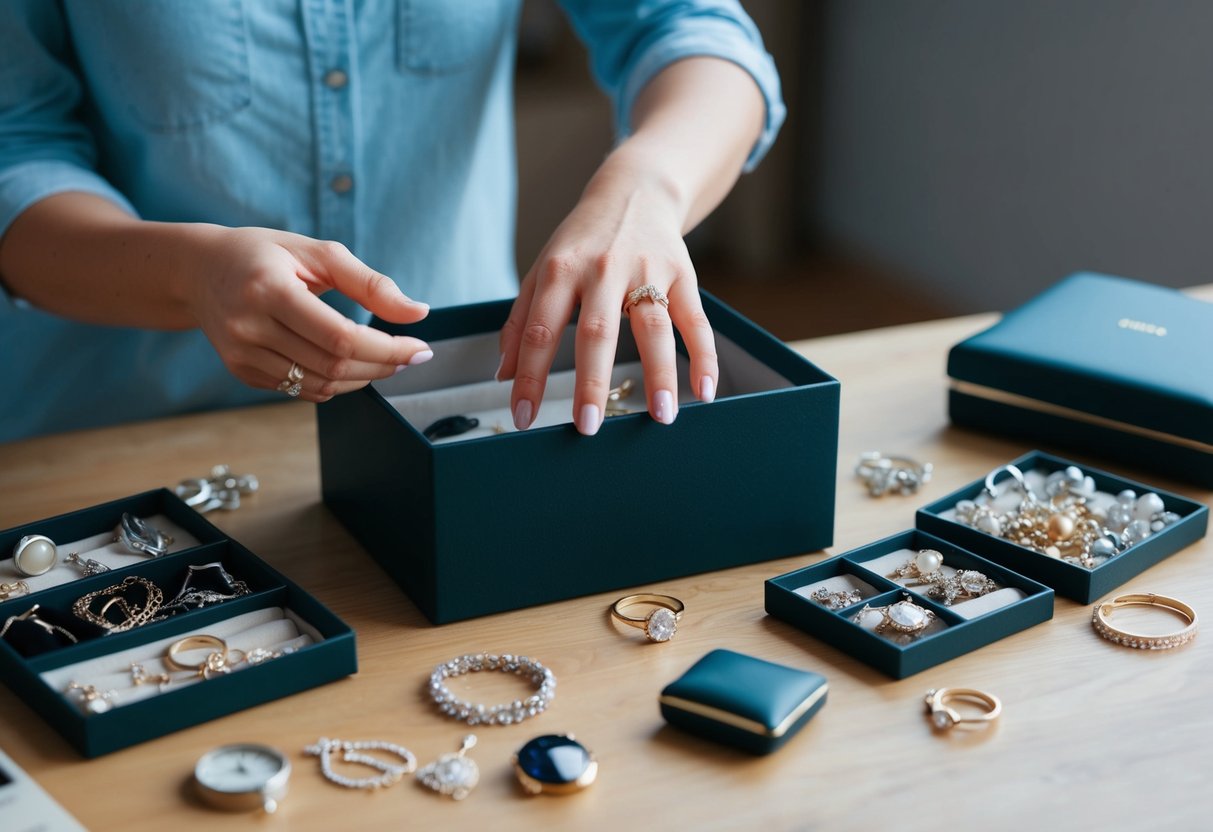
When you lose your wedding ring, it can be an emotional experience. It’s important to think ahead and protect your jewelry in the future. You’ll also want to prepare for what to do if something similar happens again.
Protecting Your Jewelry
To keep your wedding and engagement rings safe, consider a few key steps. First, always store your rings in a secure place when you’re not wearing them. A padded jewelry box or a dedicated section in a drawer can help.
Second, invest in jewelry insurance. This can cover the loss of your rings and other valuable pieces. Be sure to keep a detailed inventory and photographs of your rings for insurance purposes.
Lastly, consider obtaining a temporary ring if you’re worried about losing your original again. These can be less expensive and still allow you to wear something special.
Handling Future Incidents
If you lose another ring, act quickly. If you think it might be somewhere nearby, try searching with a metal detector. These tools can help in locating lost jewelry in your home, garden, or other places.
If you believe your ring is stolen, it’s wise to file a police report. This can help in case you find the ring later or if you need to claim insurance. Make sure to document all details of the loss to provide to authorities.
Being proactive can help ease your mind. Remember, it’s okay to talk to your spouse about these losses. Open communication can strengthen your relationship even during tough times.