
How Do Married Couples Set Up a Budget? Tips for Financial Harmony
Budgeting as a couple can feel overwhelming at first, but it is an essential part of building a strong financial future together. To set up a budget, start with open communication about your income, expenses, and financial goals. This approach ensures that both partners feel heard and included in the money management process.

Creating a financial plan that works for both of you is vital in achieving shared objectives. You can organize your budget into categories such as savings, bills, and fun spending, allowing you both to see where your money is going. This clarity helps you make informed decisions together, paving the way for a healthier financial relationship.
Regularly reviewing your budget and having budget meetings can strengthen your partnership. By discussing your financial situation openly and tweaking your plan as needed, you create a dynamic system that supports your shared dreams and goals. Engaging in this process together not only makes managing money easier but also deepens your connection as a couple.
Understanding Combined Finances

When you marry, your financial situation often changes. Understanding how to manage your combined finances is key to a successful partnership. This includes knowing your total income, spending habits, and deciding on account management.
Assessing Combined Income and Expenses
Start by calculating your total combined income. List all sources, such as salaries, bonuses, or side jobs. This total gives you a clear picture of what you have to work with each month.
Next, consider your combined expenses. Make a list of all regular payments, including rent, utilities, and groceries. Don’t forget personal expenses like entertainment and dining out. Knowing these numbers helps you determine how much you can save or spend.
Joint Account vs. Individual Accounts
Deciding between joint accounts and individual accounts is crucial. Many couples benefit from having a joint account for shared expenses, like rent or groceries. This simplifies bill payments and helps keep track of household spending.
However, maintaining individual accounts can help you manage personal expenses. Having separate funds allows you to spend freely while keeping some financial independence. You could also consider a mix: a joint account for shared costs and individual accounts for personal use.
Importance of Open Communication
Open communication about money is essential in a marriage. Regular discussions about finances help avoid misunderstandings. Schedule a monthly meeting to review your budget, expenses, and spending habits.
Talk openly about any financial stress or goals. This builds trust and ensures both partners feel comfortable discussing money matters. Being transparent about your financial habits makes managing your money easier and keeps you aligned as a couple.
Setting Short and Long-Term Financial Goals

Setting financial goals is a key part of budgeting for married couples. By defining both short-term and long-term goals, you can build a solid financial foundation together. This creates unity and helps you work towards shared dreams.
Aligning Shared Financial Objectives
To align your financial objectives, start by discussing what’s important to both of you. Make a list of your goals and dreams. These can range from travel plans to home purchases or starting a family.
Tips for aligning goals:
- Communicate regularly: Having open discussions about money helps keep both partners on the same page.
- Use SMART criteria: Make your goals Specific, Measurable, Achievable, Relevant, and Time-bound. For example, save $5,000 for a vacation within two years.
Once you identify shared goals, prioritize them based on urgency and importance. This will help you focus your savings efforts effectively.
Planning for Major Expenses and Retirement
When planning for major expenses, think about what you expect to spend in the future, like a home or car. Break these down into short-term goals, like saving a certain amount each month.
For retirement savings, choose a percentage of your income to set aside. You can start with 10-15% of your combined salaries. Research retirement accounts that offer tax advantages, like a 401(k) or IRA, to boost your savings.
Key points:
- Create a timeline: Establish when you want to achieve these savings goals.
- Adjust as needed: Life circumstances change, so it’s important to revisit and adjust your plans regularly.
Creating and Managing a Budget Together
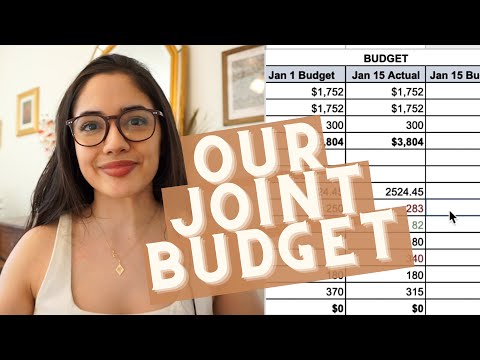
Creating and managing a budget as a couple involves clear communication and teamwork. It’s important to choose a budgeting method that fits both of your financial goals while setting regular meetings to track your progress.
Budgeting Methods for Couples
When creating a household budget, selecting a suitable budgeting method is key. You might consider the 50/30/20 rule, where you allocate 50% for needs, 30% for wants, and 20% for savings. This approach helps maintain balance in your finances.
Another option is zero-based budgeting, where every dollar is assigned a specific purpose. Start from zero at the beginning of each month, making your income equal your expenses.
Some couples prefer the envelope method. You divide cash into envelopes based on spending categories. When the money in an envelope is gone, you stop spending in that category. Choose a method that feels comfortable and truthful for both of you.
Budget Meetings: Tracking and Adapting
Regular budget meetings are essential for successful budgeting. Set a specific time each month to review your finances together. This ensures you stay on top of your budget and can adjust when necessary.
During these meetings, track your spending by comparing actual expenses to your budget. Discuss any unexpected costs or changes in your financial situation. It’s also a great time to celebrate your successes, whether it’s hitting savings goals or sticking to your budget.
Adapt your budget as needed, keeping it flexible to reflect your changing needs and goals.
Utilizing Budgeting Tools and Apps
Budgeting apps can simplify managing your finances. Many apps allow you to track spending in real time.
Look for apps that help you categorize your spending easily. This can reveal areas where you might overspend or save more.
Popular apps include Mint, You Need a Budget (YNAB), and EveryDollar. These tools often feature budgeting templates and reminders, making it easier to stay accountable. Plus, sharing access to an app allows both partners to engage in the budgeting process. Find a tool that suits both your styles and helps you keep your budget on track.
Balancing Separate and Shared Expenses

When budgeting as a married couple, it’s essential to find a balance between individual and joint needs. You’ll need to figure out how to allocate funds for both shared expenses and personal expenses, while also addressing any debts and building an emergency fund.
Allocating Funds for Individual and Joint Needs
Start by identifying your shared expenses. These include rent or mortgage, utilities, groceries, and household needs. Next, decide how to split these costs. Common methods involve a 50/50 split or allocating funds based on income.
Don’t forget about your individual needs and discretionary spending. Each partner should have some personal spending money. This allows for individual pursuits like hobbies or entertainment, which can help maintain a sense of independence.
Consider keeping a shared account for joint expenses and separate accounts for personal spending. This setup helps track shared costs easily while giving you both control over personal budgets.
Addressing Debt and Emergency Funds
Debt can be a significant burden in any relationship. Be sure to include debt payments in your budget. Discuss how to tackle existing debts together. You might consider paying down high-interest debts first or splitting payments based on income.
In addition to debt, prioritize building an emergency fund. Aim to save at least three to six months’ worth of living expenses. This fund can help cover unexpected costs, such as medical bills or car repairs, without jeopardizing your finances.
Set specific savings goals together, like monthly contributions to this fund. This shared commitment will help you both feel secure in your financial future.