
How Do People Pick Wedding Colors? Tips for Choosing Your Perfect Palette
Choosing the right colors for your wedding can feel overwhelming, but it doesn’t have to be. People often pick their wedding colors based on their personal style, the season, and the venue. By considering these factors, you can create a color palette that truly reflects who you are as a couple.
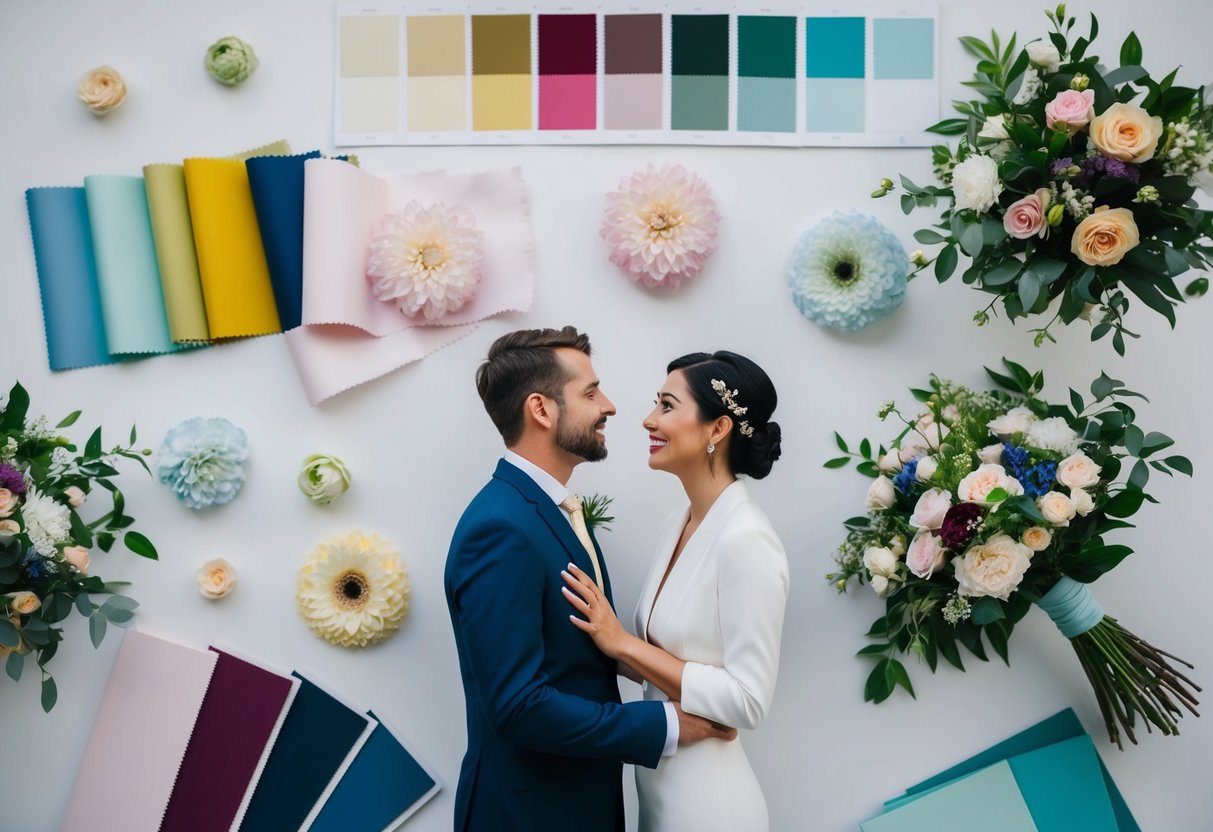
Start by thinking about what colors make you feel happy and inspired. Look at your favorite items, nature around you, or even your home décor. These can give you great hints about what will work best for your big day.
As you explore your options, remember to think about how your chosen colors will tie everything together, from the flowers to the table settings.
When you link your wedding colors to the atmosphere you want to create, it can make your planning even more enjoyable. Dive into the fun of selecting shades that resonate with you, and let your creativity shine. With a thoughtful approach, your wedding colors will not only beautify your celebration but will also signify your unique love story.
Understanding Color Theory and Wedding Palettes

Choosing wedding colors is an exciting part of your planning. Understanding color theory helps you make decisions that reflect your style and create a cohesive look for your special day.
The Basics of Color Theory and Palettes
Color theory is all about how colors work together. A color wheel is a useful tool for visualizing relationships between colors. Colors can be divided into different color families such as warm, cool, and neutral tones.
Color combinations can be categorized in several ways:
- Complementary colors are opposite each other on the wheel. For example, blue and orange make a striking combination.
- Analogous colors are next to each other on the wheel, like green, blue, and teal. They create a harmonious look.
- You might also consider accent colors to add depth to your palette. These are often used in smaller amounts to highlight certain features, like flowers or table settings.
Finding color inspiration can come from various sources, like nature, fabric samples, or even your favorite artwork.
Applying Color Theory to Wedding Decor
Once you have a color palette in mind, it’s time to apply it to your wedding decor. Your primary colors will set the theme. Consider using a mix of bold and subtle shades for a balanced effect.
When decorating, think about where to place each color. For example, use your main wedding color for larger elements like table linens. Accent colors can shine through in details like flowers and invitations.
Don’t forget about seasonal colors! Spring might call for soft pastels, while fall could inspire deeper hues like burgundy and orange. Look for inspiration in your surroundings, such as the colors of the venue.
By understanding color theory, you can create a beautiful and cohesive atmosphere for your wedding.
Incorporating Personal Style and Wedding Theme
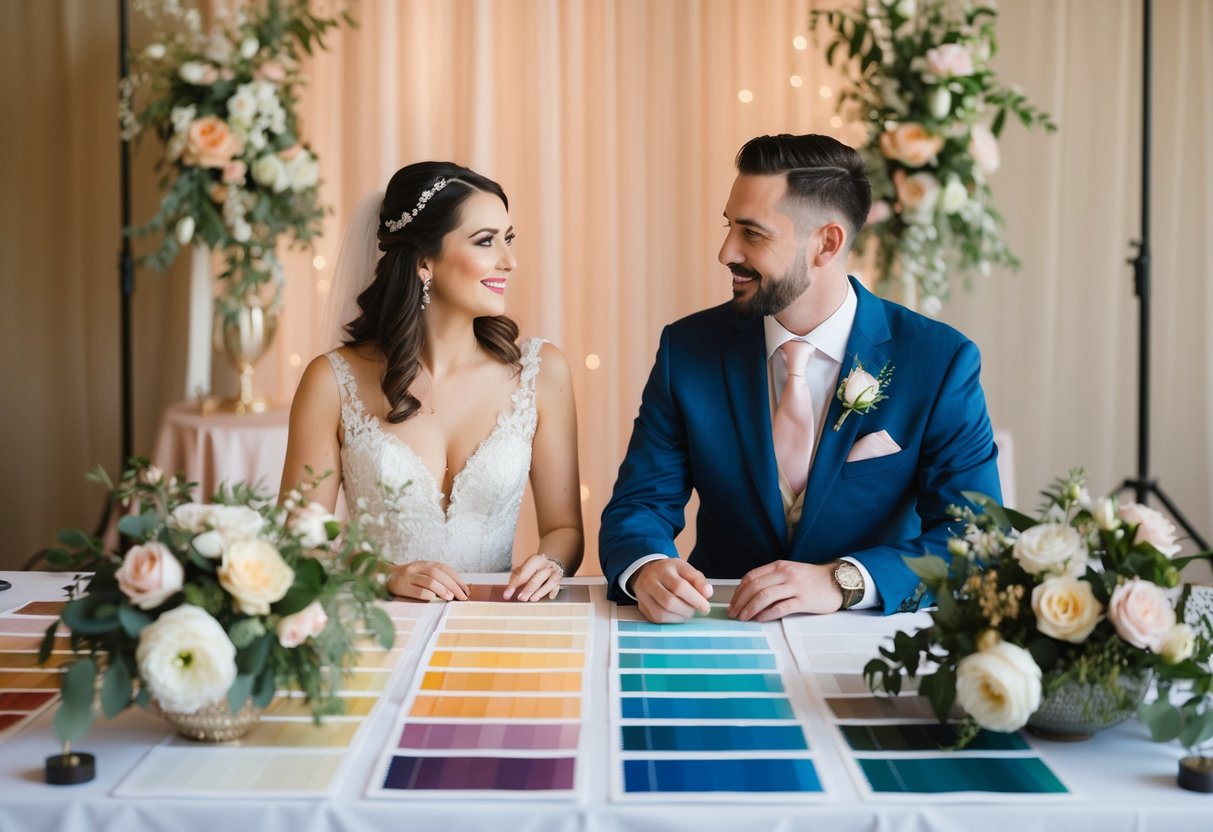
Choosing wedding colors is a personal journey that reflects your unique style and the theme of your special day. Your color choices should resonate with who you are and create a cohesive look for your wedding.
Reflection of Personal Style in Color Choices
Your personal style plays a crucial role in selecting your wedding colors. Think about the colors you already love. Are they bold and vibrant, or soft and romantic? For example, if you prefer minimalist designs, you might opt for neutral shades with a pop of color.
Consider trending colors you admire. Pastels are perfect for traditional themes, while bold hues can suit modern styles. Don’t hesitate to bring in elements from your favorite fashion or home décor. You can even create a mood board to visualize how your preferred colors work together.
Coordinating Colors with Wedding Themes and Motifs
Aligning your color choices with your wedding theme is essential for a harmonious look. If you’re planning a beach wedding, soft blues and sandy neutrals could enhance the atmosphere. For a vintage theme, think about using muted colors combined with rustic elements.
Make sure your colors complement the wedding style you envision. For instance, if you choose a garden theme, greens and floral colors can create a lively backdrop. Use accents wisely; pairing a bold color with softer tones can create balance and visual appeal.
Remember, your color scheme should evoke the feelings you want to share with your guests on your big day.
Seasonal and Venue Considerations

Choosing your wedding colors is greatly influenced by the season and the venue. Each season offers its unique shades, while different venues can inspire various color combinations. Understanding how these factors work together will help you create the perfect palette for your special day.
Matching Colors with the Wedding Season
Spring is known for pastels. Soft pinks, light blues, and pale yellows bring freshness to the day. These colors reflect the blooming flowers and warmth of the season.
Summer colors tend to be vibrant. Bright coral, aqua blue, and sunny yellow can capture the lively spirit of summer. These shades work wonderfully for outdoor weddings when nature is in full bloom.
Fall wedding colors often feature earth tones like deep oranges, burgundy, and rich greens. These hues mirror the changing leaves and create a cozy atmosphere.
Winter weddings can embrace jewel tones. Colors like emerald green, royal blue, and deep red add elegance and warmth, perfect for a chilly setting.
Choosing Colors Based on Venue Type
Your venue can significantly impact your color choices. For outdoor venues](https://omghitched.com/outdoor-wedding-tips/), consider colors that complement natural surroundings. Bright and cheerful shades work well to create an inviting feel in open spaces.
If your wedding is held in a chic indoor venue, neutral shades can bring a sophisticated look. Soft grays, whites, and creams offer versatility and elegance.
In a garden setting, choose colors that harmonize with the greenery. Flower-inspired hues or pastels can enhance the natural beauty.
For a rustic barn, consider deeper, warmer colors to match the wooden elements. Earthy tones can create a welcoming and homey atmosphere.
Finalizing Your Wedding Color Palette

Choosing your wedding colors is an exciting part of the planning process. It’s essential to finalize your color palette by testing combinations and coordinating with key people involved in your wedding.
Testing and Previewing Color Combinations
Start by reviewing your base color. This is the main hue that will dominate your wedding decor. Once you have it, think about complementary colors.
Create a simple palette with two to four colors. You can use color swatches or tools available online to visualize the combinations. Test how each color works across different elements, like floral arrangements and stationery.
Consider how these colors will appear in various lights, especially during your nuptials. You might have pastel hues for daytime or rich dark jewel tones for evening events.
Gather samples of table linens, cocktail napkins, and chair covers to see how they look together. Make notes of what feels right and aligns with your color preferences. This step will help you picture your wedding decor more clearly.
Coordinating with Vendors and Wedding Party
Once you’ve created a color palette, share it with your wedding planner and vendors. They can provide valuable feedback and help you ensure everything matches.
Discuss your choices with your wedding party too. Their outfits should complement your color scheme, enhancing the overall look.
Provide them with swatches or a mood board to help them select appropriate attire.
Also, consider how these colors will extend to your wedding stationery. Save the dates and invitations should reflect your theme, making a cohesive impression.
Don’t forget details like dinner napkins and floral arrangements. They can highlight key colors and bring your palette together seamlessly.
Collaborate with your florist to ensure your blooms match your vision.