
How Do People Usually Start Their Vows? Tips for Crafting Your Perfect Opening
Starting your wedding vows can feel overwhelming, but it’s a meaningful way to express your love. Many people begin their vows by saying their partner’s name or sharing a personal story about their relationship. This personal touch sets the tone and shows your partner and guests the connection you share.
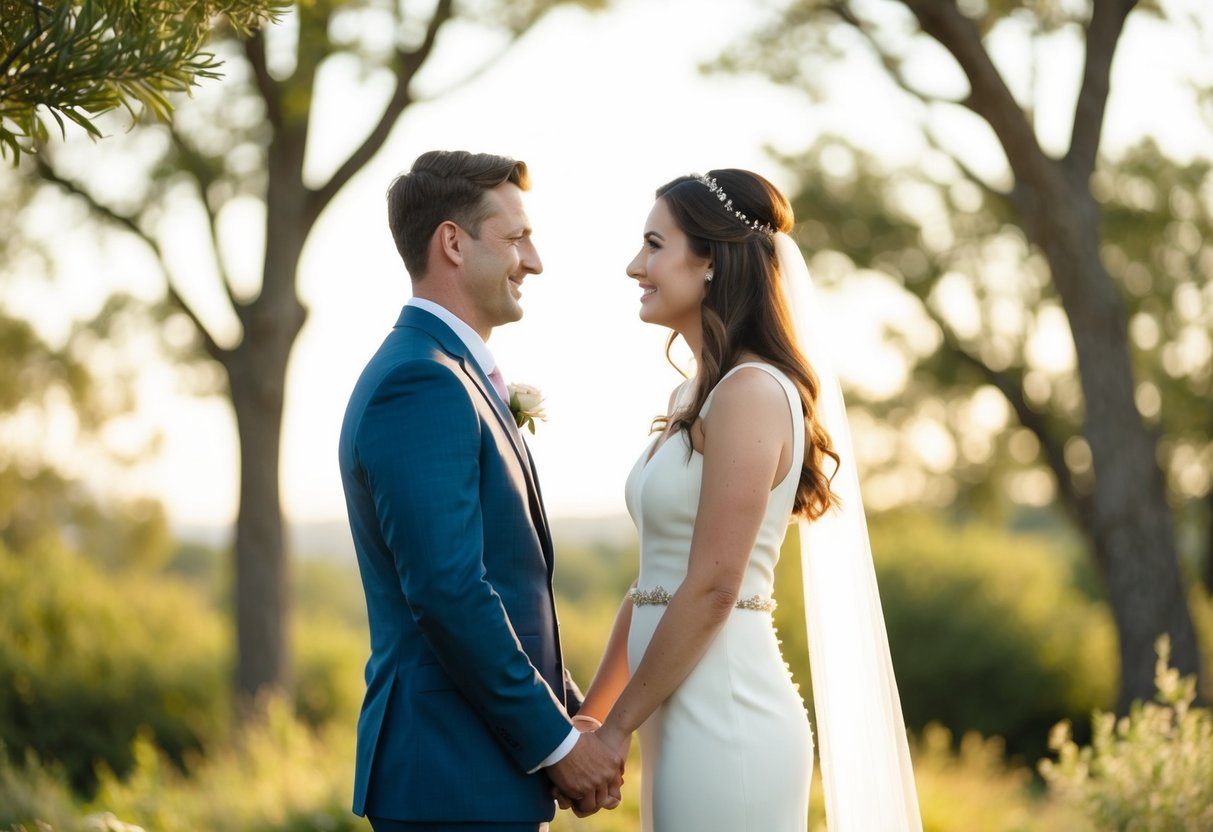
You might also choose to express your feelings directly. Sharing a special memory or highlighting what you appreciate about your partner can make your vows heartfelt and memorable.
Whether you want to be light-hearted or deeply emotional, the beginning of your vows can truly reflect who you are as a couple.
As you craft your vows, think about what speaks to your heart. Many couples find inspiration in quotes or poems, while others may opt for a simple yet powerful opening statement. Whatever direction you take, your start sets the stage for sincere promises that follow.
The Essence of Wedding Vows
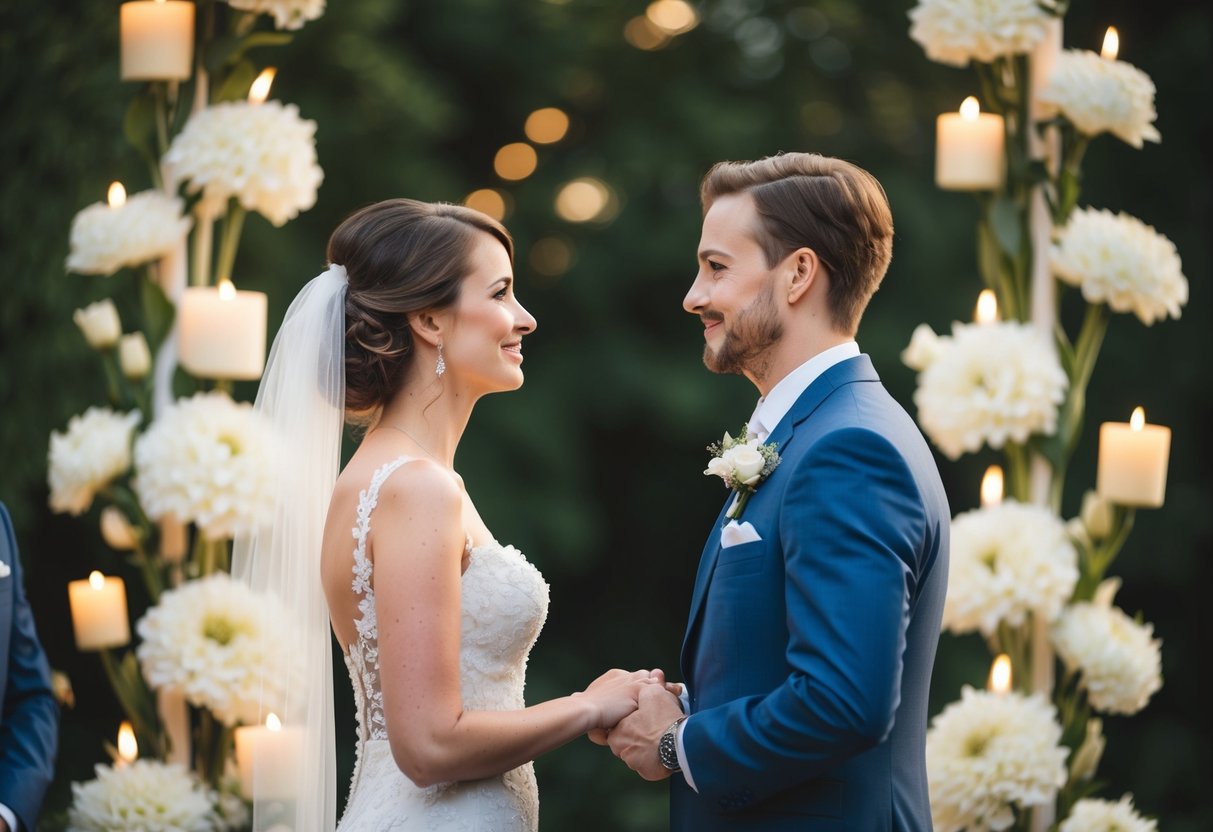
Wedding vows are deeply meaningful promises exchanged during the wedding ceremony. They reflect love, commitment, and the willingness to build a future together. Understanding their origins and significance can help you connect more with this important ritual.
Historical Overview
Wedding vows have a rich history that dates back centuries. Many cultures and religions have their unique ways of expressing these promises. In ancient times, vows often included declarations of intent that were more about social and economic contracts.
Over the years, these declarations evolved. Modern vows focus more on emotional bonds rather than just obligations. You might find that traditional vows still hold a special place today, providing a sense of continuity and connection to the past.
Importance of Love and Commitment
At the core of wedding vows is the promise of love and commitment. When you exchange vows, you’re not just reciting words; you are making a heartfelt declaration. This moment marks your intent to support and cherish each other for life.
Your vows may include personal reflections on what love means to you, as well as specific promises you want to uphold. It’s this personalization that makes them memorable and impactful. By pledging your devotion in front of witnesses, you create an important bond not only with your partner but also with your family and friends.
Understanding the Wedding Ceremony
The wedding ceremony is the backdrop for your vows. During this event, the officiant usually guides you through the important steps, including the exchange of vows. This moment highlights your commitment in a sacred setting.
As part of the ceremony script, vows often come after the declaration of intent. This sequence adds weight to the promises you make, emphasizing their significance. The exchange of vows brings everyone together, making them a vital component of the ceremony and the start of your shared journey.
Crafting Your Vows
Creating your wedding vows is a special process. It allows you to express your feelings and promises to your partner in a heartfelt way. Focus on these key aspects to build vows that feel true to you.
Finding Inspiration
To begin crafting your vows, seek inspiration from different sources. Think about the love stories of friends or family or even movies and books you enjoy.
Consider the memories you’ve shared with your partner. Reflect on meaningful moments, such as your first date or travels you’ve taken together.
You can look at wedding vow examples for ideas. Don’t hesitate to borrow phrases you like, but make sure to personalize them.
Also, think about what you admire most in your partner. This can help you express your feelings clearly.
Choosing Your Structure
Your vows don’t need to follow a strict format, but having a structure can help. A simple approach is to break your vows into three parts:
- Introduction: Start with your partner’s name or a sweet nickname.
- Main Body: Share your feelings, stories, and promises. Talk about what your partner means to you and what you promise for the future.
- Closing: End with a final promise or a statement of love.
Remember, it’s your personal vows, so feel free to mix traditional vows with your unique touch. Consider whether you want a more serious tone or a light-hearted approach.
Writing Your Own Vows
When writing your own vows, aim for authenticity. Speak from the heart and keep your language simple. A good tip is to use a wedding vow template to guide you.
Start with a statement of love. For example, you can say, “You are my best friend and my greatest joy.” Then, include personal anecdotes that showcase your journey together.
Make specific promises that matter to you. For instance, “I promise to support you in your dreams.” These personal wedding vows create a strong bond.
Finally, practice saying your vows out loud. This will help you feel comfortable when it’s time to share them. Remember, your vows should reflect your love and commitment, making your day even more special.
Special Considerations
When crafting your wedding vows, consider how different settings and the presence of an officiant can affect what you say. Personal factors can help shape your words and make your vows even more meaningful.
Elopement and Private Ceremonies
Elopements and private ceremonies often create a relaxed and intimate atmosphere. In these settings, you may feel more comfortable expressing your true emotions.
Since you are with only your partner or a few close friends, you can focus on personal stories that highlight your journey together. Consider mentioning specific moments that shaped your future together.
This could include the first time you met or an adventure that made you realize you belong together. Keep in mind that in a private ceremony, you can skip traditional elements and make your vows as unique as your relationship.
Role of the Officiant
Your officiant plays a crucial role in your wedding ceremony. They help guide the flow of the event and ensure everything runs smoothly.
An officiant can also assist in structuring the ceremony script. This can be helpful in determining how to introduce your vows.
Some officiants suggest starting with personal touches, such as sharing a story or expressing your feelings right away. Be sure to discuss with your officiant any ideas you have for memorable wedding vows. They can provide feedback and support to help you create lines that resonate deeply with both of you.