
How Do Wedding Caterers Work? A Guide to Planning Your Perfect Menu
When it comes to your big day, you might not realize how important a wedding caterer is. A professional caterer not only prepares and serves delicious food, but also handles much of the planning and preparation that ensures your catering experience runs smoothly. From coordinating with vendors to managing staff, they take on a variety of tasks well before the event itself.
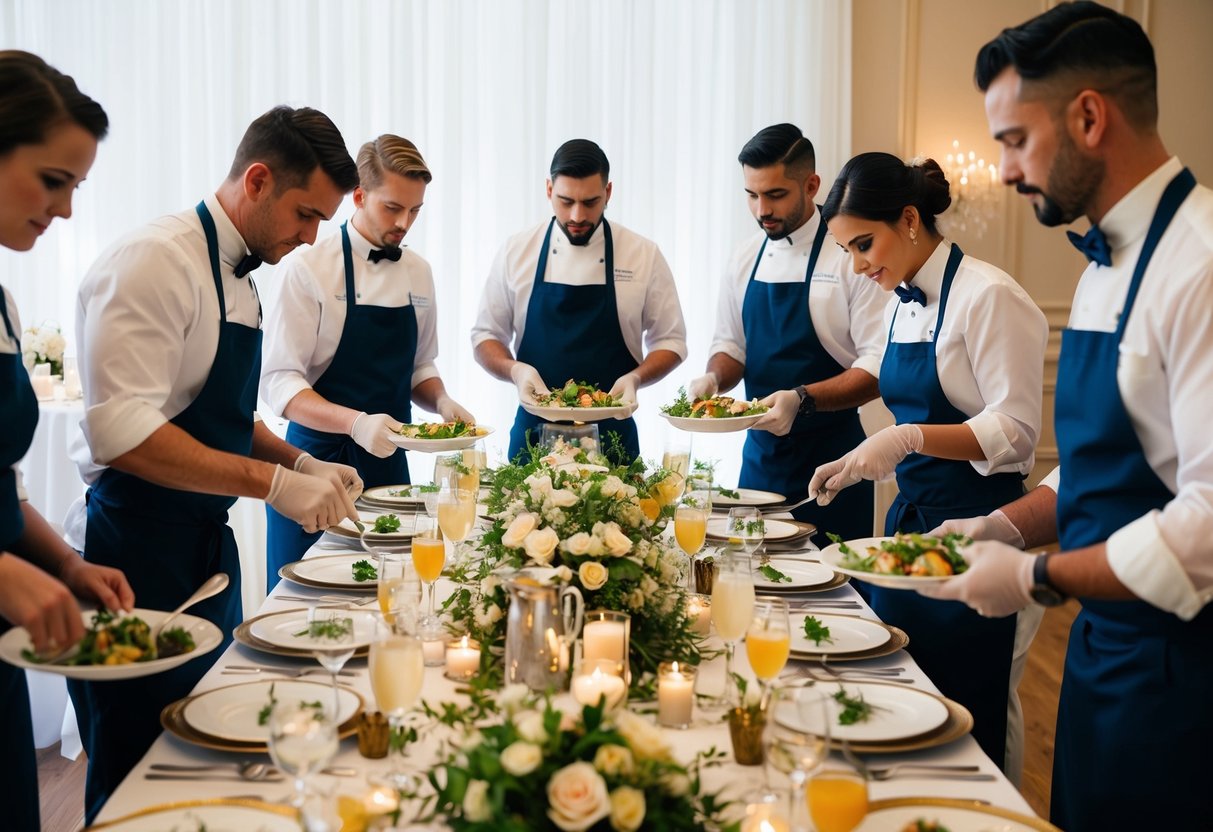
As you start organizing your wedding, knowing how wedding caterers work can help ease your stress. They typically begin by discussing your vision, dietary needs, and budget. This initial meeting lays the groundwork for everything from menu choices to service styles, making sure your celebration fits your style and preferences.
With their expertise, wedding caterers help transform your ideas into a memorable dining experience. Understanding their process allows you to create a perfect atmosphere where you and your guests can enjoy good food and great company.
Understanding Wedding Catering
When planning a wedding, catering plays a crucial role in creating a memorable experience. You’ll want to know the different services available, the important roles of wedding caterers, and the various styles they offer.
Defining Catering Services
Catering services for weddings refer to the preparation and delivery of food and beverages for your guests. Caterers can provide various options that range from full-service catering, where they handle everything, to more casual styles like food trucks or buffet setups.
A catering package typically includes menu selection, staff for serving, and all necessary equipment. You might also consider if you want a cocktail party style, where appetizers and drinks are served, or a formal plated dinner. Each option has its unique benefits, making it essential to choose what fits your vision.
Roles of a Wedding Caterer
A wedding caterer takes on multiple roles to ensure your day runs smoothly. Their primary job is to prepare and serve quality food that meets your expectations. They are responsible for food safety, presentation, and timely service to guests.
Additionally, caterers assist with logistical details like table setup, cleanup, and sometimes even managing the schedule of meal services. You can ask your caterer questions about dietary restrictions or unique requests to make every guest feel included. Their expertise can help you craft the perfect menu that matches your theme and budget.
Types of Wedding Catering Styles
There are various catering styles you may consider for your wedding. Here are a few:
- Buffet Style: Guests serve themselves, which allows for a casual atmosphere and variety in food choices.
- Plated Dinner: Meals are served to guests at their tables. This style is more formal and allows for a structured meal experience.
- Cocktail Reception: This style features small bites and drinks, letting guests mingle while enjoying delicious food.
Another popular option is food trucks, providing a fun vibe and diverse menu. Whatever style you choose, think about what will make your wedding memorable for you and your guests.
Planning Your Wedding Menu
Creating your wedding menu is a fun and exciting task. It involves selecting delicious food and drinks that will impress your guests while considering their preferences and dietary needs. A well-planned menu enhances the celebration and ensures everyone enjoys the meal.
Creating a Menu to Remember
When crafting your wedding menu, think about a mix of flavors that represent you as a couple. Start with appetizers that might include bite-sized pieces of delicious food, like stuffed mushrooms or mini bruschettas.
For the main course, consider offering two to three options, such as a classic chicken dish, a vegetarian choice, and perhaps a seafood option. Popular wedding food ideas also include carving stations or buffet-style setups for a lively atmosphere.
Don’t forget about desserts! A stunning cake is a must, but you can also offer unique treats like a dessert table with assorted pastries and sweets. This will not only satisfy sweet cravings but also create great photo opportunities.
Accommodating Dietary Restrictions
It’s important to plan for guests with dietary restrictions. Start by asking about food allergies and preferences on your RSVPs. This shows you care about everyone’s experience.
Create options for different diets like vegan, gluten-free, or nut-free foods. It can be as simple as having a rich salad, rice dishes, or grilled vegetables for those with specific needs.
Make sure your catering team knows about these requirements in advance. Many caterers offer sample menus that include accommodations, which can help you make informed choices.
Organizing Food Tasting Sessions
Food tasting sessions are a crucial step in planning your wedding menu. This is the perfect opportunity to sample dishes and really get a feel for the flavors you want to serve. Most caterers provide tastings, so take advantage of this.
During the tasting, pay attention to each dish’s presentation and taste. Make notes on what you like or dislike. Don’t hesitate to ask for adjustments to flavors or presentation to make the meal truly yours.
Once you narrow down your choices, work with your caterer on finalizing the menu. Personal touches can elevate your wedding meal, making it an unforgettable experience for you and your guests.
Logistics and Execution on the Wedding Day
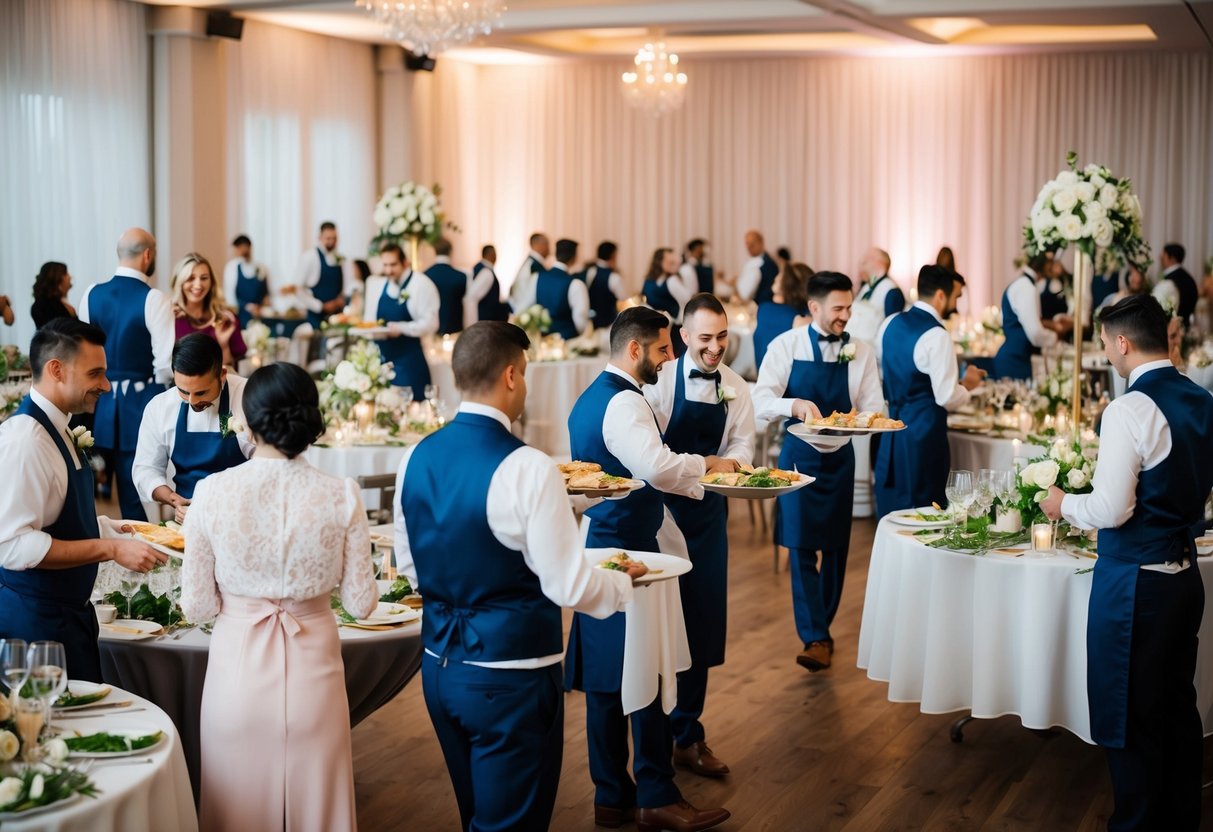
On your wedding day, logistics and execution are crucial for a seamless celebration. The catering team plays a key role in ensuring everything runs smoothly, from preparation to coordination with other vendors.
Preparation Before the Day
In the days leading up to your wedding, preparation is essential. Your catering team will confirm the menu and ensure all ingredients are fresh. It’s important to finalize the headcount to determine how many guests will be served.
Additionally, they will prepare a detailed timeline for the meals, from appetizers to dessert. This plan helps everyone stay on track. Consider discussing any special dietary needs with your caterer ahead of time. This includes vegetarian, vegan, or gluten-free options that should be available.
Setting Up the Venue
On the wedding day, setting up the venue takes careful planning. The catering team will arrive early to begin the setup. They’ll arrange tables, chairs, and linens according to your layout. Flatware, glassware, and centerpieces will also be placed with care.
It’s important to ensure that everything looks beautiful and meets your vision. Coordination with the decor team is key here. Additionally, lighting can greatly affect the ambiance, so they may need to work together to ensure everything shines bright.
Make sure to communicate any specific instructions for the display or layout of the food stations. A well-set venue creates a welcoming atmosphere for you and your guests.
Coordinating with Other Vendors
Coordinating with other vendors is vital for a smooth wedding day. Your catering team needs to stay in contact with the venue staff, florists, and the event planner. This helps everyone stay on the same page regarding timing and setup.
For example, if the cake arrives later than planned, the caterer needs to adjust the dessert timing accordingly. Clear communication prevents mix-ups that could disrupt your celebration.
Discussing the timeline with your vendors before the day ensures they understand when everything needs to happen. A cohesive effort will help your wedding day feel effortless and enjoyable for everyone involved.
Enhancing the Atmosphere with Additional Services
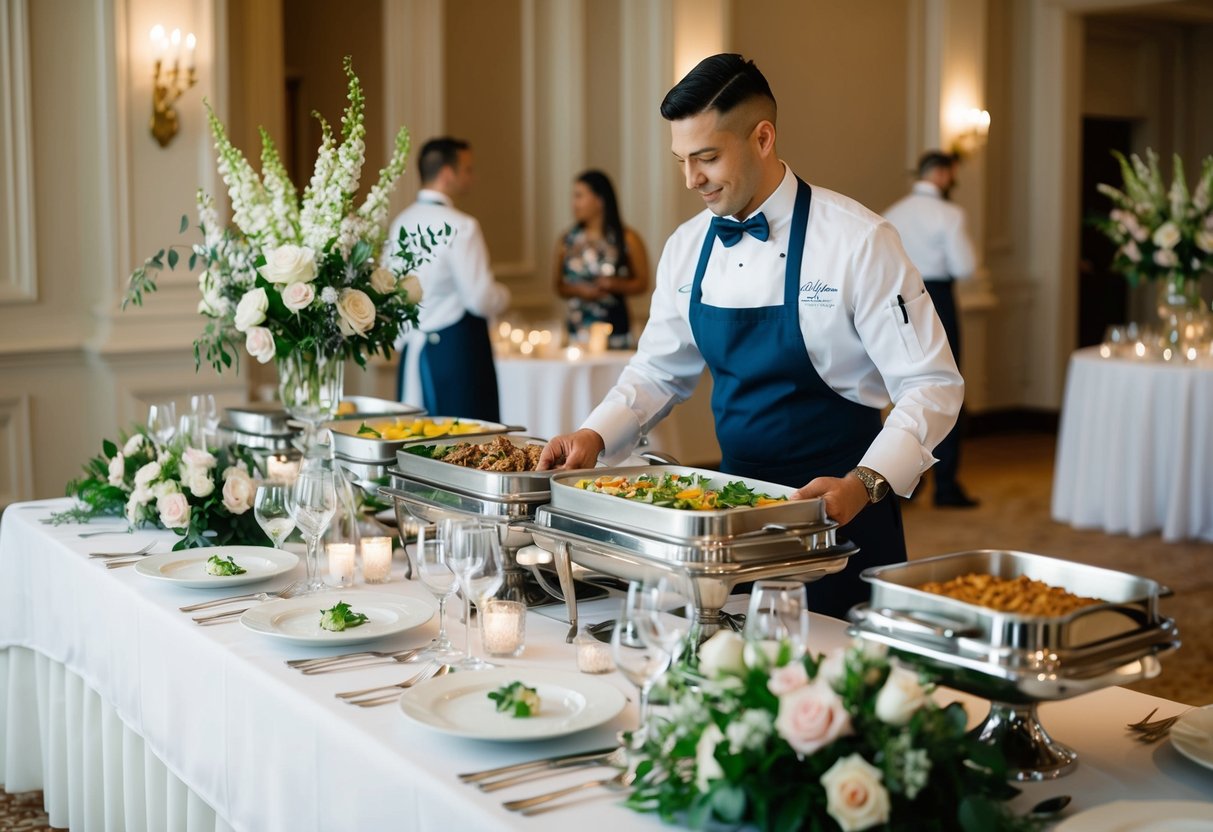
Creating the right atmosphere at your wedding involves more than just food. Additional services can elevate your event, making it memorable for you and your guests. Consider elements like decor, drink services, and the skills of the staff to bring everything together beautifully.
Selecting the Right Decor and Table Settings
Choosing the right decor and table settings is key to enhancing your wedding atmosphere. Think about how colors, tablecloths, and centerpieces reflect your style. You can select themes like rustic, elegant, or modern to fit your vision.
Incorporating elements like floral arrangements and candlelight can create a warm ambiance. Don’t forget to choose glassware that complements your theme. Unique pieces can be conversation starters.
As for table settings, consider arrangements that encourage mingling. Use grazing boards, which allow guests to sample different flavors while chatting. This not only looks appealing but also engages your guests throughout the event.
Offering Bar and Drink Services
Bar services can significantly enhance your wedding’s vibe. A well-stocked bar can keep the celebration lively, especially during the cocktail hour. You can offer a mix of signature cocktails that tie into your theme.
Make sure to consider a variety of drinks, including options for non-drinkers. This makes everyone feel included. Your catering service can help craft a drink menu that varies from refreshing cocktails to classic selections.
You might also want to create grazing tables featuring snacks alongside drinks. Having options like passed appetizers or late-night snacks can ensure guests are well-fed and happy, making the atmosphere even more enjoyable.
Providing Professional Bartending Staff
Professional bartenders can take your wedding to the next level. They not only serve drinks but also add to the style of your event.
Skilled bartenders can craft drinks that wow your guests and know how to keep the lines moving. Good bartenders also interact with guests, creating a welcoming environment.
They can suggest drink pairings with your appetizers or help manage the flow of the bar. This keeps things organized and ensures everyone has a great time.
Moreover, consider offering late-night snack and drink options. Your guests will appreciate this thoughtful touch as they dance the night away.
If you have a specific theme for the drinks, ensure the bartenders are briefed. By focusing on decor, drink services, and experienced staff, you can significantly enhance your wedding atmosphere.
These details make a lasting impression on both you and your guests.