
How Do Wedding DJs Get Their Music? Uncovering Sources and Secrets
When planning a wedding, the music can make or break the vibe of your big day. You might wonder where wedding DJs find the songs that get everyone on their feet. Wedding DJs typically source their music from a mix of online music pools, subscription services, and digital stores like iTunes and Amazon, ensuring they have a diverse library for any crowd.
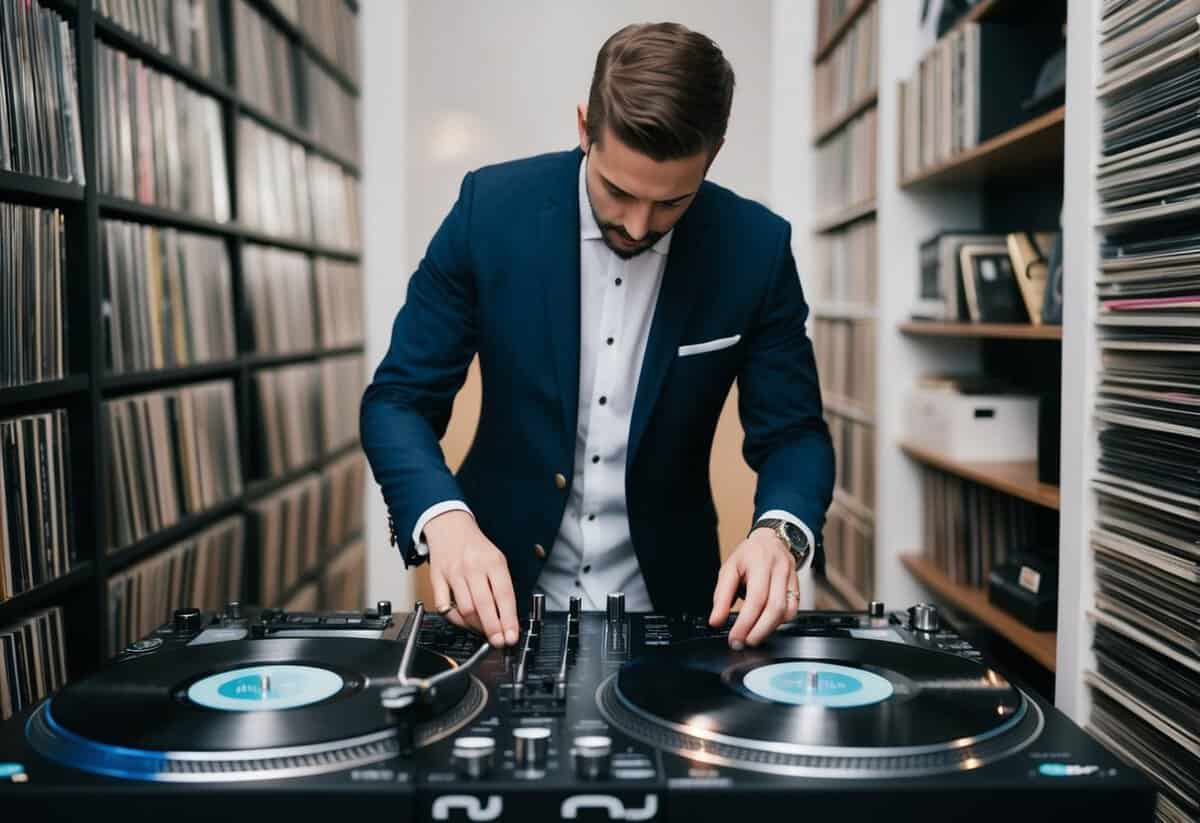
Many DJs also create their own remixes and special edits, adding a unique flair to the playlist. By tapping into platforms like SoundCloud and Spotify, they can discover fresh tracks that keep the energy high throughout the night. Understanding how these professionals build their music collections can help you select the right DJ for your celebration.
Let’s explore the various ways wedding DJs gather their music and what it means for your special day.
Understanding the Role of the DJ
In this section, you will discover what makes a DJ important for events like weddings. You will also learn how wedding DJs differ from DJs in other settings. Understanding these points can help you appreciate their role better.
The Art of DJing
Being a DJ is more than just pressing play on a playlist. It involves a deep understanding of music and the ability to connect with the crowd. A good DJ reads the room to select songs that maintain energy and create a lively atmosphere.
For a wedding reception, this skill is crucial. You want every moment to resonate, from the first dance to the final send-off. Experienced DJs curate a playlist that reflects your taste, ensuring a memorable experience for you and your guests.
Preparation is key. Before the big day, wedding DJs often meet with couples to discuss preferences. They consider important songs, special moments, and even the vibe you want to create. This groundwork allows them to provide a personalized touch.
Wedding DJs vs. Other DJs
Wedding DJs specialize in creating tailored experiences for unforgettable celebrations. They focus on specific events like the ceremony, speeches, and dance performances. This approach differs from other DJs, who may play in clubs or at parties where the atmosphere is more casual.
In contrast to club DJs who often stick to popular tracks, wedding DJs embrace a wider range of styles. They must balance different musical tastes to please both young and older guests. This flexibility helps in building a joyous vibe during your wedding.
Moreover, a wedding DJ manages more than just the music. They handle announcements and can even coordinate special activities. This role is vital because it ensures that everything flows smoothly, allowing you to enjoy your special day without worry.
Building a Music Library
Creating a music library is essential for wedding DJs. You need to know where to source your music, how to keep it organized, and the methods for acquiring tracks. A well-planned music library will help you find the right songs quickly and keep your gigs running smoothly.
Sourcing Music
The right music can make or break your set. To build your collection, consider multiple options. Streaming services like Spotify and Apple Music are great for inspiration, but they often lack offline access for gigs.
For a more extensive range, look into DJ record pools such as BPM Supreme and Digital Music Pool. These platforms offer access to exclusive remixes, acapellas, and various genres all in one place. Websites like Beatport specialize in electronic music, providing high-quality audio files, which is perfect for wedding DJs looking to create vibrant environments.
Organizing Playlists
Once you have sourced your music, it’s time to organize it effectively. Create playlists for different moods and events, such as “Ceremony,” “Cocktail Hour,” and “Dance Party.” This will allow you to access the right songs quickly during events.
Using software like iTunes can help manage your music collection. You can label tracks with important details such as tempo and genre. Additionally, maintaining a folder system for your digital downloads can make it easier to locate your favorite artists or specific audio files when needed.
Digital Downloads and Streaming
Digital downloads remain a crucial part of building your library. Purchasing MP3s directly from platforms ensures you have reliable access to your favorite tracks. Remember, many tracks on DJ pools can also be downloaded for offline use, avoiding potential streaming issues during gigs.
Moreover, explore platforms like SoundCloud for remixes and new artist tracks. It’s a good way to stay current with trends. Getting familiar with available resources will enrich your digital music collection and enhance your performance as a wedding DJ.
Legal Considerations and Quality
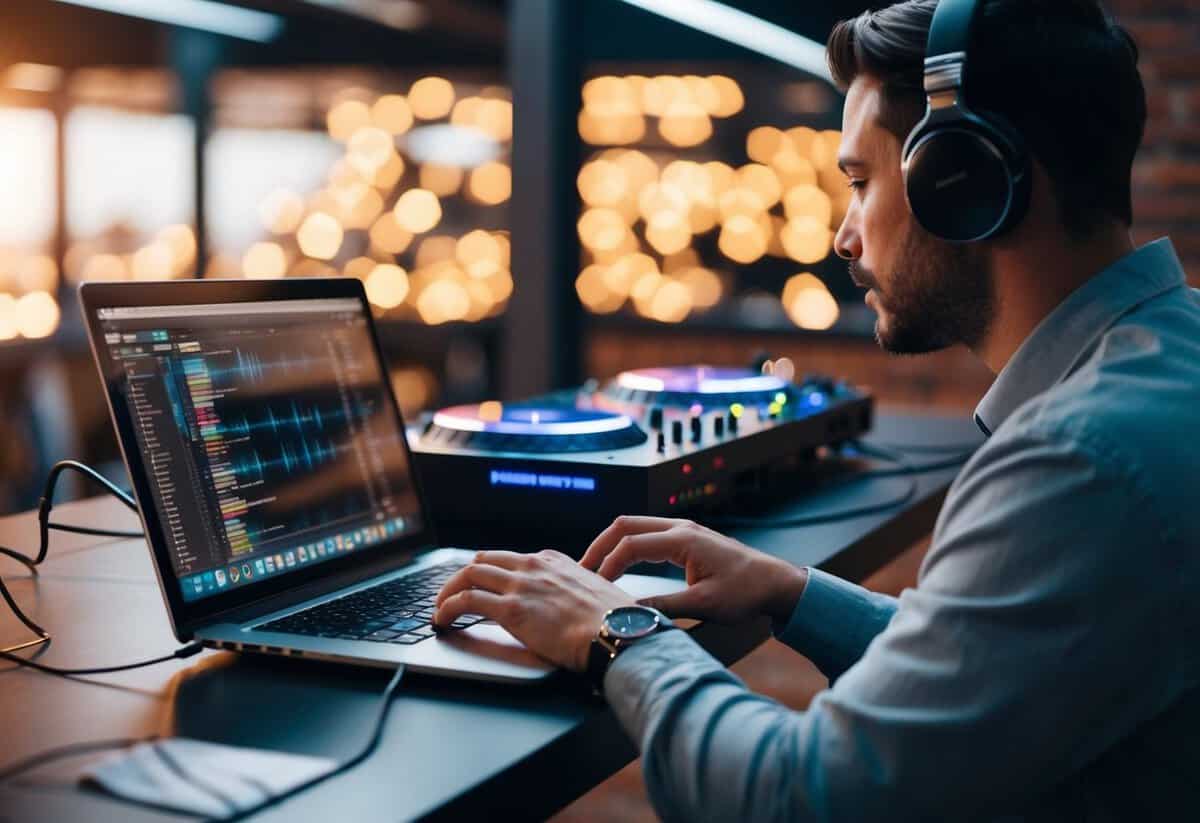
As a wedding DJ, understanding the legal aspects of music usage and ensuring high audio quality is essential for your performances. Copyright laws and licensing requirements protect artists’ rights while the quality of your audio files affects the overall experience for your guests.
Copyright and Licensing
When you play music at events, you must follow copyright laws. These laws mean that most music requires a license to be played publicly. This is important, especially at weddings, where you want to avoid any legal issues.
Venues often handle the necessary licensing, but it’s good to double-check. Organizations like BMI, ASCAP, and SESAC manage song licensing, ensuring that songwriters and artists are compensated.
You might also want to consider using clean versions of songs for family-friendly events. This ensures your music fits the occasion and keeps guests happy.
Prioritizing Audio Quality
High-quality audio files are crucial for any DJ looking to impress your audience. Poor audio can ruin the atmosphere, even if the song choice is perfect. Invest in high-quality audio formats, like WAV or FLAC, which offer better sound than MP3s.
When selecting music, be mindful of the genres and how they fit into your set. Mixing different styles can create a unique vibe, but make sure the tracks maintain good audio quality.
Digital music stores often provide options for higher quality and clean versions, giving you the flexibility to create an engaging playlist tailored to your audience.
Engaging with the Audience
Engaging your audience is a key part of being a successful wedding DJ. It helps create a fun atmosphere and keeps guests entertained. You can achieve this through observing the dance floor, handling music requests well, and creating memorable moments throughout the event.
Reading the Dance Floor
As a wedding DJ, you need to be attentive to the dance floor. Watch how guests react to different genres and hit songs. If people are dancing and having a good time, that’s a great sign. When energy dips, it’s time to change things up.
Use tools like Shazam to identify songs that guests love. This can help you choose popular tracks or even remixes that keep everyone excited.
Don’t forget the importance of transitions. Smooth changes between songs will keep the vibe going and prevent the dance floor from emptying out. Keep your playlist ready to adapt based on the crowd’s energy.
Handling Music Requests
Handling music requests can be tricky, but it’s important. Guests often have their favorite songs they want to dance to. Make it easy for them to submit requests, whether through a request card or by approaching you directly.
Prioritize tracks that fit into the current vibe. If a guest requests a slow ballad during a high-energy moment, politely suggest saving it for later. Use apps like Spotify or SoundCloud to access a wide range of music quickly.
Creating a good mix means balancing requests with your planned setlist. You want to please your audience while maintaining control of the dance floor.
Creating Memorable Moments
Memorable moments make weddings special. Focus on key events, like the couple’s first dance or speeches. These are great opportunities to cue up significant songs that resonate with the couple and the guests.
Consider announcing special moments and inviting guests to participate. For instance, let everyone know when it’s time for the bouquet toss or cake cutting. You can build excitement leading up to these highlights.
Using social media can also enhance these moments. Encourage guests to share their experiences on platforms like Instagram or TikTok. This not only captures memories but also promotes your work as a DJ. Connecting these events to music will leave a lasting impression on everyone at the wedding.