
How Do Wedding DJs Get Their Music? Understanding Their Sources and Selection Process
As you plan your wedding, you might wonder how wedding DJs get their music to create the perfect atmosphere. Many wedding DJs build their music libraries through a mix of digital collections, playlists, and popular streaming platforms. This ensures they have a variety of music genres to choose from, catering to your preferences and the vibe of your special day.
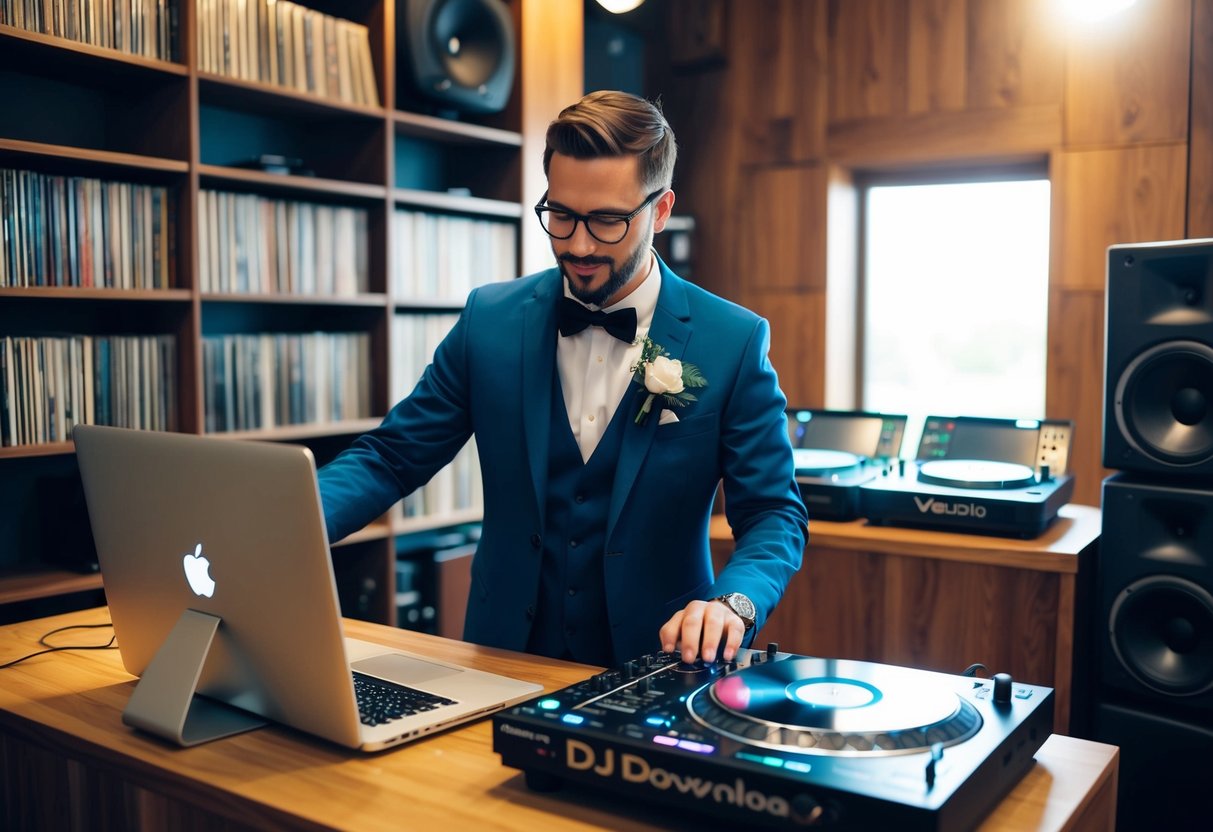
DJs often rely on both curated playlists and requests from couples to ensure that they play songs that will get everyone dancing. They might source tracks from DJ record pools, music apps like Shazam, or even create their own remixes to fit the occasion. This personal touch helps them craft a memorable experience for you and your guests, making your celebration unique.
With so many options available to them, wedding DJs are always equipped to provide the right soundtrack for every wedding event. Whether it’s an upbeat hit to get the party started or a romantic tune for the couple’s first dance, they know how to select the right music to suit the moment.
Understanding the DJ Music Source
When it comes to getting music, wedding DJs have several key options. Each source has its own benefits and can help you create the perfect playlist for your events. Let’s explore some popular methods for sourcing your music.
Record Pools and DJ Record Pools
DJ record pools are excellent resources for DJs. These membership-based services provide access to a wide variety of music, including new releases and exclusive tracks. You can find platforms like ZipDJ and Promo Only that cater specifically to DJs looking for the latest hits.
By subscribing to a DJ pool, you can download high-quality tracks in various genres. This allows you to stay updated with popular songs that will get your audience dancing.
These pools also often include remixes and extended versions, which can enhance your sets. It’s a smart way to ensure you have unique content that stands out.
Online Music Stores and Digital Downloads
Online music stores are another vital source for wedding DJs. Sites like Beatport, Traxsource, and Juno Download offer vast catalogs of music. You can purchase and download tracks legally, ensuring the quality you need for your sets.
These platforms specialize in different genres, so you can find exactly what you’re looking for. A wide selection of tracks means more options for blending songs together seamlessly.
Using a site like Bandcamp also allows you to discover independent artists and unique sounds that might not be available on mainstream platforms. This can give your playlist a fresh twist that guests will remember.
Streaming Services and Music Libraries
Streaming services like DJ City are not just for casual listening. They can be useful for DJs as well, although with some limitations. Keep in mind that platforms like Spotify typically cannot be used directly in DJ software.
Instead, look for music libraries that are DJ-friendly. These services provide curated playlists and easy access to different tracks. You can find a mix of popular songs and lesser-known gems.
While streaming is convenient, remember to use tracks that you can legally play in your events. So, explore options that allow offline downloads and ensure you’re ready for any gig!
Music Licensing and Legal Considerations
When you work as a wedding DJ, understanding music licensing and copyright laws is essential. You need to know how to use music legally and acquire clean versions for events where families gather. These factors protect both you and the artists behind the songs.
Copyright Laws and Music Use
Copyright laws play a significant role in the music industry. These laws protect the rights of artists and songwriters by requiring licensing for public performance. To stay compliant, you should confirm that the venue has obtained the necessary licenses for your performance.
Licensing organizations, like ASCAP and BMI, manage these rights. They collect fees on behalf of artists whenever their music is played publicly. Make sure your venue properly handles these licenses. If not, you could face hefty fines for unlicensed performances.
Acquiring Clean Versions for Family-friendly Events
For weddings and family events, using clean versions of songs is important. Clean versions are edited to remove explicit content, making them suitable for all ages.
You can get these clean versions by purchasing them from legitimate music platforms or directly from the artist. It’s thoughtful to check if the music meets the event’s standards. Always maintain a playlist that respects the audience’s preferences. Providing a family-friendly environment ensures everyone enjoys the celebration.
Creating and Managing a Wedding DJ Playlist
A well-curated wedding DJ playlist sets the mood for your big day. By focusing on different music genres and adapting to your guests’ tastes, you can keep the dance floor alive. Quality audio will also ensure that every song sounds great, making your reception unforgettable.
Curating Music by Genre and Event Phases
Start by gathering a diverse music collection that includes various genres to cater to different tastes. Think about the different phases of your wedding, like the ceremony, cocktail hour, and reception. Each phase should have a specific mood.
For example, during the ceremony, you might want soft instrumentals or romantic ballads. At the cocktail hour, consider upbeat jazz or acoustic covers. When it’s time to hit the dance floor, switch to dance hits, party anthems, and exclusive remixes. Create separate playlists for each phase to manage transitions smoothly.
Adapting to Audience Preferences
To keep everyone on the dance floor, it’s crucial to read your audience. Communicate with family and friends ahead of time to get a sense of their favorite songs. Create a “must play” list with their inputs to ensure everyone feels included.
During the event, be flexible. If you notice a certain genre or song style gets people dancing, lean into that. Having a mix of classic hits, contemporary tracks, and some oldies can appeal to all age groups. This adaptability will keep the energy high and the celebration lively.
Ensuring High-Quality Audio for the Dance Floor
Quality matters when it comes to sound. Use high-quality audio files for your music collection to avoid distortion during playback. Many streaming services offer high-quality audio options that enhance the listening experience.
Consider investing in good equipment or hiring a DJ who uses superior sound systems. For the dance floor, make sure you have a balanced mix of bass and treble to create a rich audio experience. This attention to detail will ensure your guests enjoy every moment of dancing, helping create lasting memories.
Staying Current in the Music Scene
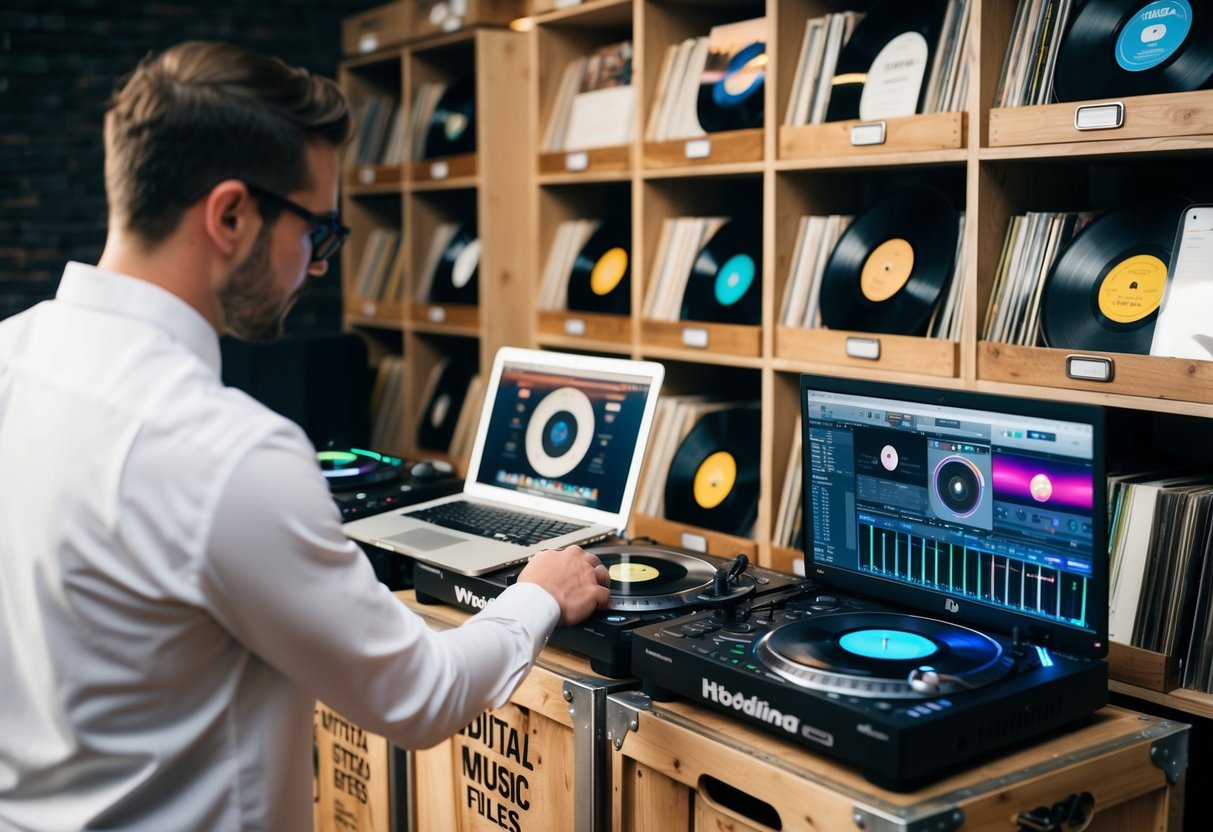
To keep your playlists fresh, it’s vital to discover new music and stay updated on trends. Engaging with different tools and platforms can help you find the latest hits and popular remixes.
Discovering New Music and Trends
You can explore new genres and artists by tuning into playlists on platforms like Spotify and Apple Music. These services often have curated playlists that showcase trending tracks. Regularly check these lists to keep up with what’s popular.
YouTube is another great resource. Look for emerging artists and trending remixes. Many DJs create mixes that highlight new sounds, which can inspire you to incorporate them into your sets.
Don’t forget about apps like Shazam. When you hear a song you love, use this tool to identify it. This way, you can quickly add it to your collection and find similar songs.
Utilizing Social Media and Music Discovery Tools
Social media platforms like Instagram and Twitter are perfect for connecting with your favorite artists. They often share their latest tracks and upcoming releases, keeping you in the loop.
You can also join groups and forums focused on DJing. Engaging with other DJs helps you discover popular tracks and get recommendations on what’s working in the scene.
Music discovery tools like SoundCloud allow you to find unique remixes and underground talent. Many up-and-coming artists post their music here, so it’s worth checking regularly to find that hidden gem.
Keeping a finger on the pulse of music trends ensures that your playlists remain appealing to your audience.