
How Do Wedding Menus Work? A Simple Guide to Planning Your Big Day’s Meal
When planning your wedding, one key element you’ll need to consider is the wedding menu. The wedding menu plays a big role in creating a memorable guest experience. A well-thought-out wedding menu not only reflects your tastes but also complements the atmosphere of your wedding reception.
From elegant sit-down dinners to fun food stations, there are many ways to delight your guests with a selection that fits your style.
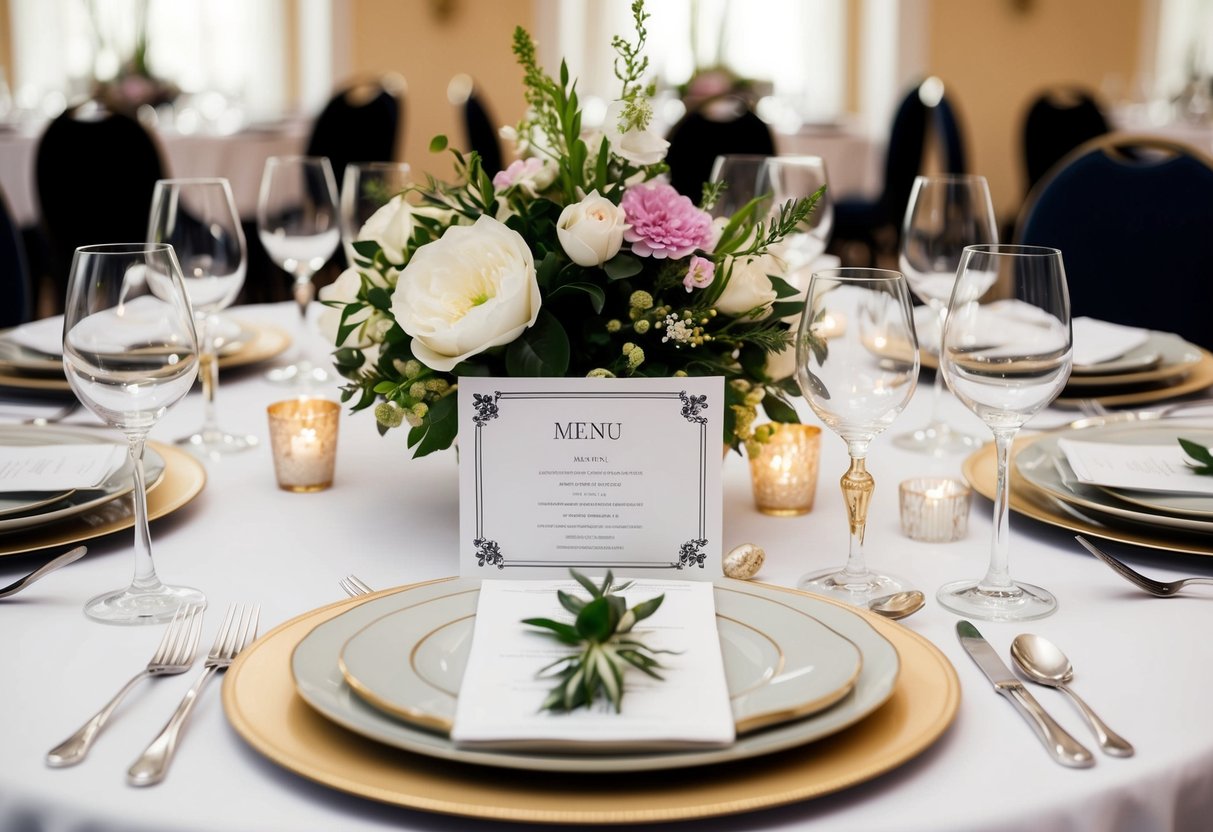
Understanding how wedding menus work can help you navigate your options and make informed decisions. You’ll want to think about the meal format, the type of cuisine, and any dietary restrictions your guests might have. Each choice impacts not just the food served but how your guests enjoy the entire event.
As you explore wedding menu ideas, remember that the right menu can enhance the mood, giving everyone a taste of the celebration you’re planning. Consider how each dish fits into the overall experience you want to create, and you’ll ensure your reception is one to remember.
Understanding Wedding Menu Options
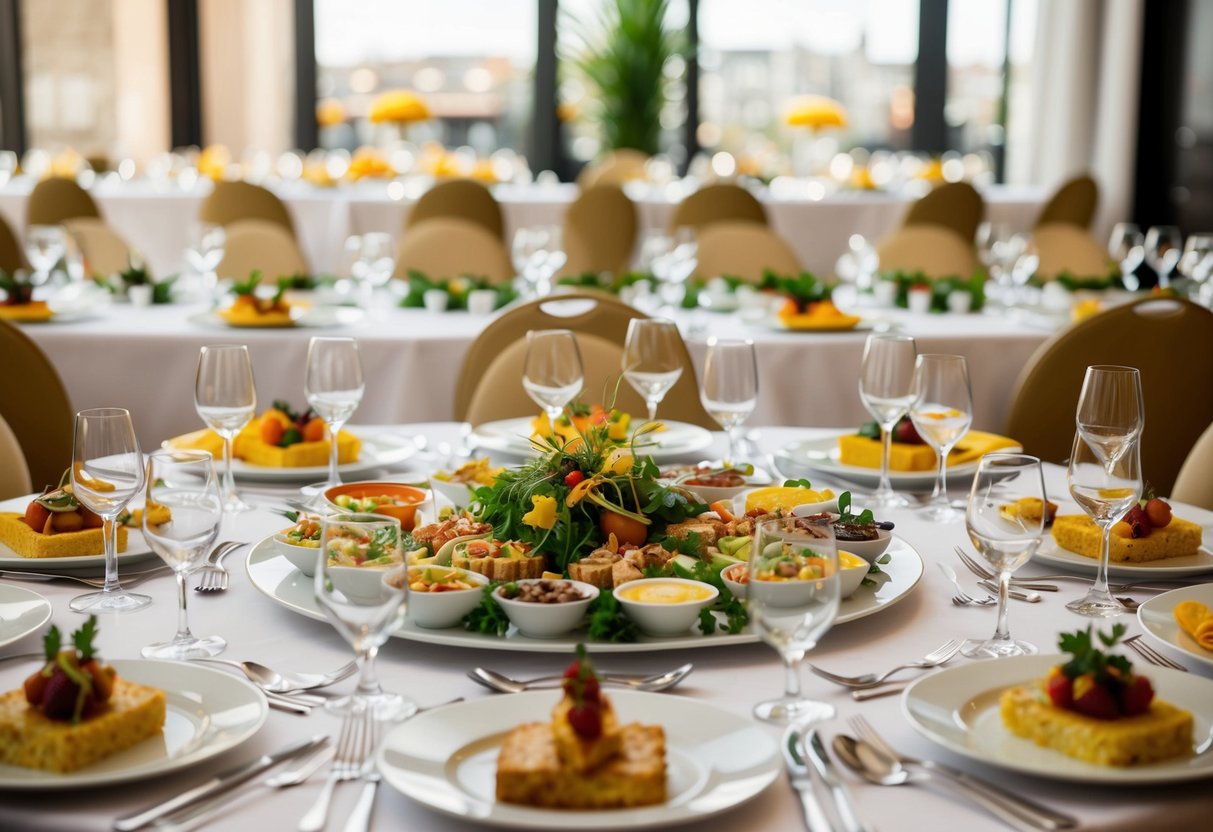
Choosing the right wedding menu is a key part of planning your celebration. It can help create a welcoming atmosphere and cater to your guests’ preferences. Here are some important options to consider when planning your menu.
Buffet Style vs. Plated Meals
Buffet style meals allow guests to serve themselves, offering a variety of dishes. Your guests can choose what they like and how much they want. This option works well for larger weddings, promoting mingling and interaction.
Plated meals, on the other hand, provide a more formal dining experience. Each guest receives a pre-selected meal at their table. This option can be elegant and ensures that everyone receives their meal at the same time.
Consider your wedding theme and guest list when deciding. A casual vibe might be perfect for a buffet, while a more formal affair may call for plated meals.
Signature Cocktails and Appetizers
Offering signature cocktails can add a personal touch to your wedding. You can create drinks that represent you and your partner’s tastes. For example, a refreshing mojito or a classic martini can set the mood.
Appetizers are equally important for keeping guests satisfied before the main meal. Popular choices include sliders, bruschetta, or stuffed mushrooms. A good variety encourages guests to try different flavors and mingle.
Think about including both vegetarian and meat options to cater to different preferences. This will help make your cocktail hour enjoyable for everyone.
Dietary Considerations
It’s essential to think about dietary restrictions when planning your menu. Some guests may have allergies or follow specific diets like vegetarian or gluten-free.
Make sure your caterer can accommodate these needs. Offering a few options for each meal choice can help everyone feel included. It’s considerate to have a separate vegetarian option alongside the main meat dishes.
Consider creating a menu that clearly labels items that meet various dietary requirements. This can help guests easily find suitable options during the meal.
Planning Your Wedding Menu
Creating your wedding menu requires thoughtful planning. You need to align your food choices with your theme, consider portion sizes, and find budget-friendly ideas. Each of these aspects is key to making your big day enjoyable for you and your guests.
Aligning Food with Wedding Theme
Your wedding theme sets the tone for your special day. Choosing food that matches this theme can enhance the experience.
For a rustic wedding, consider comfort foods like barbecued dishes or hearty casseroles. Conversely, a formal event might call for elegant dishes like filet mignon or gourmet hors d’oeuvres.
You can also incorporate cultural elements through food. For instance, if you have a favorite cuisine, integrating those flavors can create a personal touch. Think about how the presentation of each dish can reflect your theme, such as using charming china or creative serving styles.
Portion Sizes and Guest List
When planning your menu, you must consider the size of your guest list. Knowing how many people will attend affects your food choices and portion sizes.
Start by estimating how many appetizers, main courses, and desserts you’ll need. A common guideline is to have 6-8 appetizers per person for cocktail hours and 1.5 servings of the main dish.
It’s wise to balance flavors too. Choose a mix of meat, vegetarian, and gluten-free options to satisfy diverse preferences. Always keep extra in mind, as hungry guests may be unhappy. Planning portion sizes wisely ensures everyone enjoys their meal.
Budget-Friendly Wedding Food Ideas
Planning a wedding on a budget can be challenging, but there are many creative ways to save while still offering delicious food.
Consider serving buffet-style instead of a plated dinner. Buffets often reduce labor costs and allow guests to choose what they want. Another option is to serve family-style meals, where platters are shared among tables.
Incorporating seasonal ingredients into your menu can also help cut costs. Seasonal produce is generally cheaper and fresher. Additionally, look for local caterers who can provide competitive pricing. Choosing simple yet elegant dishes can leave a lasting impression without breaking the bank.
Coordination with Wedding Catering
When planning your wedding, keeping everything in sync with your caterer is essential. This coordination includes selecting the right caterer, finalizing the menu with tasting sessions, and managing the dining experience for your guests. Each step plays a vital role in making your special day smooth and enjoyable.
Selecting a Wedding Caterer
Choosing the right caterer is crucial. Start by researching local options and reading reviews. Look for caterers who specialize in weddings and have experience with the type of cuisine you want.
Make a list of potential caterers and reach out for quotes. Ask about their services, such as whether they offer sit-down dinners or buffet options. Ensure they provide entrees that fit your vision, whether you prefer plated dinners or family-style service.
Schedule meetings to discuss your needs and preferences. A good caterer will listen and offer creative suggestions to match your style and budget.
Tasting Sessions and Menu Finalization
Once you’ve chosen a caterer, it’s time for tasting sessions. These tastings are a fun opportunity to sample the dishes. Bring along a few trusted friends or family members for input.
During the tasting, pay attention to flavors, presentation, and portion sizes. Discuss any adjustments you want to make, such as dietary restrictions or specific preferences. Before finalizing, confirm details like the number of entrees to offer.
This process helps ensure that the food served reflects your tastes and pleases your guests. Once you’re happy with your selections, your caterer will finalize the menu.
Managing the Dining Experience
On your wedding day, you need to manage the dining experience. Work closely with your caterer to ensure everything runs smoothly. Confirm the schedule for serving courses, including appetizers, entrees, and desserts.
Consider the layout of the dining area. Make sure that tables are organized to encourage conversation while allowing the catering staff to move freely.
Check in with your caterer during the event to address any issues as they arise.
Communicate with your guests about the dining options you’ve chosen. This ensures they know what to expect and can enjoy the experience to the fullest. Happy guests make for a memorable celebration!