
How Do You Arrange Guests at a Wedding? Tips for a Perfect Seating Plan
Arranging guests at a wedding can feel overwhelming, but it doesn’t have to be. To create an effective wedding seating chart, start by grouping people who know each other and consider their personalities and interests. This simple approach can help you avoid awkward situations and ensure everyone enjoys their time.
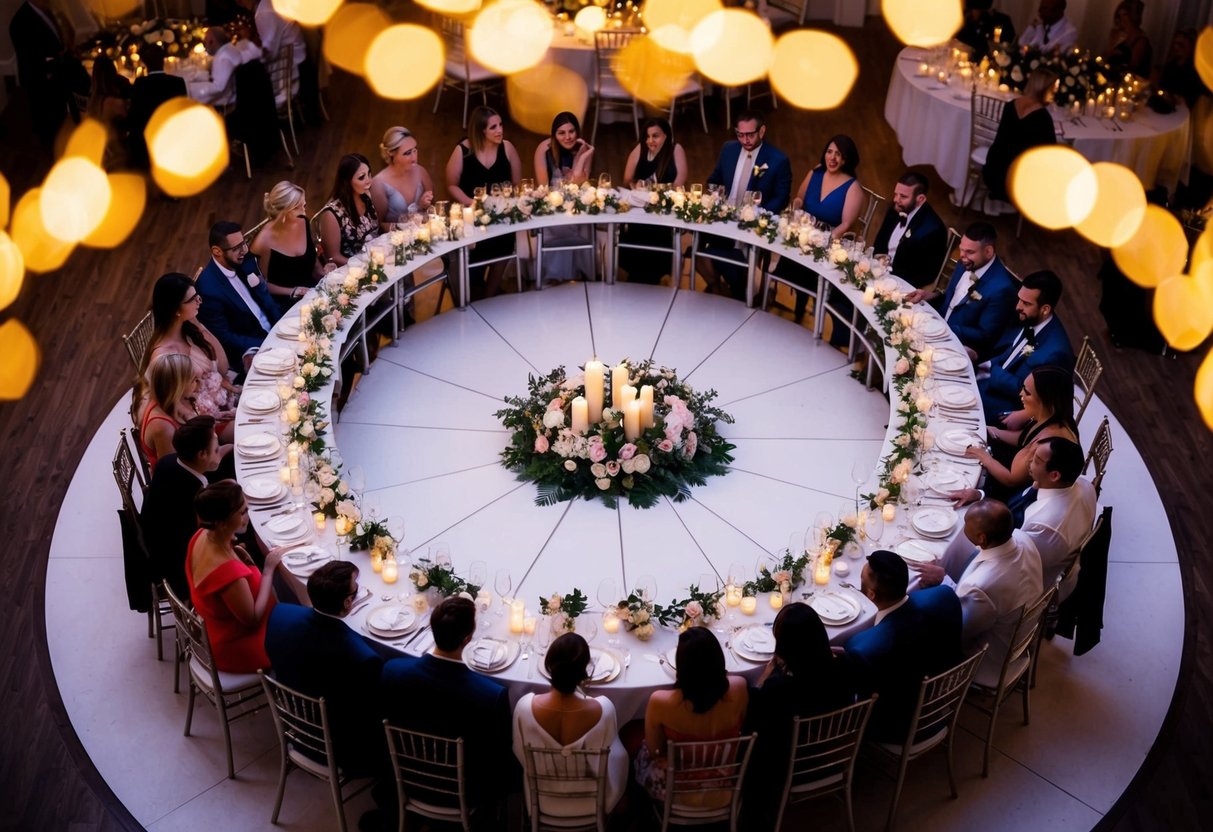
As you plan your wedding, think about each guest’s relationship with others. You might want to seat close friends together and keep family members in the same area. This way, your loved ones can connect and celebrate together, making your day even more special.
Using a seating chart is essential for keeping everything organized. It not only helps guests find their seats but also allows you to manage the flow of your reception efficiently.
With a little thought and care, you can make your wedding day a comfortable and enjoyable experience for everyone.
Understanding Seating Arrangements
Arranging guests at your wedding is important for creating a friendly atmosphere. The right table shapes and proper seating chart etiquette can make your reception flow smoothly.
Choosing the Right Table Shapes
Choosing the right table shape for your reception can enhance the experience for everyone. Common shapes include round, rectangular, and square tables.
-
Round Tables: These are great for conversation. They typically seat 6 to 10 guests. They allow everyone to see each other easily.
-
Rectangular Tables: These can fit more guests and work well for both formal and casual settings. You can create long rows or smaller squares.
-
Square Tables: These can be useful for intimate gatherings. They also enable easy conversation but may limit the number of guests.
Consider mixing table shapes for a unique look and flow. This variety can create interesting spaces while accommodating your guests comfortably.
Seating Chart Etiquette
Seating charts help guests find their places easily. A well-thought-out arrangement shows care for your loved ones. Here are some key points for effective seating chart etiquette:
-
Group Similar Guests: Seat friends or family members together to encourage lively conversations. Keep groups that enjoy each other’s company near one another.
-
Consider Relationships: Be aware of any tensions. Avoid seating ex-partners at the same table.
-
Head Table: Traditionally, the head table is for the wedding party. Make sure it’s centrally located to enhance visibility.
-
Clear Readability: Use a simple and large font on your seating chart. Listing guests alphabetically with their table numbers helps avoid confusion.
By following these guidelines, you can create a warm and welcoming environment for everyone at your wedding.
Creating the Ideal Seating Plan
Creating a thoughtful seating plan can help guests feel comfortable and enjoy your wedding day. Consider the dynamics of your guests and how to best group them to enhance their experience.
Organizing the Head Table
The head table is one of the most important parts of your seating plan. It’s where you and your partner will sit, so you want to choose the right people to join you.
You can either have a long table with your wedding party or a sweetheart table for just the two of you.
If you choose the sweetheart table, consider placing the wedding party at nearby tables for easy interaction.
Make sure to seat the parents of both you and your partner close by. This ensures that family feels included during the important moments of the day.
Placement of Family and VIP Guests
When arranging the seating for family and VIP guests, you want to ensure everyone feels special.
Start by listing out your family members and any VIP guests you want to prioritize.
Create family tables, grouping immediate family together. If space allows, consider having separate tables for extended family members. This structure helps to keep family dynamics positive.
Don’t forget to place elderly guests near the main action but in comfortable seating. This ensures they can enjoy the festivities without inconvenience.
Incorporating Singles and Kids’ Tables
When it comes to singles and kids, try to create a fun atmosphere.
For singles, a dedicated singles’ table can encourage new friendships. Place them near friends or relatives to help them feel comfortable.
For kids, consider a kids’ table with fun items to keep them entertained. Including coloring books or games can help make their experience enjoyable. If you have very young children, it may be a good idea to place their parents nearby for easy supervision.
Finalizing Your Seating Chart
Creating a thoughtful seating chart can make your wedding reception smoother and more enjoyable. You want to ensure that all guests feel comfortable and connected. Here are some key steps to help you through the finalization process.
Managing RSVPs and Guest Count
Start by collecting and tracking your RSVPs. This is essential for knowing how many guests will attend.
Send out invitations early and set a clear deadline for responses. You can use a spreadsheet to keep things organized.
Once you have the RSVPs, calculate your guest count. This number will guide how many tables you need. If a guest can’t make it, be ready to adjust the chart.
As you finalize the guest list, keep in mind family dynamics and friendships.
You want to seat people who get along. Use name cards or place cards at each table to help guide your guests to their spots. Clearly mark the table number to make finding their seat easy.
Utilizing Digital Seating Chart Tools
A digital seating chart tool can simplify the process. Many options let you create a seating chart online.
Tools like WeddingWire and Wedding Mapper are user-friendly and efficient. These platforms allow you to drag and drop guests into their assigned spots.
You can also manage special requests and meal preferences in one place. This helps to ensure that everyone is comfortable and happy.
Once you’ve created your chart digitally, share it with your wedding planner or venue coordinator. Make adjustments as needed, and print out copies to display at the entrance.