
How Do You Deal with Not Inviting Family to a Wedding? Tips for Navigating Sensitive Situations
Planning a wedding can be exciting, but it often comes with tough decisions, especially when it comes to your guest list. Many people face the challenge of not inviting certain family members due to past conflicts or complicated relationships.
To deal with this situation, you need to communicate your reasons clearly and respectfully while focusing on the joy of your special day.

Understanding how to approach the conversation can ease the stress. It’s crucial to be honest yet gentle, ensuring that your choice isn’t seen as a personal attack. Remember, your wedding day is about celebrating love in a way that feels right for you.
Navigating these conversations may not be easy, but doing so with kindness can help minimize hurt feelings. By prioritizing your happiness and the atmosphere you want to create, you’ll be taking a positive step in managing family dynamics.
Understanding the Dilemma
Not inviting family to your wedding can be a tough decision. You might feel pressure from family dynamics and relationships. It’s a delicate situation that can lead to hurt feelings.
When creating your wedding guest list, you need to think about each person. Some family members might be supportive, while others can be challenging. If you have a toxic family member, their presence might overshadow your special day.
It’s normal to worry about estranged family members. Ignoring their feelings can cause more drama. You might wonder if it’s worth the conflict.
To handle this, consider your priorities. Ask yourself if inviting certain family members will enhance or disrupt your wedding experience. Your happiness should come first in this joyous occasion.
If you choose not to invite someone, be prepared for potential backlash. Family members may express disappointment or anger. It’s best to approach these conversations calmly and clearly.
You can also think about alternatives. Planning a separate gathering for those not invited may help ease tensions. This way, you can still show that you value your other family connections.
Crafting the Guest List
Creating a guest list for your wedding is an important step that can influence your entire celebration. You will need to balance your vision, budget, and family dynamics while making these decisions.
Assessing Your Wedding Vision
Start by thinking about what you want for your special day. Consider the atmosphere you want to create and the size you envision. Do you imagine an intimate gathering or a large celebration? Determining your wedding vision helps to shape your guest list.
Next, list the people you absolutely want to invite. Focus on those who have played significant roles in your life. Remember that your wedding is about celebrating love and supportive relationships. Prioritize close family and friends to help create the right atmosphere.
Venue Constraints and Budget Considerations
Take your wedding venue into account. Each venue has a maximum capacity that can limit your guest list size. Be sure to communicate with your venue about these constraints before finalizing anyone on your list.
Also, think about your wedding budget. More guests often mean higher costs for food, drinks, and seating. Set a budget per guest so you can keep your wedding expenses in check. A limited guest list can help you allocate more resources to the people who matter most.
Setting Boundaries with Family
Setting boundaries can feel challenging, especially with family. It’s important to communicate your decisions clearly and kindly. Share your vision for the wedding and explain any constraints you are facing. Being honest can help prevent misunderstandings.
If certain family members cannot be included, you might face emotional reactions. Be prepared to listen, but stay firm in your decisions. Consider letting them know how much they matter to you in other ways, like inviting them to a future celebration.
Managing Family Relationships
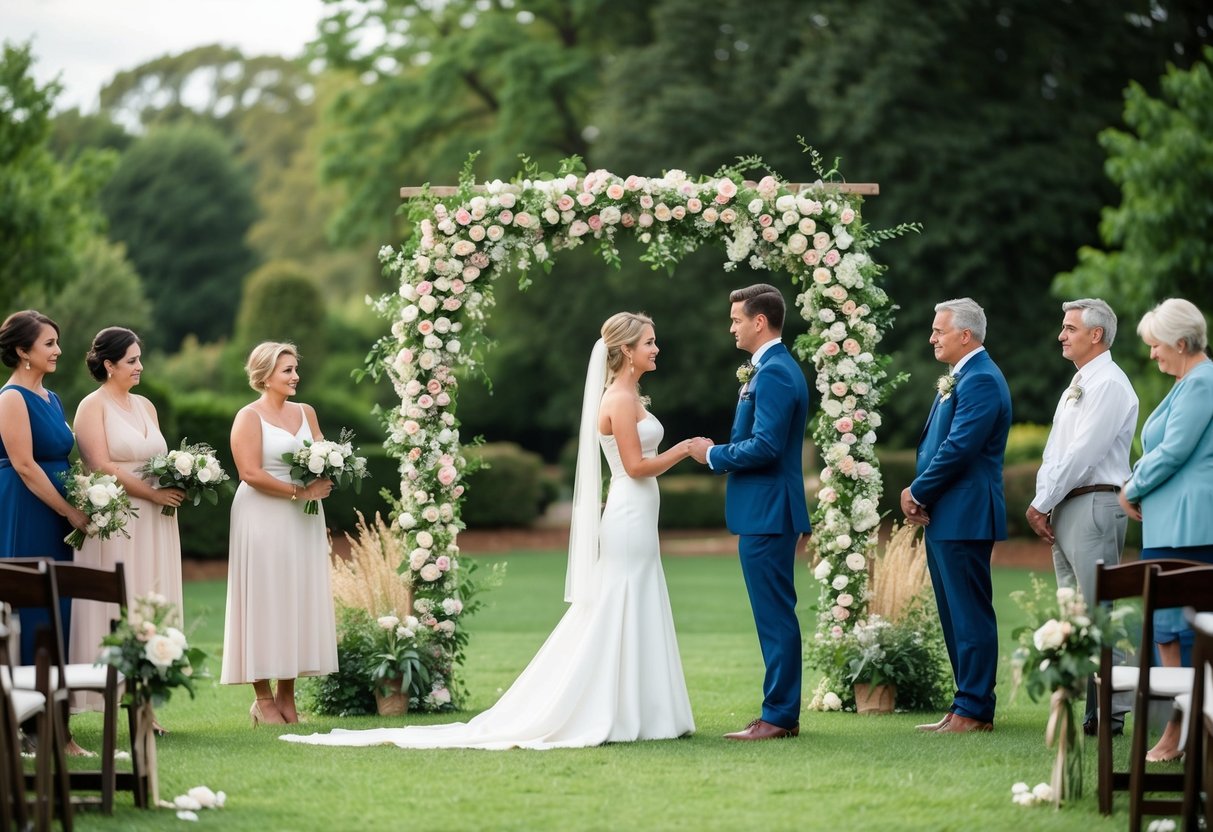
Navigating family relationships during wedding planning can be complex, especially when not inviting certain members. Effective communication and a focus on reconciliation can help maintain bonds even in challenging situations.
Communication Strategies
Open communication is key when dealing with family drama. It’s important to explain your decisions clearly. Consider using a calm tone to express your feelings and reasons for not inviting certain members.
Invite dialogue by asking for their thoughts. This can help them feel heard, even if they disagree. Try to avoid placing blame or getting defensive, as this can escalate tensions.
If you have estranged family members, reach out privately. A simple message can show you care. Remember, it’s okay to set boundaries about what you’re comfortable discussing.
Reconciliation and Forgiveness
Reconciliation is possible, even after difficult conversations. If a family member is hurt, acknowledge their feelings. Let them know you value your relationship. A heartfelt apology can ease tensions, even if it’s not directly related to the wedding.
Consider planning a separate gathering to include those not invited to the wedding. This gesture shows you still care about their presence in your life. It can be as simple as a lunch or coffee to reconnect.
Forgiveness is a two-way street. Be open to forgiving past grievances. Maintaining family ties often requires patience and understanding. Taking small steps can help rebuild trust and show a willingness to move forward together.
Alternative Celebrations
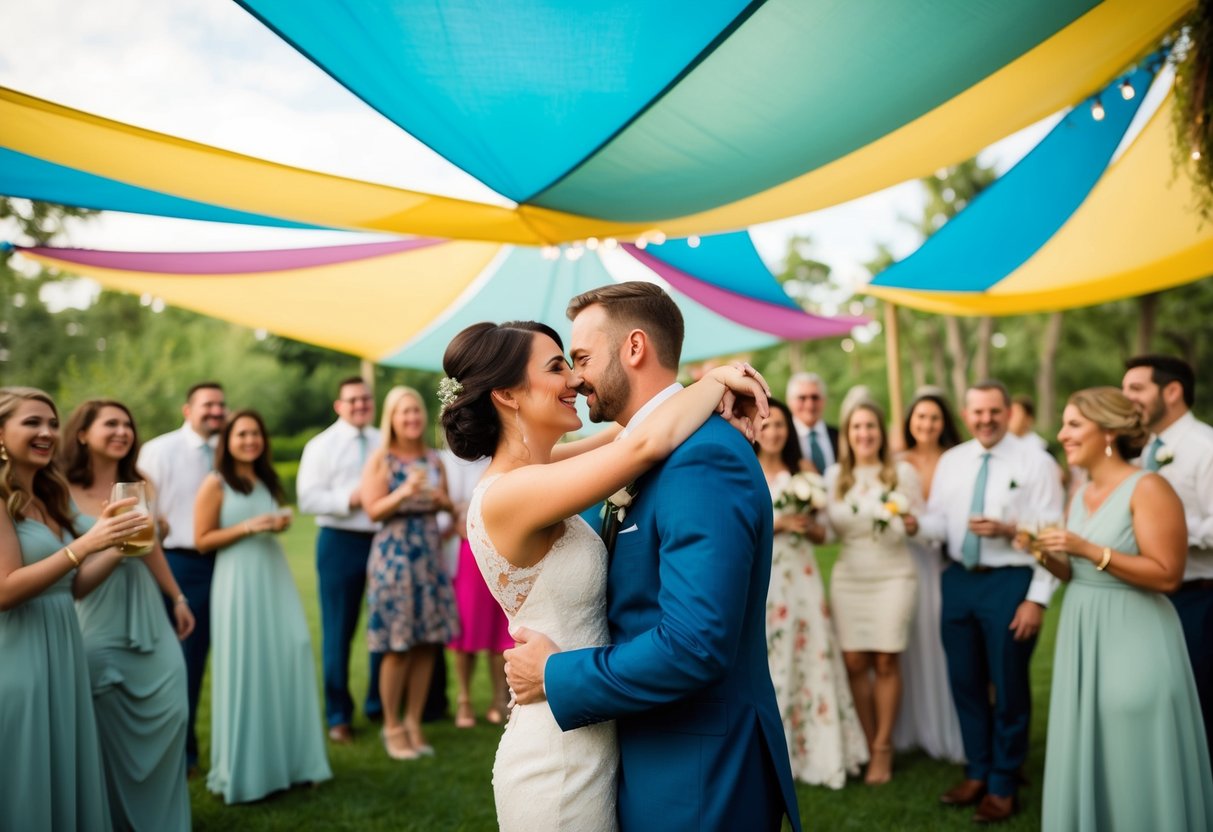
If you decide not to invite certain family members to your wedding, you can still find meaningful ways to celebrate your relationship with them. Here are some ideas:
-
Host a Post-Wedding Gathering: Plan a casual get-together after the wedding. This can be a nice way to share your joy with those who couldn’t attend. A dinner or brunch can create a relaxed atmosphere.
-
Dinner Date: Suggest a special dinner with the family member. This one-on-one time can help maintain your connection and show that you value them.
-
Share Wedding Photos: After your wedding, send a few photos to those family members. Personalizing them with a note can make them feel included in your special day.
-
Celebrate with a Toast: If you have close family at the wedding, consider making a toast to those who aren’t there. This acknowledges their importance in your life.
-
Create a Keepsake: Consider making a small keepsake, like a photo album or a framed picture, and give it to them. It can be a thoughtful gift that reinforces your bond.