
How Do You Estimate How Many People Will Come to Your Wedding? Simple Tips for Accurate Planning
Estimating how many people will attend your wedding can feel like a tricky task, especially if you have a mix of local guests and out-of-town friends and family. A useful starting point is to expect about 75-85% of those invited to show up, depending on the type of wedding you’re planning. If it’s a destination wedding, this might change, as travel and accommodation can affect attendance.
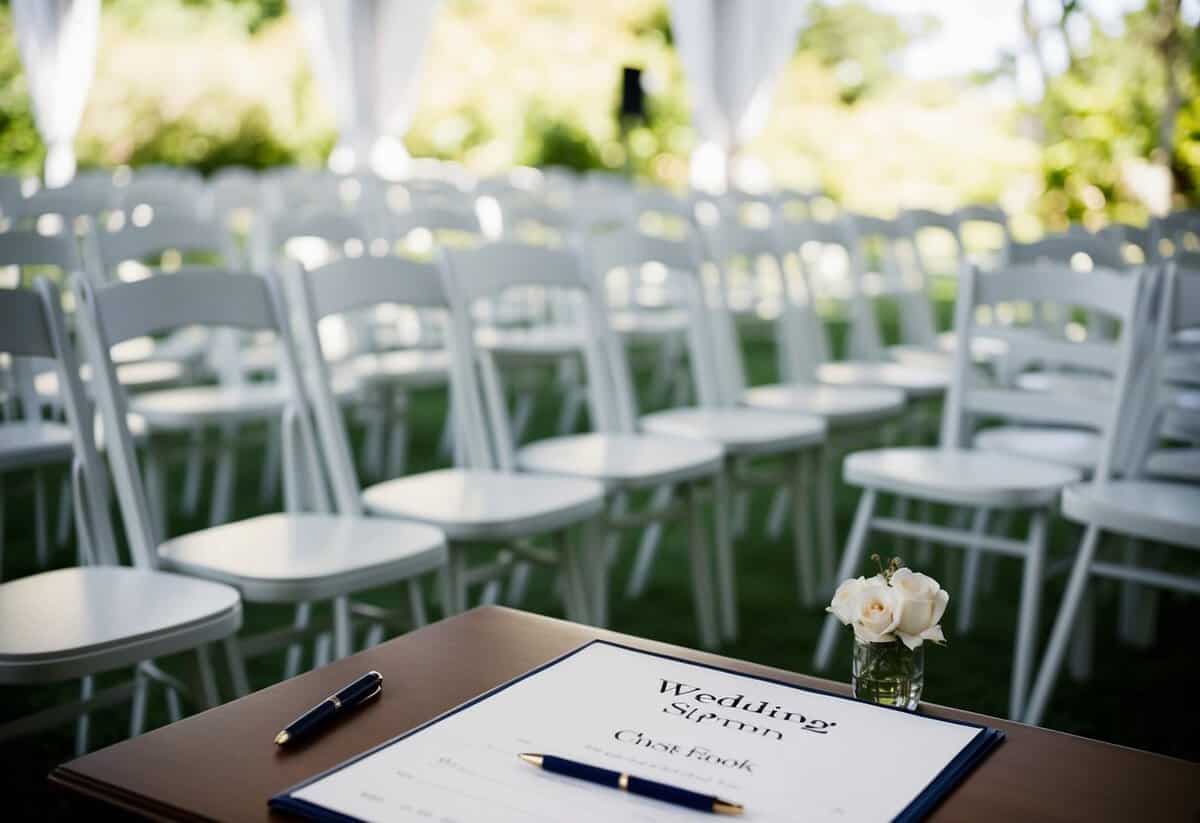
As you create your wedding guest list, consider your relationships with each person. Local guests are more likely to attend, while out-of-town guests may have added factors to consider, such as travel costs and time.
By planning for around 85% of local invites and about 55% of out-of-town invites, you can get a better estimate of your potential attendance.
Taking these tips into account can help ease some of the stress in your wedding planning. Make sure to send out save-the-dates well in advance to give everyone time to prepare. This can significantly increase the number of people who can attend on your special day.
Understanding Your Guest List
Creating a wedding guest list can feel overwhelming. You need to think about who to invite and how many people will actually show up. Here are key factors to help you make sense of your guest list.
Creating Your A-List and B-List
Start by making two lists: an A-list and a B-list. The A-list includes your closest friends and family. These are the people you definitely want at your wedding.
Next, create a B-list. This includes people you’d like to invite but aren’t as essential. If your A-list overlaps a lot with your wedding party, consider how this impacts your total guest count.
It’s a good idea to invite your A-list first. If you get fewer RSVPs than expected, you can move on to inviting B-list guests.
Considering Local Vs. Out-of-Town Guests
When estimating attendance, take into account where your guests live. Local guests are more likely to attend. Typically, about 85% of local guests might show up, while only around 55% of out-of-town guests may confirm.
Knowing this can help you gauge how many people from each group you need to invite. This also helps manage expectations regarding your overall guest list size. Estimate the number of expected attendees to align with your budget.
Accounting for Plus-Ones and Family Members
Don’t forget to factor in plus-ones. If your friends are coming with a partner, this can increase your guest count quickly. Many couples allow guests in committed relationships to bring a date, which can bump up numbers significantly.
Additionally, think about family dynamics. How many family members should you invite? This can also influence total headcount expectations. Always check with immediate family to understand who should be included in your final count.
Estimating the RSVP Rate
Estimating how many guests will attend your wedding is essential for planning. Understanding attendance rates and using effective tools can help you make an accurate guest count. Here are important areas to consider.
Analyzing Past Attendance Rates
Look at past family events to gauge how many people typically attend. If 80% of your family came to a previous wedding, use this as a baseline.
Consider the size of your guest list too. In general, larger weddings may see a lower percentage of attendance due to distance or other commitments.
Keep in mind that attendance can vary based on the time of year and day of the week. People might find it easier to attend on weekends or during holidays.
Use this historical data to adjust your guest estimate based on your wedding’s unique situation.
Impact of Wedding Size on RSVPs
The size of your wedding can significantly affect the RSVP rate. For small weddings, you might see a higher attendance rate since the guest list usually consists of close friends and family. Invitees feel more personal connections and commitment.
On the other hand, larger weddings may deliver lower attendance percentages as some guests may feel less obligated to attend.
Create a plan that accounts for the size of your wedding. You may want to adjust your expectations based on how many guests are likely to say “yes” to your big day.
Utilizing RSVP Cards and Online Tools
RSVP cards are a traditional method and can be effective in measuring guest interest. Including a reply date encourages guests to respond on time. Make sure to provide options for positive or negative answers.
Online tools can also simplify this process. Many websites offer RSVP systems that automatically track responses. This can save you time and make the task of guest counting easier. Consider these modern tools alongside RSVP cards for the most accurate guest estimate.
Setting Your Budget and Venue
Your wedding budget and venue choice play a big role in how many guests you can invite. Knowing these details will help you avoid surprises and make the right decisions.
Calculating Costs Based on Guest Estimates
Start by figuring out your budget. The average wedding cost in the U.S. can reach around $28,000.
It’s essential to allocate parts of your budget to different areas. Common expenses include:
- Venue rental
- Catering
- Decorations
- Entertainment
Once you estimate how many guests will attend, you can calculate costs. For example, if you invite 100 guests and your catering costs $50 per person, that alone will be $5,000.
Always keep a buffer for any unexpected expenses, as weddings can be unpredictable.
Choosing a Venue to Accommodate Your Guests
When selecting a venue, make sure it can comfortably hold your guest count.
Consider both indoor and outdoor options. Look for venues that:
- List their capacity clearly
- Offer flexible seating arrangements
- Provide amenities like restrooms and parking
A good choice balances ambiance with functionality. If you plan to have a wedding reception at the same location, it’s practical to have space for both the ceremony and the celebration. Be sure to ask about any additional fees for larger groups as well.
Determining Catering Needs
Catering can greatly affect your wedding budget. You should decide if you want a seated dinner, buffet, or appetizers. Each choice comes with different costs. Plan your catering needs carefully for every guest.
- Make a guest list to estimate numbers.
- Check if the caterer offers packages or individual pricing.
- Don’t forget dietary restrictions!
How you feed your guests can create a lasting impression. Choose a caterer who shares your vision and can accommodate your guest count comfortably.