
How Do You Handle a B List Wedding? Tips for a Joyful Celebration
Handling a B-list wedding guest list can be a tricky situation. The best approach is to create a plan that respects everyone’s feelings while ensuring your celebration feels intimate and special. Start by prioritizing your A-list — your closest friends and family — and then create a separate list for those you’d like to invite if space allows.
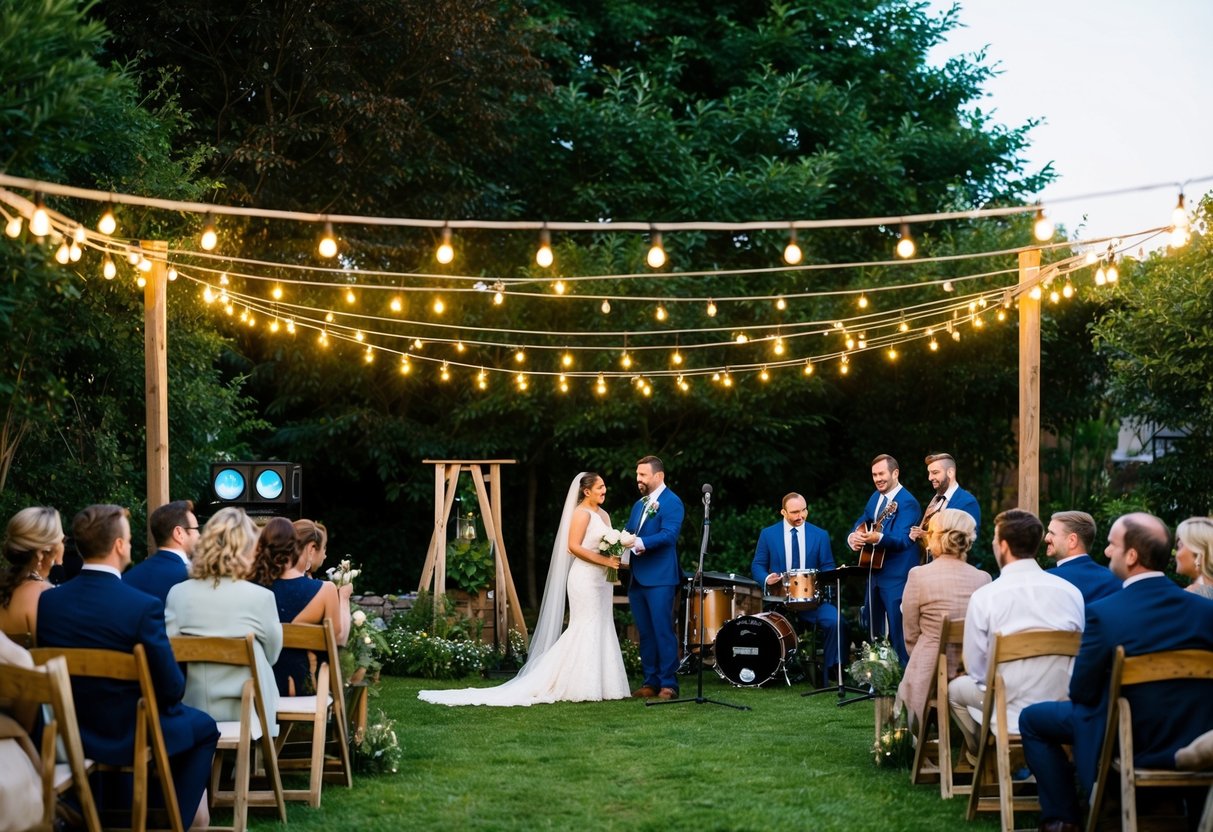
When you send out your initial invitations, make sure to keep your B-list discreet. You don’t want anyone to feel like they are on the “second tier.” Instead, wait for responses from your A-list guests. If you receive declines, you can gracefully extend invites to your B-list guests without stirring up any drama.
With thoughtful planning, you can navigate this process smoothly. Keeping groups of friends connected and being clear with your invitation timing will also help maintain harmony. Engaging with your guests positively will ensure everyone feels valued, no matter what list they are on.
Planning Your Wedding Guest List
Creating your wedding guest list can feel overwhelming. It’s important to separate your guests into A-list and B-list categories. This helps you prioritize who you really want to be there on your special day while still allowing for the possibility of inviting others.
Determining A-List and B-List
Start by identifying your A-list. This group usually consists of immediate family and your closest friends. Think about those who have supported you through thick and thin.
Next, create your B-list. These are guests who are important but not as close. Keep in mind your social groups. If you invite one co-worker, consider inviting others from your workplace to keep the relationships intact.
It can help to write down names and sort them into these categories. You can also organize them by importance. This way, if space opens up, you can easily reach out to B-list guests without much hassle.
Setting RSVP Deadlines and Dates
RSVP deadlines are key in managing your guest list. Set a date for when you need responses. Ideally, this should be a few weeks before your wedding date. This gives you time to confirm numbers with the venue.
Include RSVP cards with your invitations for a simple way to gather responses. Make it clear when you’d like to hear back from guests.
This structure is very helpful, as it helps to minimize any last-minute stress. You’ll have a clearer picture of who can attend and who should be notified if space allows for more guests.
Crafting B-List Invitations
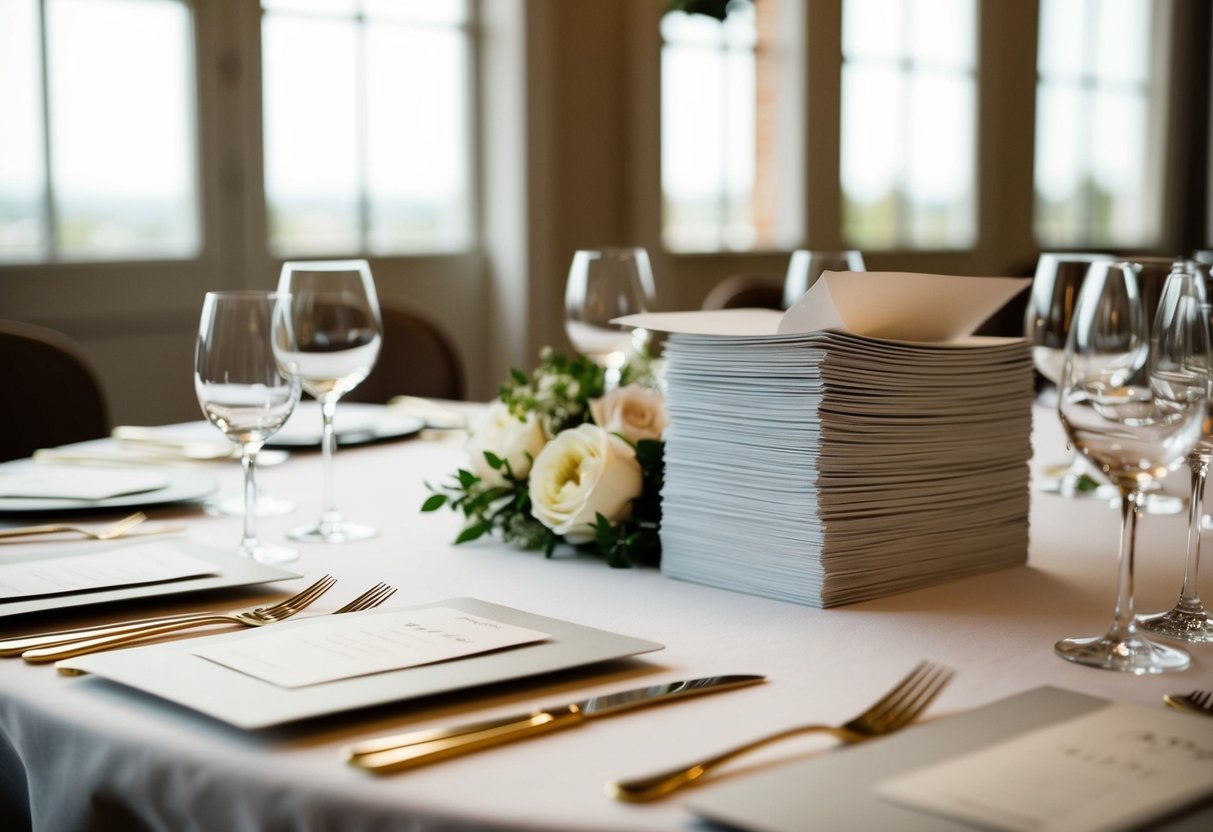
Sending B-list invitations requires careful planning to ensure that guests feel appreciated and respected. Timing and clarity are key elements to keep in mind.
When to Send B-List Invitations
Aim to send your B-list invitations six to eight weeks before your wedding date. This timing gives guests enough notice to make arrangements while staying within your overall wedding timeline.
Remember to send your A-list invitations first, ideally 10 to 12 weeks in advance. By sending the B-list invites closer to the event, you can better gauge your venue capacity and respond to any potential openings.
If applicable, include a link to your wedding website so guests can find details about the event. This is particularly helpful if you have provided a save the date or if there’s more information they need.
Managing RSVPs and Venue Capacity
When crafting your B-list invitations, pay attention to how you manage RSVPs. Set an RSVP date that is 3-4 weeks before the wedding. This helps you keep track of who can attend and adjust your plans accordingly.
Keep your venue capacity in mind throughout this process. After sending your B-list invites, you will want to promptly follow up on RSVPs. This can easily be done through your wedding website or personal calls.
By doing this, you can ensure that you have a clear picture of how many people will be at your wedding. This way, you can adjust seating and catering arrangements without any last-minute chaos.
Handling the RSVP Process
Managing RSVPs is a crucial part of your wedding planning. It helps you know who can attend and keeps things organized, especially for your A-list and B-list guests. Here’s how to design your RSVP cards and follow up effectively.
Designing RSVP Cards
When creating your RSVP cards, make them clear and easy to understand. Include a space for guests to write their names and options for attending. Consider these elements:
- Response Options: Use simple phrases like “Will Attend” and “Cannot Attend.” This makes it clear what you’re asking.
- Deadline: Add an RSVP deadline, typically three to four weeks before the wedding. This gives you time to plan for your B-list guests if needed.
- Contact Method: Include a way for guests to respond, like a phone number or email, so they can easily RSVP.
Think about your design, too. A matching theme will tie in with your wedding budget and style. This ensures your RSVP cards look professional and inviting.
Following Up With Guests
Not everyone will respond right away, so it’s smart to follow up. Start by keeping track of who has responded.
- Timing: About a week after the RSVP deadline, reach out to guests who haven’t replied. A friendly reminder can work wonders.
- Methods: You can follow up via text, phone, or even social media. Keep it light and welcoming.
If you find out some A-list guests can’t attend, be ready to invite B-list guests promptly. This will help you ensure the right number of wedding guests are accounted for.
Staying organized and friendly with your guests will keep the RSVP process smooth and enjoyable for everyone!
Navigating Social Dynamics

Dealing with a B-list wedding can be tricky. You want to invite the right people while minimizing any hurt feelings. Clear communication is key to maintaining relationships and ensuring everyone feels valued.
Mitigating Hurt Feelings
People on a B-list wedding guest list may feel less important, which can lead to hurt feelings. To address this, be discreet about the B-list itself.
Use these tips:
- Keep it Private: Never mention the B-list to your guests. Avoid phrases that imply a hierarchy.
- Send Invitations Thoughtfully: Aim to invite B-list guests only when you know there’s space. This can help them avoid feeling like a backup choice.
You can also personalize each invitation. A handwritten note can show that you care and appreciate their presence, easing any concerns about their status on the guest list.
Communicating With Guests
Communication is essential. Let your guests know they are valued and wanted at your wedding, regardless of their list status.
Consider the following:
- Be Honest if Asked: If someone questions their invitation, kindly explain the circumstances. Share your excitement to celebrate with them.
- Use Social Media Wisely: Be mindful of what you post. Avoid sharing too much about your guest list, which can lead to speculation.
Finally, celebrate all your guests during the wedding. Ensure each person feels included in festivities. This will make them feel special and valued on your big day.