
How Do You Inform People About Your Wedding? Simple Tips for Sharing Your Big News
Sharing your big news about your upcoming nuptials is an exciting step! Consider sending a clear and friendly marriage announcement to your closest family and friends first. Whether it’s a formal invitation or a casual message, being direct helps everyone understand your plans.
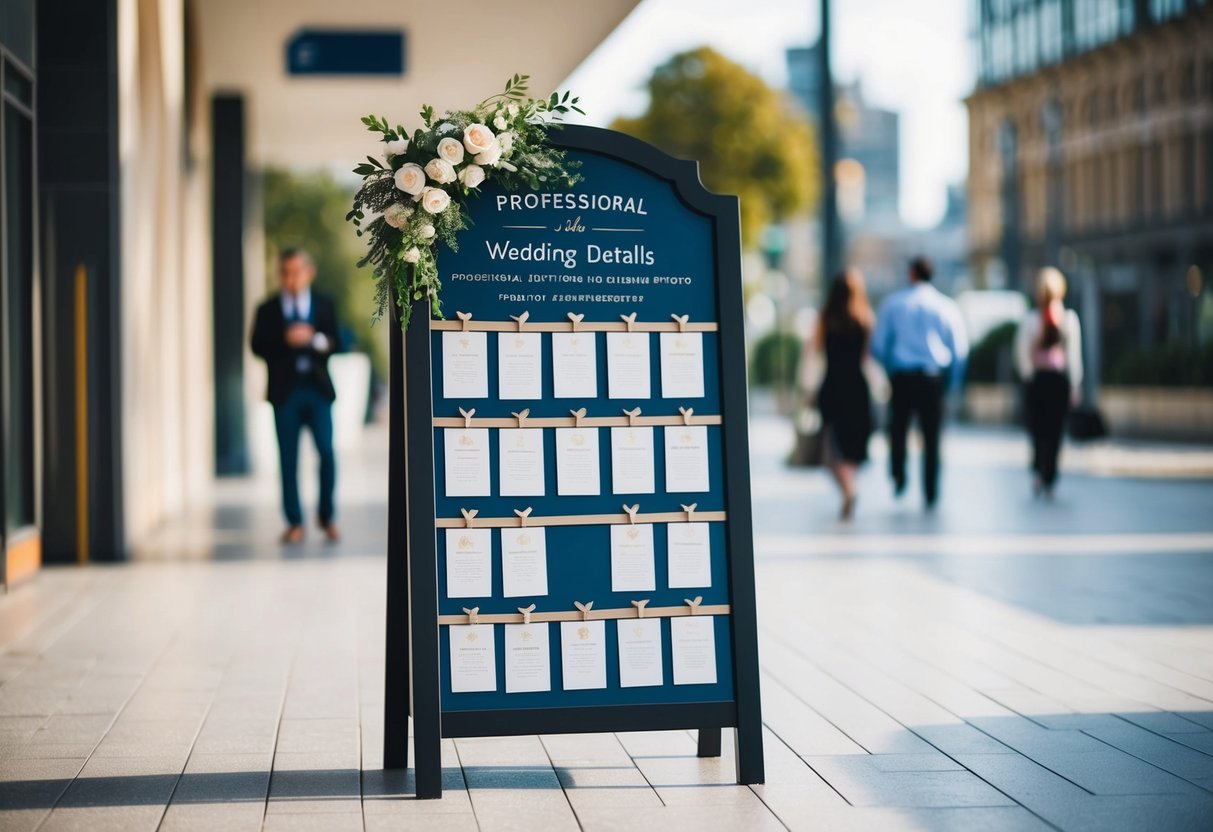
You may want to host a small gathering to share the news in person, especially with those who are important to you. Personal touches can make your announcements feel special. For those who can’t make it, a heartfelt message can still keep them in the loop. Emphasizing the joy of your future together will help set a positive tone.
It’s normal to feel a mix of excitement and nervousness when spreading the word. By choosing the right method and message, you’ll make sure everyone you care about feels included in your wedding journey.
Crafting Your Wedding Announcement
Creating a wedding announcement is an exciting way to share your big news with friends and family. You can express your love and plans through carefully chosen wording and style. Personal touches make it even more special, especially for those who may not attend your wedding.
Deciding the Wording
Choosing the right wording is crucial. You want to communicate the important details clearly. Start with your names and the wedding date. Formal announcements often include phrases like “Mr. and Mrs.,” while casual ones might simply state your names.
Consider using sentences such as, “We are thrilled to announce our wedding on [date] at [venue].” If you are inviting uninvited guests to celebrate from afar, you might say, “Though we cannot invite everyone to join us, we want to share this special moment.”
For different tones, here are some examples:
- Formal: “Together with their families, [Your Name] and [Partner’s Name] request the honor of your presence at their wedding.”
- Casual: “We’re getting hitched! Join us in celebrating on [date].”
Choosing a Style
The style of your wedding announcement reflects your personalities. Decide if you want it to be formal, casual, or something unique. For a formal look, opt for classic fonts and elegant layouts. If you prefer casual, playful fonts can add a fun touch.
Don’t forget the color scheme. Choose colors that match your wedding theme for consistency. Adding a photo of the couple can make the announcement feel more personal. Think about including memorable quotes or lines from songs that are meaningful to you both.
Incorporating Personal Touches
Adding personal touches makes your announcement truly yours. Consider including your love story or how you got engaged. This could be a short paragraph that adds warmth and depth to your announcement.
You might also want to add a fun element. Include quirky details, like where you first met or your favorite thing about each other. These elements help friends and family feel closer to your journey.
A creative touch could be designing an announcement that fits your style. Use graphics or illustrations that reflect your hobbies as a couple. This way, your announcement stands out and represents who you both are.
Announcement for Uninvited Guests
When announcing your wedding to guests who will not attend, be sensitive yet clear. It’s important to let them know you value their friendship. Acknowledge that you wish you could include everyone, but the wedding size might be limited.
Consider using wording like, “Though we cannot include everyone in our special day, your support means the world to us.” This shows you care and want them to feel part of the celebration even if they can’t attend.
Providing details about ways they can celebrate with you, such as a virtual gathering or a party later, can help keep them connected.
Announcing Across Different Mediums
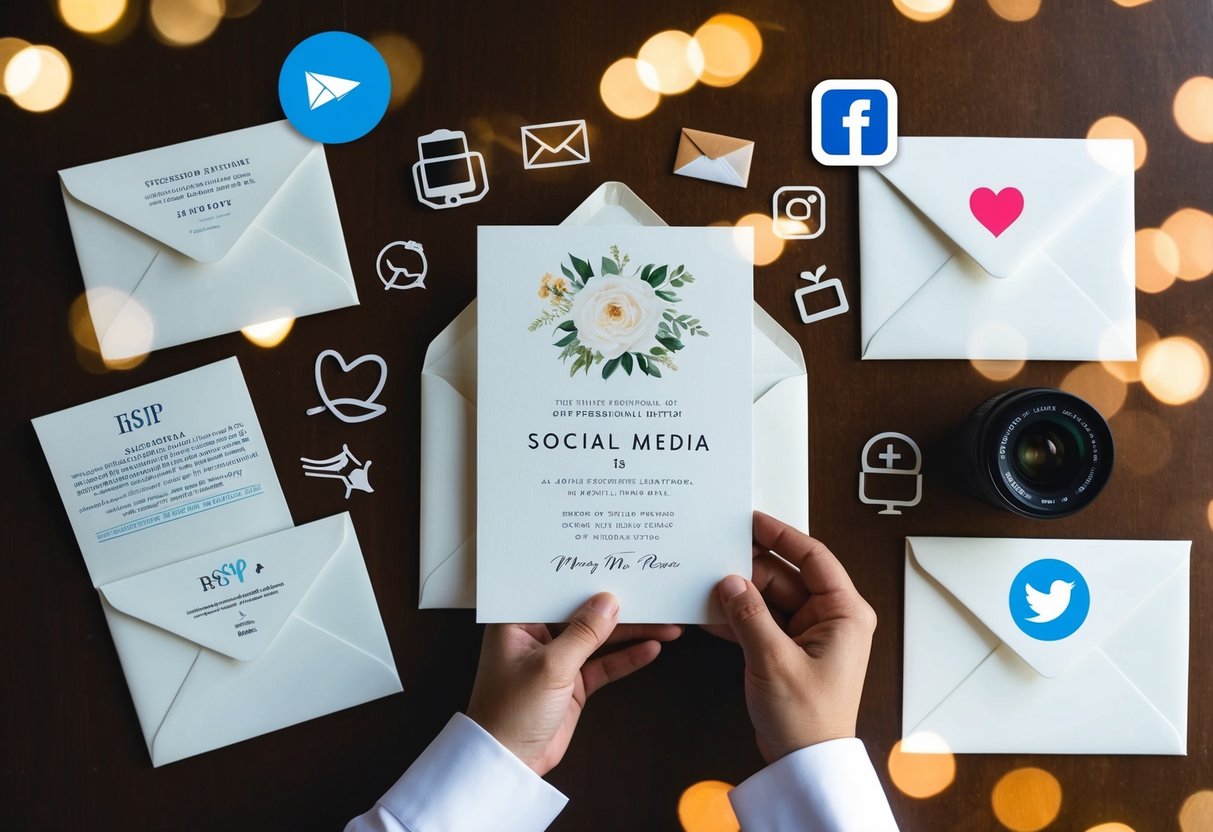
You have several options for letting people know about your wedding. Choosing the right medium can help you share your excitement with friends and family effectively, whether through traditional methods, digital platforms, or a dedicated wedding website.
Traditional Methods
One of the most classic ways to announce your wedding is through traditional mail. Start with save-the-date cards. These go out well in advance of your wedding date to ensure guests can mark their calendars.
Next, follow up with wedding invitations. These are usually sent 6-8 weeks before the wedding. Wedding stationery adds a personal touch and reflects your wedding theme. You may also want to include a small insert with details about the venue or dress code.
For a unique twist, consider newspaper wedding announcements. This method can reach a broader audience and adds a nostalgic feel. You can also create wedding announcement cards to send after the wedding, especially if you elope. These let friends and family celebrate your new journey with you.
Digital Platforms
Digital platforms are another excellent way to announce your wedding. Social media allows for a more casual yet impactful announcement. Create a special post to share your joy with pictures and wedding details.
You can also utilize email for more personal communication. Send a fun, colorful email with the essential information. It’s easy for guests to read and will likely be seen promptly.
Don’t forget about group messaging apps to inform smaller circles of friends or family. This will allow for personalized messages and quick responses. Using digital methods ensures that you can share your big news instantly and keep everyone informed.
Through a Wedding Website
A wedding website is a fantastic tool for modern couples. You can create a dedicated space for all things wedding-related. Include your story, photos, and essential information like the date, location, and registry links.
Make sure to add sections for RSVPs and accommodations. This helps guests plan their trips and ensures you have accurate counts.
Your website can also serve as a hub for sharing updates. If changes arise, it’s easy to communicate them through your site. A wedding website can make planning easier for you and your guests, providing a central place for information.
Timing and Etiquette

Understanding when and how to inform people about your wedding is important for a smooth celebration. You want to consider the type of wedding you’re having, whether it’s a formal event or a casual elopement. This will help you navigate timing and etiquette effectively.
When to Announce
Timing is crucial when announcing your wedding. For traditional weddings, you should send out save-the-dates about 6 to 8 months in advance. This gives your guests time to plan, especially for destination weddings.
If it’s a small wedding or elopement, you may feel comfortable sending details a bit closer to the date, but aim for at least 4 to 6 weeks ahead. This ensures even those with busy schedules can adjust their plans. For informal gatherings, a simple message via text or social media can suffice.
Etiquette for Different Wedding Types
Each type of wedding comes with its own etiquette. For formal weddings, consider sending a traditional wedding announcement with a beautifully designed invitation. This sets the tone and informs guests about dress codes and events.
In contrast, for small weddings and elopements, keep announcements straightforward. You can opt for casual invites, perhaps even a group text or email. Make sure to indicate if guests are uninvited, as this could be a concern for tighter-knit gatherings. Respecting others’ feelings is what good wedding etiquette is all about.
Addressing Budget and Size Constraints
When planning your wedding, keep your budget and guest list in mind. A smaller wedding allows for more intimate settings and unique experiences. You could treat your close friends to a special dinner, which is both personal and budget-friendly.
For destination weddings, be transparent about expenses to keep everyone on the same page. Provide helpful information about travel and accommodations, as this can ease the burden for your guests. Making it clear about who is invited is crucial, especially with a small guest list. This way, everyone feels valued, and no one is left guessing if they’re included.
Follow-Up After the Announcement

Once you’ve shared your wedding announcement, it’s important to connect with your loved ones and manage their responses. This phase involves acknowledging the messages you receive and clarifying any expectations your guests may have regarding the event.
Acknowledging Responses
When people find out about your wedding, they will likely reach out with excitement and congratulations. Make it a point to respond to these messages promptly. A simple “thank you” goes a long way in showing your appreciation.
You can also personalize your replies. If someone asks about the wedding location or details, take a moment to share specifics. You could say something like, “We’re so excited to have our wedding at the beautiful Beachside Resort!”
Consider using social media to express gratitude as well. A heartfelt post can help you reach many people at once. Don’t forget to include any relevant details about your elopement announcement if you chose a more intimate celebration.
Managing Expectations
Once the initial excitement settles, clarify what your guests can expect. If you plan an intimate elopement, let them know where and when the celebrations will take place. Be sure to mention any post-wedding gatherings you might host.
Make it clear if your wedding will be a private affair or if others can join in certain parts. This helps your loved ones understand their role. For example, you might invite close friends to a casual dinner after the ceremony but keep the ceremony itself private.
Setting clear expectations prevents misunderstandings and keeps everyone in the loop.