
How Do You Invite an Officiant to a Wedding? Tips for a Warm and Personal Request
Inviting your wedding officiant is an important step as you plan your special day. It’s a nice gesture to extend an invitation to show appreciation for their role in your ceremony.
To invite an officiant, simply send them a formal invitation to the reception, just like any other guest.
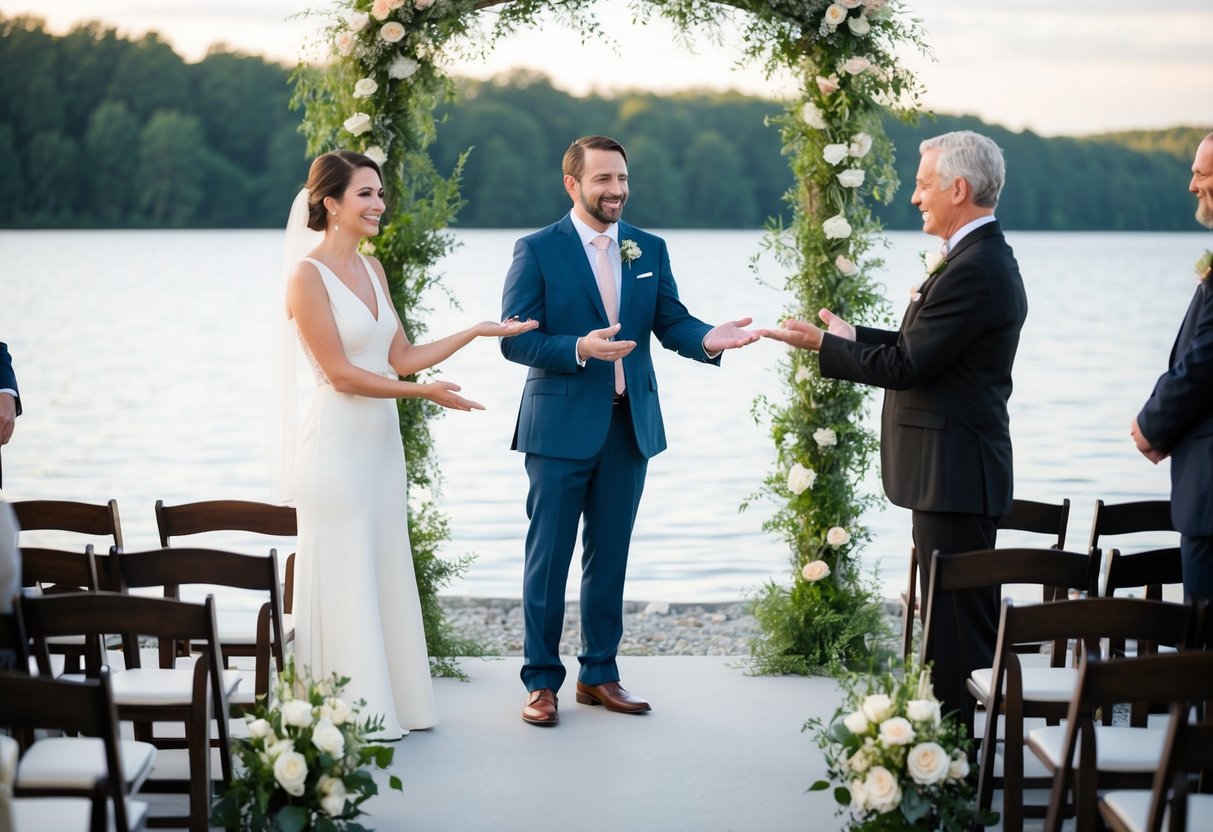
If your officiant is married or has a partner, it’s thoughtful to include them as well. This small act can help create a warm and inclusive atmosphere on your wedding day.
It’s also a chance for them to celebrate with you and your loved ones after the ceremony.
By inviting your officiant, you acknowledge their significance in making your special day memorable. This can also strengthen your relationship with them, which is beneficial as you finalize the details of the ceremony.
Choosing Your Wedding Officiant
Finding the right officiant is an important step in your wedding planning. You want someone who connects with you personally while understanding the officiating process.
Deciding between a hired officiant or someone unofficial can shape your ceremony’s tone and experience.
Considering a Personal Connection
When choosing an officiant, consider someone you have a personal connection with. This could be a friend, family member, or someone who understands you as a couple.
An officiant’s familiarity with your relationship can add warmth and meaning to your ceremony.
Crafting the Invitation
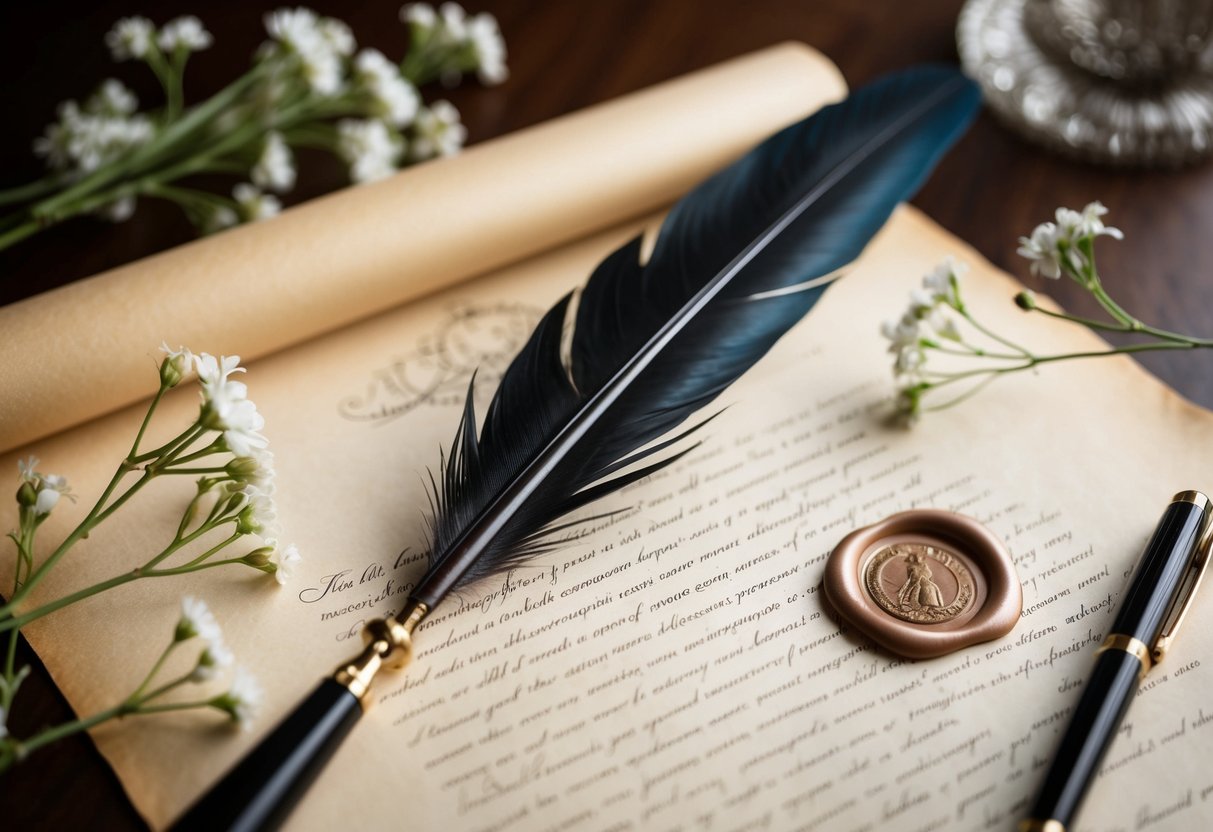
Inviting your officiant to your wedding should be done thoughtfully. You can choose between formal and informal invitations, get creative with your approach, and consider inviting them to other wedding events.
Formal vs. Informal Invitations
If you opt for a formal invitation, make sure to send a beautifully designed card. You can find many templates online or create your own personalized artwork.
This card should clearly state the details of your wedding, including the date, time, and location.
For informal invitations, you might simply send an email or a text. This can work well especially if your officiant is a friend or family member. Just remember to include all the important information, so they don’t miss out.
Key points: Formal invites add elegance while informal ones offer ease. Choose what feels best for your relationship with your officiant.
Creative Ways to Invite
Get inventive with how you invite your officiant. Consider including a fun twist, like asking the question with a cake that has “Will you officiate our wedding?” written on it. This unique approach can make the invitation memorable.
Another idea is to create a small video asking them to officiate. Share your excitement and tell them why they’re special. This adds a personal touch that shows how much you value their participation.
Tip: Feel free to incorporate your wedding theme into your creative ideas. This can add an extra layer of charm.
Inviting the Officiant to Wedding Events
Think about inviting your officiant to other wedding events, like the rehearsal dinner or the wedding reception. This acknowledges their role beyond just the ceremony.
It’s a warm gesture that expresses appreciation.
When sending these invitations, make sure they know they are welcome to both. You can include such details on your main invitation or send separate cards specifically for these events.
Expressing Appreciation and Gratitude
Showing appreciation to your wedding officiant is essential. It helps recognize their role in making your special day memorable. Thoughtful gestures and sincere thank yous go a long way in expressing gratitude.
The Art of Saying Thank You
A heartfelt thank you can mean a lot. Consider writing a personalized note to your officiant. Share how their words touched you and made your ceremony special.
You might say something like, “Your guidance made our wedding day perfect.” This personal touch highlights your gratitude and strengthens your connection.
In addition to a written message, express thanks verbally. A simple phone call or in-person thank you after the ceremony can create a lasting impression.
Such gestures can reflect a genuine appreciation for their time and effort. It fosters a sense of friendship that extends beyond the wedding day.
Thoughtful Gestures and Officiant Gifts
Gifts can further express your gratitude. A thoughtful officiant gift can symbolize your appreciation.
Consider items like a personalized frame for their certificate or a gift card to their favorite restaurant.
You could also think about inviting them to the reception. This allows them to celebrate your special day alongside you. It’s an excellent way to honor their role.
A small token like a handmade craft or a local specialty can add a personal touch.
These gestures can help create a bond of friendship and show that you value their contribution.
Choose gifts and gestures that resonate with their personality for a more meaningful approach.
Finalizing Wedding Ceremony Details
After selecting your officiant and inviting them to your wedding, it’s important to nail down the finer points of the ceremony. This includes preparing for the rehearsal, ensuring you have the correct marriage license, and making sure seating arrangements and timelines are clear.
Preparation for the Rehearsal
Organizing a rehearsal helps everyone know their roles. It’s a good idea to schedule this about a week before the wedding. Make sure your officiant can attend.
Create a list of everyone involved in the ceremony. This often includes the couple, parents, bridal party, and any readers or musicians.
Share this list with your officiant so they can guide you through the ceremony details.
Plan how the rehearsal will flow. You can set up a simple checklist:
- Walk in order
- Practice vows
- Go through readings
Don’t forget to allow time for questions. This helps clarify any concerns the participants may have.
The Marriage License and Legalities
Before your wedding, you must obtain a marriage license. This document is vital for your marriage to be legal.
The requirements for a marriage license can vary by location, so check your local laws.
Typically, both partners need to be present when applying. You may need to bring identification and possibly pay a fee. Make sure to also ask about any waiting periods.
Once you have the license, be sure it’s signed by your officiant after the ceremony. This is crucial for the legal validity of your marriage.
Finalizing Seating Arrangements and Timelines
Seating arrangements ensure your guests feel comfortable and welcomed. To start, gather your guest list and decide on a layout that suits your venue.
Consider the following for your seating chart:
- Group family together
- Seat friends near each other
- Make room for special needs guests
Create a timeline for the ceremony events too. This includes when guests should arrive, when the officiant arrives, and when the ceremony starts.
Share this timeline with your officiant and vendors.
Timely communication is key to making sure everyone knows what to expect. This helps the ceremony flow smoothly and fills the day with joy.