
How Do You Make a Homemade Backdrop Stand? A Simple Guide for Creatives
Creating a homemade backdrop stand can elevate your photography game without breaking the bank. You can easily make a sturdy and adjustable backdrop frame using basic materials like PVC pipes or wooden sticks. This simple DIY project is perfect for photo shoots, whether you’re capturing special moments at home or crafting a personal home studio.
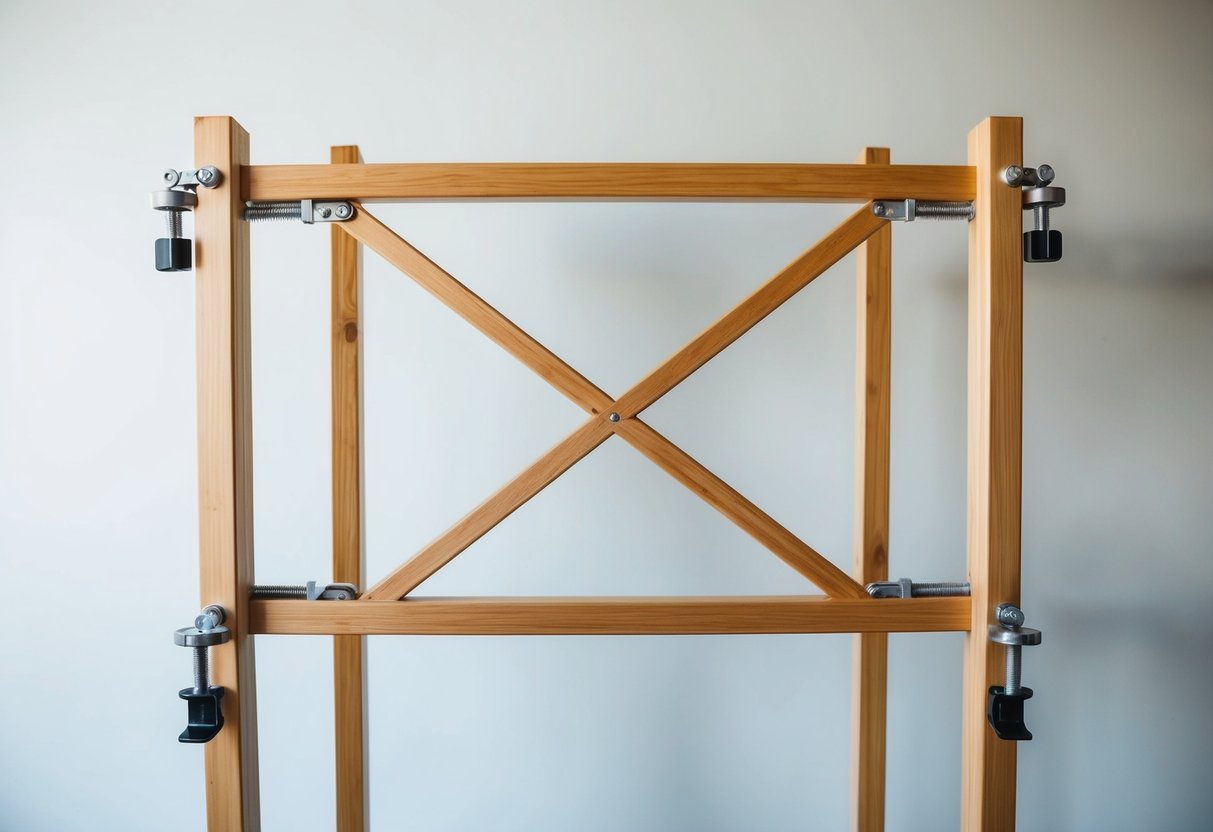
Imagine having the freedom to design a backdrop that fits your style, from vibrant fabrics to chic solid colors. With a little creativity and effort, you can construct a backdrop stand that meets your needs and adds a professional touch to your photos.
Whether you’re a beginner photographer or an experienced one, making your own DIY backdrop stand not only saves you money but also allows you to customize your setup for any occasion.
Let’s explore the materials and steps needed to create the perfect backdrop for your next shooting session!
Materials and Tools Needed
Creating a homemade backdrop stand requires specific materials and tools to ensure it is sturdy and functional. Proper selection of PVC pipes, supplemental materials, and the right tools will make your project easier and more successful.
Choosing the Right PVC Pipes
When selecting PVC pipes for your backdrop stand, you want to consider both thickness and length. A good choice is 1 1/4-inch pipes, as they provide strength without being too heavy. You’ll typically need:
- 8 x 10ft lengths: These serve as your vertical supports.
- T-pipes: Four of these are crucial for the top crossbar.
- Elbow pipes: Use these for creating diagonal supports to enhance stability.
Make sure the pipes are smooth and free of defects. This will help avoid any issues during assembly and ensure your backdrop holds up well.
Supplemental Materials
In addition to PVC pipes, you’ll need a few supplemental materials to complete your backdrop stand. Here’s what to consider:
- Clamps: These will secure your fabric backdrop in place. They are helpful in preventing slipping and ensuring your fabric stays taut.
- Muslin fabric: This lightweight fabric is ideal as a backdrop because it can be easily folded or transported.
- PVC cement: This adhesive is handy for securing joints if you want a more permanent setup.
Using these materials will give you a stable and functional backdrop that’s perfect for your photography needs.
Finding the Right Tools
Selecting the right tools is essential for your DIY project. Here are the tools you’ll likely need:
- PVC cutter: This tool makes cutting pipes to the correct size quick and easy.
- Handsaw: If you don’t have a PVC cutter, a handsaw can work as an alternative, though it may take longer.
- Drill with bits: Use this for creating holes if you need to secure parts more permanently.
Having these tools ready will streamline your assembly process and help you create a sturdy backdrop stand.
Assembling Your Backdrop Stand
To create a sturdy backdrop stand, you will need to focus on cutting and connecting the PVC pipes properly. Securing the frame is also essential for stability. Follow these steps to ensure your stand is reliable for your photography or event needs.
Cutting and Connecting the Pipes
Start by measuring the height and width you want for your backdrop. Use a PVC cutter to cut the pipes accordingly. Common lengths for a freestanding PVC backdrop are around 6 to 8 feet tall and 6 feet wide.
Once cut, connect the pipes using T-joints at the corners. These joints help form the frame. Ensure the pieces fit snugly to create a sturdy structure. If needed, apply PVC cement for additional strength.
It’s wise to lay out all the pieces first without securing them. This way, you can double-check that everything is the right length and shape before final assembly.
Securing the Frame
After connecting all the pipes, it’s time to secure the frame. Use clamps to hold the joints in place while the PVC cement dries. This prevents any misalignment and ensures the structure remains sturdy.
If your backdrop will be heavy or used outdoors, consider adding weights to the base. You can use sandbags or even water containers to prevent tipping.
Double-check that all connections are tight. A stable backdrop stand is crucial for maintaining professional-looking photos or setups.
Finishing Touches and Customization
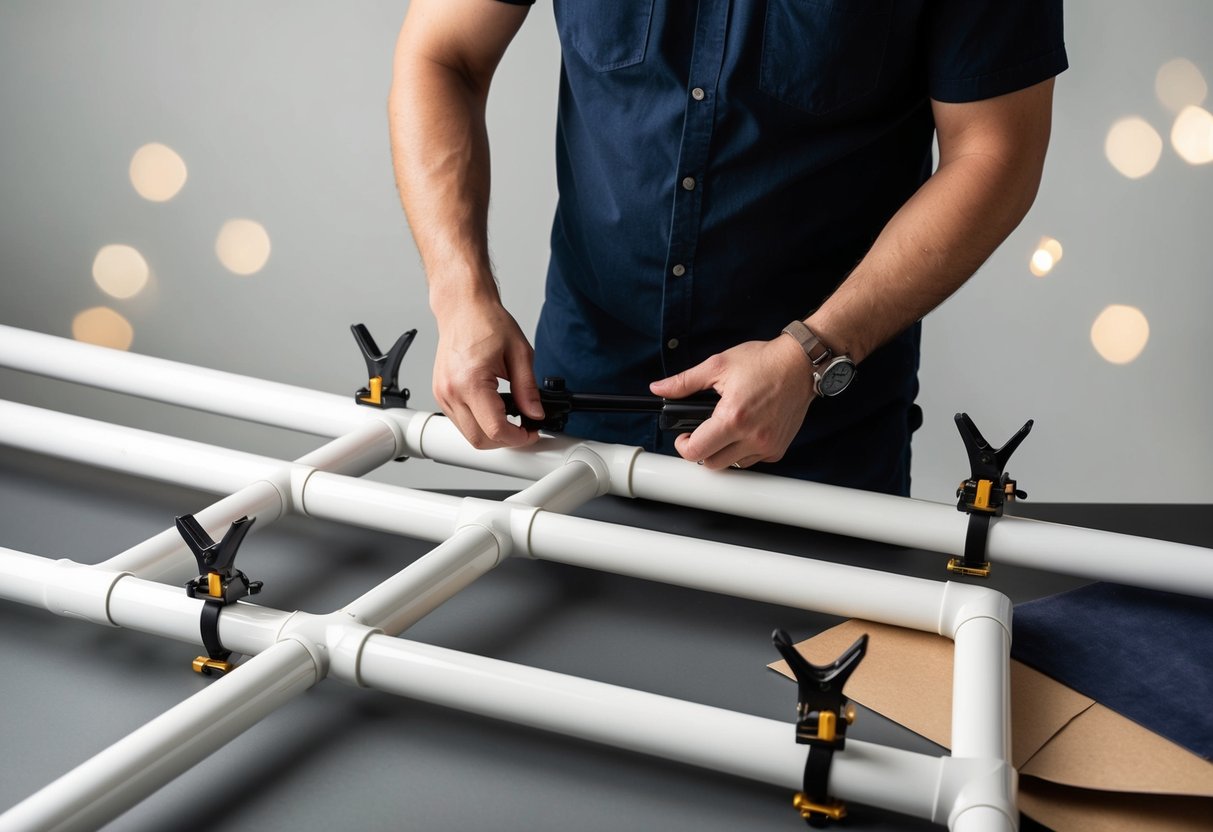
After building your DIY backdrop stand, it’s time to add the finishing touches. This stage includes attaching your fabric or paper backdrops and ensuring the stand’s stability. These adjustments will help you achieve professional results for any event or photo session.
Attaching and Adjusting Backdrops
When you’re ready to attach your backdrop, make sure it fits well. Use clips or clamps to secure the fabric or seamless paper. This will prevent any sagging and give a polished look.
If you’re using a fabric backdrop, consider sewing or tying it at the top for a more secure fit. For a DIY wedding backdrop stand, floral elements can be incorporated easily. This adds a personal touch while keeping the setup neat.
Always step back and check how it looks; adjust if necessary for better alignment.
Enhancing Stability for Events
Stability is crucial, especially during events like parties or photo booths. You don’t want your backdrop swaying during a session.
To enhance stability, add weight to the base of your stand. This can be done using sandbags or weighted plates. Another trick is to use crossbars or braces, which will help prevent wobbling. If you’re working on a portable backdrop, these enhancements are vital for outdoor events where wind can be an issue.
Tips for Maintenance and Storage
To keep your homemade backdrop stand in great shape, follow these simple tips.
Regular Cleaning: After each use, take a moment to clean your stand. Wipe down the pipes or wooden parts to remove dust and debris. This helps maintain its appearance.
Check for Damage: Look over your backdrop stand for any signs of wear or damage. If you notice any cracks or bends, fix them right away. This will ensure that your stand remains sturdy.
Proper Storage: When not in use, store your backdrop stand in a dry place. If you used an adjustable garment rack as part of your setup, collapse it to save space.
Use a Mailing Tube: If your backdrop material is rolled, consider storing it in a mailing tube. This prevents creases and keeps it in good condition for next time.
Avoid Extreme Temperatures: Keep your stand away from extreme heat or humidity. These conditions can weaken materials like PVC pipes and affect the lifespan of your backdrop stand.