
How Do You Make a Speech Interesting? Tips for Engaging Your Audience
Making a speech interesting can seem challenging, but it doesn’t have to be. To engage your audience, focus on clear and relatable content, use storytelling, and include interactive elements. These strategies can create a memorable experience for listeners and keep their attention from start to finish.
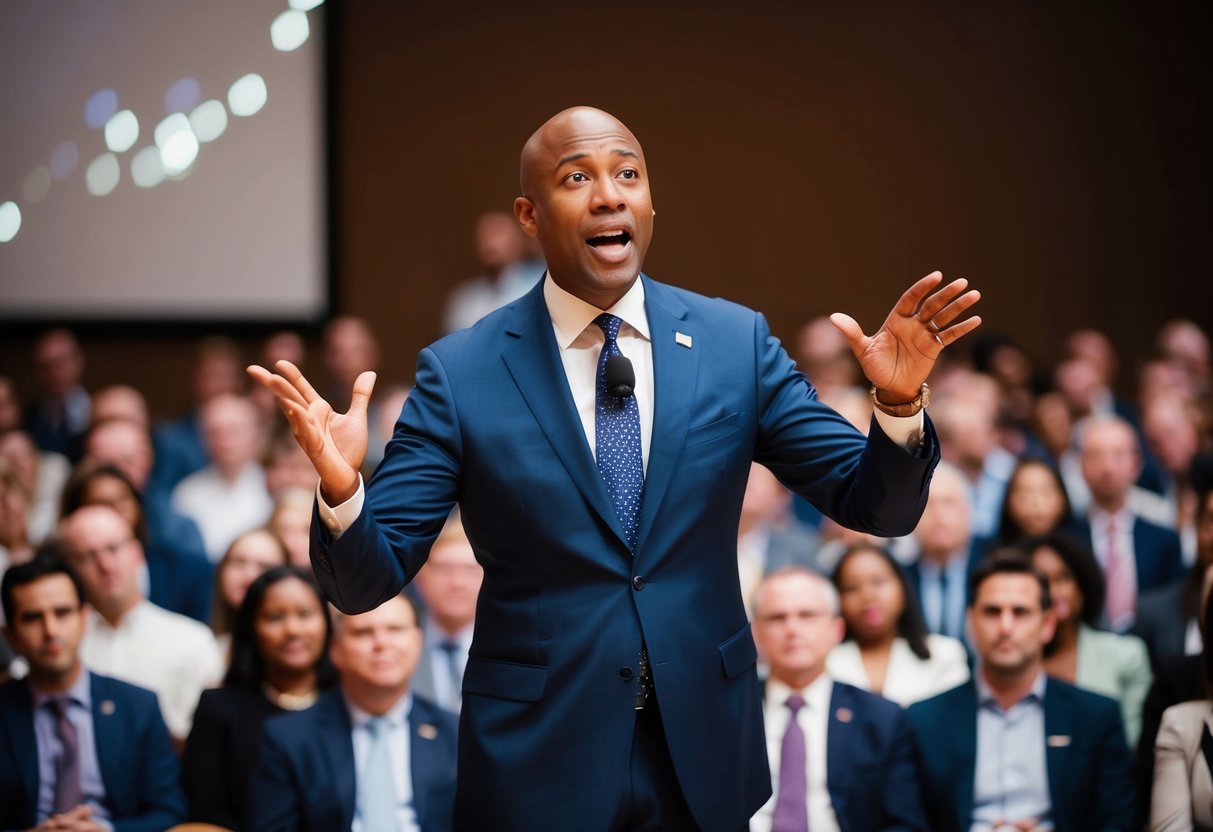
Think about your audience and what they care about. Tailoring your speech to their interests makes it more engaging. By using anecdotes and examples, you can make complex topics easier to understand and relatable. You can also ask questions or encourage participation to spark interest and foster a connection.
Remember, your delivery matters too. Practice speaking with enthusiasm and confidence. The more comfortable you are, the more your passion for the topic will shine through, making your speech truly captivating.
Understanding Your Audience

Knowing your audience is key to making your speech interesting. Understanding who they are and how they feel helps you connect better. This connection can make your message more impactful.
Identifying the Audience
Start by figuring out who your audience is. Ask yourself questions like:
- What is their age group?
- What are their interests?
- What do they already know about the topic?
Next, you might consider how they prefer to communicate. For example, some may enjoy humor while others prefer a more serious tone.
Pay attention to your audience’s body language during your speech. Good posture and open gestures can help engage them.
Conduct a quick meet and greet if possible. This allows you to learn directly from the audience. You’ll get a better sense of their needs, which can guide your speech’s content.
Incorporating Feedback
Listening is just as important as speaking during your presentation. Encourage your audience to share their thoughts. You can ask questions or pause for feedback. This invites them to engage with what you are saying.
Make sure to include points that resonate with them. Adapt your speech on the fly based on their reactions. If they seem confused about a topic, clarify it right away. Showing that you are responsive to their needs builds trust.
Being open to feedback turns the speech into a conversation. This approach can create a more relaxed atmosphere, making your audience feel valued.
Crafting the Content

Creating engaging content is crucial for making your speech stick in the minds of your audience. Focus on formulating key points, utilizing storytelling techniques, and using concise language to deliver a powerful speech.
Formulating Key Points
Identify the main ideas you want to convey. Aim for 3 to 5 key points for clarity. These should be memorable and relatable.
Use a structure where each point builds on the last. For example:
- Point 1: Introduce your topic.
- Point 2: Share a personal story that connects to the topic.
- Point 3: Offer insights or lessons learned.
Each point should lead your audience to the next takeaway. This creates a smooth flow, helping listeners absorb the information effectively.
Storytelling Techniques
Stories captivate your audience and make your speech memorable. Use personal anecdotes that tie back to your key points. Personal stories create a connection, making your message resonate deeply.
Consider these storytelling techniques:
- Start with a hook: Grab attention with an interesting fact or question.
- Build suspense: Keep your audience engaged by creating anticipation.
- End with a lesson: Clearly state what you learned to give your story purpose.
Remember, emotions play a big role in making your speech powerful. Use descriptive language to bring your stories to life.
Using Concise Language
Be clear and direct in your speech. Use concise sentences to communicate effectively. This keeps your audience’s attention and ensures they understand your key points.
Here are some tips for using concise language:
- Avoid jargon: Use simple words that everyone can understand.
- Cut filler words: Eliminate unnecessary phrases to sharpen your message.
- Focus on active voice: This creates a more engaging and direct tone.
By using these strategies, your speech becomes a powerful tool for delivering key takeaways that your audience will remember.
Enhancing Delivery

Improving your speech delivery is key to engaging your audience. Focusing on your presentation style and utilizing visual aids effectively can make a significant impact. Here are some important tips for both aspects.
Perfecting Speech Delivery
Good posture is vital when delivering a speech. Stand tall with your shoulders back to project confidence. This not only enhances your presence but also helps you breathe better, which supports a clearer voice.
Using facial expressions and eye contact can engage your audience emotionally. People connect more when they feel like you’re speaking directly to them. Incorporate a catchphrase or memorable line to capture attention and make your message stick.
Varying your voice’s pitch and speed can create a natural and dynamic delivery. Avoid a monotone voice by emphasizing key points. This adds interest and keeps the audience attentive.
Utilizing Visual Aids
Using visual aids can enhance your speech and reinforce your message. Effective visual tools include slides, images, or props that complement what you’re saying.
Make sure your visual aids are clear and easy to read. Use bullet points or simple charts to highlight essential information. This helps your audience absorb your message quickly.
Remember to integrate visual aids at the right moments. Don’t let them overshadow your speech; they should support your words. Engage with your visuals by referencing them while speaking, which keeps your audience’s focus on both you and the aids.