
How Do You Organize a Wedding Planning Notebook? Tips for effortless planning!
Planning a wedding can be exciting but also overwhelming at times. A well-organized wedding planning notebook can become your best friend during this process. To organize your wedding planning notebook effectively, start by using a binder to categorize essential elements like timelines, vendor contacts, and to-do lists.
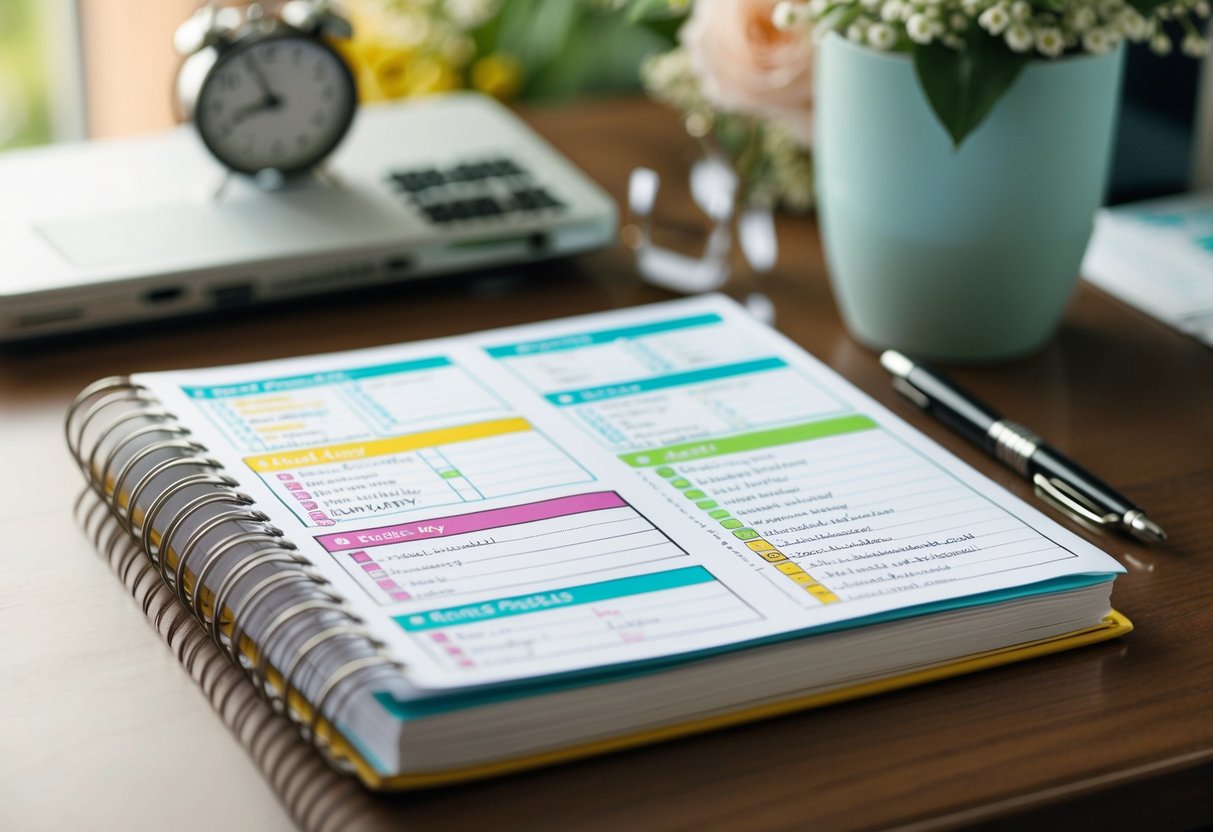
As you gather ideas and details for your big day, make sure to create sections for important tasks and notes. This will help you stay on track and make your planning more enjoyable. A clear planning tool can help you visualize each step and make the entire experience smoother.
Don’t forget to personalize your notebook! Adding colors, decorations, or even photos can make it more inviting. This way, you’ll feel inspired to keep adding new ideas and updates as you move through your wedding journey. Organizing your notebook is not just about keeping things neat; it’s also about making the planning process exciting and stress-free!
Getting Started with Your Wedding Planning Notebook
Starting your wedding planning notebook can be exciting and a bit overwhelming. The right tools and organization strategies will set you up for success. Here are key aspects to consider as you begin your planning journey.
Choosing the Right Binder
When choosing a binder, pick one that’s both functional and appealing. A large 3-ring binder is ideal since it allows you to add and remove pages easily.
Consider a binder in a color or design you love, as this will make planning more enjoyable. Aim for a binder with a durable cover to protect your notes and documents.
You might also want to use clear zip pouches inside your binder. These can hold loose papers, invitations, or swatches safely. Think about how often you’ll use your notebook and choose a size accordingly, keeping it portable yet spacious.
Essential Sections and Dividers
To keep your binder organized, use dividers to create specific sections. Essential sections might include budget, guest list, vendor contacts, and inspiration boards.
For example, you can have a section for to-do lists to check tasks off as you go. Each section should have a clear label, making it easy to find what you need.
Don’t forget to incorporate sticky notes for reminders and thoughts. They can be a quick way to jot down ideas that come to you at any time. Keeping your information neat will save you from stress later on.
Incorporating Calendars and Checklists
A calendar is a great tool to manage your timeline. Add one to your binder to visualize important dates like venue bookings, dress fittings, and invitation sends.
Track your progress with checklists. Include a detailed checklist for your wedding tasks, like booking vendors and finalizing guest lists.
You can find printable templates online or create your own. Keeping everything in one place helps avoid forgetting any important steps.
By staying organized with these tools, you’ll feel more in control and ready for your big day!
Budgeting and Vendors Management
Managing your wedding budget and vendor information is crucial for a smooth planning process. By organizing these elements, you can keep track of your spending and ensure you connect with all necessary vendors.
Creating Your Wedding Budget
Start by listing all your potential expenses. Break them down into categories like venue, catering, attire, and décor. This helps you visualize your overall budget.
Use a spreadsheet or a budgeting app to track your expenses. You can create a table that includes categories, estimated costs, actual costs, and due dates. This way, you can easily see where your money is going and adjust as needed.
Also, remember to include a buffer for unexpected costs. Weddings can have surprises, so setting aside an extra 10-15% can help ease any stress.
Maintaining a Vendor Contact List
Keeping a detailed vendor contact list is essential to stay organized. Start by gathering contact information for all your vendors, including the caterer, florist, photographer, and others.
Create a simple table with each vendor’s name, service, phone number, email, and any notes related to payment and schedules. Make sure to highlight important deadlines, such as when payments are due.
This list can be part of your wedding planner binder. Keep it easily accessible so you can quickly reference it during planning and communication with the vendors.
Signing and Storing Contracts
When you finalize arrangements with vendors, make sure to sign contracts. These documents protect you and outline the services provided.
Store all your contracts in one folder within your planner. Consider organizing them by category so you can find what you need quickly. You might also want to include a notes section for any important points or changes discussed.
Be aware of key deadlines, like payment dates and service confirmations. Mark these on a calendar to keep everything on track. This proactive approach helps avoid any last-minute surprises and keeps your planning stress-free.
Key Wedding Details and RSVPS
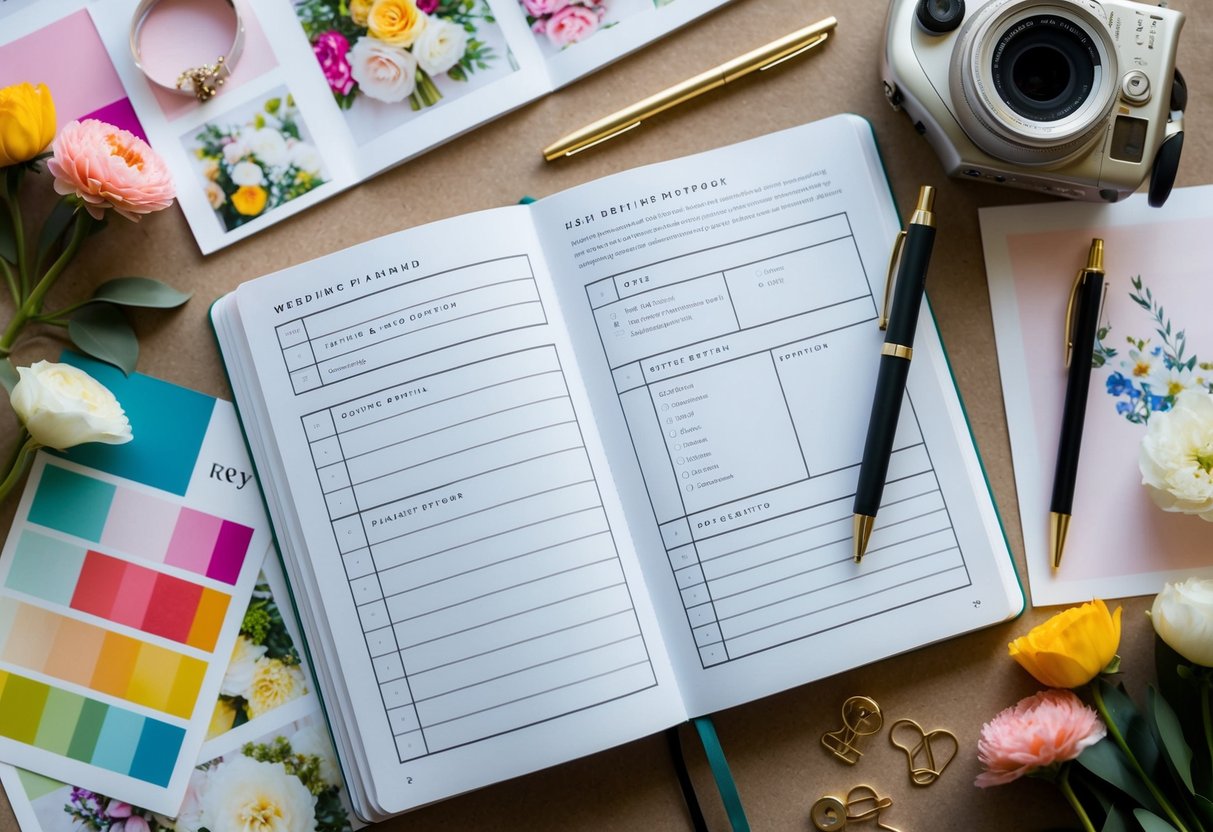
Planning your wedding involves many important details. From the ceremony and reception to managing the guest list and RSVPs, each part requires careful thought. Consider these key areas to make your planning smoother.
The Wedding Ceremony and Reception
The ceremony and reception are the heart of your wedding day. Choose a venue that reflects your style, whether it’s a beach, garden, or traditional hall. Make a list of your priorities, such as the date, time, and décor.
Don’t forget to outline the attire for the wedding party. Sharing specific styles and colors with your bridal party will help keep everyone on the same page. You’ll also want to ensure that you have a solid plan for seating arrangements to create a comfortable atmosphere for your guests.
Managing Guest Lists and Invitations
Your guest list is a crucial part of the planning process. Start by creating a list of must-invite guests. This will help you keep track of responses and manage the size of your event.
Once you have your list, choose the right invitations. Make sure to include RSVP details clearly. You can even go digital with online RSVPs to simplify tracking. When invitations go out, mark down who has responded. This will help you stay organized as the date approaches.
Honeymoon and Reservations
Honeymoon planning can be just as exciting as the wedding. Start by deciding on a destination that suits both of you. Look into package deals that may save you money.
Make reservations early, especially for popular places, to ensure you get the accommodations you want. Remember to communicate with your travel agents or booking websites effectively. Be sure to keep all your confirmation details in your wedding planning notebook for easy access.
Finalizing Your Plans
As your wedding day approaches, it’s crucial to address last-minute tasks and prepare for any surprises.
The Last-Minute To-Dos
Create a detailed to-do list for the final weeks. This list should include tasks like confirming the ceremony text with your officiant and finalizing the reception timeline with your venue. Don’t forget to check in with your photographer to ensure they have a shot list and understand your schedule for the day.
Ensure that all wedding attire is ready. This means checking that your dress fits perfectly, and the bridesmaids’ dresses are altered if needed. Lastly, confirm RSVP counts with your caterer to finalize your meal choices.
Wedding Day Emergency Kit
An effective wedding day emergency kit can save you from small disasters. Include items like a sewing kit, safety pins, extra makeup, and hair essentials.
Think about bringing snacks and drinks for you and your bridal party to stay energized.
Here’s a quick checklist for your emergency kit:
- Sewing kit
- Safety pins
- Pain relievers
- Makeup touch-up supplies
- Snacks and water
Being prepared can make all the difference on your special day. Make sure you have this kit packed and ready to go!