
How Do You Plan a Wedding in 4 Months on a Small Budget? Tips for a Memorable Celebration
Planning a wedding in just four months on a small budget may seem daunting, but you can make it happen with careful planning and creative thinking. To make your dream day a reality without overspending, focus on prioritizing what matters most to you and being flexible with your choices. From selecting an affordable venue to crafting a budget-friendly guest list, every decision can lead to significant savings.

You can start by determining your budget and sticking to it. Research local vendors who offer quality services at reasonable prices. Look for off-peak times for your wedding date, which may cut costs on venues and catering. With just a bit of effort, you can find affordable options that still feel special.
Don’t forget to involve your friends and family in the process. They may have skills or resources that can help you save money. Whether it’s baking a cake, providing flowers, or assisting with decorations, leveraging your support system can make your wedding personal and memorable without breaking the bank.
Setting the Foundations
Getting started on your wedding planning can feel overwhelming, especially with a tight budget and a short timeline. Focus on creating a clear budget, a detailed checklist, and an accurate guest list. These steps will help you organize your thoughts and prioritize tasks effectively.
Determine Your Budget
The first step is to outline how much you can spend. Make a list of all potential expenses such as the venue, catering, décor, and attire. It’s important to be realistic.
Tips for budget setting:
- Prioritize needs vs. wants: Identify what is essential for your day versus what can be compromised.
- Include a buffer: Set aside 10-15% of your budget for unexpected costs.
- Shop around: Compare prices to find the best deals without sacrificing quality.
By defining your budget early, you keep your planning grounded and prevent overspending.
Create a Wedding Checklist
A wedding checklist serves as your roadmap. List every task that needs attention, from booking vendors to sending invitations.
Essential checklist items include:
- Select a Venue
- Book Vendors (caterers, photographers)
- Choose Attire (wedding dress, suits)
- Send Invitations
- Plan the Ceremony
You can find free templates online or create your own. Update it as you make progress to track your success. This will keep your wedding planning on schedule, especially when time is limited.
Draft Your Guest List
Deciding who to invite can be tricky, but it’s a crucial part of planning. A clear guest list helps manage expenses related to food, seating, and venue space.
Steps to create your guest list:
- Start with family and close friends: List the most important people in your life.
- Consult with your partner: Make sure both of you agree on the invitees.
- Account for plus-ones: Decide if your guests can bring a date and consider how that will affect your budget.
Once you have a draft, review it to ensure it fits your budget and venue capacity. Having this list finalized will make the next steps smoother.
Key Milestones and Vendors
Planning a wedding in four months on a small budget means you need to focus on key milestones and the right vendors. This will help you stay organized and make smart choices without overspending.
Selecting a Venue
Choosing a venue is one of the first steps in your wedding planning. Look for locations that offer flexibility, such as parks, community centers, or family homes. These spots often cost less than traditional venues.
Consider the time of year and day of the week. Weddings held on weekdays or during off-peak seasons tend to have lower fees. Always ask about discounts or package deals.
Make a list of your must-haves, like space for your guests and a flat surface for your ceremony. Finally, read reviews and visit venues to find the best fit for your style and budget.
Hiring a Photographer
A wedding photographer captures special moments, making it vital to choose someone whose style you admire. Begin by researching local photographers and comparing their portfolios.
Ask for quotes and see if they offer packages that suit your budget. Many photographers provide options for shorter coverage, which can save you money.
Consider hiring a less experienced photographer who is building their portfolio. They often offer lower rates. Remember to discuss your vision, must-have shots, and any important events throughout the day.
Scheduling a meeting or phone call can give you a sense of their personality and professionalism.
Choosing Your Vendors
Selecting the right vendors is crucial for your wedding day. Prioritize what’s most important to you, whether it’s catering, flowers, or music.
Start with recommendations from friends or family. Websites and social media can also provide ideas and reviews.
When contacting vendors, share your budget and ask if they can work within it. Don’t be afraid to negotiate prices or ask for simpler packages.
Consider using local small businesses, as they often have competitive pricing. Remember to confirm everything in writing and keep all agreements organized in one place.
Attire and Beauty
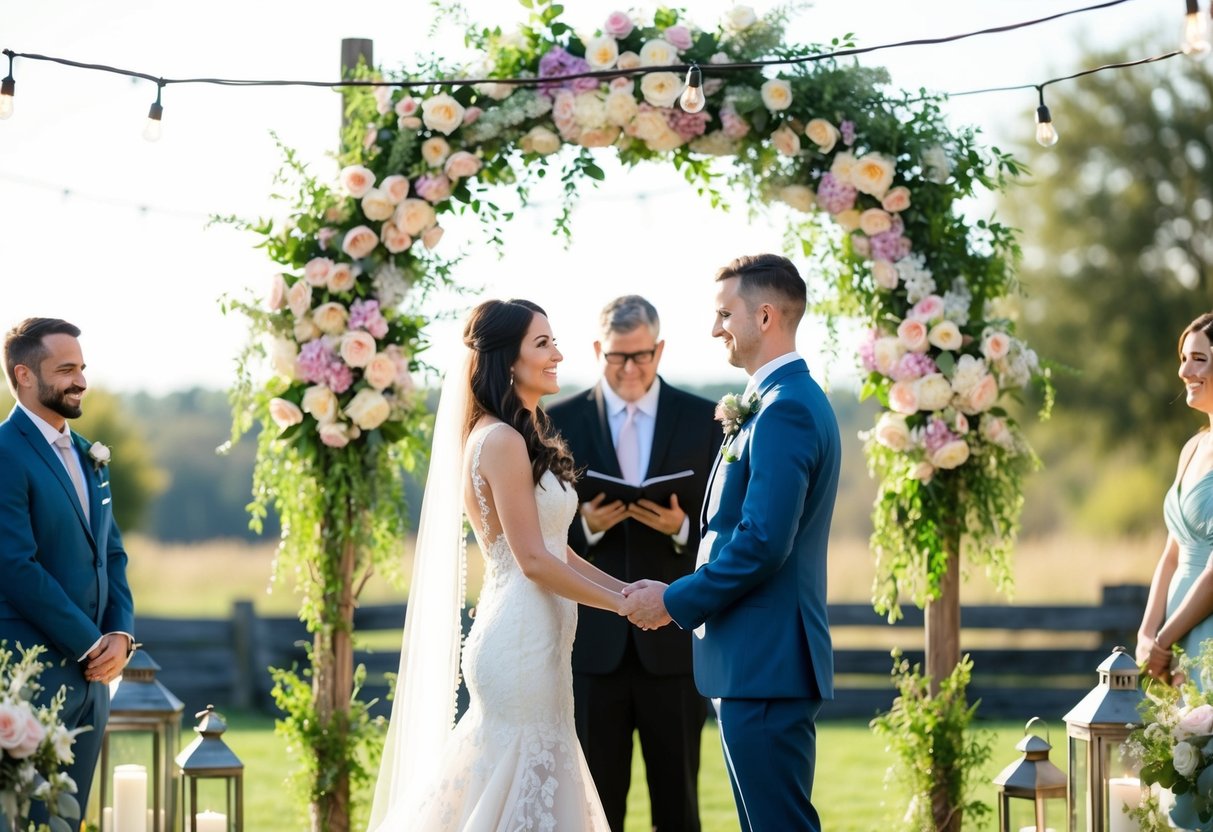
Choosing your wedding attire and beauty details can feel overwhelming, especially on a small budget. Focus on finding a dress that makes you feel amazing and plan for beauty trials that fit your style and budget.
Finding the Perfect Dress
Start your search for the wedding dress early. Look for local bridal shops that offer sample sales or consider renting a dress to save money. Websites also provide options for affordable dresses. Pay attention to your style preferences and set a budget for the dress.
Make sure to try on different styles. A-line gowns and tea-length dresses are often budget-friendly and suit many body types. Don’t forget about accessories like shoes and veils, which can affect your budget.
Scheduling Beauty Trials
Booking beauty trials is essential for achieving your desired wedding look. You want to feel confident and beautiful on your big day. Research beauty vendors in your area and read reviews to find affordable options.
Schedule a hair and makeup trial a few weeks before the wedding. This gives you time to experiment with different looks. Discuss your ideas openly with the vendor and ask about any budget-friendly options they may offer.
Consider opting for a more natural look if you’re working with a tight budget. This can reduce your costs while still ensuring you look stunning.
Final Dress Fitting and Attire Details
Your final dress fitting is crucial for making sure everything fits just right. Schedule this fitting about one month before your wedding day. This allows for any last-minute adjustments without stress.
Bring along your wedding shoes to ensure the hem is the perfect length. Also, consider wearing the undergarments you plan to wear on your big day.
Don’t forget the small details! If you haven’t already, decide on jewelry and any other accessories. Simple pieces can enhance your look without breaking the bank.
Final Preparations
As your wedding day approaches, focusing on the final preparations is essential. This stage involves sending invitations, planning your honeymoon, and finalizing any last-minute details. Let’s break down these important tasks.
Sending Invitations
Sending out invitations is crucial in the final weeks. Start by creating a guest list, making sure to include everyone you want to share your special day with.
You can choose digital invitations for a budget-friendly option. Websites like Paperless Post or Canva offer beautiful designs that save on printing and postage. Aim to send invites at least six weeks before the wedding. This gives guests enough time to RSVP.
Don’t forget to include important information like location, date, dress code, and any special instructions. Make sure to follow up with guests who haven’t responded about the RSVP.
Planning the Honeymoon
Planning your honeymoon can feel overwhelming, but it doesn’t have to be! Start by setting a budget and deciding what type of experience you want—relaxation, adventure, or cultural exploration.
Consider local destinations or short getaways to save on travel costs. Look for deals on travel websites or consider off-season travel to save even more.
Create a simple itinerary for your trip, including essential activities, dining options, and any necessary bookings. Be sure to handle your travel plans early to avoid last-minute stress.
Lastly, don’t forget to check if you need a marriage license before you leave, as some destinations may require it for certain activities.
Finalizing Last-Minute Details
As your big day approaches, you need to pay attention to the last-minute details. You should confirm all vendor bookings, including the venue, catering, and photographer. Touch base with each vendor to ensure that everything is on track.
Create a timeline for the wedding day, outlining when events will happen. Share this with your wedding party to keep everyone informed.
If you haven’t yet, you should finalize your marriage license. Check the local requirements and apply in advance, as some places require waiting periods.
Lastly, pack an emergency kit for the day. Include essentials like safety pins, band-aids, and extra makeup. This will help ensure you stay calm and ready for anything!