
How Do You Politely Decline a Destination Wedding? Tips for Graceful Responses
Receiving a destination wedding invitation can bring mixed feelings. While it’s exciting to see a friend or family member getting married, the thought of traveling can also feel overwhelming, especially if it’s not feasible for you.
If you need to decline a wedding invitation, you can do so politely by expressing your gratitude and offering a sincere reason for your absence.
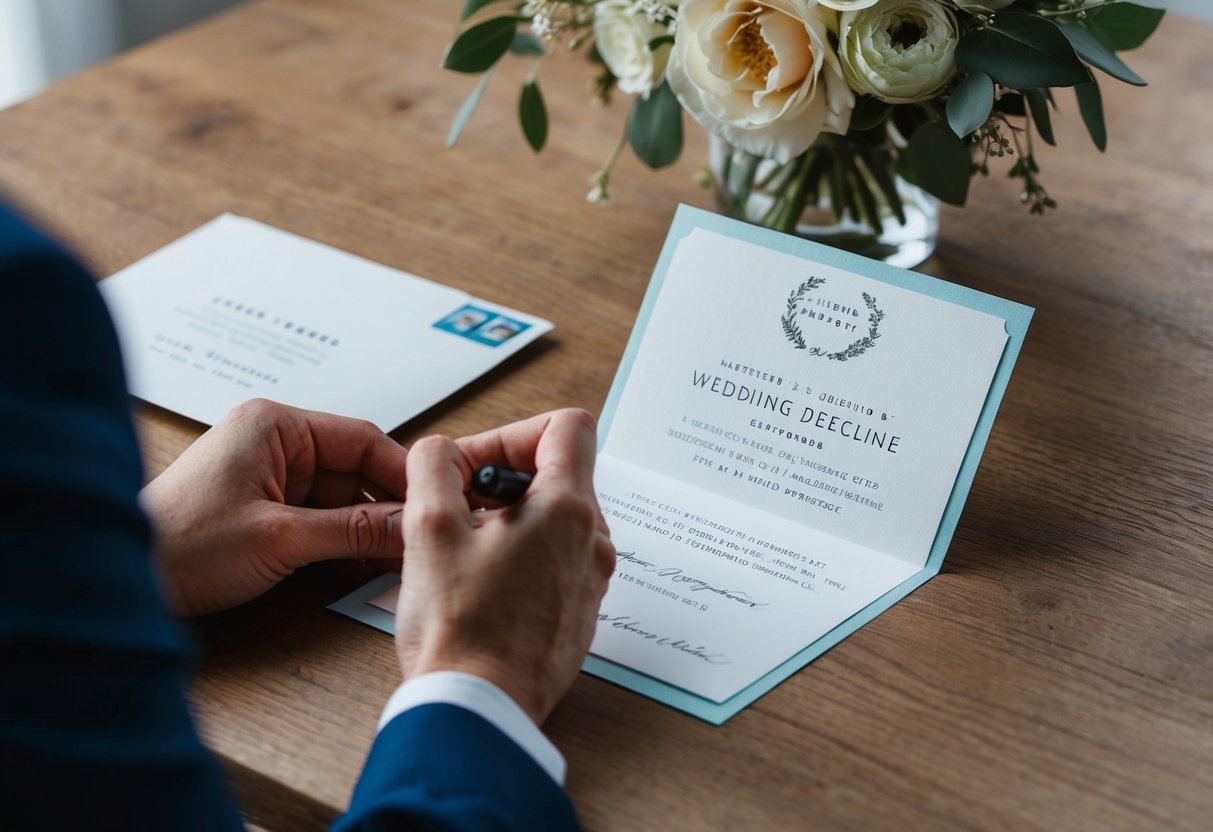
It’s perfectly normal to feel uneasy about how to respond. After all, you want to show that you care while also being honest about your situation. Using thoughtful language will help you maintain your relationship with the couple.
Whether it’s due to finances, prior commitments, or travel difficulties, there are tactful ways to say no that will keep the door open for future connections.
As you navigate this delicate situation, remember that a kind message can go a long way. You can always suggest alternative ways to celebrate, like meeting later for coffee or sending a small gift. By taking the right approach, you can decline a wedding invitation without hurting feelings or burning bridges.
Understanding Wedding Etiquette
Navigating wedding invitations can be tricky, especially for destination weddings. Knowing the right etiquette can help you respond thoughtfully while being polite.
The Importance of RSVP
When you receive a wedding invitation, it’s crucial to respond promptly. An RSVP is not just a formality; it helps the couple finalize their guest list and make necessary arrangements.
By letting them know your decision early, you show respect for their planning efforts.
If you can’t attend, it’s best to decline right away. Giving as much notice as possible allows the couple to invite another guest if they choose. Remember, a simple “thank you for the invitation” followed by your regret is enough. Your polite response reflects good etiquette and maintains your relationship with the couple.
Consulting with an Etiquette Expert
Sometimes, you may be unsure about how to decline an invitation gracefully. Consulting with an etiquette expert can provide you with valuable insights.
They can guide you on the best ways to express your regrets without hurting feelings.
An expert may suggest using a heartfelt message that acknowledges the importance of the event. It’s important to convey that while you cannot attend, you wish the couple all the best. This shows your thoughtfulness and respect for their special day.
Reasons for Declining a Destination Wedding
Declining a destination wedding can be tough, especially when you want to support your loved ones. There are valid reasons that can make it difficult for you to attend. Here are some key factors to consider.
Scheduling Conflicts and Prior Commitments
You might already have plans that clash with the wedding date. This is common when multiple events occur simultaneously.
For example, you could have work obligations, family events, or even another wedding to attend.
Being clear and honest about your schedule is important. A simple statement like, “I have prior commitments” can help you explain your situation without going into details. If you share a close relationship with the couple, they will likely understand your need to decline.
Financial Constraints and Travel Restrictions
Destination weddings can be expensive. Travel costs, accommodation, and gifts can add up quickly. If you’re working with a tight budget, attending might not be feasible.
You might also face travel restrictions, whether due to work or personal reasons. If finances are a concern, communicate this gently. Phrases like, “I can’t swing the budget right now” can express your situation clearly.
Remember, it’s perfectly okay to prioritize your financial health over social commitments.
Personal Health Considerations
Your health should always come first. If you are dealing with health issues, traveling for a wedding could pose risks.
This can include physical ailments or mental health challenges that make travel difficult.
Being upfront about your health concerns can be helpful. You can say something like, “Unfortunately, I’m not feeling well enough to travel.” Your honesty will likely be appreciated, especially if the couple cares about your well-being.
Emotional and Personal Reasons
Sometimes, attending a wedding may stir up personal emotions or stress. This could be due to past experiences, relationships, or simply feeling overwhelmed.
It’s essential to recognize this and honor your feelings. If attending the wedding might be emotionally difficult, you can politely decline without diving into specifics. A simple, “I need to take care of myself right now,” can convey your need for personal space.
Politely Declining the Invitation
Declining a destination wedding invitation can feel tricky. You want to be respectful while also being honest about your reasons. Here are some tips to help you convey your message with kindness and clarity.
Crafting the Message
When you decide to decline the invitation, think about how to express your regrets. You could begin with a simple thank you. For example, saying, “Thank you for inviting me to celebrate your special day,” shows appreciation.
Keep the message short and sweet. You don’t need to provide detailed reasons unless you feel comfortable. A clear statement like, “I’m unable to attend due to other commitments,” is courteous.
If you’re close to the couple, you can add a personal touch. Let them know you’ll miss celebrating with them. A warm closing, such as, “Wishing you both a beautiful day,” leaves a positive impression.
Communicating Your Decision
Choose the right method to communicate your decision. If you received a physical invitation, writing a handwritten note can feel personal and sincere.
However, if time is tight, sending a thoughtful email or a text can also work. Make sure to respond promptly to avoid any confusion. This shows respect for their planning efforts.
When speaking directly with the couple, being straightforward is best. You might say, “I’m so sorry, but I can’t make it to your wedding.” Keep your tone light to maintain a friendly vibe.
Alternative Ways to Show Support
Even if you can’t attend, there are other ways to show your support. Consider sending a gift that reflects your happiness for the couple. A thoughtful present will remind them you care, despite your absence.
You might also offer to celebrate in another way. Suggest a lunch or coffee date to catch up after the wedding. This gesture shows you are still invested in the friendship.
Additionally, sending a message on their wedding day can mean a lot. A simple text like, “Thinking of you today! Enjoy every moment!” helps bridge the gap created by distance.
Expressing Your Best Wishes
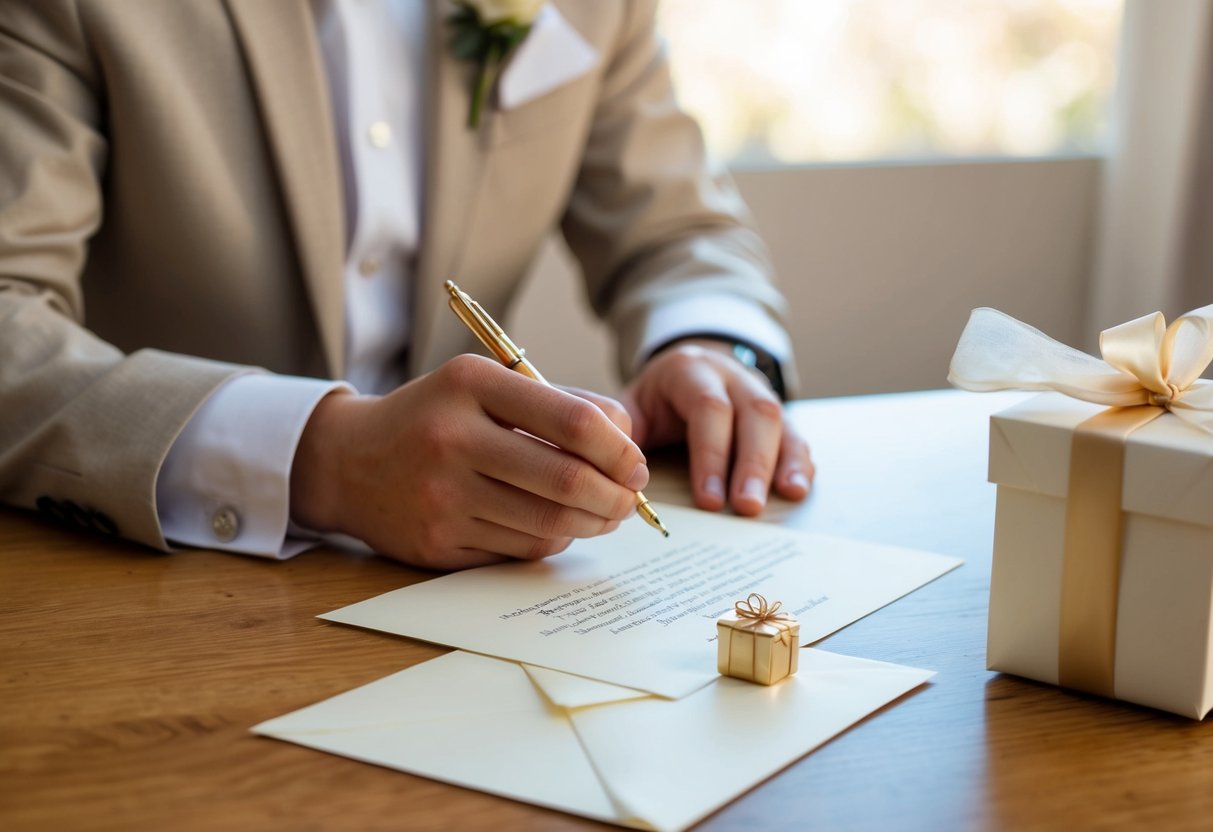
When you decline a destination wedding invitation, it’s important to express your best wishes to the couple. Thoughtful gestures can show that you care, even from afar.
Selecting a Thoughtful Gift
Sending a heartfelt wedding gift is a meaningful way to show your love and support. Consider something personal that reflects the couple’s interests. A useful item for their home or a memorable keepsake can leave a lasting impression.
When choosing a gift, think about the couple’s taste and preferences. You might opt for a gift card to their favorite store or a unique piece that fits their style. Be sure to include a note expressing your best wishes for their big day, which adds a personal touch to your gift.
Participating in Pre-Wedding Activities
Even if you can’t attend the destination wedding, you can still participate in pre-wedding festivities. Many couples host events like bridal showers or engagement parties that you can join, whether virtually or locally.
If there are planning events you can attend, make an effort to participate. Sending decorations or offering help from a distance shows you care. Plus, it allows you to stay connected with friends during wedding season, ensuring you share in the joy, even if you’re unable to attend the festivities.
Staying in Touch after the Wedding
Following up after the wedding can help maintain your connection with the couple. A simple text or message to congratulate them after they tie the knot shows your support.
Consider sending a card with a personal note that reflects your thoughts on their special day.
You can also check in later, asking for stories or photos. This keeps the conversation going and lets you feel included in their lives.
Staying engaged can strengthen your friendship, showing that you’re thinking of them long after the celebration is over.