
How Do You Politely Say No Kids at a Destination Wedding? Tips for Graceful Invitations
Planning a destination wedding is exciting, but it can also come with its challenges. One common concern for couples is how to communicate their wish for an adults-only celebration. To politely say no kids at your destination wedding, consider using clear and respectful language in your invitations. This approach helps set the right expectations for your guests while maintaining a friendly tone.
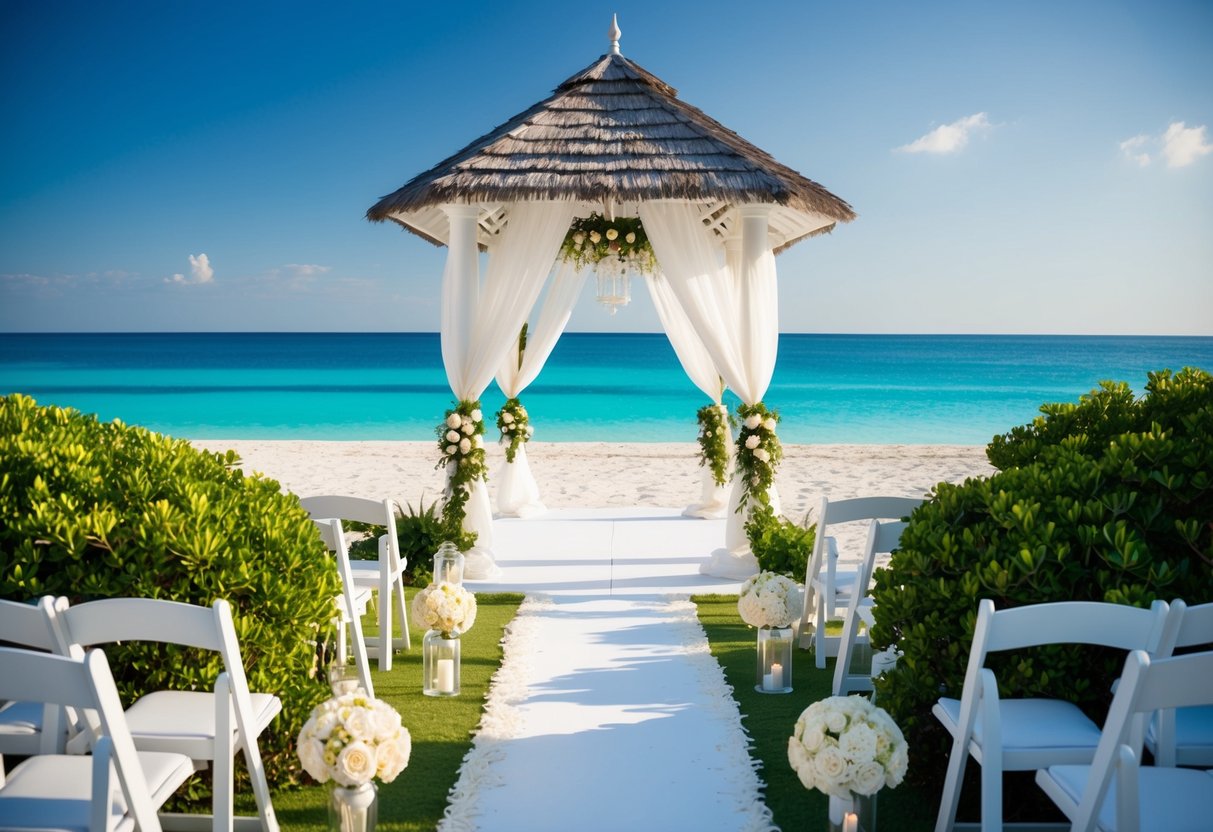
When announcing your child-free wedding, it’s essential to emphasize that this choice allows you to create a more relaxed atmosphere just for adults. You might express that you love kids but want your special day to be focused on adult guests. This way, you’re not only being kind but also ensuring that everyone understands your vision for the event.
As you dive into the planning process, remember that being open and honest about your plans will help avoid any misunderstandings. Embrace the joy of an adults-only wedding and enjoy every moment of this unique celebration with your friends and family.
Deciding on a Child-Free Wedding
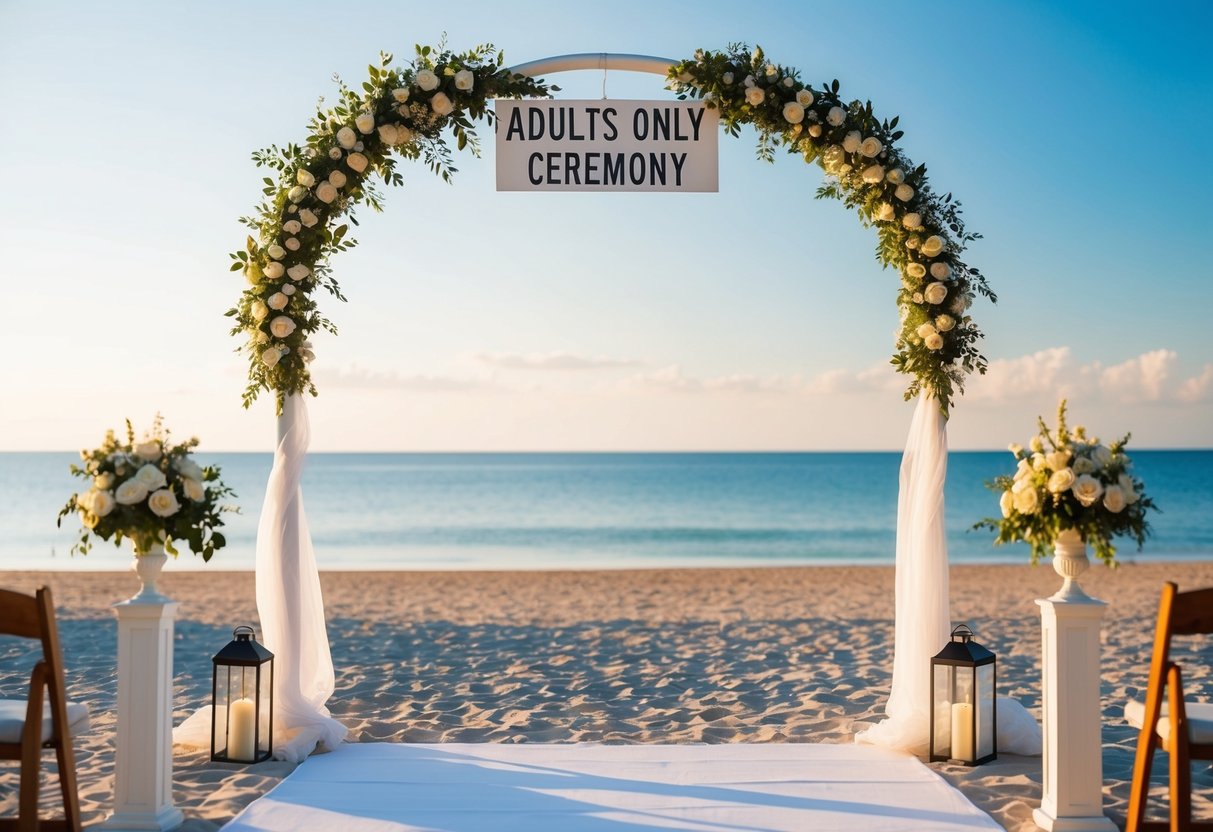
Choosing to have a child-free wedding involves careful thought about your venue, budget, and the dynamics of your guest list. These factors can help you create an enjoyable atmosphere for adult guests while minimizing potential stressors.
Assessing Venue Restrictions and Budget Constraints
First, check with your wedding venue. Some locations may have specific rules about children. For instance, resorts or certain outdoor spaces often cater exclusively to adults. Understanding these rules can help you make the right commitment.
Next, consider your budget. A child-free wedding can sometimes be more cost-effective. Children often require special meals and seating, which can add to expenses. By limiting the guest list, you can allocate more funds for adult-friendly features, like entertainment and dining experiences.
Considering the Wedding Guest List Dynamics
Your guest list plays a crucial role in your decision. Think about who you want to invite and how they may react to a child-free policy. Close friends may understand your choice, while extended family might have mixed feelings.
It’s important to communicate your intentions clearly and kindly. Informing guests early can help manage expectations. You might consider sending a message that expresses your desire for an adult-only celebration, ensuring everyone feels valued without compromising your vision.
Communicating Your Decision
Communicating that your wedding will be a no-kids event can feel tricky. Choosing the right words and methods can help your guests understand your wishes clearly and kindly.
Choosing the Right Wording for Invitations
When sending out your wedding invitations, the wording is key. You can be direct yet polite. Phrases like “We respectfully request no children” or “Adults only, please” can work well.
Make sure this message is clear on the main invitation, not just the RSVP. This ensures every guest sees it.
Also, avoid vague wording that might confuse guests. Clarity will help prevent any misunderstandings.
Consider including a short explanation, but keep it simple. For example, you might say, “We want our wedding to be an adult celebration.”
Setting Expectations Through Wedding Website
Your wedding website is an ideal place to share important details. Create a dedicated section explaining the no-kids policy.
Here, you can offer more context if you wish. For example, you might mention the venue’s setup that makes it less suitable for children.
You can also keep the tone light and friendly, emphasizing your excitement for an adult-focused event. Don’t forget to add this link to your invitations. Guests can easily find the information before they RSVP.
Providing a clear message on your site will help manage expectations and foster understanding among your guests.
Clarifying Details on RSVP Cards
Using RSVP cards for clear communication is also helpful. In your wording, you might include a line like, “We regretfully ask that no children attend.”
Another option is to have guests specify the number of adults attending. This way, it’s clear you expect only adult guests.
If kids are part of the family, gently clarify by reaching out personally to parents. A quick message can help make sure they understand your decision without hurt feelings.
This thoughtful approach will ensure that everyone feels included, and it keeps the focus on your special day.
Ensuring Smooth Execution
When planning a destination wedding without children, it’s important to consider your guests’ needs. This section covers practical ways to communicate your wishes and offer valuable alternatives, ensuring everyone feels included.
Providing Alternative Solutions for Guests with Children
You can ease concerns for guests with kids by suggesting alternative options. Consider hiring a babysitter or two for the event. This could be arranged through local agencies or hotels, providing a fun and safe environment for children.
You might also offer a list of nearby childcare services with trusted reviews. This allows guests to explore options that suit their family’s needs and gives peace of mind while they enjoy your adult-only celebration.
Hosting an Adults-Only Reception
Clearly communicate that the reception will be an adults-only event. Use your wedding invitations to state this politely. Phrasing like “we kindly request no children attend” sets the right tone.
During the wedding planning, choose settings that enhance this adult atmosphere. Think cocktail-style receptions, unique entertainment, or late-night activities that appeal to adults. This makes your guests more excited about an event designed just for them.
Handling Any Possible Misunderstandings
Prepare to address any misunderstandings calmly. Some guests may feel hurt or confused about your decision.
A direct and polite conversation can go a long way. If a guest raises concerns, express that the choice is about creating a specific atmosphere rather than a rejection of their family.
Assure them this doesn’t reflect your feelings toward their children. Maintain a friendly approach to ensure everyone understands and feels valued.