
How Do You Refer to a Newly Married Couple? Exploring Popular Terms and Phrases
When referring to a newly married couple, it’s important to know your options. Traditionally, you may call them “Mr. and Mrs. [Last Name]” or simply “the newlyweds.” These terms are respectful and commonly accepted in formal settings, such as at the wedding ceremony or reception.
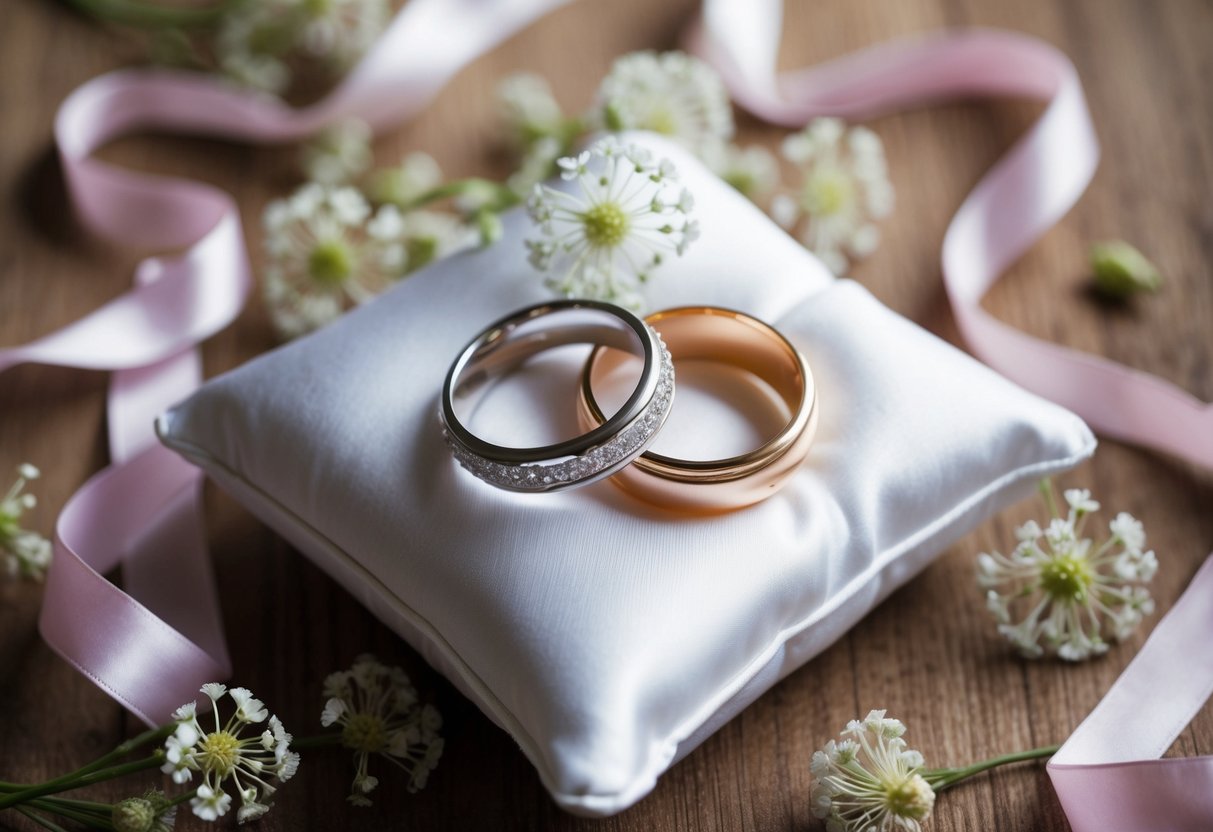
As times change, many people now prefer more inclusive phrases that reflect both partners’ names. You might hear “the bride and groom” or even their first names used together, which can feel more personal and modern. This approach shows recognition for both individuals in the relationship.
No matter how you choose to refer to them, using the right title can add a thoughtful touch to your conversations. Keep these options in mind as you celebrate their special moment and enjoy the festivities.
Etiquette for Addressing a Newly Married Couple
When you refer to a newly married couple, it’s important to follow certain etiquette rules. This will help you show respect for them as a couple and acknowledge their relationship. Knowing how to properly address them can make a big difference in your invitations and announcements.
Formal Address Guidelines
When addressing a married couple formally, you usually begin with “Mr. and Mrs.” followed by the husband’s name. For example, “Mr. and Mrs. John Smith.” If both partners have different last names, use “Ms.” and “Mr.” followed by their full names. This option looks like “Ms. Jane Doe and Mr. John Smith.”
If one partner has earned a title, such as “Dr.” or “Judge,” include that. You’d say, “Dr. Jane Doe and Mr. John Smith.” This approach respects their individual achievements while recognizing their union.
Addressing Envelopes
Addressing envelopes correctly is crucial, especially for weddings. For traditional couples taking the husband’s last name, use “Mr. and Mrs. Smith.” If they both use different last names, write “Mr. John Smith and Ms. Jane Doe.” This shows respect for their identities.
Another option is to simply use their last name—like “The Smiths” or “The Does”—for informal invitations. This can be especially useful if you’re sending out many envelopes at once.
Gender-Neutral Announcements
Gender-neutral announcements are becoming more common and widely accepted. To address a couple without specifying gender, you can use “Partner” or “Spouse.” For example, say “To Mr. Alex Taylor and Partner.”
If you know their names, use “Alex Taylor and Jamie Lee.” This method respects both identities equally. It’s a friendly way to include everyone and avoid assumptions about their relationship.
Being mindful of these etiquette tips helps you maintain a respectful and welcoming tone when addressing newly married couples.
Wedding Introductions and Announcements
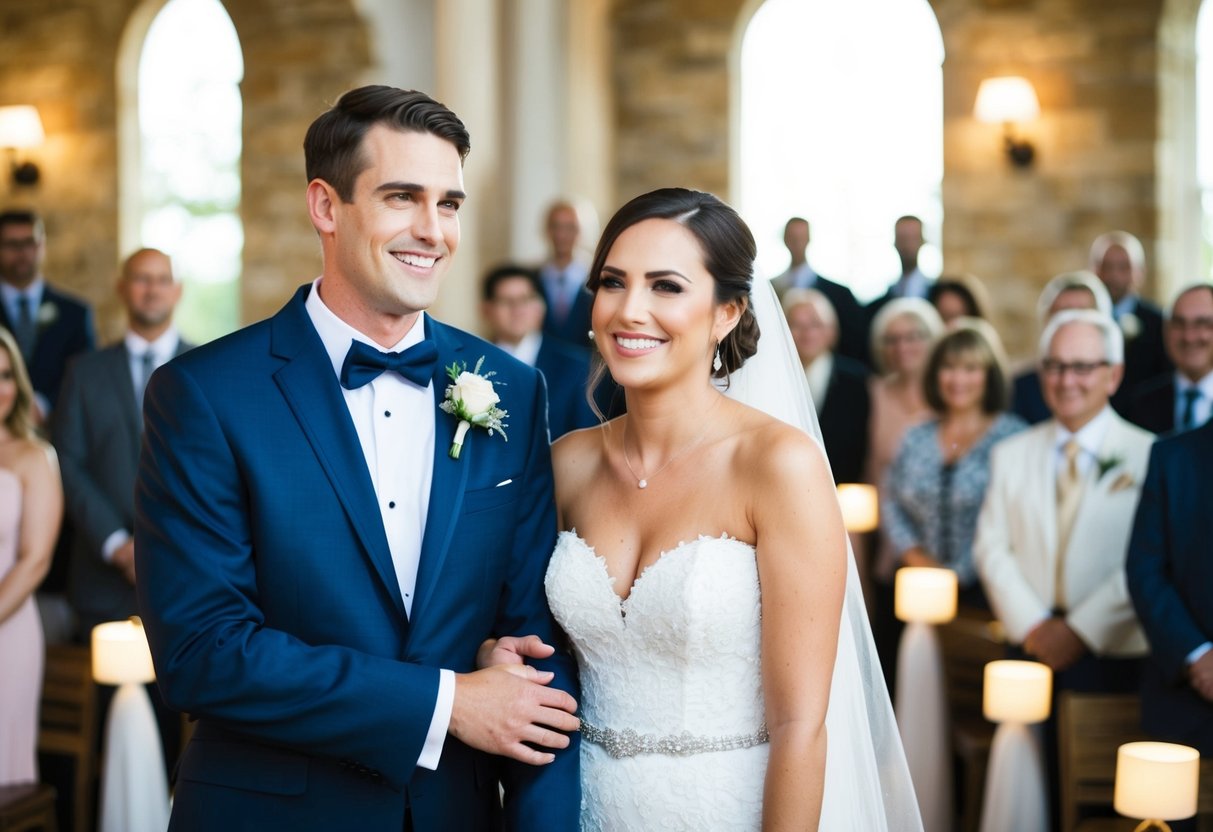
Making the right introductions and announcements at a wedding adds a special touch to the celebration. This section covers how to introduce the newly married couple, the importance of wording in invitations, and how to announce an elopement or intimate celebration.
At the Reception
When you’re at the reception, the introduction sets the tone for the evening. You typically start with a warm welcome speech. This is your chance to get everyone excited and to formally introduce the couple.
Consider using a personal touch by sharing a brief story about them. For example, you might say, “After years of love and laughter, please welcome the newly married couple, John and Jane!”
Make sure to clearly say both names. Avoid using titles like Mr. and Mrs. if they are keeping their individual names. This way, everyone feels included and connected.
In Written Formats
Wedding invitations are key for setting expectations. The wording should clearly introduce the couple. A common way to do this is to list the names together. For example, “Maria Stevens and David Estevez request the honor of your presence.”
If there’s a wedding date or theme, mention it for added context. For more personal announcements, you can include details like the first dance and any special traditions planned.
Make your invitation clear and concise while reflecting the couple’s personality. A well-worded invitation shows thoughtfulness and sets the mood for the event.
Elopement and Intimate Celebrations
Elopements and small celebrations deserve unique announcements. Keep it simple and focus on the joy of the moment.
You might send a card stating, “We eloped!” followed by the couple’s names and the wedding date. This conveys excitement while sharing their special moment.
If you’re welcoming guests later, include details about a celebration or gathering. Highlighting the love story can help guests feel connected.
Using inviting language in these announcements ensures that your loved ones feel part of the journey, even in intimate settings.
Cultural Considerations in Addressing Married Couples
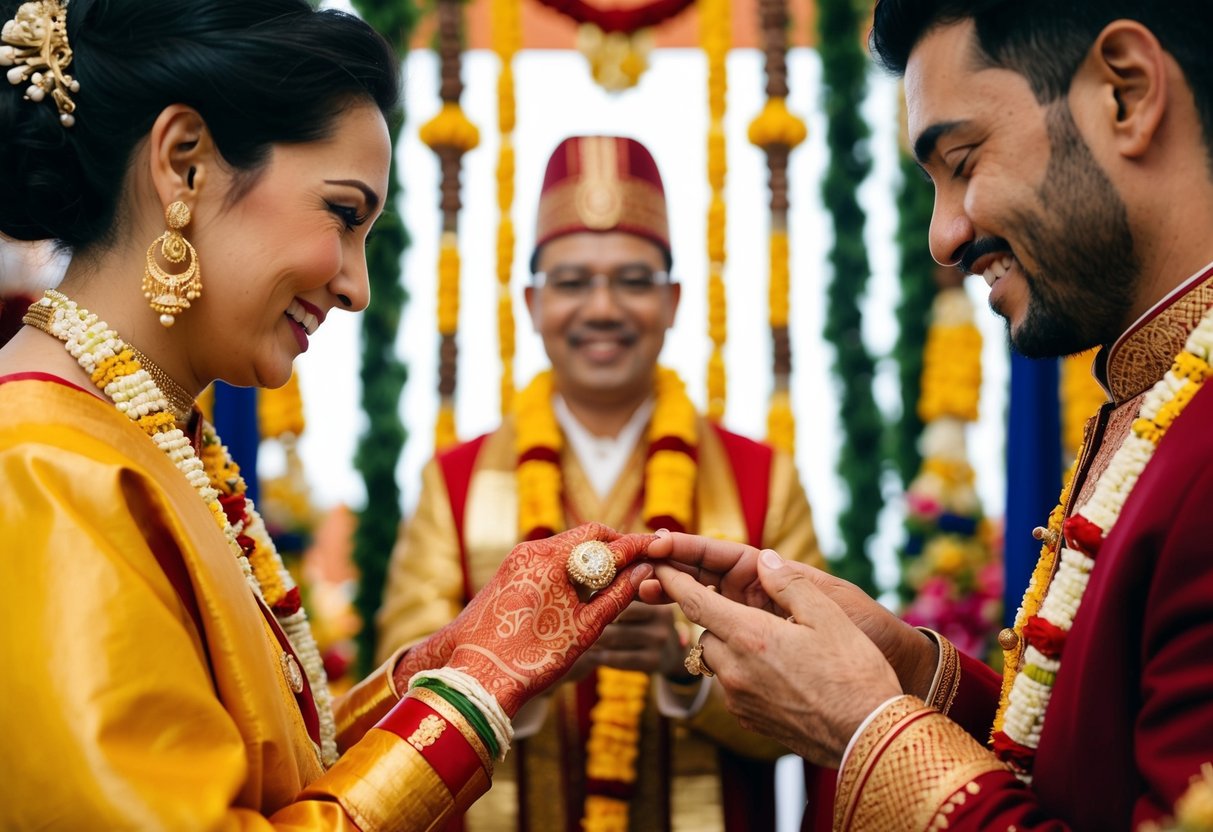
When referring to a newly married couple, cultural practices play a significant role. Understanding various religious and cultural perspectives, along with traditional customs, can help you choose the most respectful way to address them.
Religious and Multicultural Perspectives
Different religions have unique customs when it comes to addressing married couples. For instance, in many Christian traditions, it is common to address a couple using “Mr. and Mrs.” followed by the husband’s last name. This reflects traditional views on marriage.
In contrast, Jewish weddings often emphasize the individuals’ names. You might hear, “Mr. [Husband’s First Name] [Last Name] and Mrs. [Wife’s First Name] [Last Name].”
Many cultures encourage addressing couples by their first names or combined names after marriage. For example, Asian cultures may use the individual’s names and add “couple” for a personal touch, acknowledging both partners’ identities.
Traditional Western Customs
In traditional Western customs, addressing a married couple usually starts with “Mr. and Mrs.” This is followed by the family name. For example, “Mr. and Mrs. Smith.”
When the couple has different last names, using both first names, such as “Jane Smith and John Doe,” is increasingly common.
You may also see formal invitations using “Dr. and Mrs. John Doe” if one partner has a title. This shows respect for both individuals’ identities in a formal setting.
Understanding these traditions helps ensure that your greeting or invitation aligns with the couple’s preferences and cultural background.
Expressing Best Wishes and Congratulations
When celebrating a newly married couple, it’s important to express your best wishes and congratulations warmly and sincerely. This not only shows your happiness for them but also reinforces your support for their marriage. Here are some ways to convey your feelings thoughtfully.
Writing a Wedding Card
A wedding card is a classic way to express your feelings. Start with a simple greeting like “Congratulations” or “Best Wishes” to set a positive tone.
You can personalize your message by referencing specific aspects of their relationship, like how they complement each other. For example, “Your love shines brightly, and I can’t wait to see your future together.”
Include a wish for their marriage, such as, “May your journey together be filled with joy and happiness.” Ending with a warm closing, like “With all my love” makes it special.
If you’re writing for an intimate or micro wedding, keep your message heartfelt but concise.
Sample Wishes for Different Types of Ceremonies
Your wishes can vary, whether it’s a grand celebration or an intimate ceremony. For a traditional wedding, you might say, “I wish you both a lifetime of love and happiness.”
For an informal announcement, something lighthearted like, “Cheers to love, laughter, and your happily ever after!” works well.
In a same-sex or gender-neutral context, feel free to use phrases like, “Congratulations to the lovely couple!” This works for any type of union.
For those who had personal vows, you can reference that by saying, “Your vows were beautiful, and I admire your commitment.” Adapting your message to fit the couple will always matter.