
How Do You Say RSVP in a Nice Way? Thoughtful Alternatives for Your Invitations
When you receive an invitation, saying “yes” or “no” is important. A polite way to respond is to express your gratitude and clearly state your decision. This not only shows respect for the host’s planning efforts but also helps them manage the event better.
Using thoughtful language can make your RSVP more charming. You might say, “Thank you for the invitation! I would love to join you,” if you’re attending, or, “I appreciate the invite, but I won’t be able to make it this time,” if you’re unable to go. These small touches make a big difference in how your message is received.
Remember, RSVP etiquette is all about being courteous and timely. When you respond promptly and graciously, you contribute to a positive atmosphere for both the host and other guests. This simple act of respect can enhance your relationships and set the tone for future gatherings.
Understanding RSVP and Its Importance
When you receive an invitation that asks for an RSVP, it’s important to understand what this means. Responding is not just a formality; it helps your host plan the event effectively.
The Meaning of RSVP
RSVP stands for “Répondez s’il vous plaît,” which translates to “Please respond” in English. This phrase is a polite way for hosts to ask guests to confirm whether they will attend the event.
By responding, you show that you respect the host’s invitation. It also helps the host get an idea of how many people will be attending, allowing them to make necessary arrangements like seating and food.
An RSVP can be communicated in different ways—by phone, email, or even through online platforms. The important thing is to respond by the requested deadline, ensuring your host can plan properly.
Significance in Event Planning
RSVPs play a crucial role in event planning. Your timely response helps the host create a proper guest list, which is essential for organizing the event successfully.
Without a clear guest count, a host may struggle with seating arrangements, catering, and other logistics. For instance, if you decline the invitation, the host can invite others to fill your spot.
An RSVP deadline is also important. It gives you a specific timeframe to decide and respond, which helps the host finalize their arrangements with confidence.
Being considerate in your response contributes to a positive event experience for everyone involved.
Crafting Your RSVP Request
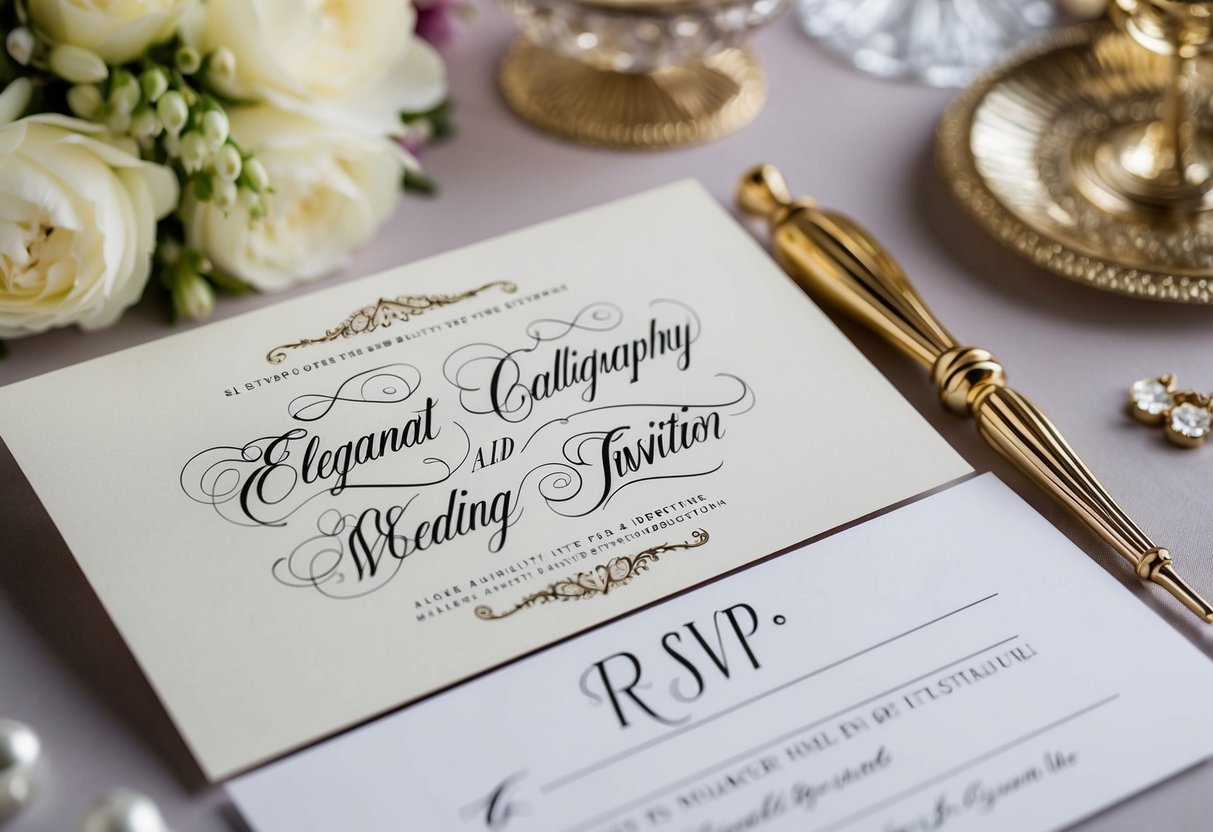
When crafting your RSVP request, you want to ensure clarity while matching the tone of your event. This means choosing the right words for formal occasions versus casual gatherings. Let’s explore how to create effective RSVP requests for different settings.
Formal Invitation Etiquette
For formal events, your RSVP wording should reflect the tone of the invitation. Use polite language that indicates the importance of the event.
Here are some phrases you can use:
- “The favor of a reply is requested by [date].”
- “Kindly respond by [date].”
Include spaces for guests to respond with “Accepts with pleasure” or “Declines with regret.” This ensures that their answer is clear and fits the formal nature of your event, such as a wedding or gala.
Using an RSVP card allows guests to complete their reply easily. Make sure to provide all the necessary details so your guests know exactly what is needed.
Casual and Fun Alternatives
For casual events, your RSVP wording can be more relaxed and playful. You want your guests to feel at ease while still responding. Here are some fun examples:
- “Can’t wait to see you! Please let me know if you can make it by [date].”
- “Join the fun! RSVP by [date] to save your spot!”
You can also use emojis or playful phrases to match the event’s vibe. Perhaps even consider inviting guests to text or email their response. This informal approach works great for birthday parties, BBQs, or casual get-togethers.
Remember, the goal is to make your invitation friendly and approachable.
The Role of RSVP Cards
RSVP cards play a key role in guest management for your events. They allow guests to respond simply and directly.
When designing your RSVP card, include:
- An RSVP deadline.
- Options for guests to indicate their attendance.
- Space for additional notes, like meal preferences or bringing a plus-one.
Make sure the RSVP card is easy to find in your invitation. You could also provide an online option for tech-savvy guests. This way, you can collect responses quickly and efficiently, keeping your planning organized. Properly crafted RSVP requests will help ensure a smooth event!
RSVP Response Guidelines
Responding to an RSVP is important for both the host and guests. The way you reply can vary depending on the formality of the event, how you choose to communicate, and any special needs you might have, such as dietary restrictions. Here are important points to keep in mind.
Responding to Formal Events
When you receive a formal invitation, it’s essential to show respect through your response. Begin by acknowledging the invitation with a polite message. Use phrases like “Thank you for inviting me” to express gratitude.
Make sure to respond promptly, ideally before the RSVP by date. You can say, “I gladly accept your invitation to the wedding on June 15.” If you cannot attend, it’s polite to state this in your reply and briefly explain why.
For formal RSVP messages, keep your language refined. Avoid casual expressions and ensure proper grammar. If you’re addressing a printed invitation, consider sending a handwritten note for a personal touch.
Replying to Informal Gatherings
With informal events, your response can be more relaxed. You might receive an invite via text or social media. Start with a friendly greeting. For example, “Thanks for the invite to your dinner party!”
Then, either confirm your attendance or let them know if you can’t come. You might text back, “I’d love to join on Saturday!” If your plans change and you need to decline, it’s courteous to respond quickly, saying, “I won’t make it, but have fun!”
Regardless of the situation, be clear and confirm your decision. This way, hosts can plan better, especially when it comes to food and space.
Managing Electronic and Online Responses
In today’s digital age, many invitations come through email or online platforms. When responding to an email RSVP, make sure to include a subject line, like “RSVP for Saturday’s Event.”
Keep your response short and to the point. You can write, “I appreciate the invitation and will be there!” If the invite is through a website, look for a reply button. Follow the instructions clearly to ensure your RSVP is recorded.
Remember, electronic communication is still formal. Use a polite tone and proper decorum. This shows respect for the host and the event.
Addressing Dietary Restrictions
If you have dietary restrictions, it’s important to mention them in your RSVP. When confirming your attendance, you might say, “I look forward to attending the wedding, but I’m allergic to shellfish.” This helps the host plan the menu and ensures that you have options.
If the invitation asks for dietary preferences, respond with specifics. You can write, “I am vegetarian and prefer not to have meat dishes.”
Being upfront about your dietary needs shows consideration for both yourself and the hosts. It can help prevent any awkward situations during the event.
Additional RSVP Considerations
When planning events, proper RSVP etiquette is essential for smooth experiences. Consideration of deadlines, integration into wedding planning, and handling non-responses helps ensure that you receive the responses you need in a timely manner.
Setting and Communicating Deadlines
Establish clear RSVP deadlines to ensure you have enough time for preparations. For weddings, a common deadline is about three weeks before the event. Include this date on your wedding RSVP card or wedding website.
When you communicate the deadline, be friendly yet firm. You might say something like, “We can’t wait to celebrate with you! Please RSVP by [date].” Reminders can be beneficial for busy guests. A simple email or text a week before can prompt those who haven’t responded yet.
Incorporating RSVP into Wedding Planning
Integrating RSVP processes into your wedding planning helps manage guests effectively. Use a wedding website to streamline responses. This makes it easy for your guests to RSVP and access important details, like dress code and venue information.
Consider including options for meal choices on the RSVP card or website. This small detail shows thoughtfulness and simplifies catering logistics.
Also, maintain a guest list tracking tool. A spreadsheet can help you monitor responses, update statuses, and avoid confusion.
Dealing with Non-Responses and Reminders
Non-responses shouldn’t stress you out. It’s common to have a few guests who don’t reply. Follow up politely with a friendly reminder. A quick call or message can help clarify their plans.
For corporate events, make sure you establish a clear RSVP policy. This might involve sending a second reminder a few days before the event. Consider offering a simple link to RSVP online, as it speeds things up.
Always approach reminders with kindness. You might say, “We’d love to know if you can join us!” Engaging with your guests this way creates a warm atmosphere.