
How Do You Serve Breakfast at a Wedding? Creative Ideas for a Delightful Morning Feast
When planning your wedding, think about how you will serve breakfast to your guests. Offering breakfast can be a delightful twist that adds a unique touch to your special day. You can serve breakfast at a wedding by choosing dishes that suit your style and the time of the event. These can include a buffet, plated meals, or even a fun brunch spread.
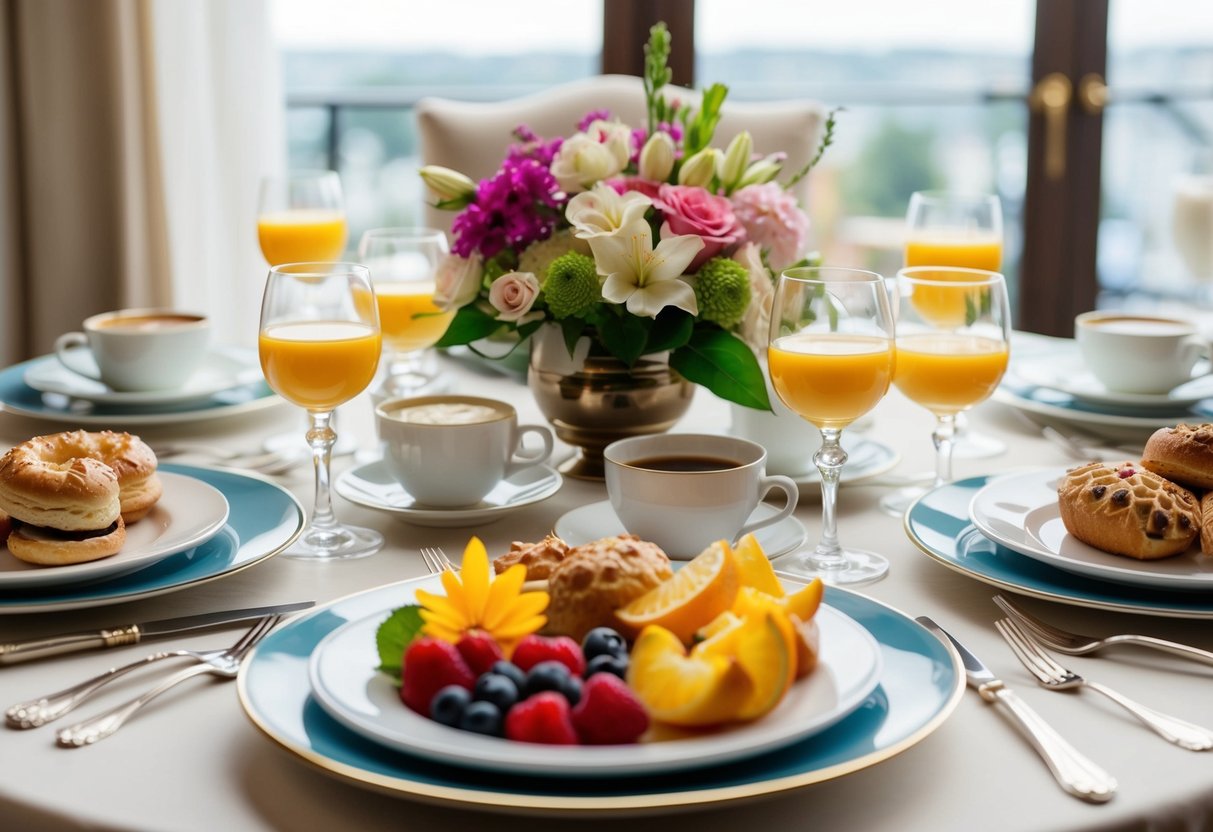
Think about your guests’ preferences and the vibe you want to create. Options like fresh pastries, fruit, and omelet stations are both tasty and visually appealing. Engaging your guests with enjoyable breakfast choices can transform the morning after your ceremony into a memorable gathering filled with love and laughter.
Remember that presentation matters too. Using beautiful plates and arranging your food well can enhance the breakfast experience. As you plan, consider how you want to celebrate this special meal together with family and friends.
Understanding the Tradition of Wedding Breakfast
The wedding breakfast is an important part of wedding traditions. It often symbolizes the first meal shared as a married couple. This meal can be a moment for family and friends to come together after the wedding ceremony.
The Meaning Behind Wedding Breakfast
The term “wedding breakfast” stems from the idea of breaking the fast after the wedding ceremony. Traditionally, this meal is enjoyed after a morning wedding. However, it can also happen during lunchtime or even in the evening.
In many cultures, this meal is a formal gathering that includes special dishes. It’s a way for the couple to celebrate with their guests. The wedding breakfast can reflect the couple’s personality and style—think about your favorite foods or cultural dishes.
Wedding Breakfast vs. Wedding Reception
It’s important to know how the wedding breakfast differs from the wedding reception. While the wedding breakfast occurs soon after the ceremony, the reception often happens later in the day. The wedding breakfast is typically a more intimate meal, often sit-down style, and can include speeches or toasts.
The reception, on the other hand, is usually a larger gathering with entertainment, dancing, and a buffet or a more casual meal. Many couples find that combining aspects of both can create a unique experience for their guests. This can include a traditional wedding breakfast followed by a lively reception later in the evening.
Planning Your Wedding Breakfast
Planning your wedding breakfast involves many details, from choosing the right venue to deciding on a menu that works for everyone. Each choice you make will impact the overall experience for you and your guests.
Choosing the Perfect Venue
Selecting a venue for your wedding breakfast is crucial. Look for a space that feels welcoming and suits the atmosphere you want to create.
Consider if you want an indoor or outdoor setting. Gardens or elegant ballrooms can set different moods.
Check if the venue has enough space for your guests and whether it’s easily accessible.
It’s also wise to verify what facilities are available, like kitchen access for catering.
Lastly, don’t forget to ask about available parking and transport options for everyone attending.
Deciding on the Menu
Your wedding breakfast menu sets the tone for the event. Start with deciding if you want a buffet, plated meals, or a more casual style like food stations.
Consider popular breakfast items like pancakes, eggs, and pastries. You can also include regional specialties or family favorites to add a personal touch.
Think about the time of day the breakfast is served. Late morning events might call for lighter fare, while earlier ones could include heartier options.
Consider including a few unique drinks or smoothies to complement your menu.
Your goal should be to please a variety of tastes while keeping it simple and enjoyable.
Catering to Dietary Requirements
Guest satisfaction is key, so addressing dietary requirements is a must. Start by asking your guests about their dietary needs during the RSVP process.
Common dietary needs to consider include vegetarian, vegan, gluten-free, and nut-free options.
Make sure your caterer is aware of these requirements and can provide suitable alternatives in every category of your menu.
Offering diverse choices ensures that everyone feels included and enjoys a delicious meal.
Labeling food items clearly at the event can also help guests make informed choices.
Setting a Budget for Breakfast
Creating a budget for your wedding breakfast will help you keep costs manageable. Start by determining how much you can spend on food and drinks.
Break down the budget into different categories, including venue rental, catering, and decorations.
Don’t forget to factor in costs for extra items such as tables, chairs, and serving staff.
It’s best to prioritize what’s most important to you. If food is a top concern, allocate a larger portion of your budget to that.
You might also want to seek quotes from multiple caterers to find the best fit for your budget.
Styles of Wedding Breakfast
When planning the style of your wedding breakfast, consider options that match your theme and guest preferences. You can choose from formal sit-down meals, innovative brunch ideas, or fun street food options. Each style offers a unique atmosphere and can enhance the celebration.
Elegant Sit-Down Meals
An elegant sit-down meal is a classic choice for a wedding. This style often features a three-course meal, including an appetizer, main course, and dessert. You can start with a refreshing salad or soup, followed by a choice of meat or a vegetarian dish.
Prosecco can be served to guests upon arrival, adding a touch of sophistication. Table settings can include beautiful centerpieces and fine dinnerware to create a formal atmosphere. The advantage of this option is the personalized service, ensuring that guests feel catered to throughout the meal.
This style can also accommodate dietary restrictions with prior notice, allowing everyone to enjoy the celebration. Overall, a formal sit-down dinner sets a polished tone for the event.
Innovative Brunch Options
If you prefer a relaxed celebration, consider an innovative brunch menu. A brunch wedding can include a variety of items, such as eggs benedict, pancakes, and fresh fruit. You can also include savory options like quiches or breakfast burritos for a creative twist.
Setting up a buffet allows guests to mix and match their favorites, making it fun and interactive. You might also offer specialty drinks like mimosas or bloody marys to complement the meal. This option is perfect for daytime weddings, creating a cheerful atmosphere that encourages guests to mingle.
Brunch provides flexibility with your menu, making it easier to satisfy different tastes. It’s a lively way to start your celebration and can create memorable experiences for your guests.
Creative Street Food and Food Trucks
For a modern touch, consider incorporating street food or food trucks into your wedding breakfast. This style brings an informal vibe and allows you to offer a range of cuisines. Options could include gourmet tacos, sliders, or even ethnic foods that reflect your heritage.
Utilizing food trucks means your guests can choose what they like, making it easy to cater to different preferences. Moreover, this setup encourages guests to gather and socialize, fostering a relaxed atmosphere.
This creative approach not only serves delicious food but also adds an element of fun to your wedding. It’s a great way to showcase your personality while providing a unique dining experience.
Special Touches for an Unforgettable Experience
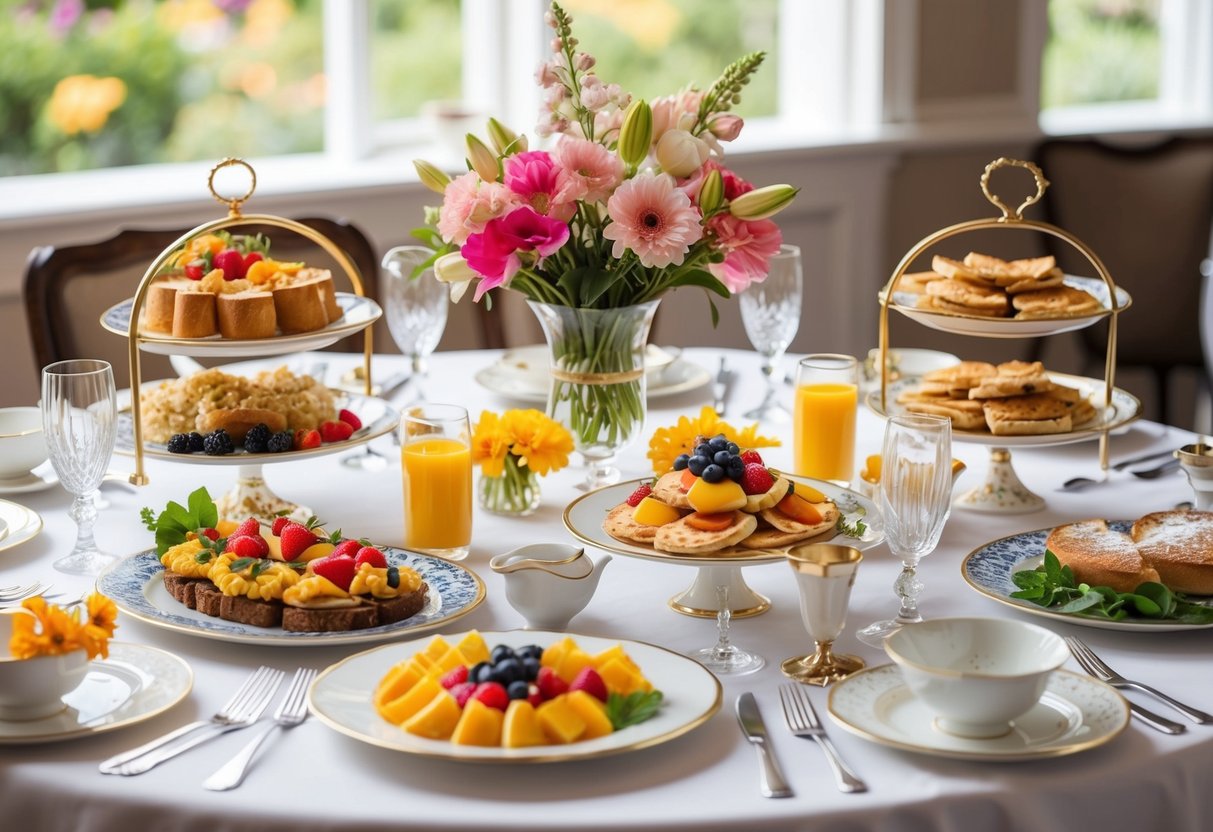
Creating memorable moments at your wedding breakfast is key to ensuring your guests have a wonderful time. Personal touches can elevate the experience and make the day truly special. Consider these elements to enhance your wedding breakfast.
Incorporating Wedding Speeches
Wedding speeches are a cherished tradition that adds emotion to your reception. To make them more personal, encourage family and friends to share heartfelt stories. You can even open the floor for guests to share short, spontaneous speeches during the meal. This creates a warm, interactive atmosphere.
You might also set up a designated time for speeches after the main course to keep the momentum going. Encourage speakers to keep their remarks light and engaging, blending humor with sentiment to capture everyone’s attention.
Selecting the Right Drinks and Toasts
The drinks you serve can greatly enhance the dining experience. Consider a mix of traditional options like champagne and prosecco, as well as fun alternatives like mimosas during a drinks reception. Offering a signature cocktail can add a personal touch, allowing you to showcase your taste.
As guests enjoy their drinks, plan for toasts at key moments. Encourage your speakers to raise their glasses with a personal anecdote or a heartfelt message. This not only makes the moment more memorable, but also fosters connection among your guests.
Designing a Memorable Wedding Cake
The wedding cake is often the centerpiece of the meal and a highlight of the event. Choose a design that reflects your style and theme. Whether it’s a classic tiered cake or something more modern like a naked cake, it should be visually stunning.
Flavor is just as important. Consider incorporating unexpected flavors or a variety of cake types to please different palates.
If you’re having afternoon tea or a more casual setting, a grazing table or sharing platter featuring mini desserts can also be a delightful alternative. This kind of setup encourages mingling and adds a cozy feel to your wedding breakfast.