
How Do You Start a 3 Minute Speech? Tips for Engaging Your Audience Quickly!
Starting a three-minute speech can feel daunting, but it doesn’t have to be. You can grab your audience’s attention right away by briefly introducing yourself and highlighting a significant achievement or a compelling story that relates to your topic. This sets a positive tone and helps establish your credibility from the beginning.
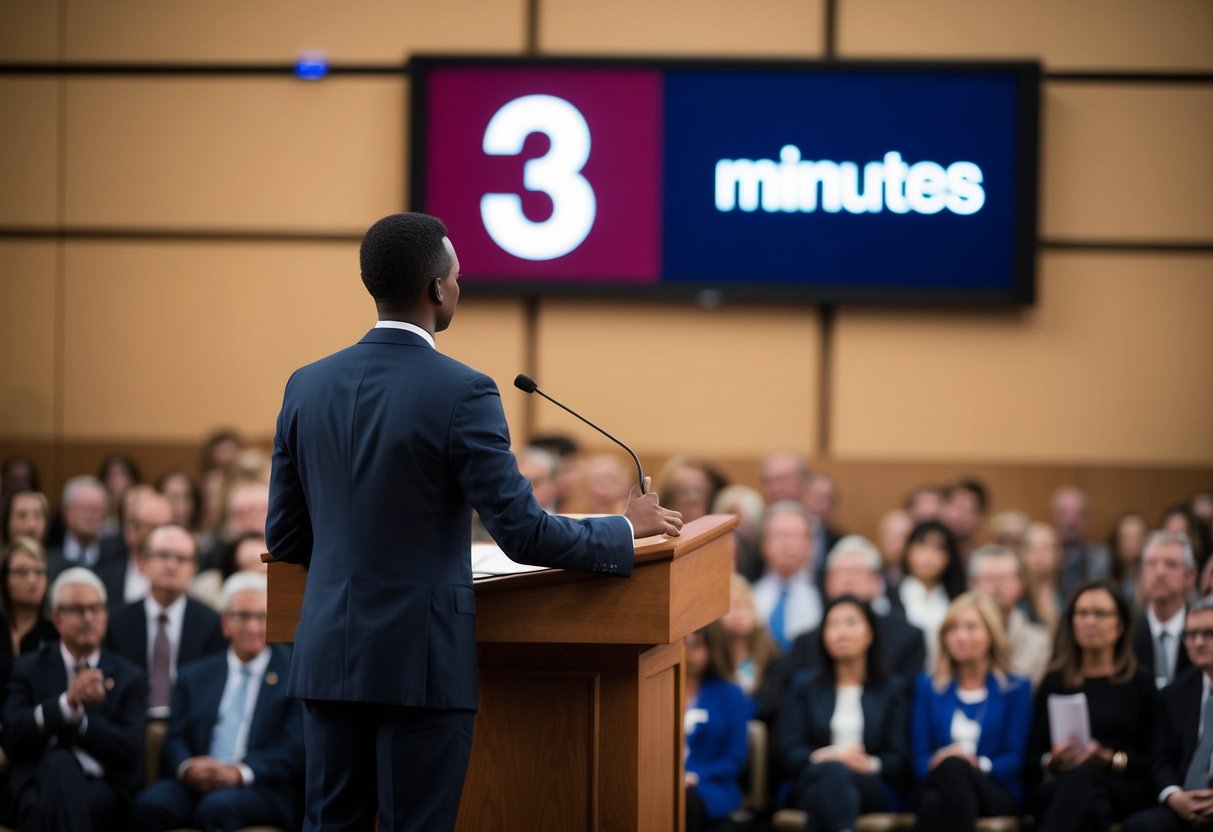
After your introduction, share a bit about your educational background or your current position. This not only adds context but also connects your audience to your journey. Remember, people are interested in engaging stories that relate to the points you will discuss.
As you prepare, think about how you can make your opening memorable. A strong start will not only capture attention but will also prepare your audience for what’s to come. By the end of your introduction, your listeners should be eager to hear more!
Crafting Your Speech Content
Creating a 3-minute speech requires focused content that captures your audience’s attention. You want to make every second count. The following steps will help you identify your key points, structure your speech effectively, and enhance your message with impactful language.
Identifying Main Points
Start by deciding on 2 to 3 main points you want to share. These should be the backbone of your speech. Focus on the message you want your audience to remember.
Consider a clear and concise topic for each point. Ask yourself a few questions:
- What do I want my audience to take away?
- Why is this topic important?
- How will I relate this to my audience?
Once you have a list, pick the most relevant points for the time you have. This will help narrow your focus and enhance clarity, ensuring that you stay within the time constraints of a 3-minute presentation.
Structuring in Chronological Order
A simple yet effective way to structure your speech is to use a chronological order. This method can make your message flow more naturally.
Begin with an introduction to your topic, then move through your points step-by-step.
For example:
- Introduction: Briefly present your main topic.
- Point 1: Introduce your first main point.
- Point 2: Discuss your second main point.
- Conclusion: Wrap up with a summary.
Chronological structure helps your audience follow along easily, making it less likely they’ll lose track of what you’re saying during your short speech.
Developing a Powerful Opening
Your opening is critical in making a strong first impression. You want it to be engaging and memorable. Consider starting with a rhetorical question to pique curiosity. For instance, ask, “Have you ever wondered why…?”
Another option is to use a brief anecdote or a striking fact related to your main points. This grabs attention right away and sets the stage for what’s to come.
Remember, your goal is to hook the audience in the first few seconds. A powerful opening increases the chances they will remember your message long after your speech is done.
Incorporating Verbal Illustrations and Metaphors
To make your speech memorable, include verbal illustrations and metaphors. These tools can paint vivid images in your audience’s minds.
For example, when discussing challenges, you might say, “It’s like climbing a steep mountain.” This not only illustrates your point but also makes it relatable.
When you use these techniques, always ensure they are relevant and supportive of your main ideas. Keep your language clear and avoid overcomplicating things.
Using metaphors effectively can help convey complex ideas simply, ensuring your speech resonates even with time constraints.
Mastering Presentation Skills

To make your 3-minute speech effective, it’s important to master key presentation skills. This involves using body language, engaging with visual aids, and practicing your delivery. These elements play a significant role in keeping your audience interested and ensuring your message is clear.
Using Body Language Effectively
Your body language speaks volumes, even when you’re not using words. Make eye contact to connect with your audience. This helps build trust and keeps them engaged. Use open gestures to appear confident and approachable.
Standing tall with a relaxed posture shows you are in control. Avoid crossing your arms, as this can seem defensive. Instead, use gestures to emphasize points you are making. This adds energy to your speech and helps illustrate your ideas.
Practice moving around the space if possible. This can help keep your audience’s attention. Just remember to avoid fidgeting, as it can be distracting. Focus on your movements to ensure they enhance, rather than detract from, your message.
Engaging with Visual Aids
Visual aids can greatly enhance your presentation. They help to clarify your message and maintain interest. You might use slides, charts, or even props to visually represent your ideas.
Keep your visuals simple and clear. Use bullet points to highlight key information, and limit text to avoid overwhelming your audience. Ideally, visuals should support your speech, not replace it.
Remember that images often speak louder than words. A relevant picture or graph can help emphasize a point. Just make sure your visuals are high quality and easily visible, even from the back of the room.
Practicing Delivery and Timing
Delivery is crucial for keeping your audience engaged. Practice speaking at a steady pace, aiming for about 120 to 150 words per minute. This allows your audience to absorb information without feeling rushed.
Use a timer to ensure your speech stays within the 3-minute limit. Time yourself while practicing, and adjust as needed. This way, you’ll feel confident that you can cover all your points without running out of time.
Rehearse in front of a mirror or record yourself. This helps you identify areas for improvement, including body language and pacing. The more you practice, the more comfortable you will feel when presenting.
Concluding with Impact
A strong conclusion is essential for making your speech memorable. It ties together your main points and gives the audience something to take away. Here are important techniques you can apply to close effectively and leave a lasting impression.
Applying Closing Techniques
To conclude your speech, consider using effective closing techniques. One popular method is to summarize your main points briefly. This reinforces your message.
Another technique is to ask a thought-provoking question. This encourages your audience to reflect on your topic.
You might also share a compelling story or quote that relates to your theme. Such elements can resonate well with your listeners and make your ending more impactful.
Remember to clearly signal that you are ending your speech. This prepares your audience, so they know to pay extra attention. Body language, like facing the audience, can also help with this signal.
Leaving a Lasting Impression
To create a lasting impact, think about how you can connect with your audience. Share personal anecdotes or relevant background information that relates to your experiences. This makes your speech feel more genuine.
You should also aim for a strong finishing line. A memorable statement or a call to action can prompt your audience to think or act differently.
Consider using visual aids or simple props if relevant. These can help enhance your message and stay with your audience long after your speech ends.
Incorporating these strategies into your three-minute self-introduction speech can significantly elevate your presence and effectiveness as a speaker.