
How Do You Stop People from Taking Photos at Your Wedding? Simple Tips for a Private Celebration
Planning your wedding includes many details, and one important decision is how to handle photography by guests. It can feel overwhelming when trying to maintain the intimate atmosphere of your special day while also considering the wishes of your family and friends. The best way to stop people from taking photos at your wedding is to communicate your wishes clearly in advance.
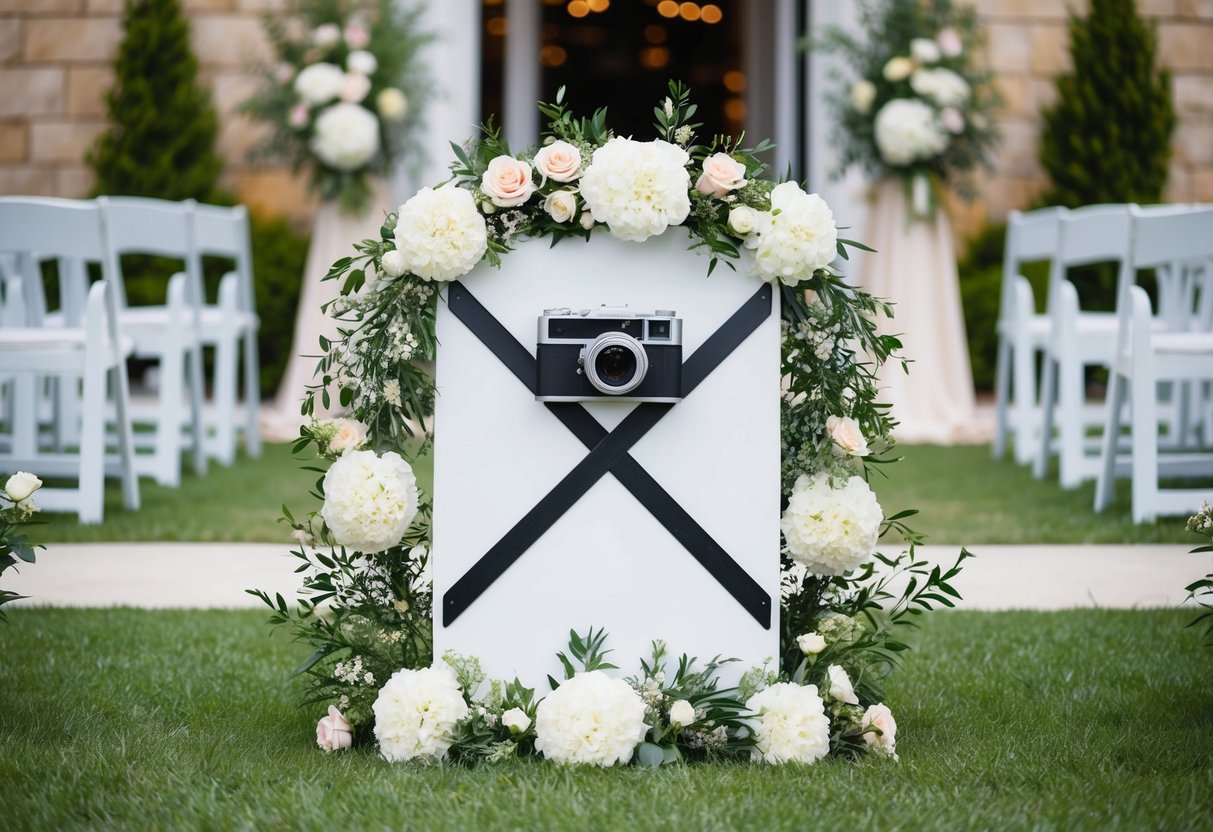
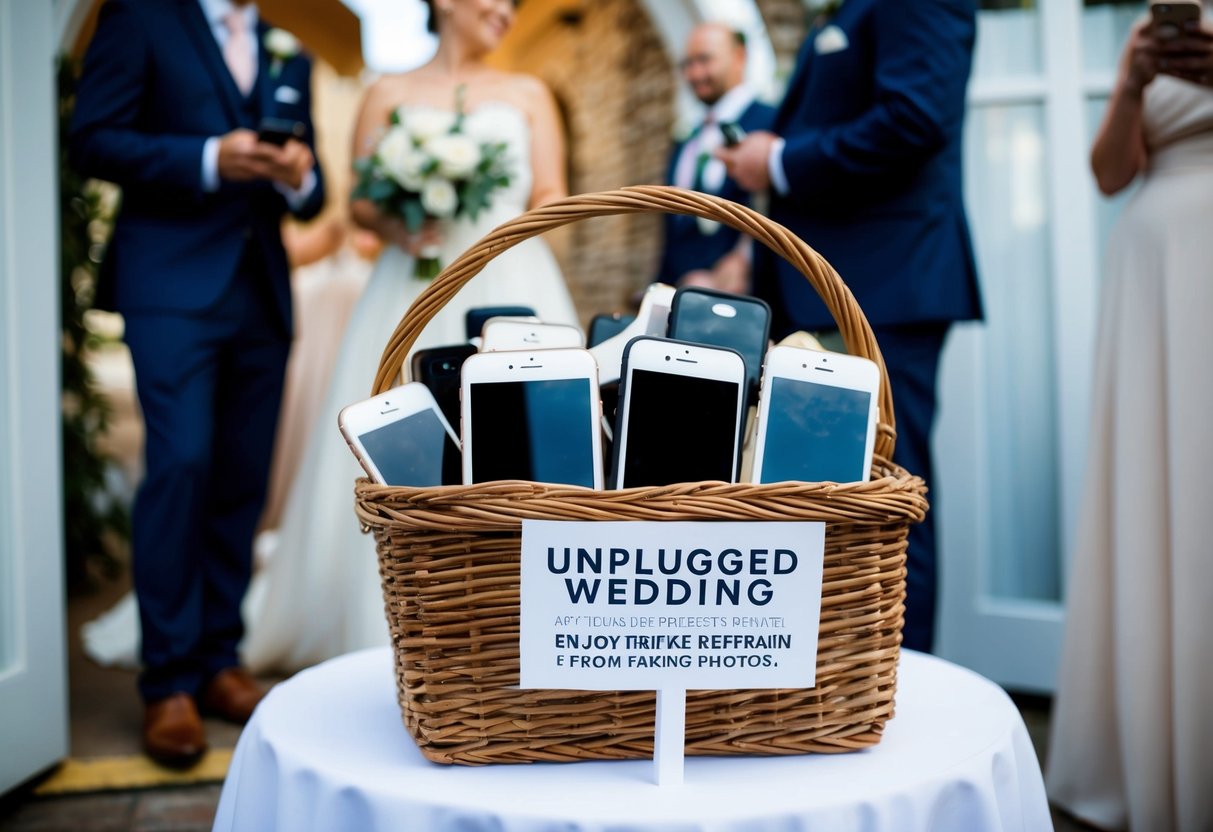
Consider informing your guests early on through your wedding website or invitations. Share your feelings about photography so they know what to expect. You might even want to post a polite sign at your ceremony to remind everyone about your wishes. This way, you can enjoy your day without the distraction of phones and cameras, allowing everyone to be fully present.
Remember, you can set the tone for your wedding, and your guests will likely respect your preferences if you express them kindly. With the right approach, you can create a beautiful, unplugged celebration that focuses on the love shared between you and your partner.
Communicating Your Wishes
To ensure your wedding day aligns with your preferences, clear communication is vital. You can effectively share your desire for limited photography through invitations, day-of signage, and verbal announcements.
Invitations and Reminders
One of the best ways to communicate your wishes is through your wedding invitations. Include a polite note asking guests not to take photos during the ceremony and reception. For example, you can write, “We kindly request that our guests refrain from using cameras and smartphones during the ceremony.”
Additionally, consider sending a reminder closer to the wedding date. A simple message or email can reinforce your request. This approach sets the expectation early, allowing guests to plan accordingly. You’ll find that most will respect your wishes once they understand your intent.
Day-Of Signage
Using signs on the day of your wedding is another effective method. Place friendly reminders at the entrance of your ceremony and reception areas. Signs could say something like, “Welcome to our unplugged ceremony—please silence your phones and enjoy the moment!”
You can also use decorative frames or easels to attract attention. Clear and cheerful language helps convey your request without sounding harsh. You want your guests to feel included while respecting your photo policy.
Verbal Announcements
On your wedding day, a verbal announcement can be an effective tool. Consider asking your officiant to mention your wishes during the ceremony. A short statement like, “The couple requests that you enjoy the day without taking photos,” can help set the tone right away.
You might also ask a close friend or family member to remind guests during the reception. By involving someone familiar, it adds a personal touch. Remember, keeping the tone light and friendly encourages guests to follow your request while enjoying your special day.
Creating an Unplugged Ceremony
An unplugged ceremony focuses on keeping guests’ devices away during your wedding. This practice encourages everyone to be present and enjoy the moment. Here are some important steps to ensure it runs smoothly.
Setting Clear Expectations
Start by informing your guests about your unplugged wedding during the invitation process. Include a note in the invites or on your wedding website. Use clear wording, such as “We kindly ask that you refrain from taking photos during the ceremony.”
Reinforcing this message helps everyone understand your wishes. A simple sign at the entrance can remind guests upon arrival. Communicating your request in advance supports a respectful atmosphere and lets guests prepare for the experience.
Designating a Photo Time
To balance your desire for an unplugged ceremony with guests’ excitement to capture moments, consider setting designated photo times. Let your guests know that they can take pictures after the ceremony or during the reception.
By scheduling an official photo time, your guests will feel included in your celebration while keeping distractions to a minimum during the vows. This way, they can still snap great shots of you and your loved ones without interrupting the ceremony.
Additionally, your professional photographer will appreciate this plan as it allows them to focus on capturing key moments without interference.
Enlisting Help to Enforce Rules
Enlisting a few trusted friends or family members to help enforce the unplugged policy can ease your worries. Choose people who understand your vision and have a friendly demeanor.
Ask them to remind guests kindly before the ceremony starts. You can also have your officiant make an announcement. This approach reinforces the idea without seeming harsh.
Having supporters can create a respectful atmosphere and allow you to enjoy the ceremony without worrying about phones or cameras.
Alternative Photo Sharing Solutions
If you’re looking for ways to share wedding photos without overwhelming your guests or losing control over social media, there are several creative options. Consider setting up a fun DIY photo booth, an instant photo guestbook, or designated sharing platforms. Each method offers a unique way for you and your guests to enjoy the memories while keeping things organized.
DIY Photo Booth
Creating a DIY photo booth can be a highlight at your wedding. You can set up a designated area with props, backdrops, and a camera on a tripod. This setup encourages guests to take fun pictures without needing to pull out their phones during the ceremony.
Make it easy by providing a printer so guests can instantly print their photos. You can even add a creative twist by having them sign a guest book beside their printed photo. This way, you’ll have both their pictures and messages all in one place.
Instant Photo Guestbook
An instant photo guestbook is another fantastic idea. Set up a station where guests can take photos and immediately paste them into a scrapbook. Provide markers and stickers for them to write personal messages beside their pictures.
This method offers a tangible keepsake you can cherish for years. You’ll find that guests enjoy engaging with this interactive option, and it prevents everyone from snapping photos constantly with their phones.
Designated Sharing Platforms
Consider using designated sharing platforms to organize your wedding photos. You can create a private album on apps like Google Photos or a shared album using platforms like The Knot. This allows guests to upload their photos securely, maintaining privacy settings you choose.
You can mention this option on your wedding website so guests know where to go for shared pictures. Clearly communicate how they can upload their photos to keep everything neat and in one place. This method not only centralizes your wedding photos but also allows you to share memories with family and friends later on.
Incorporating Technology
Using technology can help you manage how photos are shared during your wedding. By embracing specific tools and ideas, you can create a balance between having your special moments captured and controlling the distractions that come with guests taking pictures.
Wedding Hashtags
Creating a unique wedding hashtag allows you to encourage guests to take pictures while keeping them organized. Choose a hashtag that is simple and memorable, combining your names or a fun phrase.
Let your guests know about the hashtag by displaying it on signs at the venue. You could also include it in your invitations. This way, everyone can share their photos online, making it easy for you to find and enjoy captured memories later.
Encouraging Selective Sharing
To encourage selective sharing, designate specific times for guests to snap photos. For example, let everyone know when they can take pictures during the cocktail hour or reception. This ensures the ceremony remains distraction-free, yet guests still have opportunities to capture moments.
Consider having areas with fun backdrops for photography to entice guests to share their experiences. This keeps the focus on the celebration without intruding on the more intimate parts of your day. You want guests to enjoy the wedding while also respecting your wishes regarding photography.