
How Do You Use Officiant in a Sentence? Simple Examples Explained
When planning a wedding, you must choose the right officiant. The officiant is the person who leads your ceremony and makes it official. You can use officiant in a sentence like this: “We asked a close friend to be our officiant at the wedding.” This not only shows the role they play but also personalizes your celebration.
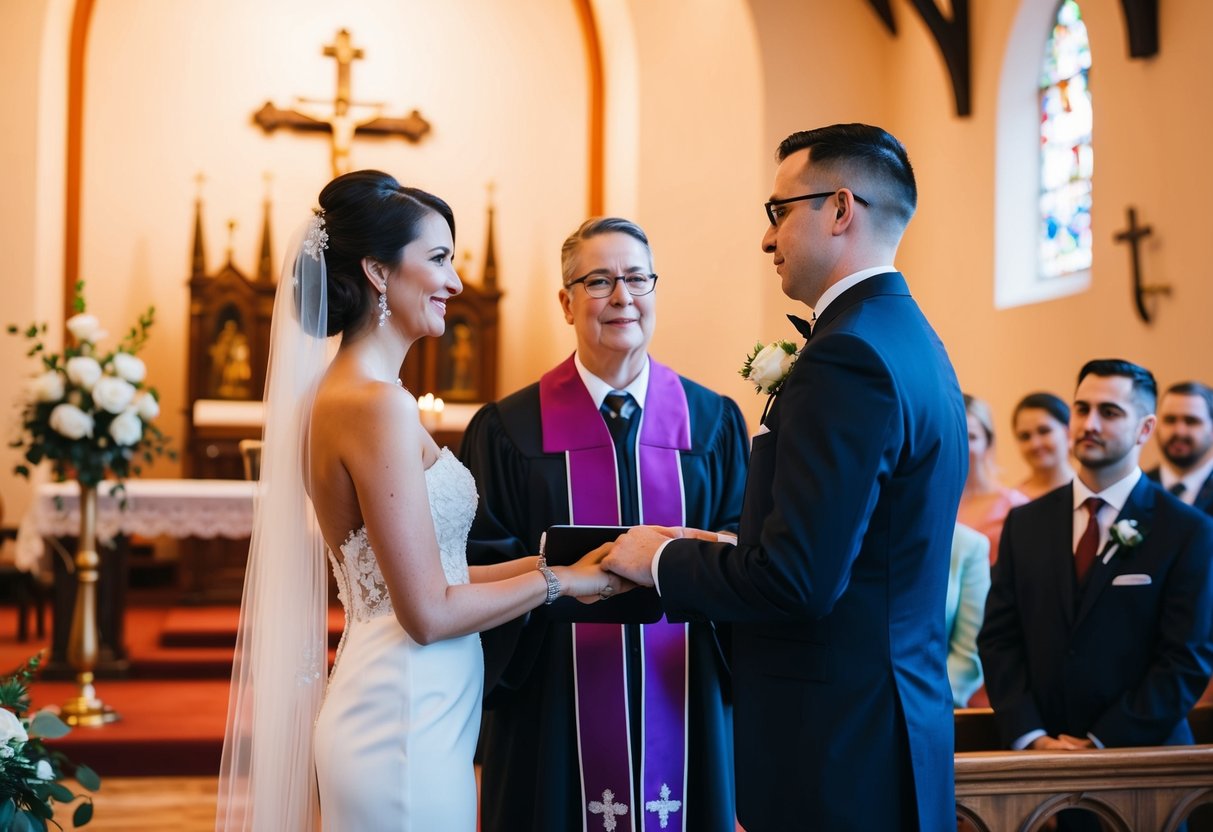
Using the word officiant can help you express your wedding plans more clearly. Whether your officiant is a religious leader, a friend, or a professional, mentioning them in your conversations or written plans can let others know about the special touch they will bring to your ceremony.
As you think through your wedding details, remember that having the right officiant can set the tone for your entire ceremony. This word can help you share your vision and ensure that everyone understands the significance of the person you choose to officiate your special day.
Understanding the Role of an Officiant
An officiant plays a vital part in wedding ceremonies. They guide couples through their vows and ensure the ceremony meets legal requirements. Knowing the specific duties of an officiant helps you appreciate their role better.
Definitions and Duties
An officiant is an individual authorized to conduct a wedding ceremony. This person can be a religious leader, a judge, or a legally appointed individual.
Their main duties include:
- Leading the Ceremony: The officiant guides the couple through each part of the ceremony.
- Speaking Vows: They prompt the couple to say their vows, ensuring everything flows smoothly.
- Legal Responsibilities: The officiant ensures the marriage is legally binding by signing the marriage license after the ceremony.
You can trust the officiant to create a meaningful experience that reflects your relationship.
Officiant vs. Wedding Coordinator
While both roles are important, an officiant and a wedding coordinator serve different purposes.
-
Officiant: Focuses on the ceremony itself. They handle the legal aspects and ensure the vows are exchanged properly.
-
Wedding Coordinator: Manages the details of the entire event, including vendor contacts, timelines, and logistics.
Both help cover your big day, but the officiant is dedicated to the ceremony’s spiritual and legal aspects. Understanding these roles can make planning your wedding easier and more organized.
Planning Your Ceremony with an Officiant
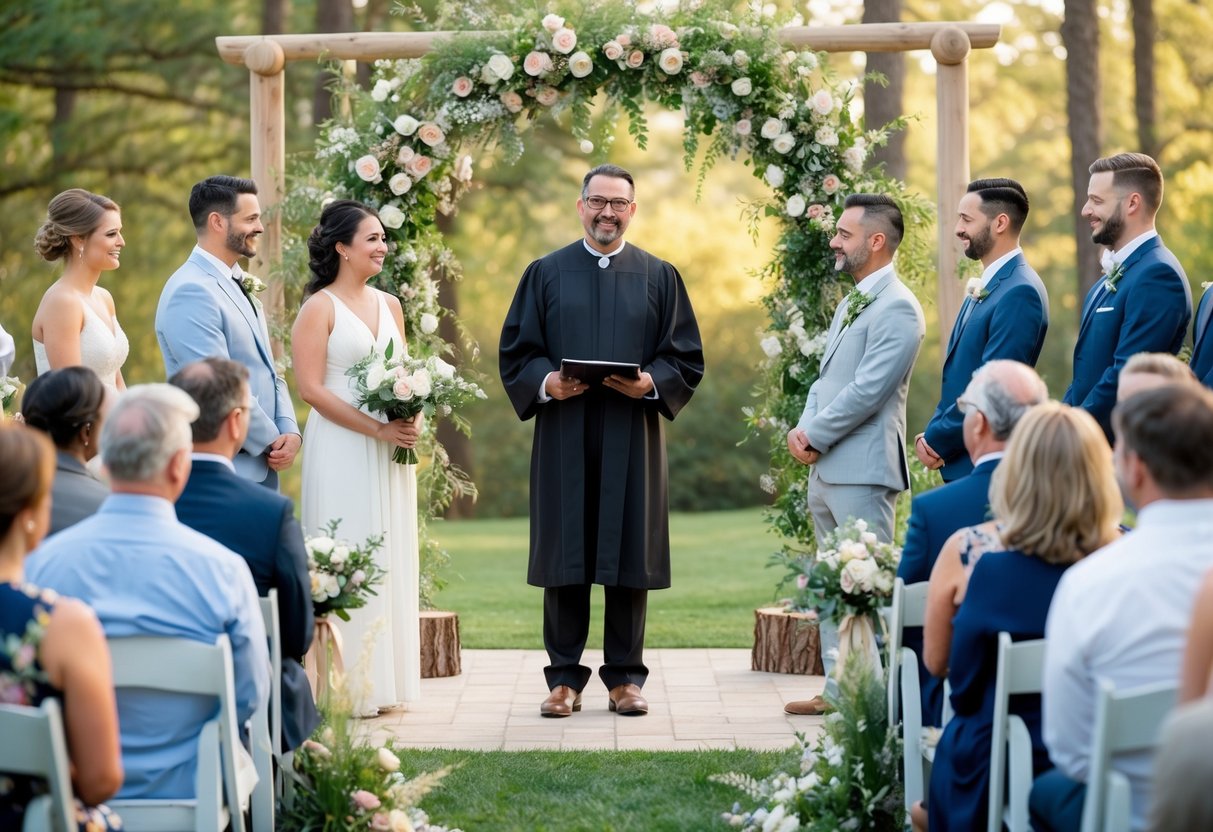
Choosing the right officiant is a vital step in planning your ceremony. They play a key role in making your wedding day special and legally binding. Here are important factors to consider when selecting, customizing, and understanding the legal aspects of working with your officiant.
Selecting the Right Officiant
When picking an officiant, consider their style, personality, and experience. Think about whether you want a religious or secular ceremony. Do you prefer a formal or casual atmosphere? Meet potential officiants to see if their vibe matches yours.
Ask about their experience, especially with the type of ceremony you want. Check if they are licensed to officiate weddings in your area. A personal connection with your officiant can make your vows feel more genuine.
Customizing Your Ceremony
Your ceremony should reflect your love story. Discuss your ideas with your officiant. They can help you craft personal vows and select readings that resonate with you.
Consider incorporating unique rituals, such as sand ceremonies or handfasting. This adds depth and meaning to your event.
Don’t forget to include family and friends’ contributions. They can share readings or participate in special moments. Your officiant can guide you in blending traditions and modern elements seamlessly.
Understanding Legal Requirements
It’s essential to understand the legal aspects of your ceremony. Your officiant will help with the marriage license and certificate. Make sure you know what’s needed in your state or country.
In many places, you both need to apply for a marriage license ahead of time. Be aware of the waiting period, as some areas require time before the ceremony can take place.
Your officiant will sign the marriage license after the ceremony. They will also file it with the local office to make your marriage official. Make sure to discuss these steps with them to avoid any last-minute surprises.
Additional Wedding Services
Planning a wedding involves many details, and additional services can enhance your special day. From capturing memories to delicious food, these services can make your celebration memorable.
Photography and Music
Every wedding deserves beautiful photographs and enchanting music. Photography services are essential for capturing those special moments, from the ceremony to the reception. You can choose a photographer who specializes in weddings to ensure they understand the best shots to take.
For the music, consider selecting ceremony music that reflects your personality. Many couples opt for live musicians or DJs to create the perfect atmosphere. You might also enjoy a playlist that features your favorite songs.
Catering and Celebrations
No wedding is complete without delicious food and a stunning cake. Catering options can range from formal sit-down dinners to buffet-style serving, depending on your preferences. It’s important to discuss dietary restrictions with your caterer to accommodate all guests.
Don’t forget about the wedding cake! Choosing a cake that fits your theme can add a delightful touch. You can pick flavors that you and your partner love, making the cake a personal symbol of your relationship.
Special Packages
Many venues and planners offer special packages that combine several services. For example, some may include photography services, catering, and even a keepsake marriage certificate. This can simplify planning since you only have to coordinate with one provider.
If you’re considering unique options, look into Norwegian cruises wedding packages. These packages provide a beautiful setting and often include various services like onboard photography and entertainment. This option can make your wedding a wonderful adventure.
Tips for a Memorable Wedding Experience
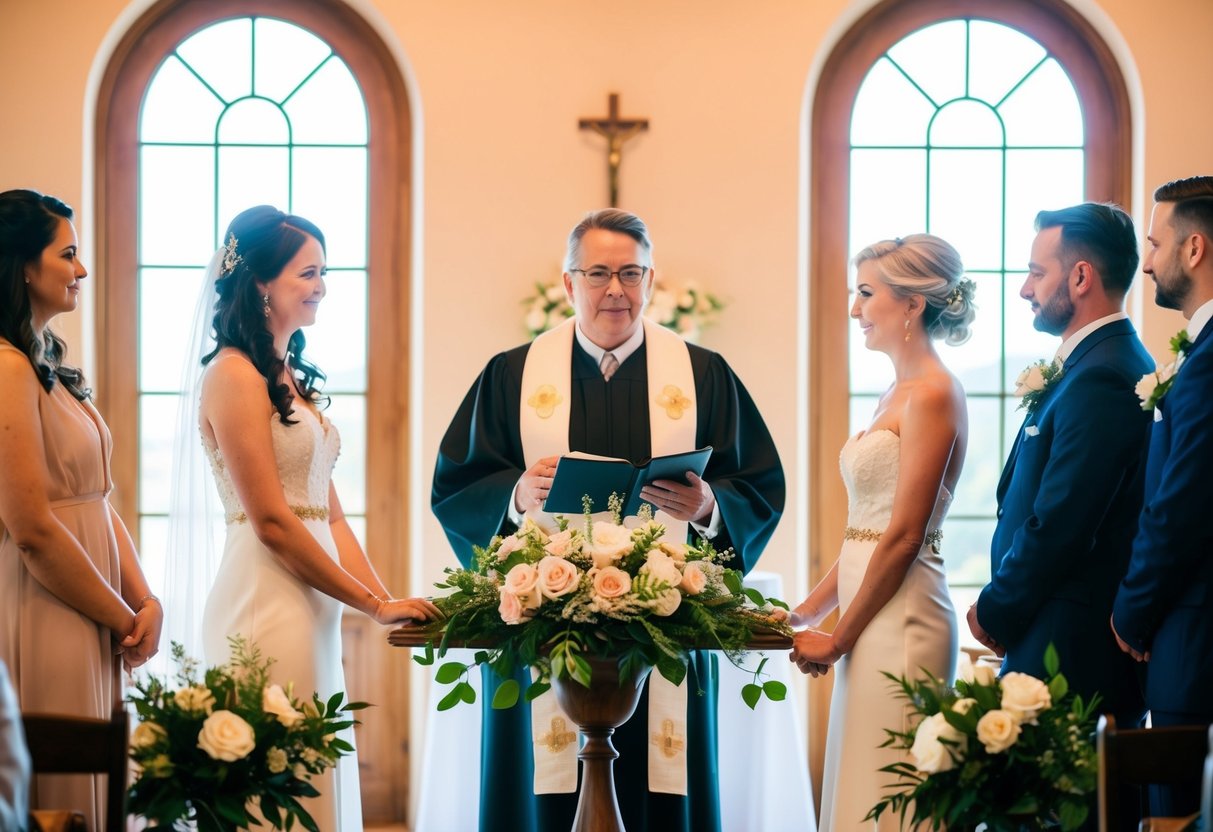
To create a memorable wedding ceremony, start by hiring an officiant who understands your vision. A good officiant knows how to weave your love story into the ceremony.
Personalize your vows. Intelligent rephrases of traditional vows can make them feel fresh and true to your relationship. Don’t hesitate to add personal anecdotes!
Consider the atmosphere. Using wine or champagne during toast moments adds a celebratory touch. It invites everyone to join in the joy of your marriage.
If your wedding includes a religious service, make sure to incorporate meaningful faith elements. This can enhance the spiritual connection for you and your guests.
Invitations play a crucial role. Ensure they reflect your wedding theme and offer clear details about the ceremony. Think of creative ways to invite family and friends to celebrate.
Incorporating baptismal parties or blessings can add depth if your faith supports it. These elements create lasting memories and show the importance of community in your marriage.
Finally, consider using an AI grammar checker for your wedding scripts. This ensures everything flows smoothly. Additionally, AI fluency suggestions can help you craft heartfelt speeches that resonate with everyone.
Use synonyms to find the perfect words that express your feelings. This thoughtful wording will make your ceremony truly unique.