
How Do You Write Husband and Wife Name on Invitation? Simple Tips for Perfectly Addressing Your Invites
When addressing wedding invitations, you need to get the names right to honor both partners. Traditional invitations typically list the husband’s name first, followed by the wife’s name. For example, you might write “Mr. and Mrs. John Smith.” This format shows respect and reflects time-honored wedding invitation etiquette.
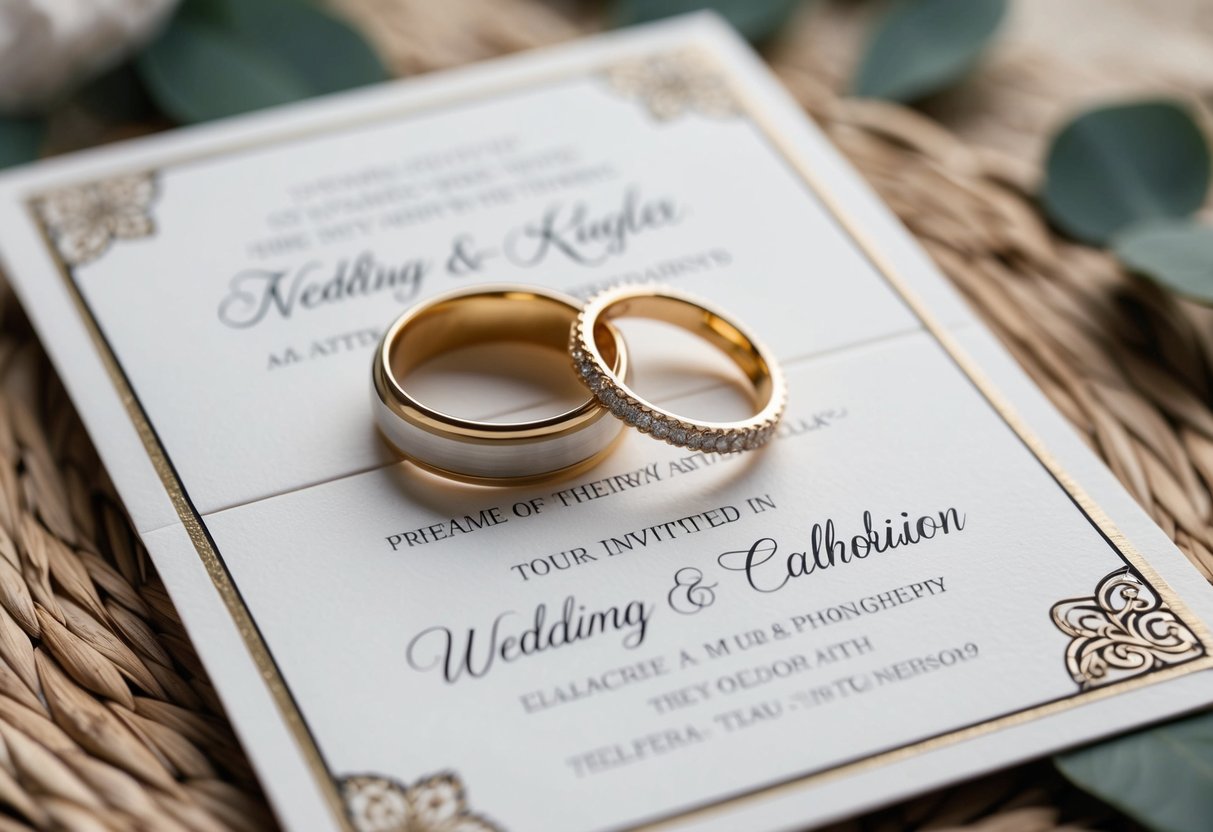
However, today many couples prefer to be listed in a way that feels equal. If both partners want their names to stand out, consider using a format like this: John Smith and Jane Doe. This approach can be used for same-sex couples as well, allowing you to show your unique style while adhering to invitation etiquette.
Getting the names right on your wedding invitation is just one step toward an unforgettable event. You’ll not only provide guests with clear information, but you’ll also set the tone for a celebration of love and unity.
Understanding the Basics of Invitation Addressing

When addressing wedding invitations, knowing the proper format is essential. This section explains how to use outer and inner envelopes effectively and how to choose appropriate titles for your guests.
The Role of Outer and Inner Envelopes
Outer envelopes serve as the first impression of your invitation. They should display the full names and addresses of your guests. For formal weddings, use titles such as “Mr. and Mrs.” for married couples. If both have a title, list them together as “Dr. and Mrs. Smith.”
Inner envelopes are less formal. They often only show the first names of the guests, like “Emily and John.” This adds a personal touch. If children are included, specify their names on the inner envelope, such as “Emily and John Jr.”
Using both envelopes keeps your invitations neat and organized, adding to the overall elegance of the event.
Choosing the Right Titles for Guests
Choosing titles for your guests is an important aspect of invitation etiquette. For example, use “Mr.” for men and “Mrs.” or “Ms.” for women. If the woman prefers her maiden name, address her as “Ms. Jane Doe.”
For couples with different last names, write “Mr. John Smith and Ms. Jane Doe.” If either partner has a professional title, like “Doctor” or “Captain,” use it. You can write “Dr. John Smith and Dr. Jane Doe” to show respect.
Consider the tone of your wedding when selecting titles. For casual weddings, you might choose a modern approach using just first names. Ensuring proper titles helps everyone feel acknowledged and respected, making your invitations feel special.
Wedding Invitation Wording for Couples

Writing wedding invitations can seem tricky, especially when it comes to naming the couple. Knowing how to properly address married couples, those with different last names, and same-sex couples can help make the process easier.
Addressing Married Couples with the Same Last Name
When both partners share the same last name, the traditional format is straightforward. You will use “Mr. and Mrs.” followed by the husband’s full name. For example:
- Mr. and Mrs. John Smith
This method is respectful and widely understood. If the couple prefers a more modern touch, you can write:
- John and Jane Smith
Including both first names keeps it friendly and personal.
If the couple has children and you want to include their names, it would look like this:
- Mr. and Mrs. John Smith and Family
Showing the family’s unity is a nice touch on wedding invitations.
Navigating Different Last Names and Same-Sex Couples
For couples who have different last names, use both names clearly. Here are some options:
- Mr. John Smith and Ms. Jane Doe
- John Smith and Jane Doe
This format ensures everyone feels valued.
For same-sex couples, either partner can be listed first, based on their preference. You could write:
- Mr. Liam Jones and Mr. Noah Brown
Or:
- Ms. Emma Davis and Ms. Olivia Taylor
Using both names promotes equality and respect.
Honoring Divorced and Unmarried Couples
When addressing divorced women, include their first name followed by their last name. For example:
- Ms. Sarah Johnson
If she has remarried, it is often appropriate to use her new husband’s name, if that’s her choice:
- Mr. and Mrs. David Lee
Unmarried couples can be addressed together if they live together or are in a long-term relationship. For instance:
- John Smith and Jane Doe
This shows acknowledgment of their partnership. Always check with the couple for their preferred wording to ensure everyone feels comfortable.
Formatting and Ordering Your Guest List

Getting your guest list organized is important for a smooth invitation process. You’ll want to pay attention to how you address your envelopes and the order in which you arrange the names.
Addressing Envelopes and Formalities
When addressing wedding invitations, it’s essential to use the correct format. For a husband and wife, write “Mr. and Mrs. [Husband’s Full Name].” This shows respect and maintains formality.
If both partners are attending, list their names separately—like this: “Mr. John Smith and Mrs. Jane Smith.” If you’re inviting a same-sex couple, you can list their names either way, such as “Mr. Alex Johnson and Mr. Ryan Lee.”
Also, consider whether you need inner and outer envelopes. The outer envelope holds the formal address, while the inner envelope can use casual greetings like “Dear Alex and Ryan.” Don’t forget to include middle names when appropriate, as this adds a touch of formality.
Organizing Names in Alphabetical Order
Sorting your guest list can make addressing invitations easier. Start by collecting all names in a document, ideally in a spreadsheet for easy sorting.
Use alphabetical order to streamline the process. This means listing guests as follows:
- A: Adam Brown
- B: Lisa and John Campbell
- C: Mary Clark
Keep both names together if they are married or part of a household. This way, invitations are clear and easy to read.
Also, remember to note any special titles or preferences. Some guests may prefer to be addressed formally, while others may use informal names. Keeping this in mind will help ensure your invitations are well-received.
Final Touches Before Sending Invitations

Before sending your wedding invitations, it’s important to double-check details and include all necessary information. This step ensures a smooth process for you and your guests.
Double-Checking Names and Addresses
Accuracy is key when writing the names and addresses on your wedding invitations. Start with the couple’s names. Traditionally, you place the bride’s name first. For example, write “Mr. and Mrs. John Smith” or use both names like “John Smith and Jane Doe.”
Next, verify the address. Make sure it’s complete and formatted correctly. A simple error can confuse your guests. You can also use inner and outer envelopes. The outer envelope contains the guest’s full name and address, while the inner envelope is more casual, often using just first names.
Review everything a few times. Enlist the help of a trusted friend or family member to catch any mistakes.
Incorporating RSVP Details
Planning your big day requires including RSVP details. Specify how guests should respond to your invitation and clearly state a deadline for replies. The deadline is typically two to four weeks before the wedding date.
You can include an RSVP card with a postage-paid envelope for easy returns. This makes it simple for your guests to respond. Also, consider adding your wedding website link for guests to find more information easily.
If you’re using an online RSVP option, provide a clear link and instructions. This helps streamline your guest list management. Make sure your RSVP details stand out on the invitation so no one misses it.