
How Do You Write Mr. and Mrs. and Family on Wedding Invitations? A Simple Guide
Addressing wedding invitations can feel tricky, especially when using “Mr. and Mrs.” and including family names. To write it correctly, use “Mr. and Mrs.” followed by the husband’s full name. Alternatively, list both names with personal titles. This small detail can make a big difference in how your invitations are perceived by your guests.
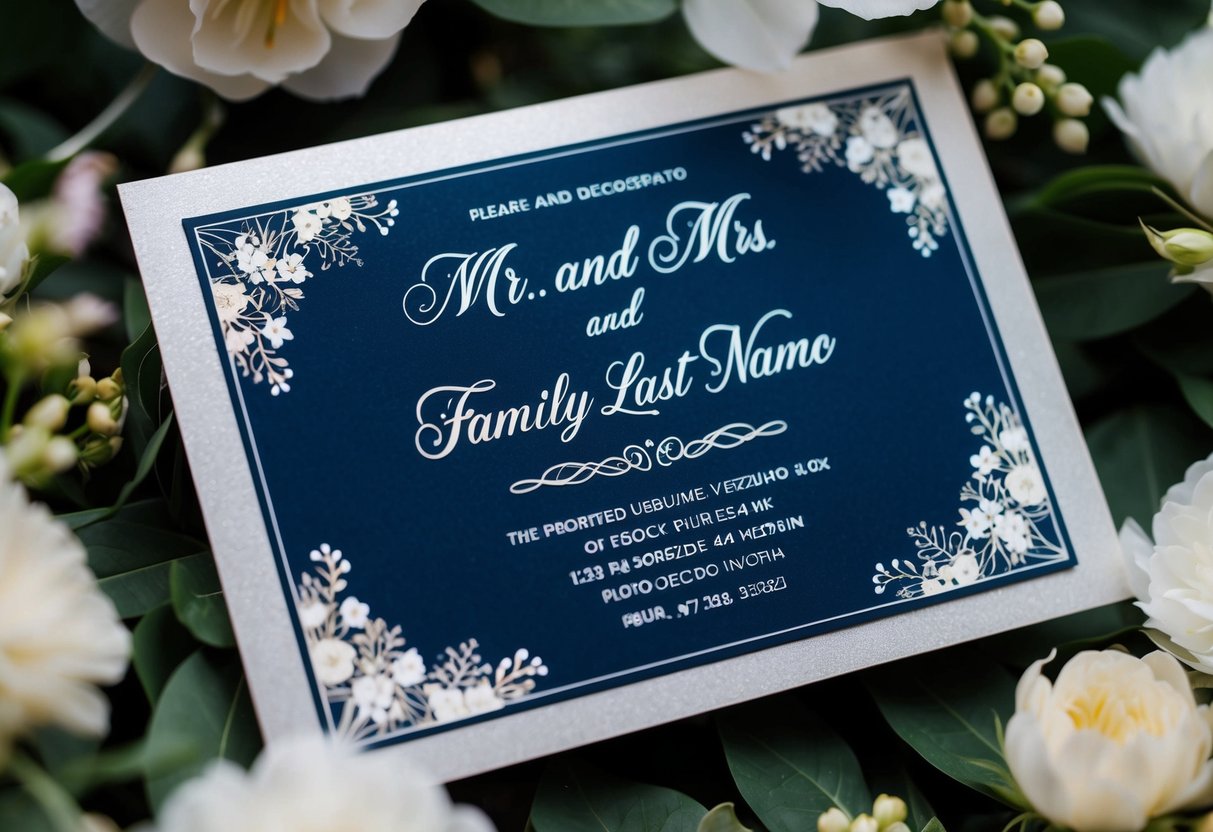
When planning your wedding, consider the invitation etiquette that helps set the tone for your special day. If you’re inviting a family, use the parents’ titles on the outer envelope and list the children’s names on the inner envelope. This approach shows thoughtfulness and care for your guests and gives them all the information they need.
Understanding how to phrase your wedding invitation wording correctly is essential. Whether it’s a traditional “Mr. and Mrs.” or a modern twist for same-sex couples, getting it right adds to the charm of your wedding.
Understanding Wedding Invitation Etiquette
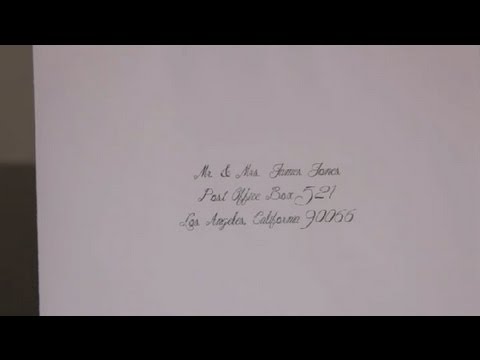
When planning your wedding invitations, it’s important to know how to address them properly. The way you write names and titles shows respect and sets a positive tone for your event.
The Role of Honorifics and Titles
Using honorifics and titles is essential in wedding invitations. For married couples, write “Mr. and Mrs.” followed by the husband’s full name. For example, “Mr. and Mrs. John Smith” is standard.
If addressing a same-sex couple with the same last name, you can write “Mr. Alex Johnson and Mr. Sam Johnson” or “Mr. and Mr. Johnson.” You can also use both first names for a modern touch, like “Alex and Sam Johnson.”
Consider using gender-neutral titles like “Mx.” if applicable. This approach respects your guests’ identities. Ensure that all titles used are correct and align with the couple’s preferences.
The Significance of Outer and Inner Envelopes
Your wedding invitations typically have two envelopes: the outer and the inner. The outer envelope includes the family’s last name and the full address. This envelope serves as the first impression for your guests.
The inner envelope is more casual. It usually contains just the names of those invited, like “The Johnson Family.” If you’re inviting children, you can include their names as well.
This two-envelope system helps protect the invitations and adds a traditional touch. It allows you to convey warmth while still being formal. Make sure both envelopes are addressed clearly to avoid any confusion.
Properly Addressing the Wedding Invitation
![A beautifully designed wedding invitation with elegant calligraphy, featuring the names of the couple and the phrase "Mr. and Mrs. [Last Name] and Family."](https://koala.sh/api/image/v2-o6dvk-ndlad.jpg?width=1216&height=832&dream)
Getting the addressing right on wedding invitations is essential. You want to ensure everyone feels included, while also following proper etiquette. This section will guide you through how to address invitations for married couples, unmarried couples, and guests with different titles and last names.
Addressing Married, Unmarried, and Distinguished Guests
When addressing married couples, you typically write “Mr. and Mrs.” followed by the husband’s first and last name. For example: Mr. and Mrs. John Smith. If they have different last names, write both names on the same line: Mrs. Jane Doe and Mr. John Smith.
For unmarried couples, list their names on the same line. You could say Ms. Jane Doe and Mr. John Smith. If you’re inviting distinguished guests like judges or military personnel, use their formal titles, such as “The Honorable” or “Colonel.”
Example for a Distinguished Guest:
- The Honorable Jane Doe
- Colonel John Smith
Special Considerations for Different Last Names and Titles
When families have different last names, it’s important to address them correctly. For a wife who kept her maiden name, use her name first, as in Ms. Jane Doe and Mr. John Smith.
For a divorced woman wishing to use her title, you can write Ms. Jane Smith. This respects her status and choice. For a widow, it’s also respectful to use Mrs. plus her deceased husband’s last name, like Mrs. Smith, unless she prefers something different.
When addressing non-binary guests, it’s a good idea to use their name only, such as Jordan Smith. Avoid any titles unless you know their preferences.
Formal Addressing for Different Types of Couples
For same-sex couples, you can address them in a similar manner as heterosexual couples. Use Mr. and Mr. or Ms. and Ms. based on their preferences.
When both partners have the same last name, you can write either Mr. and Mr. Smith or Ms. and Ms. Smith. If they prefer something more modern, simply use their first names.
Always be considerate of your guests’ identities and ensure you ask them how they would like to be addressed. This small gesture can make a big difference in their comfort level.
Components of Wedding Invitations
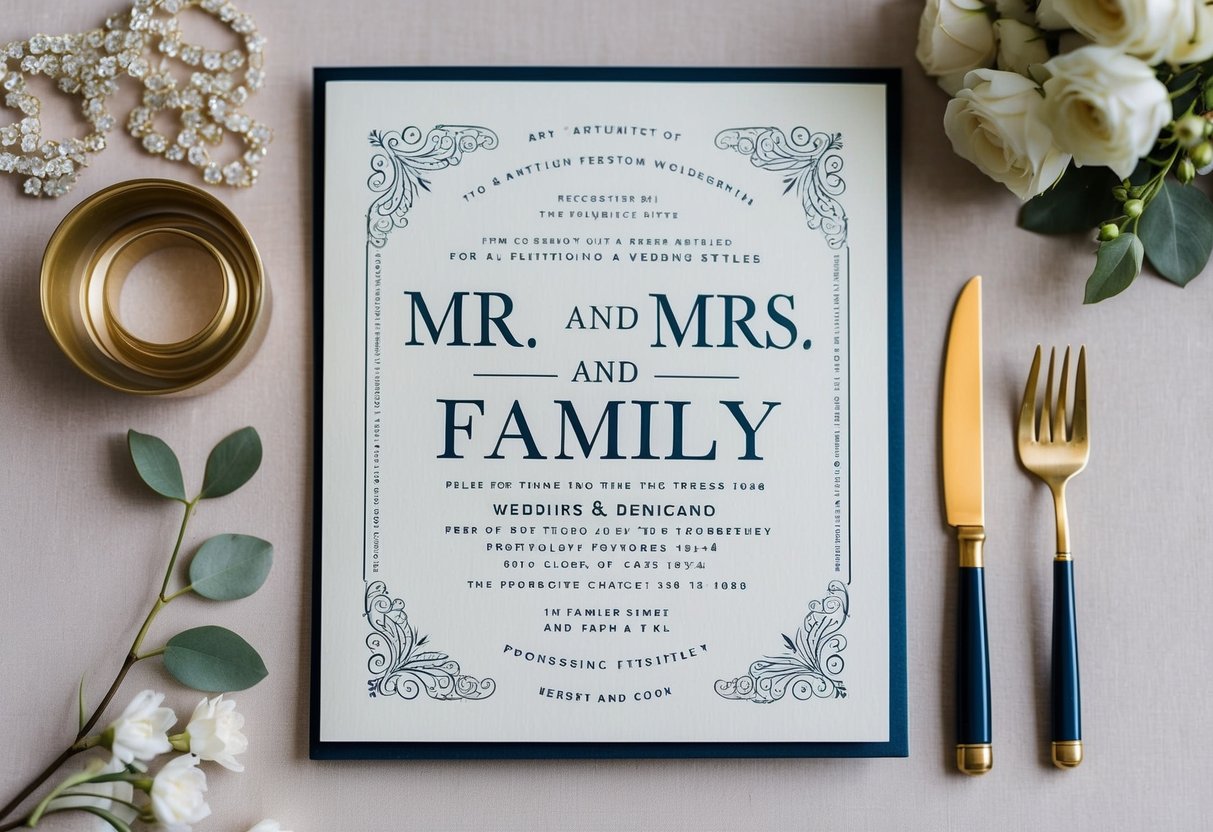
When planning your wedding invitations, several key components play a major role in making them clear and inviting. You’ll want to consider the entire invitation suite and how to manage RSVPs effectively, ensuring that your guests have all the information they need.
Crafting the Invitation Suite
Your invitation suite typically includes the wedding invitation, RSVP card, and reception card.
-
Wedding Invitation: This is where you write the full names of the couple and key details. Use “Mr. and Mrs.” or just names based on your preference.
-
Reception Card: If the reception is at a different location, include a card to guide guests.
-
Wedding Website: It’s helpful to provide a link to your wedding website. This can include extra information, such as directions and accommodation options.
Make sure all elements match in style and color for a polished look. Clarity and accuracy increase excitement for your big day.
Managing RSVPs and Plus-Ones
Managing RSVPs can simplify your planning process. Include an RSVP card with a clear deadline.
-
RSVP Details: Clearly ask guests to indicate whether they can attend. Include space for a “plus one” if you want guests to bring a guest.
-
Guest List: Keep track of responses in a spreadsheet. This allows you to manage your guest list efficiently.
-
Follow-Up: If guests haven’t responded by the deadline, a polite follow-up can help finalize numbers for your venue.
Including these elements ensures a smooth experience for you and your guests as you plan your wedding day.
Final Touches on Wedding Invitations
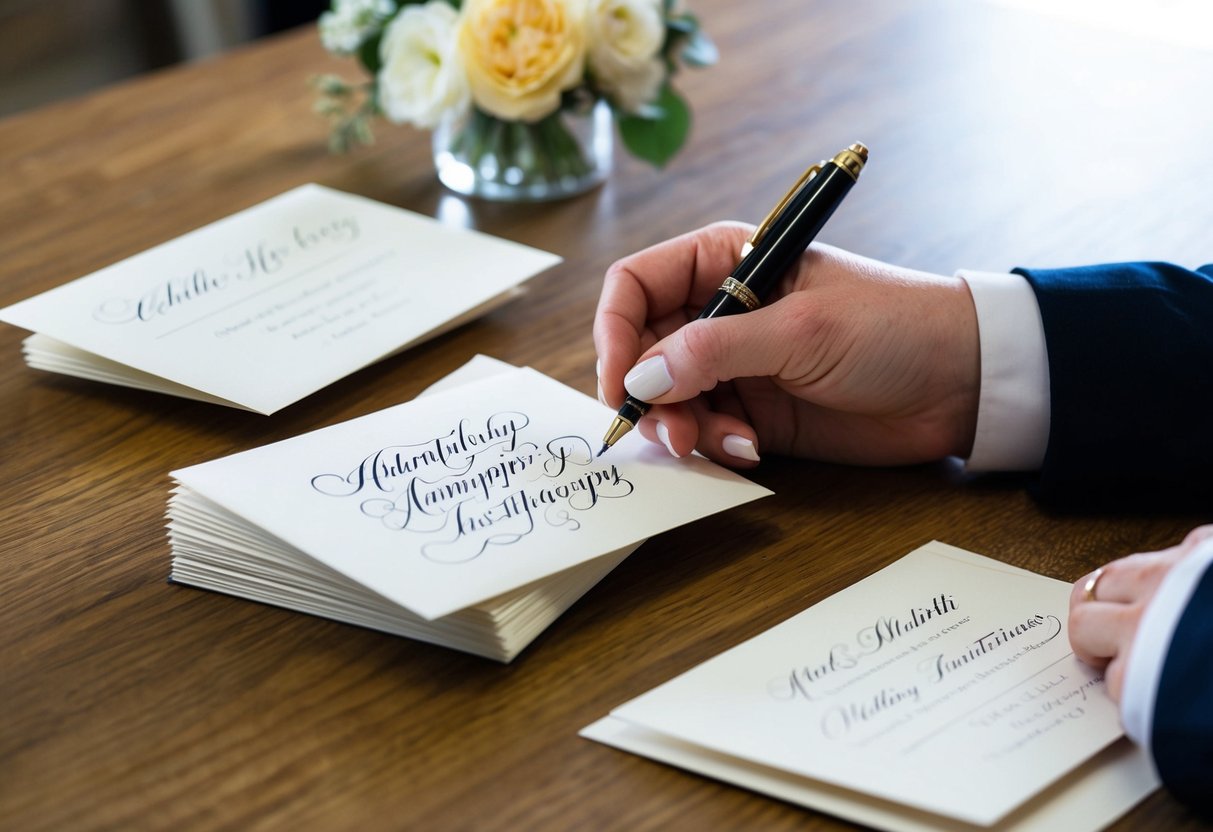
Adding the final touches to your wedding invitations is important for setting the right tone for your special day. Selecting the proper wording and layout ensures your invitations reflect the formality of your wedding. Mailing them correctly guarantees they reach your guests in great condition.
Selecting the Right Wording and Layout
When it comes to wording, be clear and formal. For example, write “Mr. and Mrs. John Smith” when addressing a married couple. If including children, use “The Smith Family” for a more inclusive approach.
Opt for a layout that’s easy to read. Choose elegant fonts and adequate spacing. Using a double envelope is highly recommended. This not only protects your invitation but adds a touch of sophistication.
Remember to include all necessary details. This includes the date, time, venue, and RSVP information. A well-structured invitation shows your attention to detail and dedication to wedding etiquette.
Mailing Your Invitations
Mailing your invitations is just as important as crafting them. Start by ensuring that your guests’ names and addresses are correct. If you’re unsure, you can use a guest-address service to avoid mistakes.
Use the inner envelope for personal touches. For instance, instead of “Mr. and Mrs. Smith,” write “John and Jane.” This adds warmth to your invitation.
For formal invitations, presenting them neatly is key. A return address label is a thoughtful touch. Also, consider using postage stamps that match your wedding theme. This small detail makes a big impression while ensuring your invitations arrive safely.