
How Does a Wedding Ceremony Go Step by Step? A Friendly Guide to Your Special Day
Planning a wedding can be exciting yet overwhelming, especially when it comes to the ceremony itself. A typical wedding ceremony follows a structured order that includes several key moments, from the processional to the vows. Knowing how it all flows can help you create the perfect wedding ceremony that reflects your unique love story.
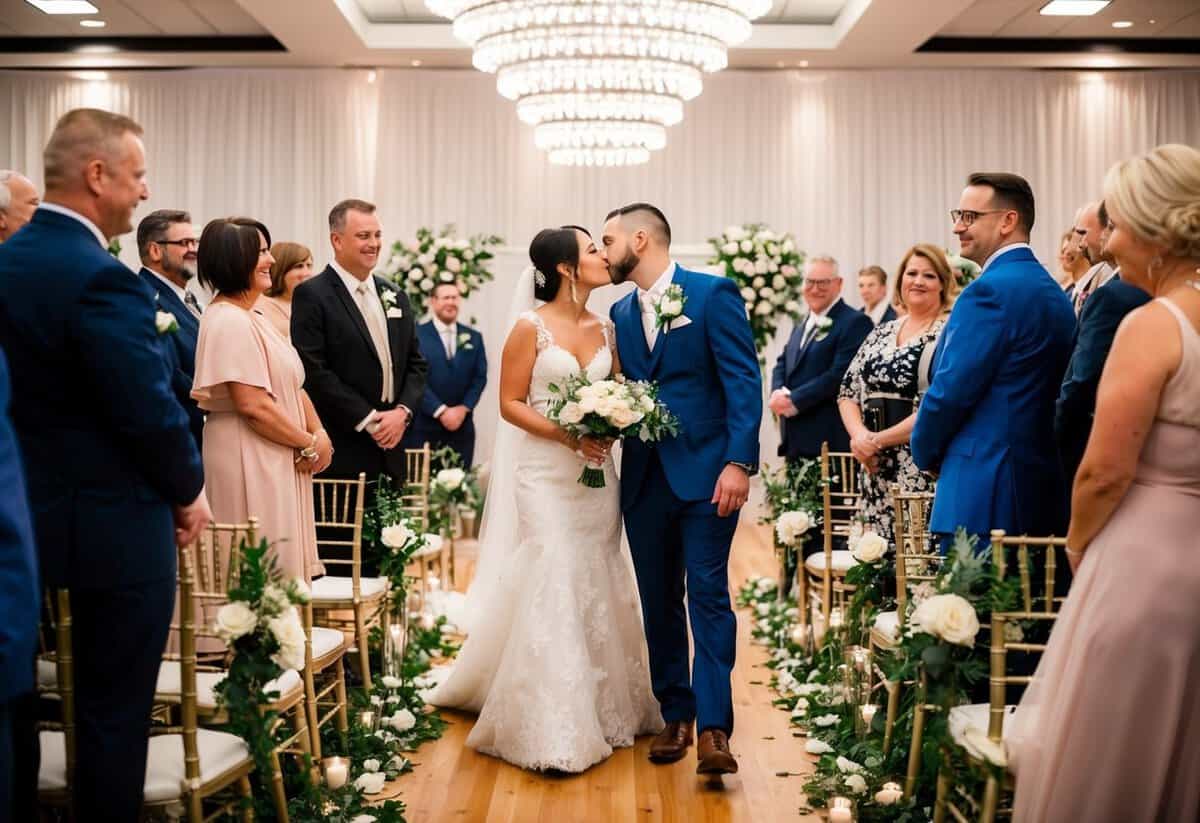
You have the opportunity to personalize your ceremony to fit your style and values. Whether you prefer traditional wedding ceremonies or want to add a special twist, understanding the basic structure lays the foundation for memorable moments with your loved ones. With careful wedding planning, you can ensure each part of the ceremony is meaningful and captures the essence of your relationship.
As you prepare for your big day, familiarizing yourself with the step-by-step process will help keep things organized and reduce stress. This guide will walk you through each part of the ceremony, making it easier to envision how your day will unfold.
Preparing for the Wedding Ceremony
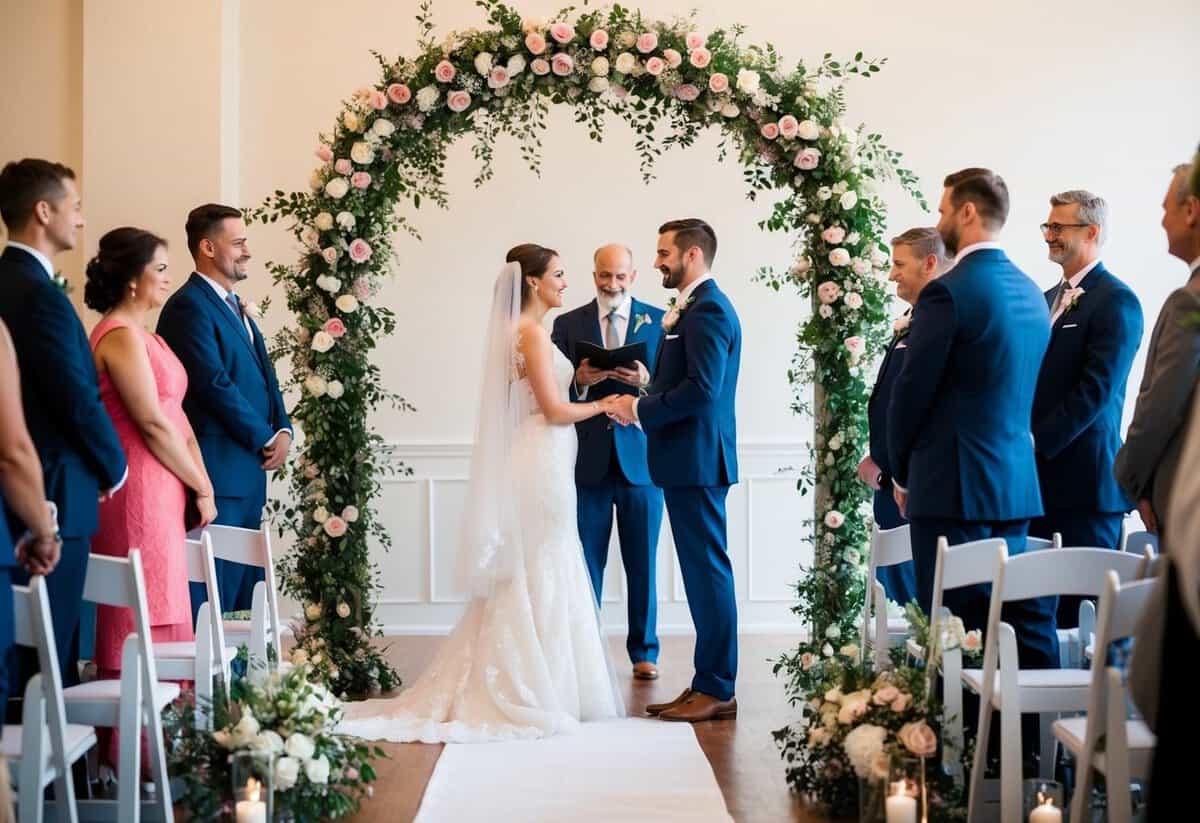
Getting ready for your wedding ceremony involves several important steps. You want to ensure everything flows smoothly, from the order of events to personal touches that make the day truly yours.
Understanding Ceremony Order
Knowing the typical wedding ceremony order can help you create a smooth flow for the day. Generally, the ceremony starts with guest arrival. Guests will be seated as soft music plays.
Next, the officiant takes their place at the altar, followed by the processional, where the wedding party walks down the aisle.
After this, the couple exchanges vows and rings. It’s a good idea to discuss what you want in your ceremony outline with your officiant and planner. This includes any readings or rituals you want to include.
Finally, the officiant pronounces you married, and the ceremony concludes with a recessional.
Choosing the Right Officiant
Finding the right officiant is key to ensuring your ceremony reflects your values. You can choose from various options, like a religious figure, a friend, or a professional officiant. Each brings a unique style, so think about what fits your vision.
It’s essential to communicate openly with your officiant. Share your preferences, and discuss the details of your vows and any special readings.
You may need to apply for a marriage license ahead of time, so check local laws. A good officiant will help guide you through the legal requirements.
Creating a Personal Touch
Personalizing your wedding adds a special flair that makes the day memorable. One of the best ways to do this is through your vows. Think about including personal anecdotes or promises that matter to you both.
Consider incorporating unique elements, like special readings, rituals, or unity ceremonies. These can range from lighting a unity candle to sharing a special drink.
Discuss these ideas with your officiant to ensure they fit within the ceremony structure. Making the ceremony truly you will resonate with your guests and create lasting memories.
The Main Ceremony Events
A wedding ceremony is filled with meaningful moments that bring couples together. From the processional to the recessional, each event has a special purpose and significance. Here’s what to expect during the main parts of your ceremony.
Processional to Recessional
The ceremony begins with the processional, where the wedding party makes their entrance. This usually starts with the flower girl and ring bearer walking down the aisle, followed by the bridesmaids and groomsmen. You might choose to include readings or music during this part to set the mood.
Once everyone is in place, the couple makes their grand entrance.
After the ceremony concludes, the recessional marks the joyful moment when you and your partner exit together, often to lively music. This moment is a celebration of your newlywed status and is usually followed by heartfelt congratulations from guests.
Ceremony Rituals and Traditions
Next come the various ceremony rituals and traditions. Depending on your cultural background, this can include unique practices. A popular element is the unity ceremony, like the sand ceremony, where you blend colored sand to symbolize your joining as one.
Other rituals could involve lighting a unity candle or exchanging meaningful tokens. You may also include personal touches like special readings that reflect your relationship. These activities deepen the emotional connections and create lasting memories.
Exchange of Vows and Rings
This part is often the most anticipated moment of the ceremony. During the exchange of vows, you openly express your love and commitment to each other. It is your chance to share what your relationship means to you and your hopes for the future.
Following the vows, the ring exchange occurs. You will place wedding rings on each other’s fingers, symbolizing your unending love and commitment.
After this, the officiant will pronounce you married, sealing the commitment. The closing remarks may then wrap up this section before transitioning to the recessional.
Integrating Cultural and Religious Elements
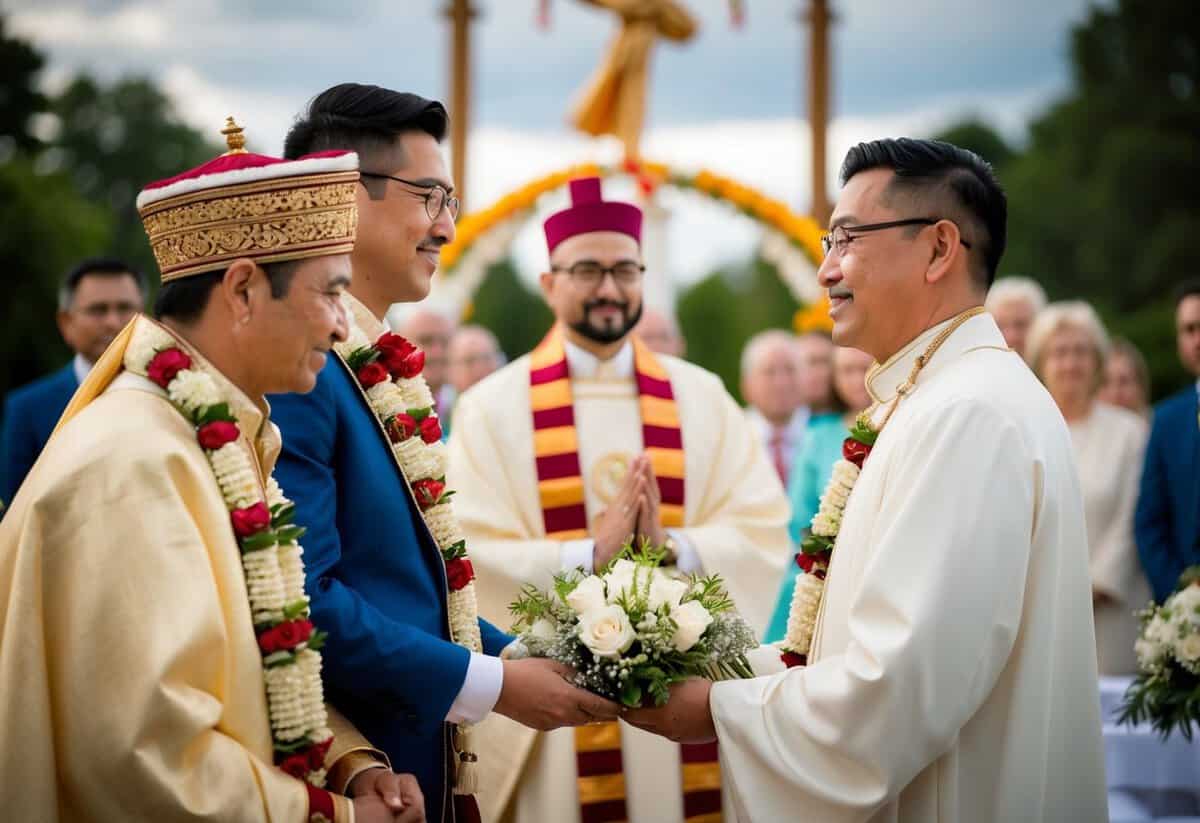
Weddings are a beautiful blend of love and tradition. Many couples choose to incorporate elements from their backgrounds to make their ceremony meaningful. This section explores important customs from various religions, emphasizing their significance in the wedding process.
Christian Wedding Traditions
In a Christian wedding, the ceremony usually starts with an opening prayer. This moment sets a spiritual tone for the event.
Following this, the couple typically makes a declaration of intent. They confirm their willingness to marry each other, which is a significant part of the ceremony.
Next, the wedding readings occur, often featuring passages from the Bible. This is a great way to reflect the couple’s beliefs.
During a Catholic ceremony, the rite of marriage is central, followed by a homily to inspire the couple.
Some couples may include communion, sharing bread and wine as a spiritual act. The ceremony often concludes with the Lord’s Prayer. These elements create a heartfelt worship experience, reminding everyone of the spiritual bond in marriage.
Jewish Wedding Rites
Jewish weddings are rich in tradition and symbolism. It begins under a chuppah, which represents the couple’s new home together.
The ketubah is a marriage contract that outlines responsibilities and is read aloud. This document is often beautifully designed and signed by witnesses.
During the ceremony, the officiant recites the seven blessings, celebrating the couple and their future.
A moment known as the bedeken involves the groom covering the bride’s face with a veil. This custom symbolizes modesty and love.
The ceremony often ends with the groom breaking the glass, representing the fragility of relationships. Finally, the couple enters a period of yichud, where they share a private moment, reinforcing their connection as newlyweds.
Hindu Wedding Customs
Hindu weddings incorporate many rituals that honor family and tradition. One of these is Ganesh Puja, an offering to Lord Ganesh for blessings on the marriage.
The jaitmala ceremony involves exchanging garlands, symbolizing acceptance of one another.
The couple participates in saptapadi, where they take seven steps together, each promising a vow. This is a key moment, signifying their commitment to each other.
Another significant part is the mangalsutra, a sacred necklace the groom ties around the bride’s neck, symbolizing their union.
These customs create a vibrant ceremony that celebrates love, family, and commitment. Each ritual adds depth and meaning, making the Hindu wedding truly special.