
How Does a Wedding Ceremony Go Step by Step? A Friendly Guide to Your Special Day
Planning a wedding can feel overwhelming, especially if you want everything to go smoothly. Knowing the step-by-step order of a wedding ceremony can help ease your stress and keep everything organized. From the processional to the vows, there are important moments that you won’t want to miss.
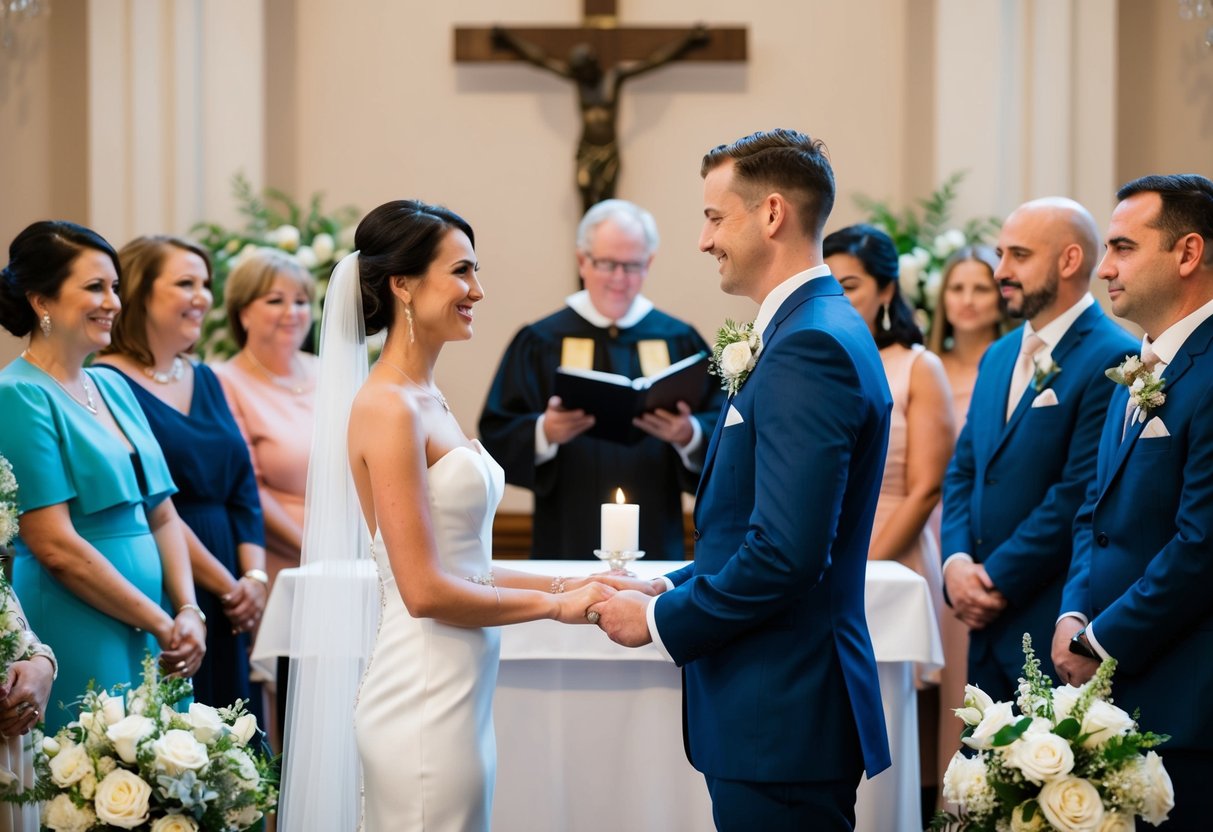
Many couples wonder what to expect on their big day. Each wedding ceremony has its unique touches, but most follow a similar structure. This guide will walk you through all the essential parts of the ceremony so you can feel prepared and excited as you say, “I do.”
As you read on, you’ll discover not only the typical flow of events but also tips to personalize your ceremony. Whether you’re planning a traditional celebration or a more modern approach, understanding the order of the ceremony will help you create a meaningful experience for you and your guests.
Pre-Ceremony Activities
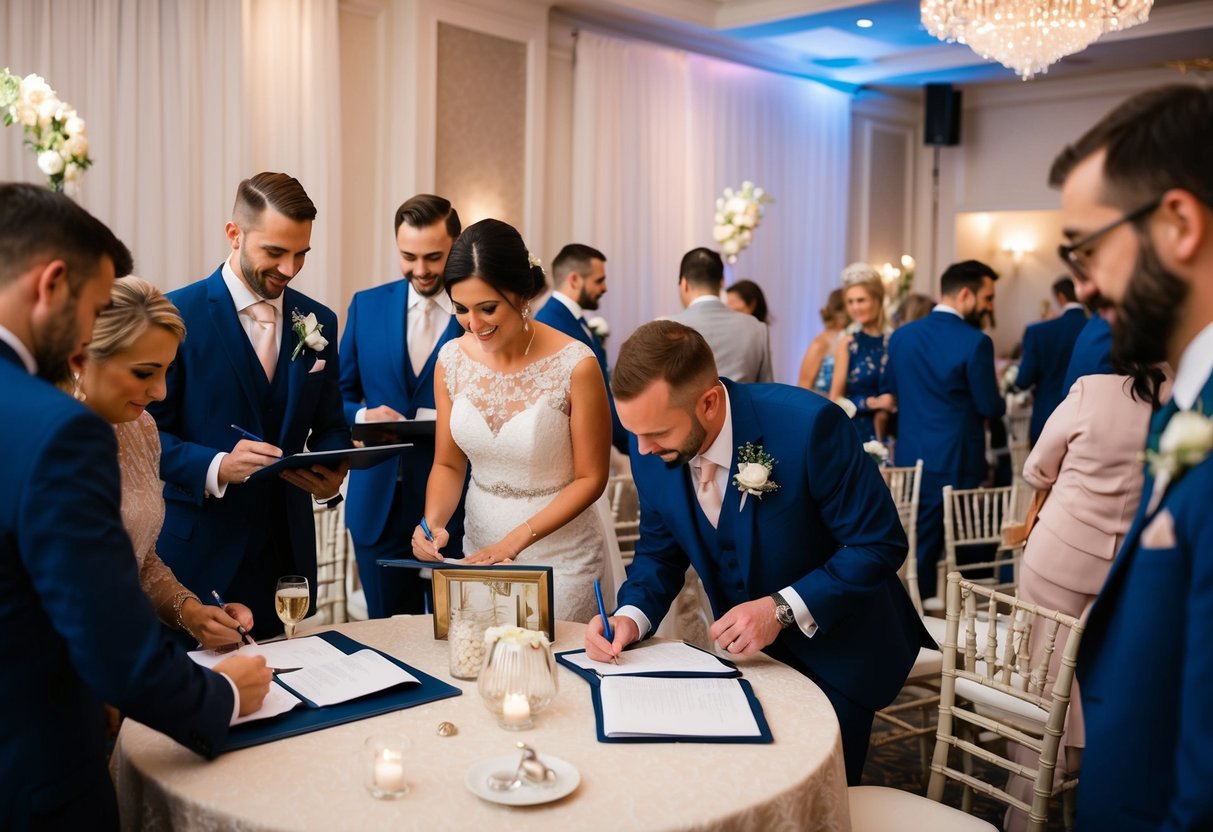
Before the ceremony begins, several key activities set the stage for your special day. This time helps everyone get ready, creates an inviting atmosphere, and builds anticipation for what’s to come.
Guest Arrival and Prelude
As guests arrive, they are greeted by the venue’s ambiance. Ideally, music plays softly in the background, creating a welcoming environment. Depending on your wedding theme, you might choose classical tunes or modern hits to fit the vibe.
You can ask a family member or friend to help direct guests to their seats. Having an organized seating chart ensures smooth guest flow. Make sure to display signs that guide them to the various areas, from the ceremony space to restrooms.
Consider small touches like a welcome table with programs or refreshments. These details can help set the mood and make guests feel valued from the moment they arrive.
Wedding Party Preparations
Your wedding party plays a significant role in your big day. Ensure they know the timeline for getting ready and arrange for hair and makeup appointments ahead of time. This way, everyone is prepared and relaxed before you walk down the aisle.
Gather your wedding party to enjoy some snacks and drinks while you prepare. This shared time can be a fun way to bond and calm nerves. It can also be a great photo opportunity, capturing moments that matter.
Double-check that everyone has their attire ready and ensure accessories like bouquets or boutonnieres are prepared for the ceremony. This attention to detail helps everything stay on track.
Calm Before the Commencement
Once the guests are seated and your wedding party is ready, take a moment to breathe. This is the time to gather your thoughts and focus on the love you are celebrating.
Find a private space to steal a few quiet moments with your partner before the ceremony. This time allows you to reconnect and share your excitement. You might exchange a few reassuring words or a quick hug.
Take a deep breath, relax, and soak in the joy of the day. Embrace the butterflies in your stomach and remind yourself this day is for you and your partner. When the moment arrives, you’ll feel ready to step into your new chapter together.
Ceremony Processional and Opening
The ceremony processional marks the beginning of your wedding. It’s a special moment for you and your loved ones. Following the processional, the officiant will share welcoming words and opening remarks to set the tone for the celebration.
The Processional Walk
During the processional walk, the wedding party makes their entrance. Typically, this starts with the flower girl and ring bearer, who walk down the aisle first. Their adorable presence adds charm to the ceremony.
Next, the bridal party enters in a chosen order. This may include bridesmaids and groomsmen, often walking in pairs. Finally, you and your partner will make your entrance. You can choose to walk together or have one of you wait at the altar while the other walks in alone. The music plays a huge role here, enhancing the atmosphere and signaling the significance of this moment.
Welcoming Words and Opening Remarks
After the processional, the officiant will offer welcoming words. This is your chance to connect with all your guests. The officiant might express gratitude for everyone’s presence and highlight the importance of love and relationships.
This section often includes brief stories or reflections on marriage. It helps guests feel engaged and honors the journey you and your partner are sharing. The tone can range from heartfelt to light-hearted, depending on your style. This moment sets a warm and inviting atmosphere that paves the way for the vows and other meaningful parts of your ceremony.
Main Ceremony Rituals
During your wedding ceremony, certain rituals play a significant role in expressing your love and commitment. Key elements include readings, the exchange of vows and rings, and cultural or religious rites that make your ceremony unique.
Readings and Unity Ceremonies
One common way to personalize your ceremony is through readings. Friends or family members can share poems, passages, or quotes that resonate with you. This adds a heartfelt touch to the event.
Unity ceremonies symbolize the joining of two lives. Options like the sand ceremony allow you to combine colored sand in a single container, representing the blending of your lives. In a handfasting ceremony, you may have your hands tied together to symbolize your union. These rituals enhance the emotional connection of the day.
Exchange of Vows and Rings
The exchange of vows is one of the most meaningful parts of your ceremony. It’s where you express your promises to one another. Whether you write your own vows or follow traditional vows, this moment captures your love story.
Following the vows, the exchange of rings takes place. The rings symbolize your commitment and fidelity. In many traditions, like a Christian wedding, this is accompanied by a declaration of intent, affirming your desire to marry. This moment is both simple and profound, marking a significant transition in your relationship.
Cultural and Religious Rites
Many couples choose to include cultural and religious rites that reflect their backgrounds. In a Catholic wedding ceremony, for example, you may participate in a Catholic mass along with the exchange of vows.
A Jewish wedding ceremony often features a chuppah, symbolizing the home you will build together, and the seven blessings, which are recited by guests. In Hindu ceremonies, saptapadi involves taking seven steps together, each representing a vow. Each of these rituals infuses your ceremony with rich tradition and deep meaning, making it a memorable celebration of your love.
Finalizing the Union and Conclusion
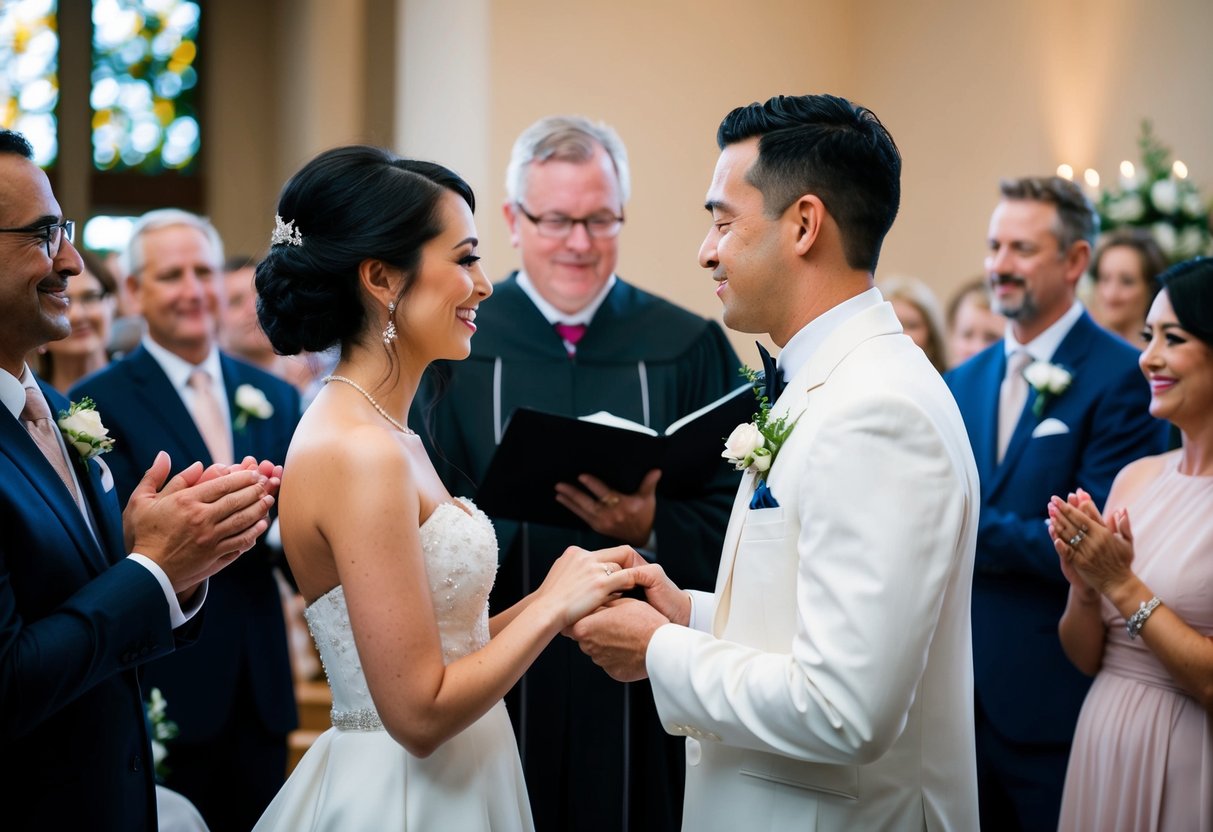
At this stage in your wedding ceremony, you will seal your commitment and prepare for the joyful celebrations ahead. This part of the ceremony includes the pronouncement of marriage and the joyful recessional, leading seamlessly to the festivities that follow.
Pronouncement and Marriage Contract
The officiant will announce you as a married couple. This moment is often accompanied by the signing of a marriage contract, such as a ketubah in some traditions. This document outlines the commitments you are making to each other and is often personalized to reflect your values.
Make sure your officiant clearly states the pronouncement of marriage, so everyone hears it. Following this, you can share your first kiss as a married couple. This is a heartfelt moment, marking the start of your new life together.
The Recessional and Post-Ceremony Events
After the pronouncement, the recessional begins. You will exit together down the aisle, often greeted with cheers and confetti from your guests. This upbeat atmosphere is a perfect way to celebrate your union.
Once outside, there might be post-ceremony activities like group photos or a receiving line. This gives you a chance to connect with your guests before the next part of the day. Enjoy these moments, as they are just as memorable as the ceremony itself.
Transition to Reception
Next, you’ll transition to the wedding reception. It’s an excellent time to celebrate with food, dancing, and fun.
It’s common for couples to take a moment to refresh before entering the reception.
Plan your entrance. You may want to start with a grand introduction to keep the excitement going. This sets a lively tone for the evening and allows you to enjoy the festivities with all your guests. Each step you’ve taken leads to this joyful celebration of love!