
How Does a Wedding Go Step by Step? A Friendly Guide to Your Big Day
Planning a wedding can feel overwhelming, but knowing how the ceremony flows can make it easier. A typical wedding ceremony includes a procession, readings, vows, and the exchange of rings, followed by the first kiss as a married couple. Understanding this step-by-step process helps you feel more at ease on your big day.
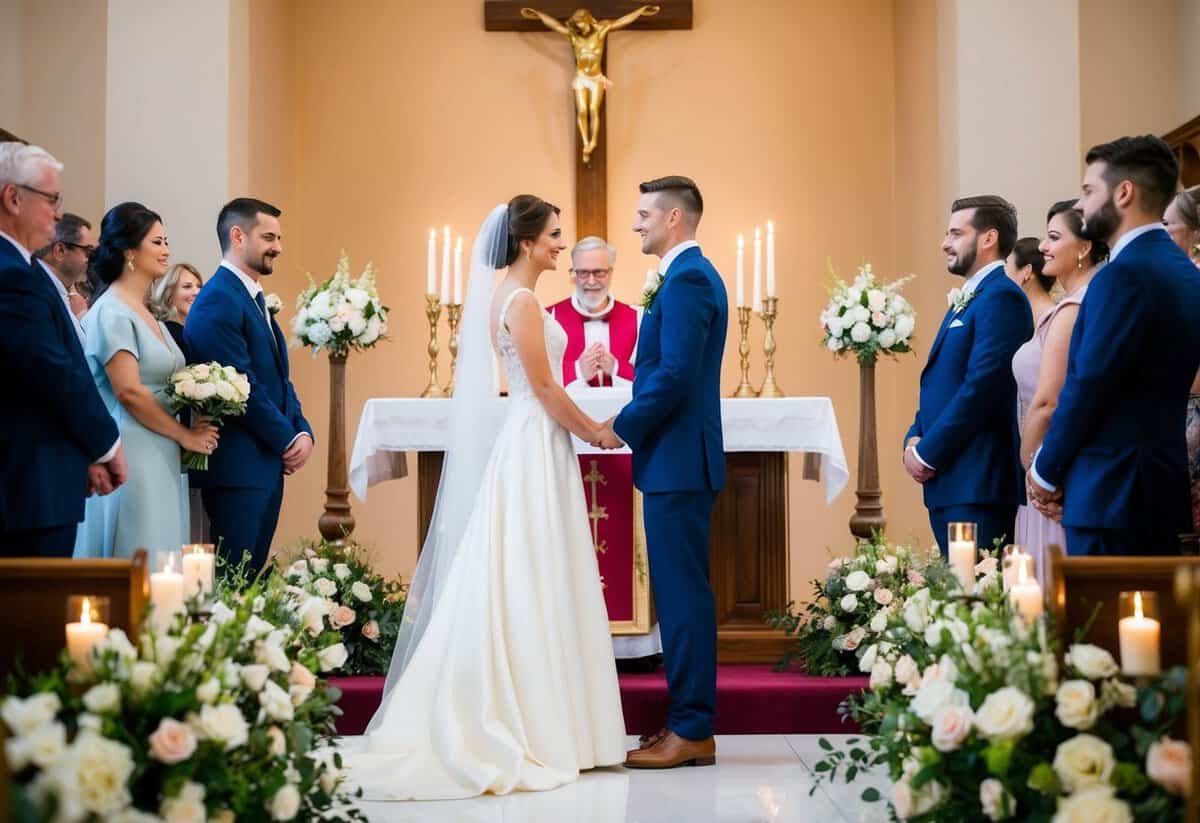
You want everything to go smoothly, and having a clear outline can help. Each part of the ceremony has its own significance, and knowing what to expect can reduce stress. With a bit of preparation, you can truly enjoy the special moments that make your wedding day memorable.
Whether you’re organizing a traditional event or putting your unique spin on it, this guide will walk you through every step. Get ready to celebrate one of the most important days of your life!
Pre-Wedding Preparations
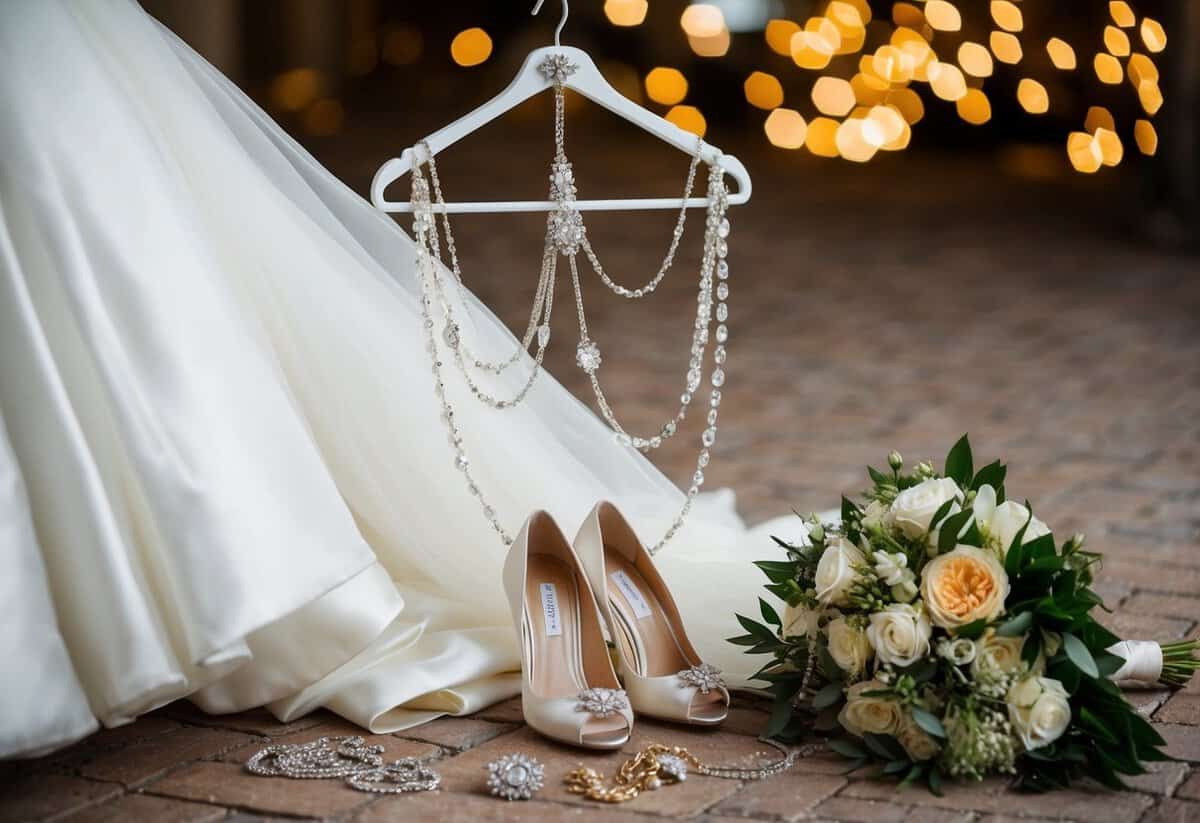
Getting ready for your wedding involves several key steps that help make your big day special. You’ll need to set a date, create a budget, choose your venue, and finalize your guest list. Each decision matters and lays the groundwork for a beautiful ceremony.
Setting Your Wedding Date and Budget
The first step is selecting your wedding date. Consider factors like the season, availability of venues, and any important holidays. This date will guide many other decisions.
Next, create a budget. Write down everything, including the venue, catering, flowers, and attire. Make a list like this:
- Venue
- Catering
- Flowers
- Photography
- Attire
Keeping track of costs helps avoid surprises. Factor in your guest count since this affects most of your budget items. You may even want to set up a wedding registry for gifts, which can help share the financial load.
Designing Your Ceremony and Venue Layout
With your date and budget in place, think about your ceremony and where it will take place. Choose a venue that fits your style and guest count. This could be a lavish hall, a quaint chapel, or an outdoor setting.
Next, consider how the layout will work. Where will the altar be? How will guests be seated? Think about these elements in relation to your theme. Make a simple sketch if it helps.
Also, plan for the flow of the ceremony. Will you have music? When will vows be exchanged? These details add to the overall experience and create lasting memories.
Choosing the Wedding Party and Attire
Selecting your wedding party is another important step. Choose those who mean the most to you. This could be friends, family, or even colleagues. Let them know early, so they can plan accordingly.
Don’t forget about attire! Start with your wedding dress; this is often the most personal choice. Visit shops and try on different styles. Think about how it complements your theme.
Also, consider the outfits for the wedding party. Choose colors and styles that coordinate with your vision. Discuss with your chosen vendors about options for hair, makeup, and accessories. Clear communication ensures everyone looks fabulous.
Finalizing All Vendors and Guest List
Finally, it’s time to lock in your vendors. Research caterers, photographers, florists, and DJs that fit your budget. Meet with them to discuss details and gauge their vibe.
Don’t forget about your guest list. Create a preliminary list and count your attendees. Update this as people RSVP. You can also use a wedding website to keep guests informed.
Send out save-the-dates early, especially for destination weddings. This allows guests ample time to arrange travel. Tracking all of these details keeps your planning on track and less stressful, ensuring your day unfolds smoothly.
Ceremony Outline and Traditions
A wedding ceremony is filled with significant moments that celebrate the couple’s love and commitment. Each part of the ceremony plays a role in bringing friends and family together to witness this special occasion. Here is a detailed look at the key elements of a typical wedding ceremony.
The Processional Order
The processional marks the beginning of your wedding ceremony. This is the moment when you and your wedding party walk down the aisle. Traditionally, it starts with pre-selected music that sets the tone.
Typically, the order follows a specific sequence:
- Family: Parents and grandparents often enter first.
- Bridal Party: Bridesmaids and groomsmen follow, pairing off as they walk.
- The Bride: Traditionally, the bride walks last, often escorted by a parent or guardian.
Each participant has a meaningful role, adding to the atmosphere of love and celebration. Your choice of music can also enhance this moment, so select something that feels right for you.
Welcoming Guests and Opening Remarks
Once everyone is in place, your officiant will welcome the guests. This is a warm greeting that sets the mood for the ceremony.
The officiant might share a few words about the couple’s journey together. This helps make the experience personal for your guests.
It’s also an opportunity to express gratitude to family and friends for their support. This moment creates a connection among everyone present, reinforcing the importance of the day.
Readings and Unity Rituals
After the opening remarks, many couples choose to include readings or unity rituals. This segment is a chance to reflect on love and commitment.
Readings can come from literature, poetry, or even personal messages shared by friends or family. Selecting readings that resonate with you can make the moment special.
Unity rituals symbolize the couple’s joining. Common options include:
- Sand Ceremony: Pouring different colors of sand into one container.
- Unity Candle: Lighting a single candle from two separate ones.
These rituals create a lasting memory while representing your bond in a unique way.
Exchange of Vows and Rings
The core of your wedding ceremony is the exchange of vows and rings. This is when you express your love and commitment verbally and physically.
Vows allow you to share your promises to one another. You can choose traditional vows or write your own, making it feel more personal.
The exchange of rings is a symbol of your love and commitment. The officiant will guide you through this part, which is often accompanied by meaningful words.
Together, these actions signify the start of your married life. It’s a moment that should be heartfelt and genuine.
Pronouncement and Recessional
After the exchange of vows and rings, the officiant will pronounce you married. This declaration is often celebrated with cheers from your guests.
Next is the recessional, where you and your partner walk back down the aisle. This is typically done to upbeat music, reflecting the joy of the moment.
It’s a chance for you to take a breath and celebrate being newlyweds with your loved ones. This marks the transition to the next phase of your special day—celebrating your union with all those who supported you.
Cultural Wedding Elements
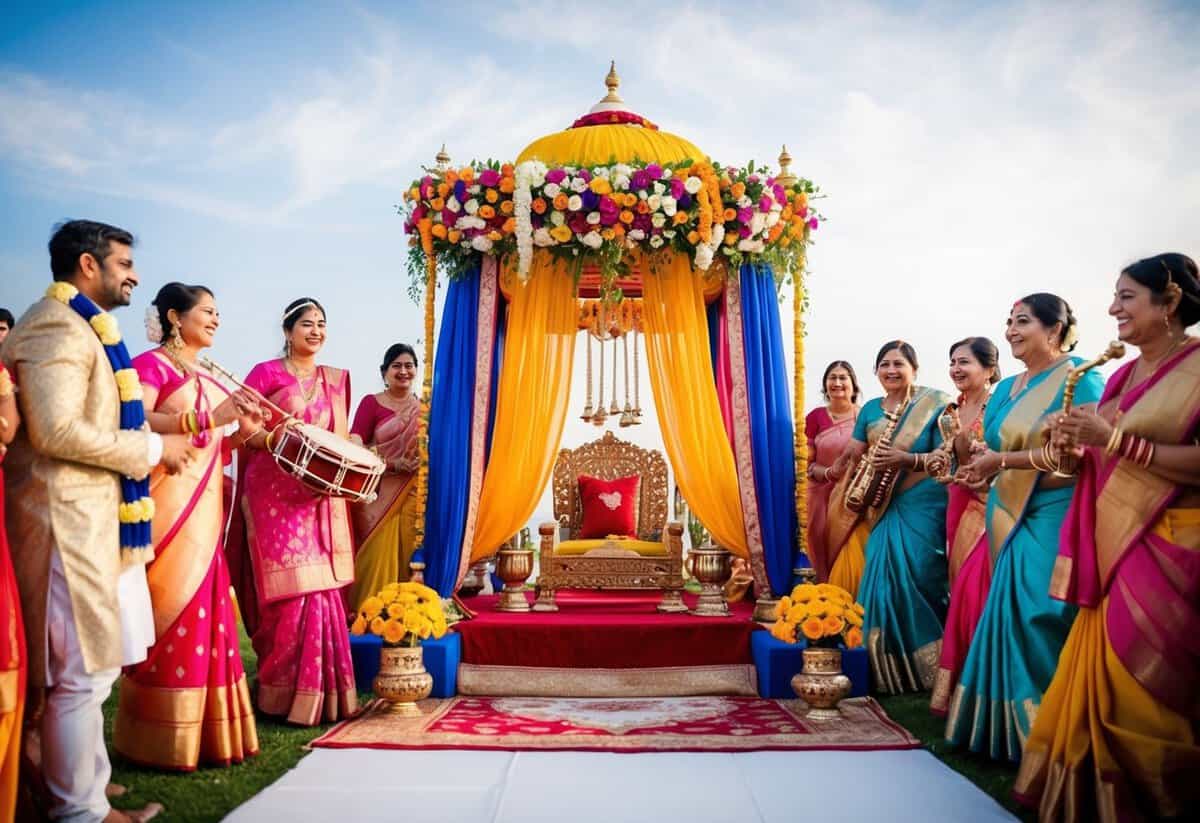
Cultural elements play a vital role in wedding ceremonies. They reflect personal beliefs and unique traditions. Understanding these practices can help you create a meaningful experience.
Incorporating Religious Practices
If you choose a religious ceremony, it often follows specific orders and rituals. Each faith has its unique components. For example, a Christian wedding ceremony order might include scripture readings, prayers, and the couple exchanging vows and wedding rings.
In a Jewish wedding ceremony, the couple often stands under a chuppah. This symbolizes their new home together. The ceremony includes the seven blessings or Sheva Brachot, which celebrate the couple’s union.
For Hindu weddings, rituals like Kanyadaan and Saptapadi are significant. Kanyadaan, where the bride’s father gives her away, represents the transfer of responsibility. During Saptapadi, the couple takes seven steps together, signifying their journey.
Unique Traditions and Symbolisms
Many weddings feature unique traditions that signify love and commitment. A common tradition across cultures is the ring exchange, symbolizing eternal love.
In a Hindu wedding, the Mangalsutra, a sacred necklace, is tied around the bride’s neck by the groom. This symbolizes their marital bond. In Jewish weddings, the breaking of the glass has deep meaning. It signifies the fragility of relationships and the joy that comes from unity.
Each culture has its celebration as well. The Baraat is a lively procession where the groom arrives at the venue with music and dancing. In contrast, at a Catholic wedding, the couple might incorporate traditional Mass into their ceremony.
Understanding these elements adds depth to your special day.
Post-Ceremony Considerations
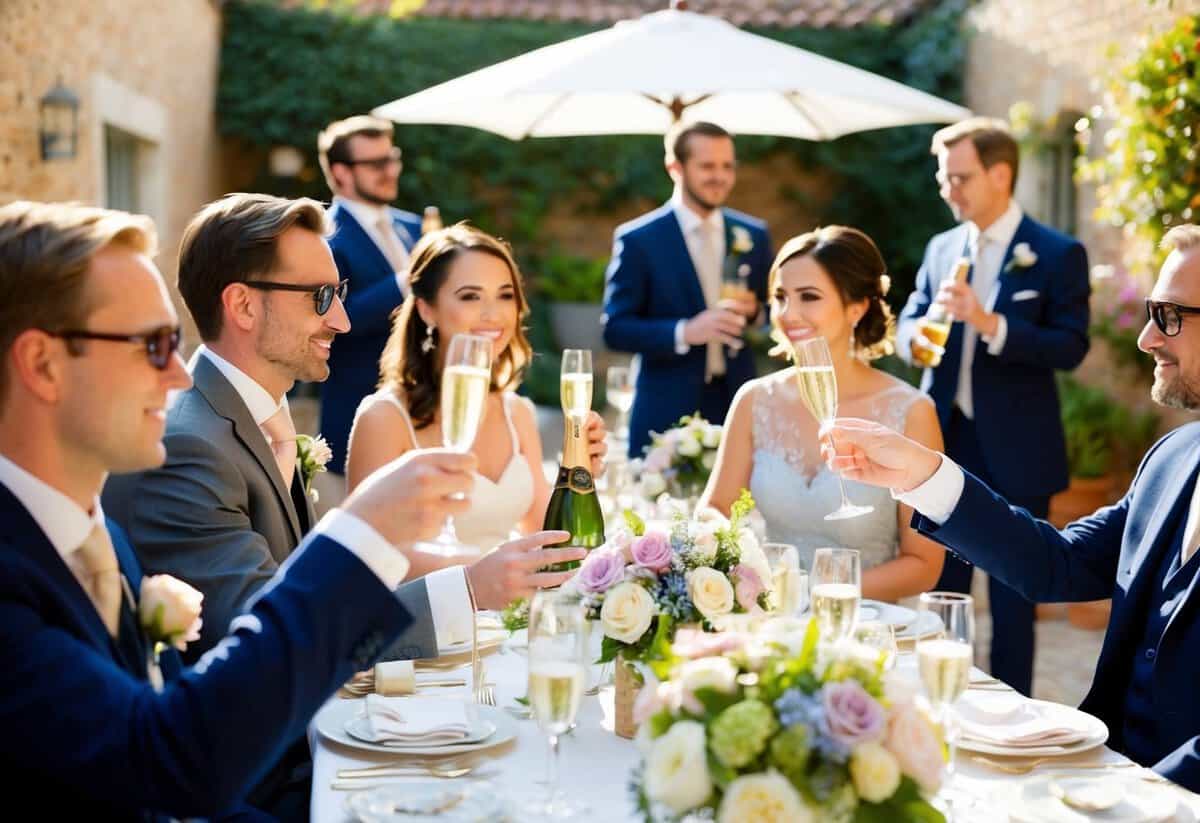
After your wedding ceremony, there are several important details to address. You will want to focus on your wedding day timeline, the seating arrangements for your guests, and any final preparations, including the rehearsal dinner.
The Wedding Day Timeline
Your wedding day timeline is crucial for a smooth flow of events. Plan out the sequence of activities, from the ceremony to the reception. Make sure to include key moments like your vow exchange and the declaration of intent.
It’s helpful to share this timeline with your bridal party and vendors to keep everyone on the same page.
Consider including buffer times for travel or unexpected delays. Use clear bullet points to outline the timing of each major event, like:
- Arrivals: Guest seating and preparation time
- Ceremony Start: When the processional begins
- Post-Ceremony Photos: Set aside time for group pictures
- Reception Start: Guests invited to the reception venue
Seating Arrangements and Ceremony Readings
Planning your seating arrangements is essential for creating a comfortable atmosphere for your guests. Think about who sits where and how each table will flow during the reception. You might want to use a chart to visualize the layout.
Also, consider the ceremony readings. Including heartfelt readings can add a personal touch to your wedding service. Choose readings that reflect your style and values as a couple. You can have a mix of family members and friends read during the ceremony, which makes it feel more inclusive.
Rehearsal Dinner and Final Preparations
Your rehearsal dinner is an important time to bring family and friends together before the big day. Make sure to set the date and location well in advance, so everyone can attend. This is also a great opportunity to finalize details, such as your budget and any last-minute adjustments to the ceremony order of service.
During the rehearsal, you should practice the key moments, including the processional and any special readings. Make sure to ensure that everyone knows their roles and feels comfortable. This preparation will help ensure that everything goes smoothly on your wedding day.