
How Does a Wedding Go Step by Step? A Simple Guide for Your Big Day
Planning a wedding can feel overwhelming, especially if you’re not sure how the ceremony flows from start to finish. A typical wedding ceremony includes key moments like the procession, vows, and the first kiss, all carefully arranged to create a magical experience. Knowing what to expect can take a lot of pressure off and allow you to fully enjoy your big day.
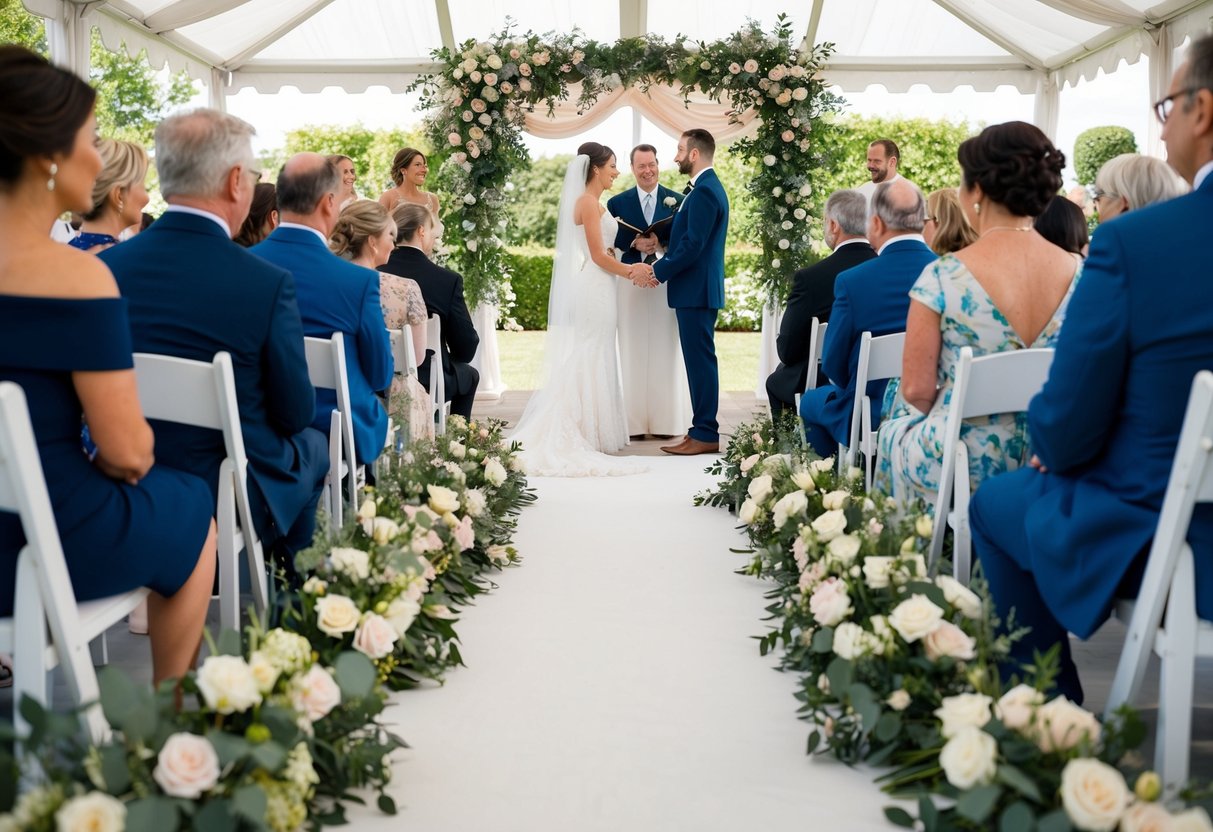
As you prepare for the ceremony, it’s helpful to understand the step-by-step order of events. This knowledge will guide you in organizing everything, from who walks where to when special songs are played. Each part of the ceremony plays an important role in celebrating your love, making it essential to have a clear plan.
By breaking down the ceremony into manageable steps, you can ensure that everything runs smoothly. This understanding will not only keep you relaxed on your wedding day but also make the experience memorable for you and your guests.
Planning Your Dream Wedding
Planning a wedding can be exciting yet overwhelming. You’ll need to make many important decisions, from budgeting to selecting the right venue. Focusing on the key areas will help you create a memorable day that reflects your style and vision.
Establishing the Budget and Checklist
First, sit down and write out your wedding budget. Include all major expenses like the venue, catering, and attire. It’s also wise to set aside 10-15% for unexpected costs.
Next, create a detailed checklist. This list should include tasks like booking vendors, sending invitations, and finalizing the guest list.
Consider using a spreadsheet or a wedding planning app to stay organized. Having a visual aid will help you track your spending and deadlines effectively. Remember, balancing your dream wedding with your budget is key. You don’t need to break the bank to have a beautiful celebration!
Choosing the Right Venue and Vendors
Finding the perfect venue is a significant step in your planning. Think about your wedding style—do you want a rustic barn, an elegant ballroom, or a beach ceremony?
Visit several locations to find one that fits your vision and budget.
Once you have your venue, it’s time to select vendors. Look for caterers, photographers, and florists who align with your style. Read reviews, ask for recommendations, and schedule consultations. This will help you understand their pricing and ensure they’re the right fit for your big day.
Selecting the Perfect Date and Sending Save-the-Dates
Choosing a date can be challenging. Consider the season, weather, and any major holidays that could conflict with your plans.
Once you decide, check that your desired venue and key vendors are available.
After confirming the date, send out save-the-dates to your guests. This can be a simple card or a digital announcement. Make sure to include your wedding website link if you have one, where guests can find more details later. Early announcements give your loved ones time to plan and look forward to your special day.
Designing Your Wedding Style and Website
Your wedding style should reflect you and your partner’s personalities. Think about color schemes, floral choices, and decor. Pinterest is a great tool for inspiration. Create a vision board that combines various elements to see how they fit together.
Building a wedding website is another fun step. Use it to share details about your day, including the itinerary, venue information, and registry links. This will make it easier for your guests to stay informed. Including a FAQ section can also help answer common questions they might have.
Pre-Wedding Events
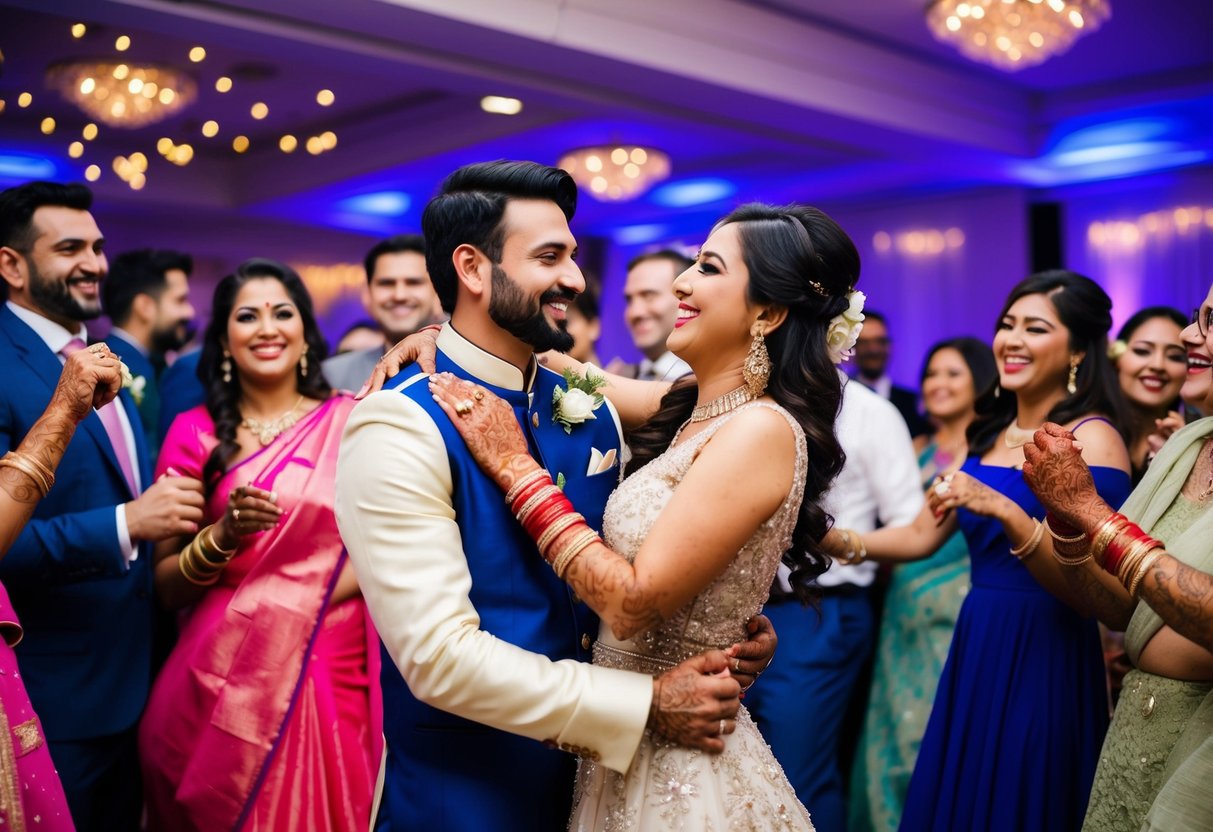
Planning your pre-wedding events is an exciting part of the journey. These celebrations help set the tone for your big day and create lasting memories with family and friends.
Organizing the Rehearsal Dinner
The rehearsal dinner is a special gathering held the night before the wedding. It is a chance for you, your partner, and both families to come together and relax before the big day.
When planning, select a venue that reflects your style. This could be a restaurant, a family home, or even an outdoor space.
Consider keeping the guest list small, typically including close family, the wedding party, and their partners. Aim for a warm, inviting atmosphere.
Plan the menu ahead of time. You can choose a sit-down meal or a more casual buffet. This dinner is also a good time to give thanks to those who helped with the wedding.
Finalizing the Wedding Day Timeline
Creating a detailed timeline for your wedding day is crucial. This helps everything run smoothly and ensures you have time to relax and enjoy the day.
Start with the ceremony time and work backward. Include key events like hair and makeup, transportation, and any pre-ceremony photos.
Be sure to communicate the timeline with your wedding party. Consider using a simple format like a table for clarity:
| Time | Activity |
|---|---|
| 9:00 AM | Hair and Makeup |
| 11:00 AM | Bridal Party Photos |
| 12:30 PM | Travel to Ceremony |
| 2:00 PM | Wedding Ceremony |
This timeline can help keep everyone informed and on schedule. Adjust the plan as needed, ensuring you account for any delays.
The Wedding Ceremony
The wedding ceremony is a significant part of your big day. It includes important rituals and moments that will create lasting memories. Understanding these elements helps you prepare for what to expect.
Understanding the Ceremony Order and Outline
A typical wedding ceremony follows a structured order. This usually begins with the processional, where the officiant walks in, followed by the wedding party and finally the couple. The declaration of intent often comes next, where you both confirm your willingness to marry.
The ceremony may also include special readings and music that reflect your personalities or beliefs. Each segment of the ceremony is important, and you can personalize it to make it unique. Your wedding ceremony outline should include all these details: who walks when, what is read, and what music plays.
Partaking in the Processionals and Recessional
The processional marks the beginning of your ceremony. It sets the mood as the wedding party walks down the aisle. You might choose to enter alone, with a parent, or with both parents. Choosing the right song for this moment is key.
The recessional happens right after you say your vows. This is a joyful exit with the wedding party, accompanied by celebratory music. It’s a time for excitement as you head back down the aisle, now as a married couple. Including meaningful songs can create memorable moments during both the processional and recessional.
Experiencing the Vows and Ring Exchange
The vow exchange is one of the most emotional parts of your ceremony. This is where you share your commitment to each other. You can write personal vows or select traditional ones that resonate with your relationship.
Following the vows, the ring exchange symbolizes your unity and commitment. As you place the wedding rings on each other’s fingers, it represents an unbroken bond. Many couples find this moment very special, so take your time to savor it.
Incorporating Special Readings and Music
Incorporating ceremony readings adds a personal touch to your vows. You can ask family members or friends to read selected passages, poems, or religious texts. These readings can reflect your values and the love you share.
Wedding ceremony music enhances the atmosphere. Choose songs that resonate with you both, whether they are romantic, classical, or modern. The right music can spark emotions and set the perfect tone for each part of your ceremony.
Each of these components contributes to the overall experience of your wedding ceremony.
Personalizing Your Ceremony
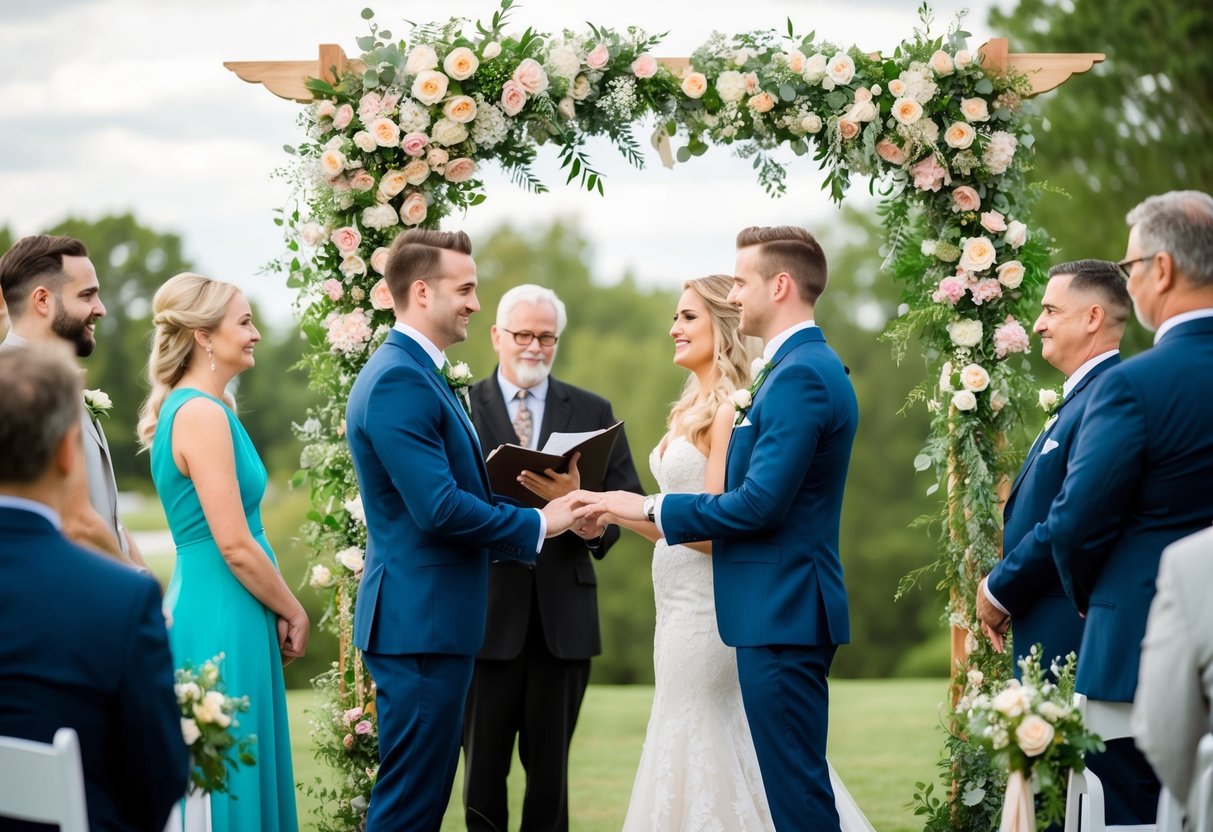
Your wedding ceremony is a special moment that should reflect who you are as a couple. Personalizing it can make the event more meaningful. Here are two main ways to make your ceremony truly yours.
Selecting a Ceremony Type That Reflects You
Choosing the right type of ceremony is crucial. You can opt for a traditional wedding or a modern wedding, depending on your style.
For instance, a religious wedding ceremony like a Jewish wedding ceremony includes elements such as the chuppah and ketubah. Alternatively, you might prefer a non-religious wedding ceremony that focuses more on your personal beliefs and ideas.
If you want something unique, consider blending elements from various cultures. A Hindu wedding ceremony includes rituals like saptapadi and mangalsutra. This fusion can bring depth and reflection of your backgrounds. The key is to select what resonates with you both.
Adding Unique Rituals and Traditions
Incorporating unique rituals can enhance your wedding day. Unity rituals symbolize the joining of you and your partner.
For example, a sand ceremony involves blending different colors of sand, creating a beautiful keepsake. Another popular option is the unity ceremony, which can be tailored to fit your theme.
For those who want a cultural touch, consider incorporating traditions like breaking of the glass in a Jewish wedding. This offers a memorable moment during the ceremony. Similarly, including the seven blessings in a religious ceremony adds a layer of significance.
The goal is to choose rituals that are meaningful to both of you while making the ceremony special for everyone involved.