
How Does an Online Wedding Work? A Simple Guide to Virtual Celebrations
Imagine saying “I do” from the comfort of your home or a stunning location of your choice. Online weddings have become a popular and practical choice for couples around the world, allowing you to connect with loved ones no matter where they are. An online wedding works by using video conferencing tools to bring together the couple and guests in a virtual setting, making it legal and meaningful.
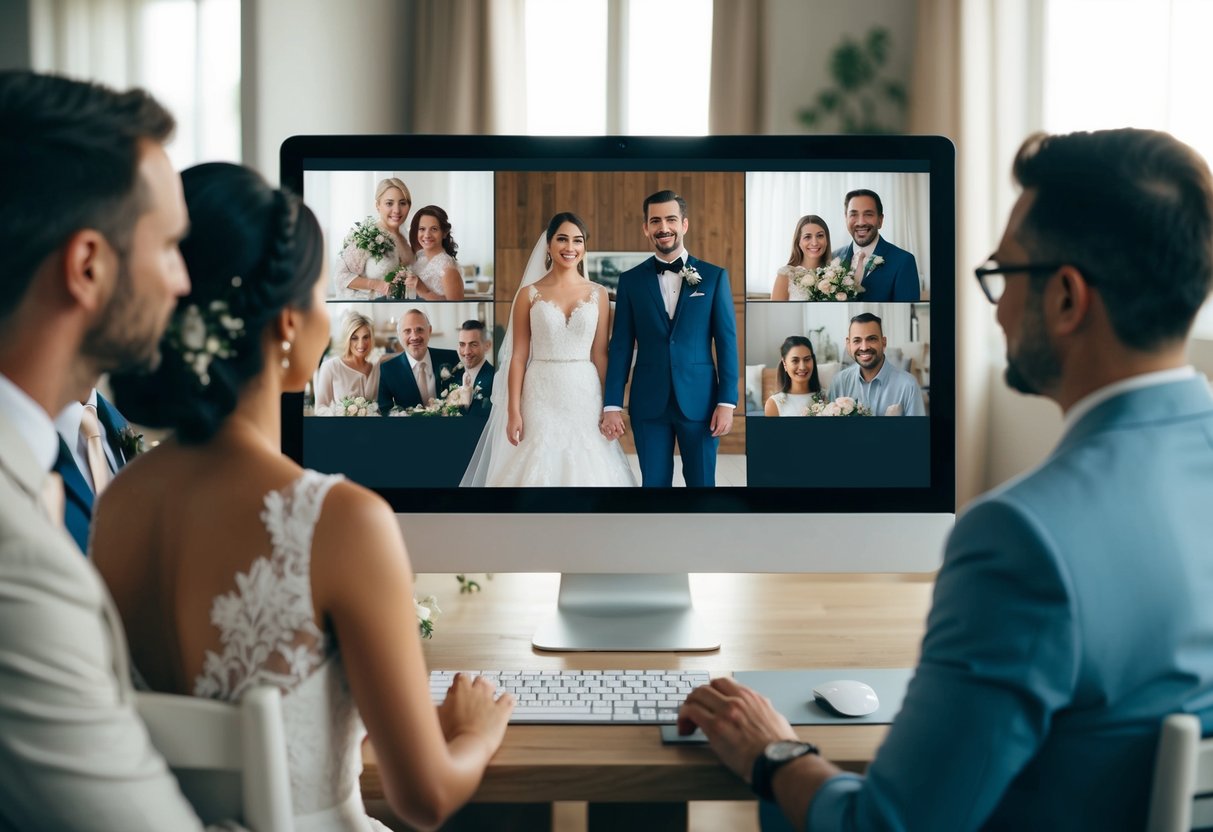
You can personalize every detail, from the ceremony to the décor, ensuring it reflects your unique love story. This option opens up countless possibilities for settings that might not be available through traditional venues. Whether you choose a cozy Airbnb or a scenic getaway, an online wedding allows you the freedom to celebrate your love in a way that feels right for you.
As you plan your special day, it’s essential to know what is required for a legal online wedding, the technology you’ll need, and how to make the experience enjoyable for both you and your guests. Understanding these elements can help you make the most of this modern approach to tying the knot.
Understanding Virtual Weddings
Online weddings have grown popular, especially during times when gathering in person isn’t possible. They provide a way to celebrate your special day while still connecting with loved ones.
Defining Online Weddings
An online wedding, or virtual marriage, allows couples to celebrate their love through digital platforms. This can be done using video conferencing tools like Zoom or Google Meet. Participants join from different locations, making it accessible for friends and family unable to attend in person.
During a virtual wedding ceremony, the officiant leads the event while everyone watches and interacts online. This setup includes sharing vows, readings, and even music. It’s important to test technology beforehand to ensure everything runs smoothly.
Historical Overview
The rise of virtual weddings coincided with the COVID-19 pandemic. As social distancing became necessary, many couples had to rethink their wedding plans. Traditional ceremonies were put on hold, prompting a shift to online celebrations.
Initially, many viewed online weddings as temporary. However, they have now become a lasting option for couples. This digital approach offers flexibility and affordability, making it easier to gather loved ones. Couples can create personalized virtual ceremonies to fit their unique needs.
Legal Aspects of Getting Married Online
Getting married online is a simple process, but it does involve specific legal requirements. Understanding these aspects can help ensure that your virtual wedding goes smoothly and is recognized as valid.
Requirements for Valid Online Marriages
To have a valid online marriage, you must meet certain requirements. First, both partners need to be legally eligible to marry. This includes being of legal age and not being closely related.
Next, you need a marriage license, just like in a traditional ceremony. This license must be obtained from the state where you plan to marry. After your virtual ceremony is complete, you will receive an official marriage certificate. This document proves that you are legally married.
Obtaining a Marriage License Remotely
Getting a marriage license remotely is crucial for online weddings. Many states now allow couples to apply for a license online. The process typically involves filling out an application and providing identification.
Some states might require an in-person visit, so check your local laws. It’s important to understand that the marriage license often has a validity period, so plan your online ceremony accordingly. Remember, without this license, your marriage is not considered legal.
Role of Officiants in Virtual Weddings
An officiant plays an essential role in your online wedding. They are responsible for conducting the ceremony and ensuring that it follows legal guidelines. You need to choose a certified officiant who is authorized to perform weddings in your state.
Many officiants now specialize in virtual ceremonies. They guide you through the process, making sure all legal aspects are covered during the ceremony. Be sure to confirm that your officiant is familiar with online wedding regulations in your state.
Recognizing International Virtual Weddings
If you are considering an international virtual wedding, it’s important to know that recognition can vary by country. Most nations require that marriages meet local laws to be deemed valid.
In the U.S., online marriages performed according to state regulations are generally recognized. If you’re marrying a partner from another country, you may need to look into specific requirements, such as obtaining an apostille for your marriage certificate. This verifies your document for use abroad.
Make sure to research the laws of both countries involved to ensure your marriage will be legally acknowledged.
Planning Your Online Wedding Experience
Planning your online wedding involves careful consideration of the technology you’ll use, how to invite guests, and managing different time zones. Each of these areas plays a vital role in creating a smooth and memorable virtual ceremony.
Choosing the Right Technology
Selecting the right technology is crucial for a successful online wedding. A stable internet connection is a must. This ensures that your ceremony runs smoothly without interruptions.
Video conferencing platforms like Zoom are popular choices. They offer features like breakout rooms for smaller conversations. You’ll want to test the platform beforehand, ensuring you’re familiar with its functions.
Consider hiring a virtual wedding planner to help. They can guide you through the tech setup, helping you achieve a personalized experience. Discuss any special features you want, like virtual backgrounds, to enhance the ambiance of your ceremony.
Virtual Wedding Invitations and RSVPs
Creating virtual wedding invitations is simple and efficient. You can design beautiful digital invitations that reflect your wedding theme. Sending them via email helps you reach guests quickly.
Don’t forget to include links for digital RSVPs. This allows you to track who can attend easily. Plus, you can ask about their preferences, like if they need technical assistance.
Make your invitation interactive by adding links to your wedding website, where guests can find more details. This makes the planning process smoother while keeping everyone informed.
Setting a Wedding Date and Managing Time Zones
When planning an online wedding, choosing the right date is key. Make sure it works for both you and your guests. Remember to consider time zones if you have friends and family in different locations.
You can use a scheduling tool to find the best time for everyone. This flexibility will help accommodate your loved ones, making them feel included despite the distance.
Once you set the date, communicate it clearly in your invitations. Include a countdown or reminders as the day approaches. Keeping everyone in the loop helps build excitement for your special day.
Hosting Your Virtual Wedding Ceremony
Hosting your virtual wedding ceremony can be a unique and memorable experience. You can create a beautiful event that feels special, connects loved ones, and celebrates your love story, regardless of the distance. Focus on crafting a thoughtful agenda, setting up the technology, and making your virtual celebration engaging for all guests.
Crafting the Virtual Ceremony Agenda
Your agenda is the backbone of your online ceremony. Begin by deciding the flow of events. Include key moments such as the welcome, readings, vows, and even special music. This gives structure to the day.
Consider adding personal touches, like a slideshow that highlights your relationship. You can use digital wedding invitations to share the agenda with guests. Make sure it’s clear and easy to follow. Don’t forget to include break times. These help guests feel relaxed and engaged through the live streaming experience.
Technical Setup for a Smooth Online Ceremony
Choosing the right video conferencing software is crucial. Many couples use Zoom for its ease of use. Before the big day, check your internet connection, audio quality, and lighting. Ensure everyone can see and hear you clearly.
Test your setup with family or friends beforehand to troubleshoot. Consider using a tripod for a stable camera. You might also want to designate a tech-savvy friend as a backup to help with any issues that arise. A wedding website can be a great place to provide guests with instructions on how to join.
Creating a Memorable and Engaging Event
Make your virtual celebration interactive. Encourage guests to share their thoughts or memories through a chat feature. You can also schedule a live Q&A session where guests ask questions about your relationship.
Incorporate fun elements like having guests raise a glass during toasts. Personalize the experience with themed backgrounds or props. For example, you could choose a beautiful outdoor scene as your backdrop. This creates an inviting atmosphere.
Remember to keep the atmosphere relaxed and joyful. Engage with guests often, so they feel part of your special day, even from afar. Your love story is unique, and your virtual wedding should reflect that!