
How Does Wedding Seating Work? A Simple Guide to Arranging Your Guests
Understanding how wedding seating works is key to creating a smooth, enjoyable experience for you and your guests. The seating arrangement at your wedding reception not only reflects your style but also influences how your guests interact throughout the event. You want to ensure that friends, family, and other attendees feel comfortable and included.
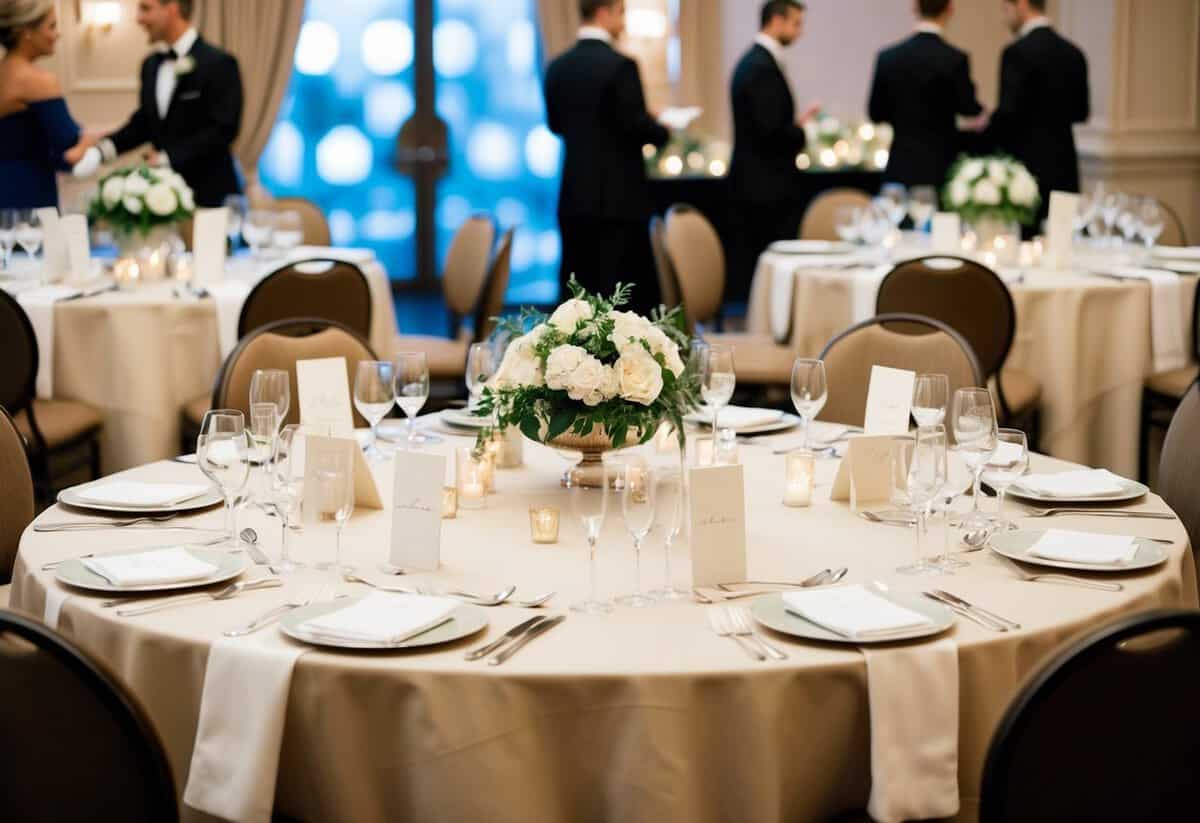
In wedding planning, it’s essential to think about who will sit where. Consider the relationships among your guests; grouping friends or family can encourage connections.
Keep in mind that everyone likes to know at least one person at their table, which can help break the ice and foster a celebratory atmosphere.
With a clear seating chart, you can guide your guests to their designated spots effortlessly. This organization makes everything run smoothly, allowing you to focus on enjoying your special day.
Designing Your Wedding Seating Chart
Creating an effective seating chart can help set the right mood for your wedding. You’ll need to consider table shapes, sizes, and how the venue is laid out to accommodate everyone comfortably.
Choosing the Right Table Shapes and Sizes
The shape and size of tables can greatly affect the flow of your reception. Round tables typically encourage conversation, while square tables can create a more formal atmosphere.
Common table sizes include:
- 6-foot round tables: Good for 8-10 guests.
- 8-foot round tables: Ideal for larger groups of 10-12.
- Square tables: Fit 4-6 people and may work better in smaller venues.
When selecting tables, ensure there’s enough space for guests to move around easily. Arrange tables to encourage mingling while keeping pathways clear. Also, consider using different table shapes to add visual interest to your layout.
Deciding on the Venue Layout and Dance Floor Placement
The venue layout is crucial for a smooth event. Think about where the dining area, dance floor, and other activities will be. Place the dance floor near the dining area to make it easy for guests to join in after dinner.
Consider how many tables you need based on guest count, and make sure the flow from one area to another feels natural.
Keep these points in mind:
- Guest comfort: Don’t cram too many tables in tight spaces.
- Accessibility: Ensure guests can access restrooms easily.
Arranging tables too close to the dance floor could disrupt dining. Strike a balance to keep everyone happy!
Managing Guest Placement and Relationships
Creating a great seating arrangement involves careful planning of your guest list and their relationships. Understanding how to group guests can make a significant difference in the overall experience.
Organizing Guests with RSVPs and Relationships
Start by organizing your guest list based on RSVPs. Knowing who has confirmed can help you make seating decisions. This will ensure that everyone has a seat and reduces stress on the big day.
Next, consider the relationships between guests. Grouping friends or family members together can spark lively conversations. You might want to create categories, such as close family, college friends, and work colleagues.
Make sure to track any sensitive connections. For example, if two guests have unresolved issues, it might be better to seat them at different tables. Use a seating plan to visualize these placements effectively.
Addressing Special Circumstances and Avoiding Conflicts
Each wedding has its own dynamics. You may encounter special circumstances that require extra attention. For example, if you have elderly relatives who may need quick access to exits or restroom facilities, consider seating them closer to the aisle.
Avoiding conflicts is crucial. Be aware of any potential tensions among guests. For instance, if you know two people have a history of conflict, place them at opposite ends of the reception.
Creating a list of these special considerations can guide you in making thoughtful seating choices. This preparation can help create a more relaxed and enjoyable atmosphere for all.
Seating Arrangement Details
When planning your wedding seating, it’s essential to think about how your guests will interact and enjoy their time. Key aspects include where you will sit, how to guide guests to their seats, and making space for everyone, including kids and singles.
Arranging the Head Table and Sweetheart Table
The head table is usually where the wedding party sits. It often faces the guests. You can choose to have a traditional long table for everyone in the party or a more intimate sweetheart table just for you and your partner. A sweetheart table allows you to connect more during the reception.
When setting this up, consider the seating etiquette. Make sure to arrange the head table with your closest friends and family. If you choose the sweetheart table, consider placing it near the dance floor for a lively atmosphere.
Using Escort Cards and Place Cards Effectively
Escort cards help guide your guests to their assigned table. These can be simple cards with each person’s name, and they can be displayed creatively on a table at the entrance. Make sure to organize them in alphabetical order for easy access.
Place cards go a step further by indicating where each guest should sit at their table. This ensures that everyone knows where to go, reducing confusion. You can add personal touches, like a small note or a themed design, to make them more special.
Incorporating Seating for Kids and Singles Tables
When planning for kids, consider a designated kids’ table. This can keep them entertained and make your adult guests more relaxed. You might want to offer fun activities or special meal choices for younger guests, like chicken tenders or pasta.
For singles, you can create a singles table. This is a great way for unattached guests to mingle and meet new people. Arrange the seating to encourage conversations, and think about their meal choices as well. Making these tables inclusive can add to everyone’s enjoyment.
Implementing and Displaying Your Seating Chart
Creating and displaying your seating chart is a key step in planning your wedding. This helps guests know where to sit and ensures smooth transitions during the event. Here’s how to effectively create and showcase your seating arrangements.
Creating a Seating Chart with Digital Tools
Using digital tools to create your seating chart can make the process much easier. There are many online platforms and software options available that allow you to drag and drop names, ensuring a visual layout that works for your venue.
Some popular digital seating chart tools include:
- Allseated: This tool allows you to visualize your event space in 3D.
- PerfectTablePlan: This software simplifies the seating arrangement with easy adjustments.
Digital tools not only save time but also help you keep track of any last-minute changes. Be sure to follow seating chart etiquette. For example, consider placing families or groups together to create a comfortable experience for your guests.
Finalizing and Showcasing Your Seating Arrangements
Once you’ve arranged the seating, finalize and display the chart. Double-check placements to avoid any confusion.
Consider creating a printed version of your digital chart for easy access.
When showcasing your seating arrangements, think about where to place the chart. It should be in a location that is easily visible as guests enter the reception area.
Some creative ideas include using a large mirror or a decorative board.
You can also provide smaller printed cards on each table for a personal touch. This helps guests confirm their spots while contributing to the overall decor of your event.