
How Early Do Wedding Invitations Go Out? Essential Timing Tips for Your Big Day
Planning your wedding is exciting, and one important detail is sending out invitations. Typically, you should send wedding invitations 6 to 8 weeks before your big day. This timeframe gives your guests enough notice to make plans while ensuring they don’t forget your special date.
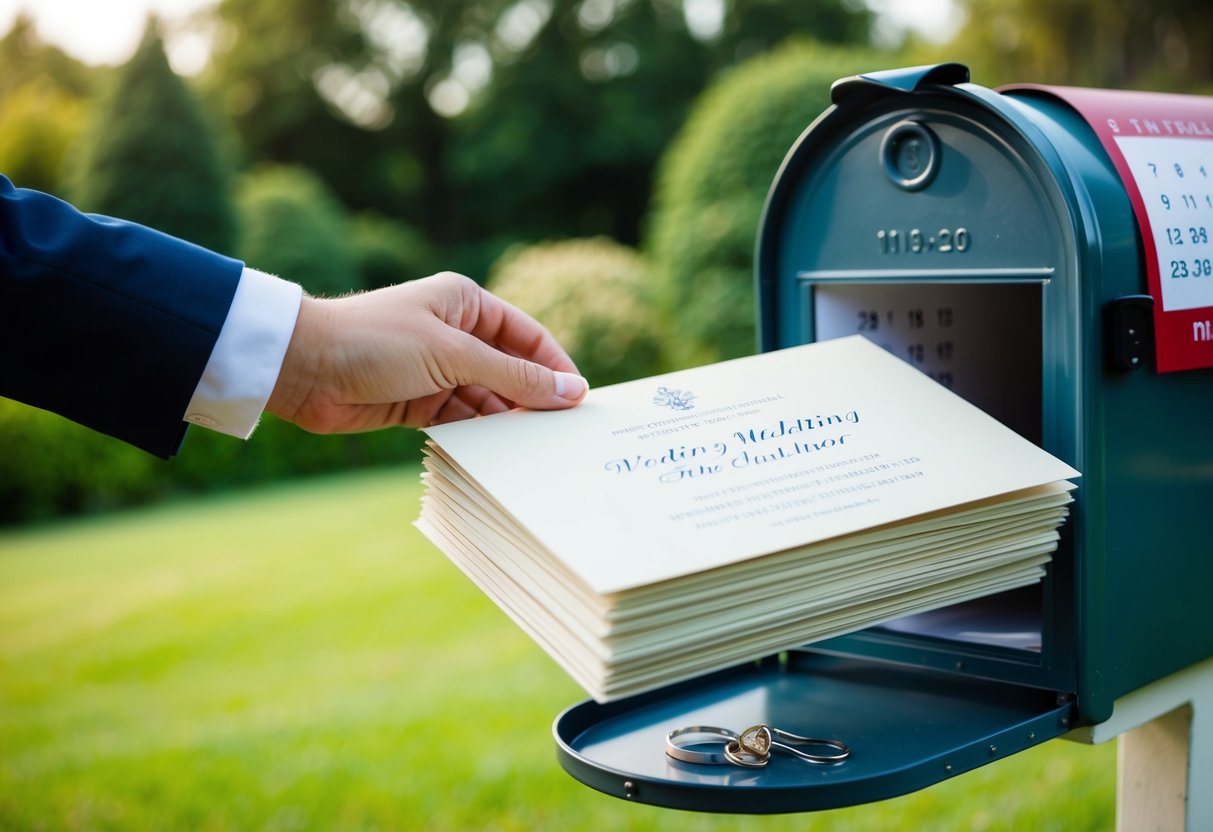
If you’re also considering sending save-the-dates, those should go out even earlier, around 4 to 12 months before the wedding. This advance notice is especially useful for guests who may need to travel. Understanding the timeline for invitations helps keep everything organized and ensures your loved ones can join you in celebrating.
Understanding the Wedding Invitation Timeline

Planning your wedding invitations is important. You want to give your guests enough time to make arrangements.
Save the Dates: Send these out as soon as your wedding date is set. This helps guests plan ahead, especially for destination weddings.
Wedding Invitations: Aim to send these 2-4 months before your wedding date. For larger weddings or those with many out-of-town guests, sending them 5-6 months ahead can be even better.
Timeline Overview:
- Save the Dates: 6-8 months before the wedding
- Wedding Invitations: 2-4 months before, 5-6 months if needed
Consider your guest list. A smaller, intimate wedding may allow you to send invitations closer to the date.
Wedding Etiquette: It’s polite to let guests know early so they can respond and attend your celebration.
Being clear about your timeline helps everyone prepare for your big day. This way, you can focus on planning the celebration you’ve always dreamed of!
Designing Your Invitation Suite
Creating your invitation suite is an exciting part of wedding planning. It sets the tone for your big day and reflects your personal style. You’ll want to consider the design, stationery, and wording carefully.
Choosing the Right Stationery and Style
Selecting the right stationery and style is important. Think about your wedding theme and colors. This will guide your choices.
Types of Stationery:
- Invitations: The main item and the first thing guests will see.
- RSVP Cards: Important for tracking attendance.
- Details Enclosures: Includes information about the venue, dress code, or accommodations.
Choose a style that complements your theme. If you’re having a rustic wedding, consider natural textures or earthy colors. For a formal wedding, go for elegant, classic designs. Remember to order 5-10% extra invitations to account for any last-minute guests or mistakes.
Crafting the Perfect Invitation Wording
The wording on your invitations is almost as crucial as the design. It conveys essential details about your wedding and should reflect the mood of the event.
Basic Elements to Include:
- Names: The couple’s names should stand out.
- Date: Clearly state the day, month, and year.
- Time: Guests need to know when to arrive.
- Location: Include the venue’s name and address.
Use a tone that matches your wedding style. If it’s casual, feel free to be more relaxed in your wording. For a formal invitation, stick to traditional phrases. Make sure everything is clear, so your guests know exactly what to expect on your special day.
Managing the Guest List and RSVPs

Managing your guest list and RSVPs is essential for a smooth planning process. You need to create an organized list of guests before sending invitations and keep track of their responses, especially for a wedding involving out-of-town or international guests.
Creating Your Guest List
Start by brainstorming everyone you want to invite. This includes family, friends, and coworkers. It helps to divide guests into categories, like close family and casual friends. Make sure you discuss this list with your partner to avoid missing anyone important.
Once you have a rough list, create a final version. Use a spreadsheet or a wedding planning app to make it easier to track details. Include names, addresses, and any relevant notes, such as if they need accommodations for a destination wedding.
Don’t forget to consider RSVPs; some people may reply late or forget. Set a clear RSVP deadline to help manage your time effectively. This will give your guests a firm date to respond by.
Sending Out Invitations and Tracking Responses
When sending out invitations, choose a timeline that allows your guests ample time to respond. Typically, send them out 8 to 12 weeks before the wedding. This grants guests plenty of time to plan, especially if they’re traveling from afar.
To simplify tracking, ask guests to RSVP via your wedding website. This is especially useful for out-of-town and international guests. Encourage your guests to reply as soon as possible, but keep in mind that some may delay.
Create a checklist to keep track of who has responded. Indicate whether they plan to attend, plus any special requests they may have. This will help you finalize arrangements and adjust your wedding guest list if necessary.
Additional Wedding Correspondence
Planning a wedding involves more than just sending out invitations. You will also need to consider other important communications, like save-the-dates and thank-you cards. Each of these elements plays a role in making your special day run smoothly.
Save-the-Dates and Pre-Wedding Events
Send out save-the-dates 4-6 months before your wedding. This gives your guests enough time to block off their calendars. They are especially useful for destination weddings or events that require travel.
Along with save-the-dates, consider invitations for any pre-wedding events. This includes engagement party invitations and bridal shower invitations. Make sure to add any details your guests need, such as location and dress code, to help with planning.
Rehearsal Dinners and Day-After Brunches
Rehearsal dinner invitations should go out 1-2 months before the wedding. The dinner is typically for close family and bridal party members. You can keep the guest list small and intimate.
If you plan a day-after brunch, invite your guests a few weeks prior. This is a great way to thank your guests for celebrating with you. It’s also a chance to relax together after the wedding chaos!
Thank-You Cards and Post-Wedding Communication
Sending thank-you cards is an essential part of post-wedding correspondence. You should aim to send your thank-you notes within 3 months of the wedding. A personal touch goes a long way. Mention the specific gift and how you’ll use it.
If you have a wedding registry, make sure to include it in your thank-you notes. This lets guests know how much you appreciate their gifts. Keeping communication open with family and friends will help maintain those relationships even after your big day.