
How Early Should Guests Arrive at a Wedding? Tips for a Smooth Celebration
Arriving on time is key to enjoying a wedding and showing respect for the couple’s special day. Guests should plan to arrive 15 to 30 minutes before the ceremony start time listed on the invitation. This extra time not only allows you to find your seat but also helps you settle in and soak up the joyful atmosphere.
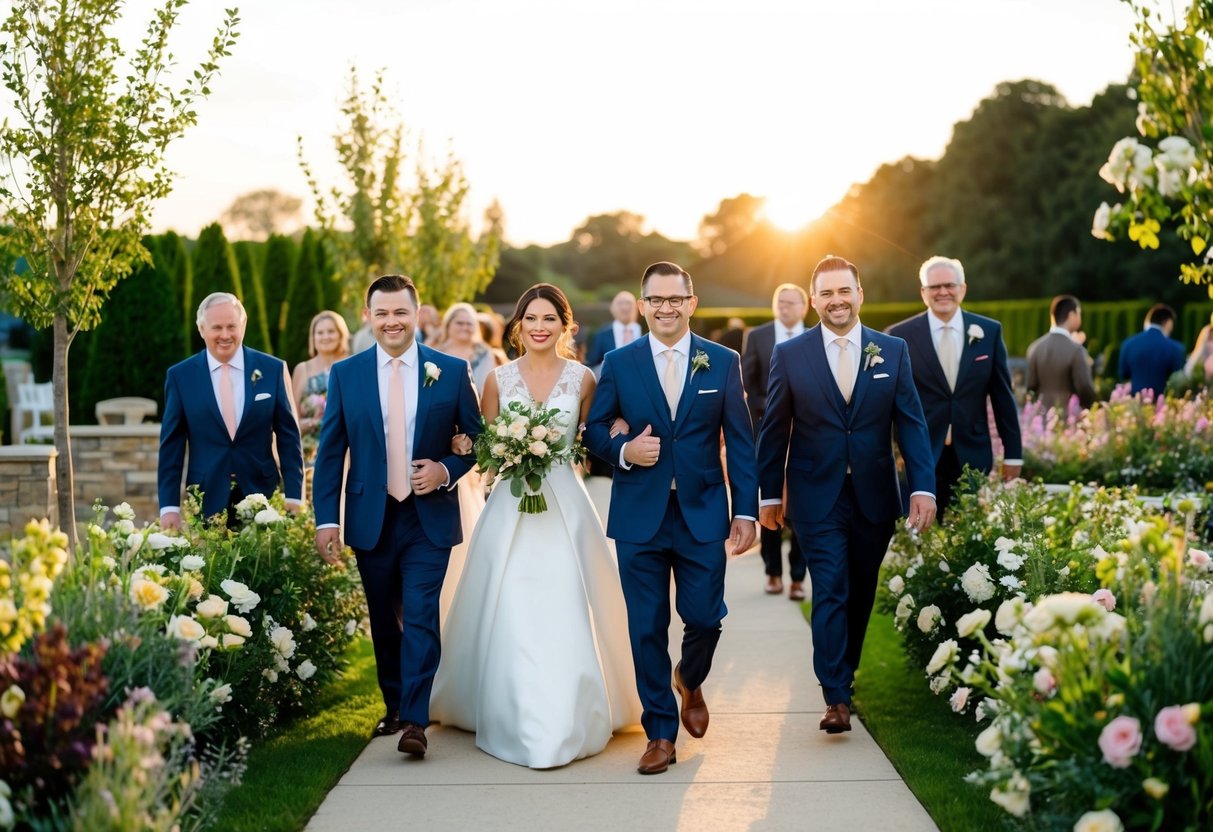
If you’re attending a larger wedding, it’s wise to lean more towards the 30-minute mark. Weddings can have many guests arriving at once, and parking might take longer than expected. Being punctual is part of good wedding etiquette, and arriving early ensures you won’t miss any important moments.
Keep in mind that weddings often have a flow that builds excitement. Arriving early gives you a chance to chat with other guests and enjoy the pre-ceremony buzz. It’s a wonderful opportunity to connect before the vows are exchanged.
Understanding Wedding Timelines
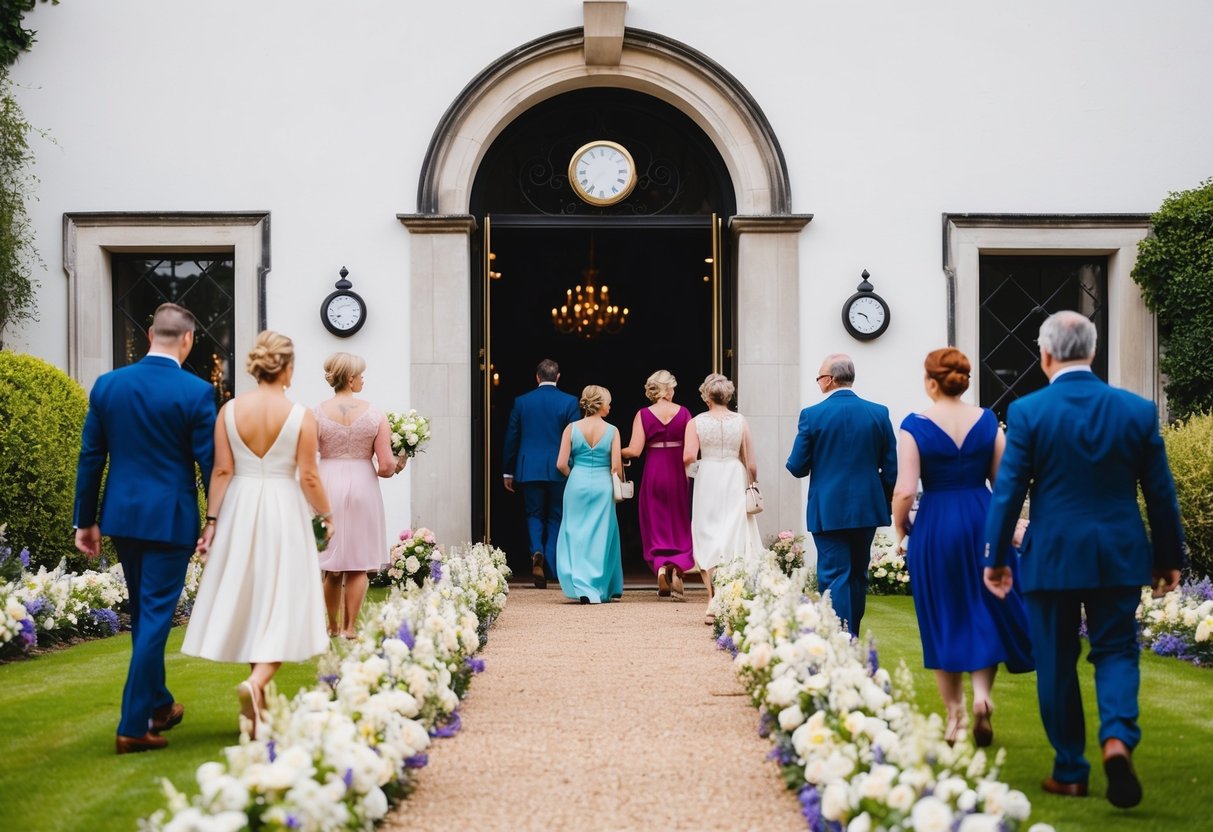
Knowing the wedding day timeline helps you arrive on time and enjoy the events. Focus on key moments like the ceremony start time and reception details to ensure a smooth experience.
Ceremony Overview
The ceremony is a significant part of the wedding day that sets the tone for the entire event. Typically, guests should plan to arrive 15-30 minutes before the ceremony begins.
If the ceremony starts at 5 p.m., aim to be at the venue between 4:30 p.m. and 4:45 p.m. This gives you time to find a seat and settle in without rushing.
Keep in mind the couple may wish to start on time. If guests arrive late, they should enter quietly to avoid disrupting the ceremony. Being mindful of the timeline shows respect for the couple and their special moment.
Reception Insights
After the ceremony, the reception is where celebrations really kick off. The reception usually starts about 1-2 hours after the ceremony ends. This allows time for photo sessions and transitions.
For example, if the ceremony is at 5 p.m., the reception might begin around 6:30 p.m. or 7 p.m.
Arriving on time for the reception is essential, as it includes important parts like the first dance and speeches. Guests arriving on time can enjoy appetizers and mingling, making for a more enjoyable experience.
Keeping track of these timelines ensures you don’t miss any special moments throughout the day.
The Role of Invitations and Communication
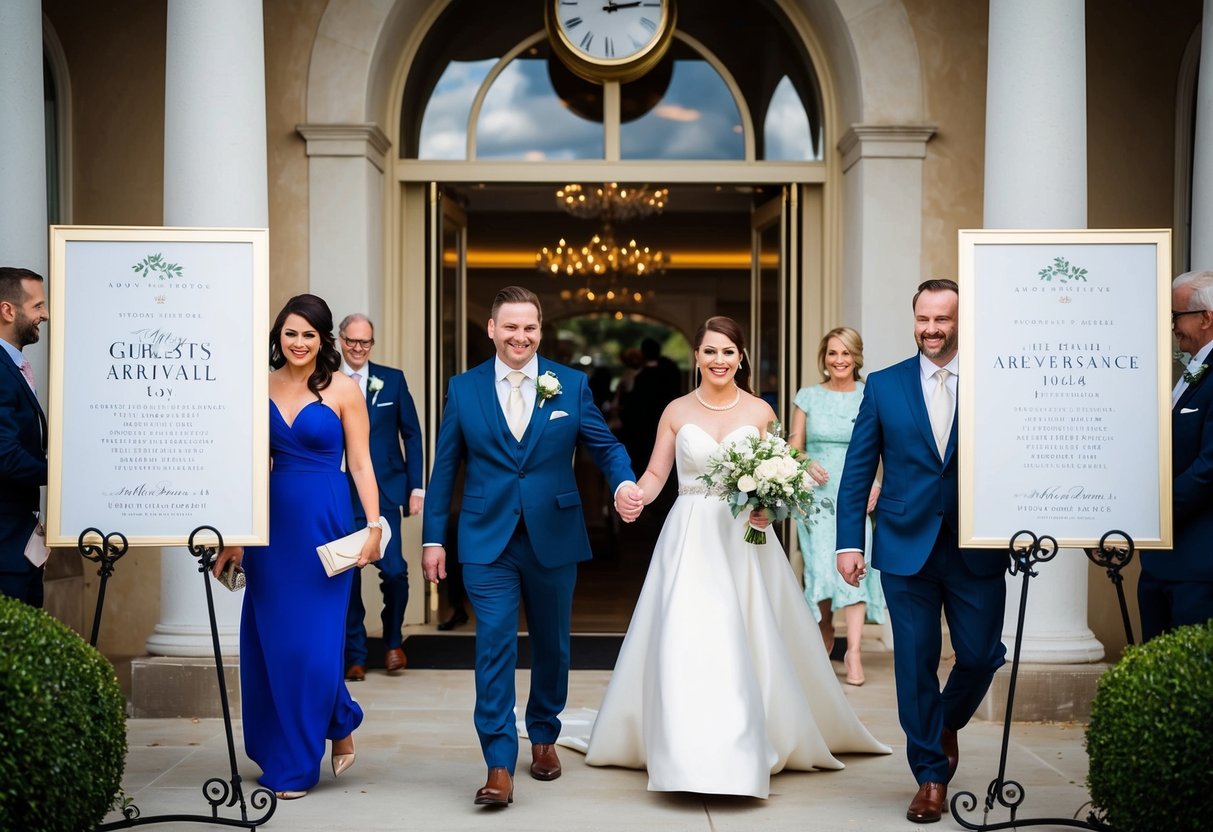
Your wedding invitation is not just a pretty card; it sets the tone for the entire event. It contains vital information helping you and your guests understand what to expect. Clear communication through the invitation and additional tools like a wedding website can make planning smoother and more enjoyable.
Decoding the Invitation
The wedding invitation provides essential details about your special day. Pay attention to the time listed on the invite, as it often indicates when the ceremony starts.
It’s a good practice to arrive 15-30 minutes early to get settled.
Look for RSVP instructions. These let you know how to confirm your attendance, which helps the couple plan for food and seating.
If the invitation mentions a dress code, be sure to dress accordingly to respect the couple’s wishes. Understanding these details is crucial for a smooth and enjoyable experience.
Utilizing the Wedding Website
A wedding website is a great tool for sharing more information with your guests. It can provide updates, directions, and additional details that might not fit on the invitation.
Include a section for travel and accommodation options. This helps out-of-town guests find nearby hotels.
You can also add links for RSVP options and a Q&A section for common questions. Having this information accessible means guests can easily check details instead of needing to reach out to you directly, relieving some of your communication strain.
Arrival and Seating Etiquette
When attending a wedding, understanding arrival times and seating etiquette is essential. Arriving on time shows respect for the couple and allows you to settle in comfortably before the ceremony begins.
Guest Arrival Time
As a wedding guest, aim to arrive 15-30 minutes before the ceremony starts. This gives you a chance to find your seat and greet others.
If the invitation states a ceremony time of 5 p.m., plan to arrive by 4:30 p.m. or even earlier for larger weddings.
Being punctual is part of good wedding guest etiquette. Arriving late can disrupt the ceremony and may make you feel rushed. Don’t forget to account for parking time or possible delays.
Navigating Seating Arrangements
When you arrive, check the seating chart if one is available. This helps you find where you should sit and avoids any confusion.
If ushers are present, feel free to ask them for guidance. They are there to assist you.
Respect the seating arrangements as some spaces might be reserved for family or special guests.
If you can’t find your assigned seat, look for a nearby area that seems appropriate—avoid sitting in the front rows unless directed.
Remember, being considerate of the couple’s wishes will help create a warm atmosphere for the celebration.
Additional Considerations for Guests
When attending a wedding, it’s not just about showing up on time. You also need to think about travel plans and how to share the day with others, including gifts and social media.
Travel and Accommodation
If the wedding is far from home, make travel arrangements early. Check for hotel room blocks set up by the couple. These blocks often come with discounts and make it easier for guests to stay in one place.
Consider transportation options, too. Will you need a rental car, or is there public transportation available?
Knowing how you will get to the venue can alleviate stress. Make sure to check traffic conditions on the event day, so you can arrive timely.
Social Media and Wedding Gifts
Sharing moments on social media is common today. If the couple has a special hashtag for their wedding, use it to keep your posts in line with their wishes.
Be mindful about posting during key moments, like the ceremony.
Don’t forget about wedding gifts! Check the couple’s wedding registry to choose something they truly want.
It’s a thoughtful way to show your support. If you want to give something unique, consider a personalized gift that reflects your relationship with them.