
How Early Should I Send Save the Date? A Guide for Stress-Free Wedding Planning
When planning a wedding, one of the first questions you may ask is about timing. You should send out your save-the-dates about six to eight months before the wedding date. This gives your guests plenty of time to know the date and make necessary arrangements.
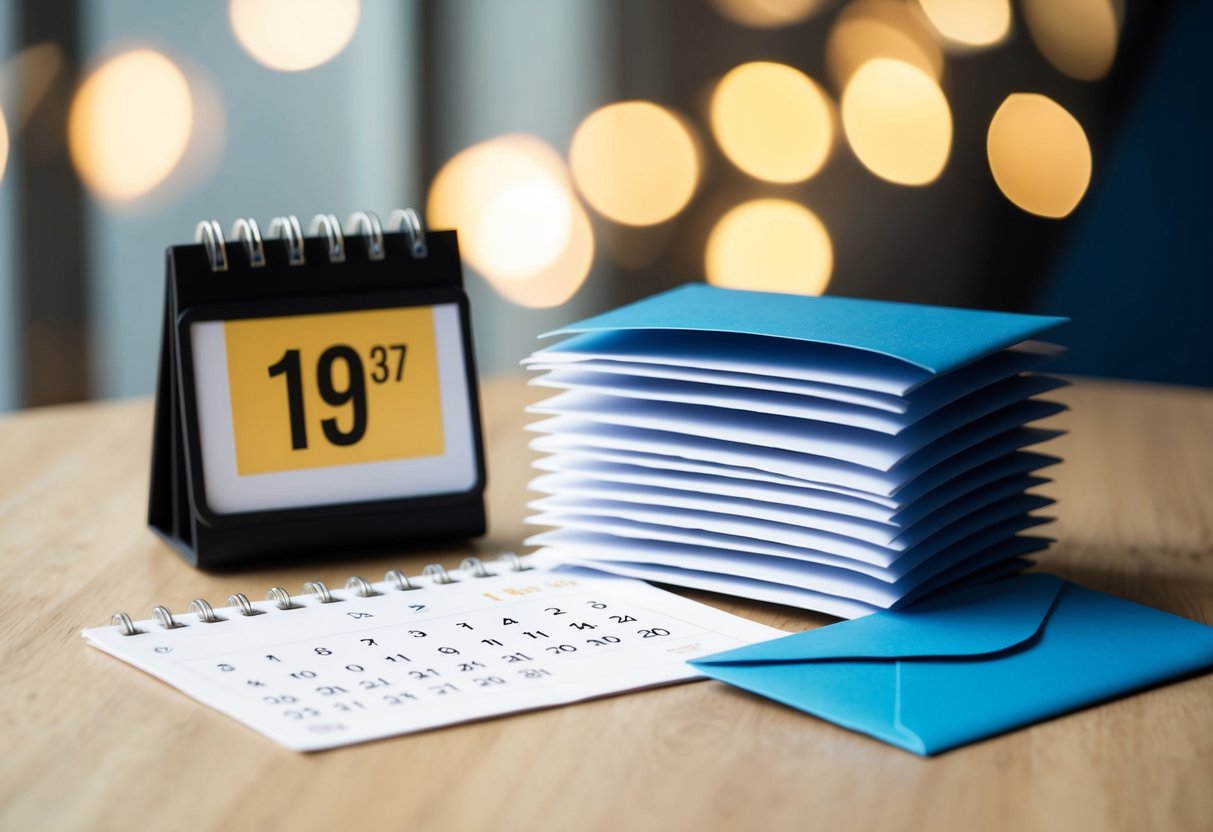
If you are hosting a destination wedding or one during a busy holiday season, sending them eight to twelve months in advance is a smart choice. Guests appreciate having more time to plan, especially if they need to travel.
Getting this timeline right is crucial to ensuring your friends and family can celebrate with you. Knowing when to send these important notifications can help kick off the excitement for your big day!
Understanding Save the Date Etiquette
Save the date cards play a key role in wedding planning. They help inform your guests about your special day and give them ample time to make arrangements. Let’s explore the importance of save the date cards and the differences between traditional and digital options.
The Role of Save the Date Cards
Save the date cards are the first official announcement of your upcoming wedding. They set the tone and help your guests mark their calendars early. It’s important to send these cards six to eight months before your wedding date. This allows guests to plan, especially if travel is involved.
These cards typically include essential details like the date, location, and a note that formal invitations will follow. Keep in mind, it’s wise to send them only to those you truly intend to invite. This way, you can manage your guest list more effectively and ensure that all your loved ones are informed.
Traditional vs. Digital Save the Dates
When it comes to save the dates, you have two main options: traditional cards or digital formats. Classic save the dates can enhance the charm of your wedding stationery with beautiful designs. They might feature elegant prints, or even a photo of you and your partner. These cards can be sent through the mail and feel more personalized.
On the other hand, digital save the dates offer a modern twist. They’re quick to send, environmentally friendly, and often more affordable. You can create eye-catching designs and send them via email or social media. Just make sure your digital format matches the wedding style you’re aiming for. Whichever option you choose, ensure it’s clear and provides the necessary info.
Timing Your Save the Dates
Sending your save the dates at the right time helps your guests make plans to celebrate with you. Knowing when to send these cards can make a big difference for both you and your guests.
Ideal Timeframe for Sending Save the Dates
You should send your save the dates 4 to 6 months before a local wedding. This gives guests enough time to adjust their schedules. For a destination wedding, aim for 8 to 12 months ahead. This is crucial because guests may need to book flights and hotels.
Consider creating a checklist to track your wedding timeline.
Checklist:
- Finalize your date and venue.
- Order save the date cards.
- Create a guest list.
This timeline allows guests to make travel arrangements without feeling rushed. It’s important to balance giving enough notice while keeping the date fresh in their minds.
Destination Wedding Considerations
For destination weddings, timing is even more important. Guests will need more time to plan their travel. Sending save the dates 8 to 12 months in advance is ideal. This gives everyone a fair chance to book affordable flights and accommodations.
Include helpful details in your save the dates. You might want to mention the wedding location and any nearby attractions. This information can help guests decide about travel plans early on.
Make sure you communicate any group rates for hotels as well. Guests appreciate these details because they can save money. By planning ahead, you help make your special day enjoyable for everyone.
Crafting Your Guest List
Creating your guest list is an important step that sets the tone for your wedding. It helps you decide how early to send your save-the-dates.
Determining Who to Invite
Start by making an initial list of everyone you and your partner want to invite. Include family, close friends, coworkers, and anyone special to you.
Consider breaking this list into categories:
- Must-Haves: People you can’t imagine your wedding without.
- Nice-to-Haves: Those you’d like to invite if space allows.
Think about your venue’s capacity. You want to ensure it can comfortably accommodate your chosen guests. Keep in mind that including kids and plus-ones may affect your numbers. Later, you can finalize who receives save-the-dates based on your ultimate list.
Managing Plus-Ones and Families
Deciding on plus-ones can be tricky, so it’s important to set clear guidelines. Here are some tips to simplify this:
- Serious Relationships: Offer a plus-one to guests who are in a committed relationship.
- Single Guests: Consider allowing some single friends to bring a guest to ensure they feel included.
When inviting families, think about using family units rather than individual invitations. For example, if you invite a family of four, it’s better than sending separate invites to each person.
By managing your plus-ones and families smartly, you help shape a guest list that feels right for your celebration. This will also make it easier for your guests to RSVP.
Additional Wedding Details to Consider
As you prepare for your big day, there are key details beyond save-the-date cards that you need to consider. These include the venue, theme, and budget, all of which play a vital role in creating your ideal wedding celebration.
Choosing the Right Wedding Venue
Selecting the perfect wedding venue is essential. Start by considering the size of your guest list. The venue should comfortably accommodate everyone while allowing for movement during the ceremony and reception.
Look at various options, from local churches to scenic outdoor spaces. Think about your wedding date, as some locations book up quickly, especially during peak wedding seasons.
Don’t forget to check the venue’s amenities. This includes parking, restrooms, and accessibility for all guests. You may also want to consider venues that allow for both the ceremony and reception to take place in one location, making the day smoother.
Creating a Cohesive Wedding Theme
A clear wedding theme ties everything together, making your day feel organized and thoughtful. Start by choosing colors that reflect your personality and set the mood you want. For example, soft pastels can create a romantic vibe, while vibrant colors can energize your celebration.
Incorporate your theme into your invitations, decorations, and even your wedding website. This consistency helps guests know what to expect. You might also want to consider how your engagement photos can fit into this theme. Photos can be a fun way to reflect your style and excitement.
Use save-the-date wording that aligns with your theme. Fun and playful wording can showcase a casual wedding, while elegant phrasing can highlight a formal celebration.
Budgeting for Your Wedding
Planning your wedding involves many crucial steps, and budgeting is one of them. Start by determining your overall budget. Then, divide it into categories like venue, catering, and photography. After that, make a list of all expenses to avoid surprises later.
Consider your needs versus your wants. Prioritize essential items like the venue and catering. Then, allocate funds to secondary items based on what’s left. Additionally, remember to account for unexpected costs that might arise.
Using a wedding budget spreadsheet can help you track your spending. This way, you’ll stay within your budget and ensure you can enjoy your wedding day without financial stress.