
How Early Should I Start Planning a Wedding? Tips for a Stress-Free Celebration
Getting engaged is an exciting time! You might find yourself wondering when to dive into wedding planning. As soon as you get engaged is the best time to start planning your wedding. This allows you to enjoy the process without feeling overwhelmed as your big day approaches.

Taking the time to plan early lets you make decisions that truly reflect your style and vision. You can create a guest list and get a feel for your budget right away. Plus, starting early often means you’ll have a better chance of securing your dream venue and vendors.
Think of wedding planning as a fun journey rather than a stressful task. You’ll have the chance to explore different options and make choices that will make your wedding day special.
Determining Your Wedding Timeline
Planning a wedding can feel overwhelming, but breaking it down into steps makes it easier. Understanding your timeline helps you avoid stress and ensures you cover all important aspects.
The Engagement Period
After you get engaged, take a moment to enjoy this special time. A long engagement can give you more time to plan and save money. It’s usually recommended to start planning your wedding about 12 to 16 months in advance.
During this period, you can discuss priorities with your partner. Make a list of what you both want for your big day. This could include venue styles, themes, and guest count. Taking time for these discussions helps you align your vision and budget.
Setting the Wedding Date
Choosing your wedding date is crucial for your planning timeline. Pick a date that works for both of you and is realistic for your readiness. Consider factors like your engagement period, venue availability, and seasonal preferences.
Remember that popular venues can book up quickly. If you have a specific date in mind, start checking venue availability early. Think about if you want a weekend or weekday wedding, as this can affect pricing. Don’t forget to factor in any significant family events or holidays.
Planning Milestones and Timeline
To keep your planning on track, create a timeline with key milestones. This includes tasks like booking the venue, hiring vendors, and sending invitations. Start with the most important tasks that require more time.
Here’s a simple list to help you organize:
- 12-18 Months Before: Set a budget and book your venue.
- 6-9 Months Before: Hire a caterer, photographer, and entertainment.
- 3-5 Months Before: Send invitations and finalize seating arrangements.
- 1 Month Before: Confirm all details with vendors and create a day-of timeline.
By following a solid planning timeline, you can enjoy each step towards your wedding day.
Assembling Your Wedding Team
Building your wedding team is a crucial step in planning your big day. You’ll want to make thoughtful choices about hiring a wedding planner and selecting vendors who align with your vision.
Choosing a Wedding Planner
Hiring a wedding planner can make your planning experience smoother. They can help guide you through decisions, manage timelines, and keep everything organized. Look for planners with experience in the style of wedding you want.
When meeting potential planners, ask about their portfolio, style, and availability. You should also discuss your budget openly. Some planners charge a flat fee, while others may take a percentage of your overall budget.
Check reviews from past clients to understand their working style. Ensure that your planner communicates well and shares your ideas. This partnership will be essential in bringing your dream wedding to life.
Selecting the Right Vendors
Choosing the right vendors is vital for a successful wedding. Vendors include photographers, caterers, florists, and venues. Start by listing what you need and prioritize based on your vision.
Research potential vendors through reviews or recommendations from friends. As you narrow down your choices, reach out to them for quotes and availability. Make sure to ask about their experience with similar weddings to yours.
Set up meetings to discuss your preferences. This helps you gauge their enthusiasm and compatibility with your vision. Don’t forget to review contracts carefully before signing to ensure that details match your expectations.
Crafting Your Wedding Budget and Guest List
Planning your wedding starts with two important steps: setting a budget and creating a guest list. These elements impact everything from your venue choice to your overall spending.
Developing a Realistic Budget
Start by determining how much you can realistically spend. Consider your savings, contributions from family, and any additional sources of income.
Create a list of major expenses, such as:
- Venue
- Catering
- Photography
- Attire
- Flowers
- Decorations
It’s helpful to assign a rough percentage to each category based on your total budget. For example, you might allocate about 30% for the venue and catering combined. Always leave a little wiggle room for unexpected costs.
Review your budget regularly to stay on track. You can also use budgeting tools or apps to help manage your finances.
Creating Your Guest List
Your guest list sets the tone for your wedding and directly affects your budget. Start by writing down everyone you’d like to invite.
Consider dividing your list into two categories:
- A-List: Must-have guests.
- B-List: Those you’d love to invite if your budget allows.
Keep in mind that more guests generally mean higher costs. Be realistic about your venue’s capacity and how many people you can comfortably accommodate.
This list is your foundation. You can adjust based on your budget and venue size later on. The key is to prioritize who makes the cut while staying within your financial limits.
Finalizing Key Wedding Elements
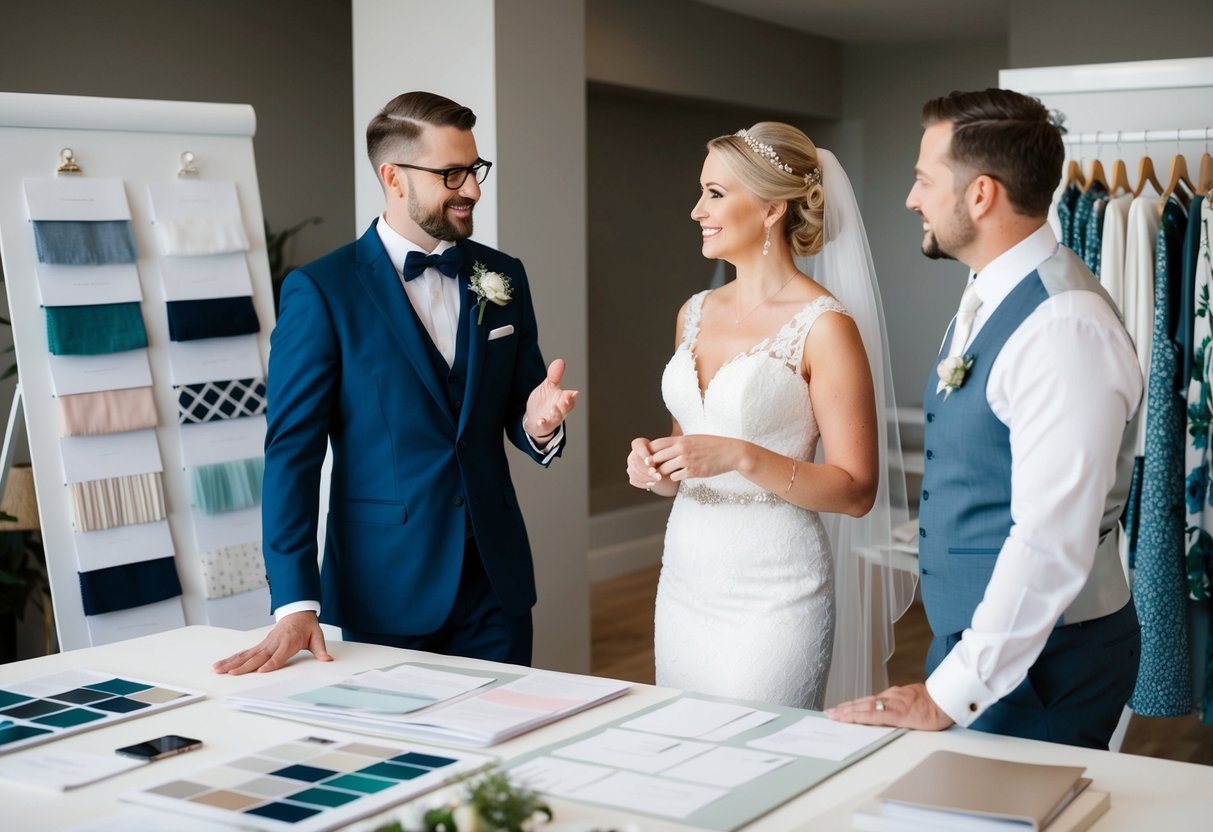
After setting your wedding date, it’s time to focus on finalizing essential elements. This includes booking the venue and caterer, choosing your wedding attire, and sending out save-the-dates and invitations. Each step is crucial for ensuring your day goes smoothly.
Booking the Venue and Caterer
Choosing the right venue is one of the first tasks to focus on. Aim to book your wedding venue at least 9 to 12 months in advance. This ensures that you secure your desired date and location.
When selecting a venue, consider the guest count, style, and accessibility.
Next, find a catering company that matches your vision. Research their menu options and styles. Taste testing is a must! This way, you can pick a menu that delights your guests.
Choosing Your Wedding Attire
Your wedding attire is one of the biggest decisions you’ll make. Start shopping for your wedding dress or suit about 6 to 8 months before the wedding.
Visit multiple bridal boutiques or shops to explore different styles. Don’t forget to consider alterations, which may take extra time, so factor that into your planning.
If you plan to have engagement photos taken, consider wearing part of your bridal outfit to capture a special moment.
Sending Out Save-the-Dates and Invitations
Sending out save-the-date cards is important for letting guests know about your wedding early on. Aim to send these out about 6 to 8 months before the big day, especially for out-of-town guests.
Once you confirm your venue and date, you’ll want to order your wedding invitations. Send these about 8 to 10 weeks before the wedding. Make sure to include all essential details like location, time, and RSVP information.
Choosing a cohesive design that fits your theme will add a special touch. Remember, this is the first glimpse your guests will have of your celebration!