
How Early to Invite Wedding Guests? Essential Tips for a Stress-Free Celebration
Planning your wedding is an exciting time, and figuring out when to send out invitations is a key detail. Generally, you should send wedding invitations 6 to 8 weeks before your big day, or even earlier for a destination wedding. This timeline gives your guests ample time to make their travel plans and clear their schedules.

You might also consider sending save-the-dates to give everyone a heads-up. This extra step can help ensure that your loved ones keep the date free. Remember, your guest list is crucial, so you want to make sure everyone who matters to you has enough notice.
Timing is everything when it comes to wedding invitations. By planning your invites carefully, you can boost the chances of a great turnout and a magical celebration.
Determining the Timeline
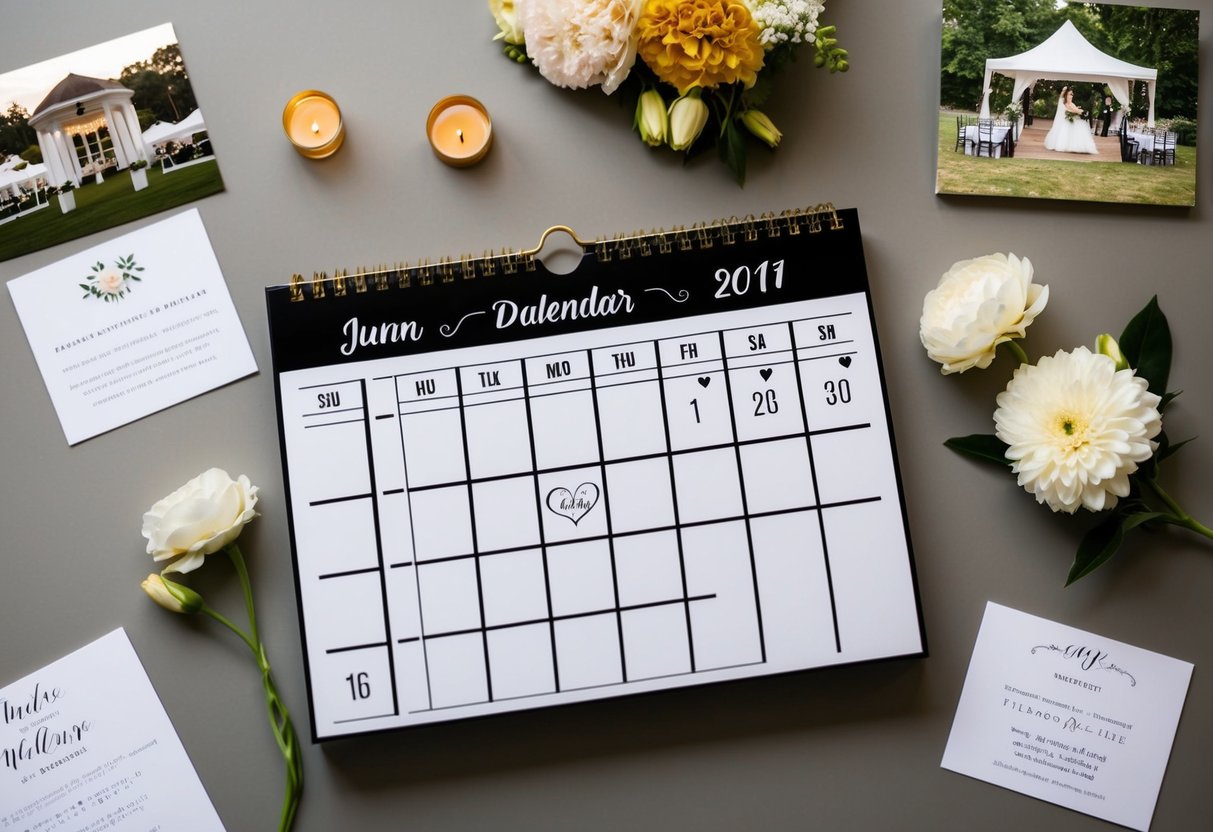
Planning when to invite your wedding guests is essential for a smooth celebration. Setting the right timeline helps everyone prepare, especially for destination weddings or events during busy seasons.
Let’s explore the key timing for both save-the-date notices and official invitations.
Save-the-Date Notices
You should send save-the-date notices 6 to 12 months before your wedding. This notice is especially important for guests who may need to travel, like those attending a destination wedding. It gives them time to plan their trips and book accommodations.
In your save-the-date, include your wedding date and location. Optional details like your wedding website can also help guests stay informed. If you have a larger guest list or specific family considerations, giving as much notice as possible shows you care.
Official Wedding Invitations
Official wedding invitations should go out 6 to 8 weeks before the big day. This timeline gives your guests ample time to RSVP and finalize any travel plans. It also allows you to confirm your final headcount for catering and seating arrangements.
Include an RSVP deadline on the invitation, usually 2 to 3 weeks before the wedding. This helps you finalize details without unnecessary stress. For destination weddings, consider sending invitations earlier, around 3 months in advance, to accommodate travel considerations.
Understanding Wedding Invitation Etiquette
Wedding invitation etiquette is vital to ensuring your special day goes smoothly. Knowing how to word invitations, manage RSVPs, and handle destination gatherings will help you communicate effectively with your guests.
Invitation Wording and Details
The wording of your invitations sets the tone for your wedding. Start with the names of both partners, followed by a phrase like “request the honor of your presence.” Include important details such as date, time, venue, and dress code.
Be clear and concise. If there are specific instructions, such as no children or a particular dress code, mention them. For example, use formal attire or cocktail dress to guide choices. You can also mention if the event is indoors or outdoors, as this impacts guest attire.
RSVP Management
Managing RSVPs can feel overwhelming, but a clear process will make it easier. Include an RSVP card or link in your invitation. It should have a due date that’s 2-4 weeks before the wedding.
Make sure to ask for meal choices if you’re offering multiple options. This helps you plan for food and seating arrangements.
Utilize online tools or apps to track responses. Following up with guests who haven’t responded is acceptable and helps ensure you have an accurate headcount.
Special Considerations for Destination Weddings
Destination weddings require extra planning. Send save-the-date cards 8-12 months ahead to allow guests to arrange travel and accommodations. Be sure to provide information about local hotels and transportation options.
Your invitations should also include details about the destination. Mention any planned activities or welcome parties leading up to the wedding. Including a dress code is crucial, especially if the setting is beachy or formal. This will prepare guests for the wedding setting.
Maximizing Response and Attendance

To ensure a smooth wedding planning process, it’s essential to focus on how you can encourage timely responses and higher attendance from your guests. Consider practical tools and communication strategies to streamline your efforts.
Tracking RSVPs and Adjustments
Using a wedding website can simplify tracking RSVPs. Many platforms allow guests to respond online, which keeps everything organized in one place. This saves you from countless phone calls and messages.
Create a guest list management tool, like a simple spreadsheet or a software app. This will help you monitor who has replied and who hasn’t.
Make sure to set a wedding invitation timeline, sending out invitations six to eight weeks before the big day. This gives guests enough time to make travel arrangements, especially for out-of-town guests.
Don’t hesitate to remind those who haven’t responded. A friendly message or call can encourage them to reply. If someone declines, that gives you the chance to adjust your invitations or swap in another guest.
Communicating with Guests
Clear communication is key to making your guests feel involved and informed. As soon as you send out your invitations, share important details on your wedding website. Include information about the venue, travel options, and any special accommodations.
If you know about any changes, like a venue change or timing adjustments, let your guests know quickly. This may involve sending out updated digital invites or follow-up messages to ensure everyone is on the same page.
Encourage guests to reply promptly by emphasizing how their timely responses help you finalize arrangements. It’s perfectly fine to remind them as the wedding date nears, especially if they are coming from out of town. A gentle nudge can make a significant difference in your final guest count.
Finalizing Your Guest List

Getting your guest list just right is essential for a smooth wedding. You need to consider seating arrangements and the final headcount to ensure everything goes seamlessly on your big day.
Seating Arrangements and Final Headcount
Start by knowing your final headcount when planning the seating chart. This count helps you determine how many tables you need and where to place them. You can estimate who is likely to attend after sending out save the dates.
Focus on creating a balanced seating arrangement. You’ll want to mix family, friends, and potential networking connections. A clear layout can help guests find their seats easily, making for a more enjoyable reception.
Don’t forget to include international guests when considering your final guest count. They may need extra time to RSVP due to travel plans. Tracking your wedding RSVPs keeps you informed and prepared. Only after collecting these can you finalize the guest book and wedding stationery details, making sure everyone is included for your special day.