
How Expensive Is a Good Wedding? A Guide to Costs and Budgeting
Planning a wedding can feel overwhelming when you think about all the costs involved. You might wonder just how much you should budget for a memorable celebration. A good wedding typically costs between $30,000 and $35,000, but prices vary greatly depending on location and personal choices.
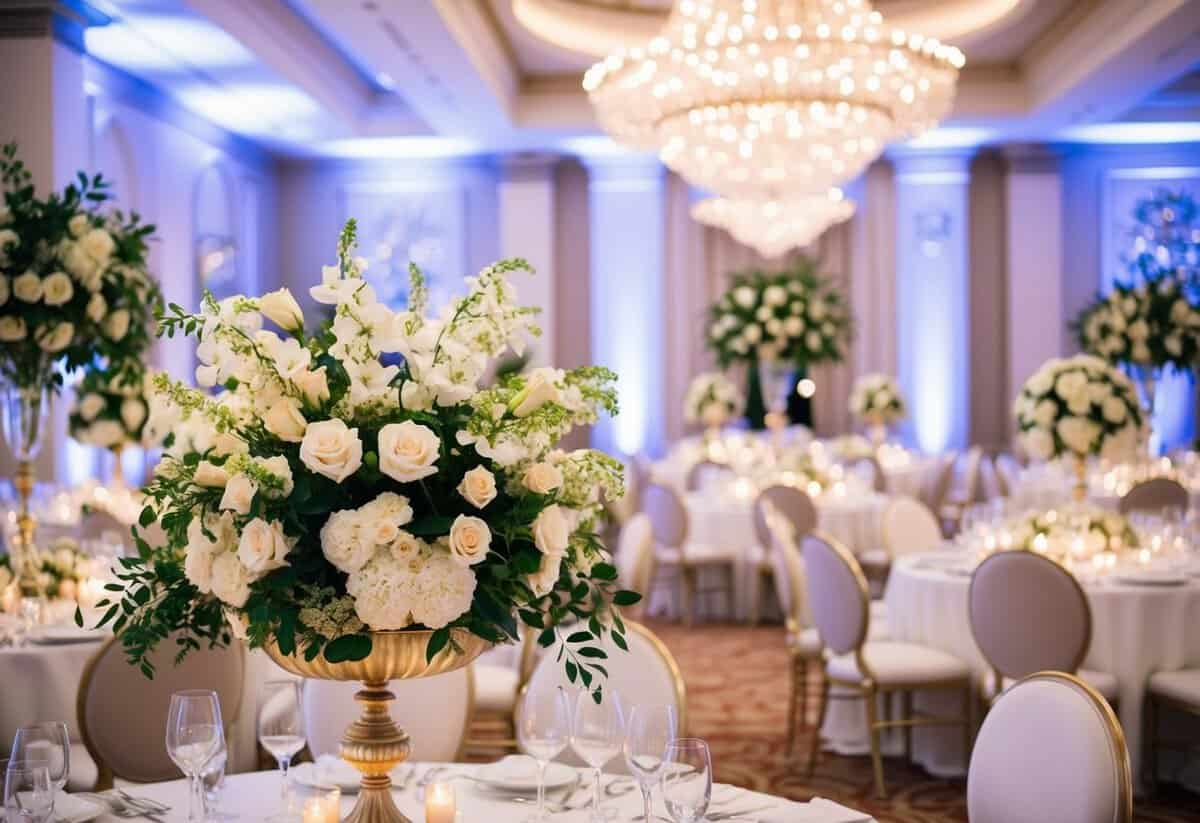
From the venue to catering, every detail adds up quickly. Many couples find that the most significant expenses include hiring a photographer or videographer, which can range from $3,000 to $6,500. Knowing the average costs can help you create a budget that works for you while still allowing for a beautiful day that you and your guests will cherish.
As you dive into specific costs, be ready for surprises and remember that you can always adjust your plans to fit your vision and budget. Understanding where the money goes can help you prioritize what matters most to you on your special day.
Understanding Wedding Costs
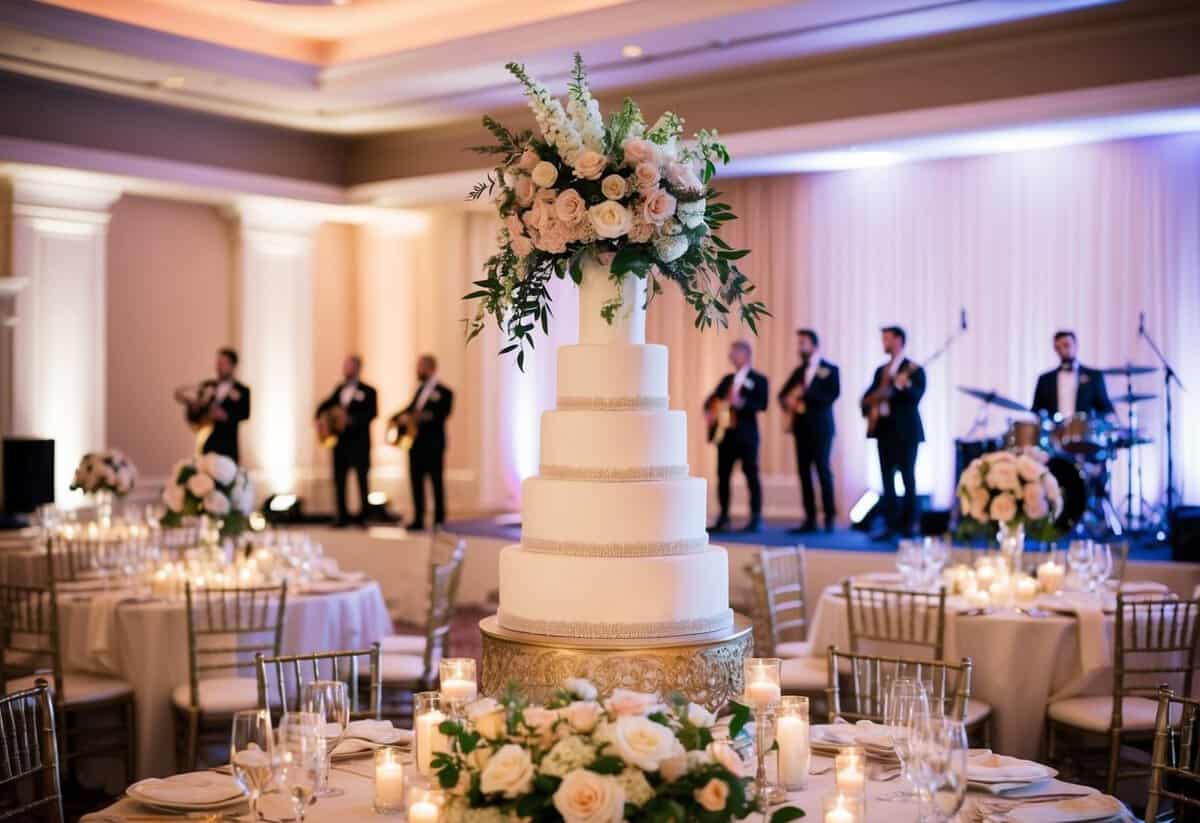
Planning a wedding involves understanding various costs that can arise. You will need to consider expenses from the venue to your attire. Knowing these details will help you build a realistic budget.
Average Wedding Cost by State
The average wedding cost can vary significantly depending on where you live. For instance, weddings in states like New York and California tend to be more expensive, with averages reaching around $40,000 or more. In contrast, states like Ohio and Texas might have average costs closer to $25,000. This large difference can be due to venue, catering, and local vendor pricing. It’s crucial to research your specific state so you can plan accordingly.
Venue Costs and Considerations
The venue often takes up a substantial part of your budget. According to reports, average venue costs range from $6,500 to $12,000. You’ll want to visit several places and consider factors like location, capacity, and included services.
Indoor venues, such as banquet halls, can be more expensive than outdoor spaces. Also, keep in mind that peak wedding seasons generally lead to higher prices.
Couples Attire and Wedding Dresses
Your attire is another important expense. The average cost of a wedding dress can be between $1,500 and $3,000. This may change based on the designer and style you choose.
Don’t forget about the groom’s attire, which might add another $300 to $1,000 to your budget. Accessories and alterations can also increase these costs. Setting aside enough funds for both partners will ensure you look your best on the big day.
Engagement Rings and Wedding Favors
Engagement rings can be a significant part of your wedding costs. The average cost of an engagement ring is around $3,000 to $6,000. Consider your budget and preferences when selecting a ring.
Wedding favors might seem like small expenses, but they can add up. Planning for about $2 to $5 per guest for favors is a good rule of thumb. This small touch can leave a lasting impression but should fit within your overall budget.
Planning Your Wedding Budget

Creating a solid wedding budget is essential to help you navigate the costs and make informed decisions. You’ll find useful tools and strategies to manage expenses while still achieving your dream wedding.
Creating a Wedding Budget
Start by listing all potential expenses for your wedding. This includes venue fees, catering, photography, and attire. Use a budget tool to help you organize these details.
Think about who is contributing to the costs, like family or friends. This can make a big difference in how much you need to save.
Consider splitting your costs into categories, such as essentials and extras. Essentials include venue, food, and officiant. Extras might be decorations, favors, or a photo booth. Knowing what’s crucial helps you focus on what matters most to you.
Budgeting Tools and Resources
Various budgeting tools can simplify this process. Online calculators and spreadsheets can help estimate your wedding costs based on averages.
Websites like The Knot provide localized real cost data from real couples, which can guide your planning.
Consider using a wedding budget template. This will let you track your estimated costs and real expenses side-by-side. Keeping everything in one place helps avoid surprises later on.
Apps are also fantastic for wedding planning. They can break down costs and remind you of expenses, making it easier to stay on track.
Cutting Costs Without Compromising Quality
You don’t have to sacrifice quality to stick to your budget. Start by considering a DIY approach for decorations and invitations. Handmade items can add a personal touch and save money.
Opt for an off-peak season for your wedding date. Venues and vendors often offer discounts during less popular times. This can significantly lower venue and catering costs.
Another way to save is by choosing a buffet instead of a sit-down dinner. Buffets tend to cost less while still offering guests a variety of options.
Budget Breakdown and Allocating Funds
A wedding cost breakdown can help you allocate funds appropriately. Typically, couples spend around 30% on the venue, 25% on catering, 10% on photography, and 10% on attire. This leaves room for other expenses like florals and entertainment.
Here’s a simple breakdown:
| Expense Category | Percentage |
|---|---|
| Venue | 30% |
| Catering | 25% |
| Photography | 10% |
| Attire | 10% |
| Flowers & Decor | 10% |
| Entertainment | 5% |
| Miscellaneous | 5% |
Adjust these percentages based on what matters most to you. If photography is very important, allocate more funds there. Flexibility in your budget will help you reduce stress and make smart choices as you plan your big day.
The Big Ticket Items
Planning a wedding involves several significant expenses that you need to account for. The main costs typically include securing a venue, attire for you and your wedding party, and food and beverages for your guests. Let’s break down these big-ticket items.
Securing Your Dream Venue
Choosing the right venue is crucial for your wedding. This can be one of the most significant expenses in your budget.
-
Average Venue Cost: Depending on the location, venues can range from $3,000 to over $10,000.
-
Factors to Consider:
- Seasonality: Venues often cost more during peak seasons.
- Inclusions: Some venues offer packages that include catering and decorations, which can save money.
Make sure to visit multiple venues and ask detailed questions. This will help you find the perfect space without overspending.
Dress and Attire Expenses
Your wedding dress and the attire for your wedding party can also add up quickly.
- Wedding Dress Cost: On average, a wedding dress can cost between $1,000 and $3,000. Custom-made dresses may exceed this range.
- Couples’ Attire & Wedding Party Attire: Grooms might spend around $500 to $1,500 on their suits. Attire for bridesmaids and groomsmen can add $200 to $500 per person.
Consider renting attire or opting for less traditional options. This can help you save money while still looking great on your big day.
Food, Beverage, and Guest Costs
Feeding your guests is another major expense.
-
Catering Costs: Catering can consume about 29% of your total budget, with average costs around $60 to $150 per person.
-
Beverage Packages: Many venues offer beverage packages that include alcohol, which can help control costs.
Balancing your menu with delicious yet budget-friendly options will leave your guests happy without breaking your budget.
Final Touches for the Special Day
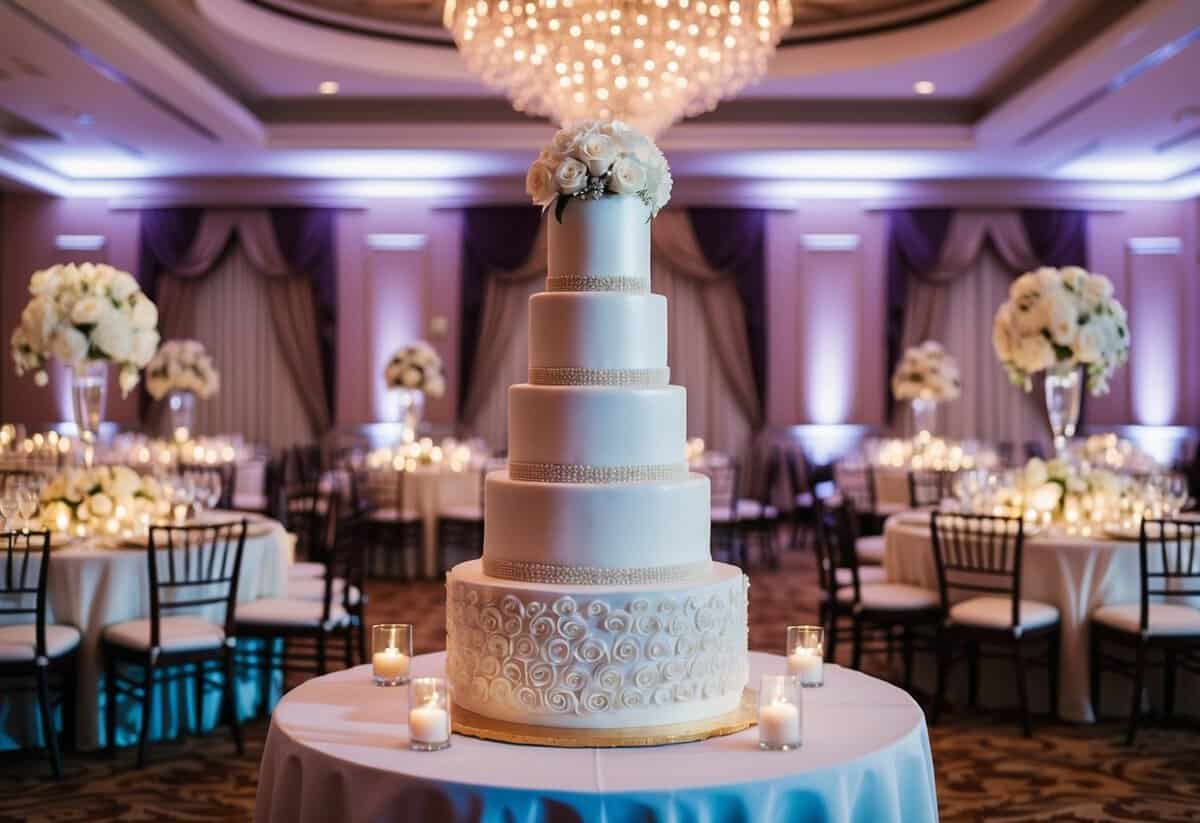
As you finalize your wedding plans, it’s time to focus on the details that make your day special. From the decor and personal touches to how you and your wedding party look, each element contributes to the overall experience.
Decor, Place Cards, and Furniture
Your wedding decor sets the mood for the entire event. Consider elements like centerpieces, lighting, and linens. Theme and color scheme play a critical role. You might choose elegant florals or rustic accents based on your style.
Place cards help guests find their seats and add a personal touch. Handwritten or printed cards can match your decor theme.
Don’t forget about furniture. Renting stylish chairs and tables can elevate your space. Think about lounge areas for guests to relax. The right mix of decor, place cards, and furniture creates a memorable atmosphere.
Hair, Makeup, and Day-Of Services
Looking your best on your wedding day is essential. Plan for hair and makeup appointments well in advance. You may want to have a trial run to ensure everything goes smoothly.
Hiring professionals can save you stress. Consider on-site services, so you and your party can get ready comfortably. This allows for a fun, relaxed atmosphere before the ceremony.
Don’t overlook the groomsmen and bridal party. Coordinating their hair and makeup can also make for great photos. Remember, feeling good translates into confidence on your big day.
Invitations and Stationery
Your wedding invitations set the tone for your celebration. Choose designs that reflect your style and the theme of your wedding.
Consider including essential information, like the date, time, and venue. Don’t forget RSVP cards or digital options for quick responses.
Stationery doesn’t stop at invitations. Think about save-the-dates, menu cards, and thank-you notes. Everything should coordinate beautifully.
Investing in quality materials and unique designs makes your wedding feel more special to your guests.