
How Far in Advance Can You Make Wedding Flower Arrangements? Tips for a Stress-Free Planning Experience
Planning a wedding can be exciting, but it comes with many decisions to make, including how far in advance you can make wedding flower arrangements. Fresh flowers are a beautiful part of your special day, but timing is crucial to ensure they look their best. Many experts recommend preparing your floral arrangements no later than 3-4 weeks before your wedding day.
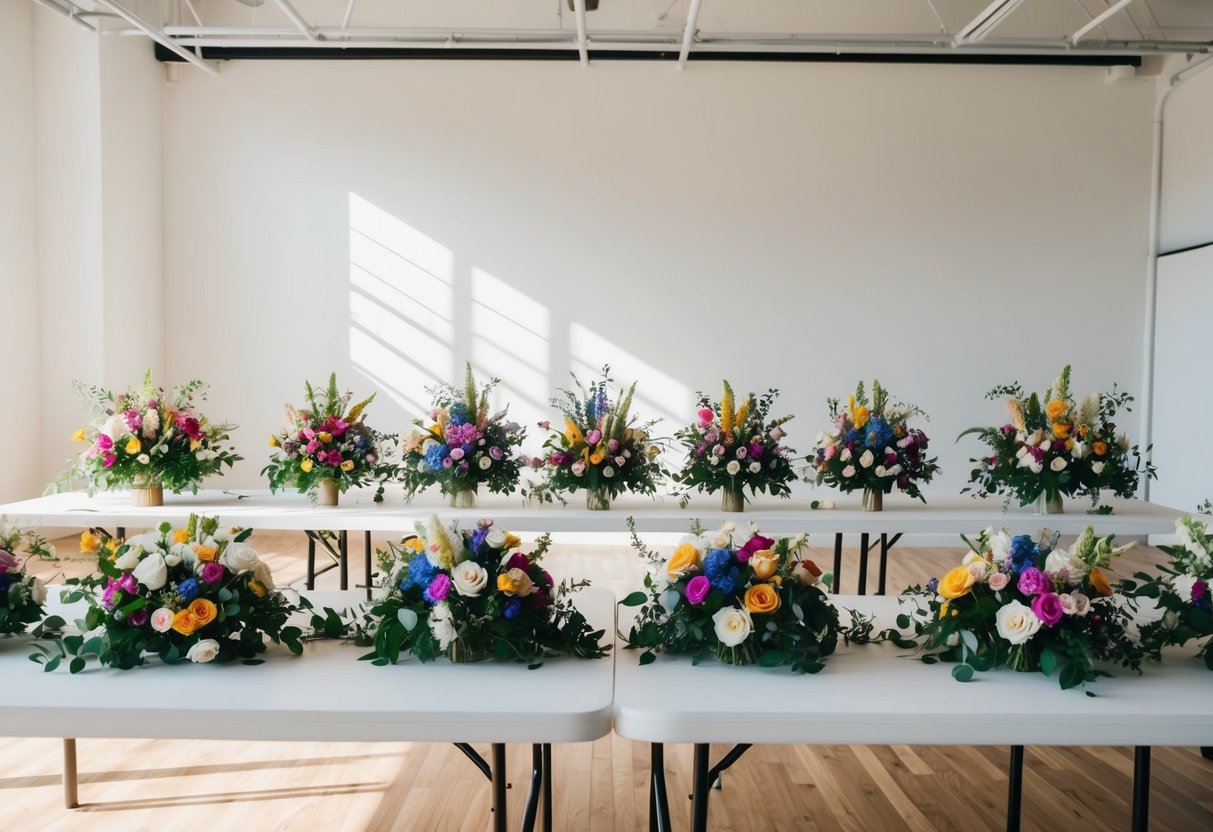
Creating your bouquets and centerpieces too early can result in droopy or wilted flowers. Ideally, you should assemble them within 24 hours of the ceremony to maintain freshness.
Knowing the right time to start your floral projects can help keep you organized and reduce stress during the wedding planning process. You want everything to be perfect, and timing your floral arrangements is a key step in achieving that.
Understanding the Wedding Flower Timeline
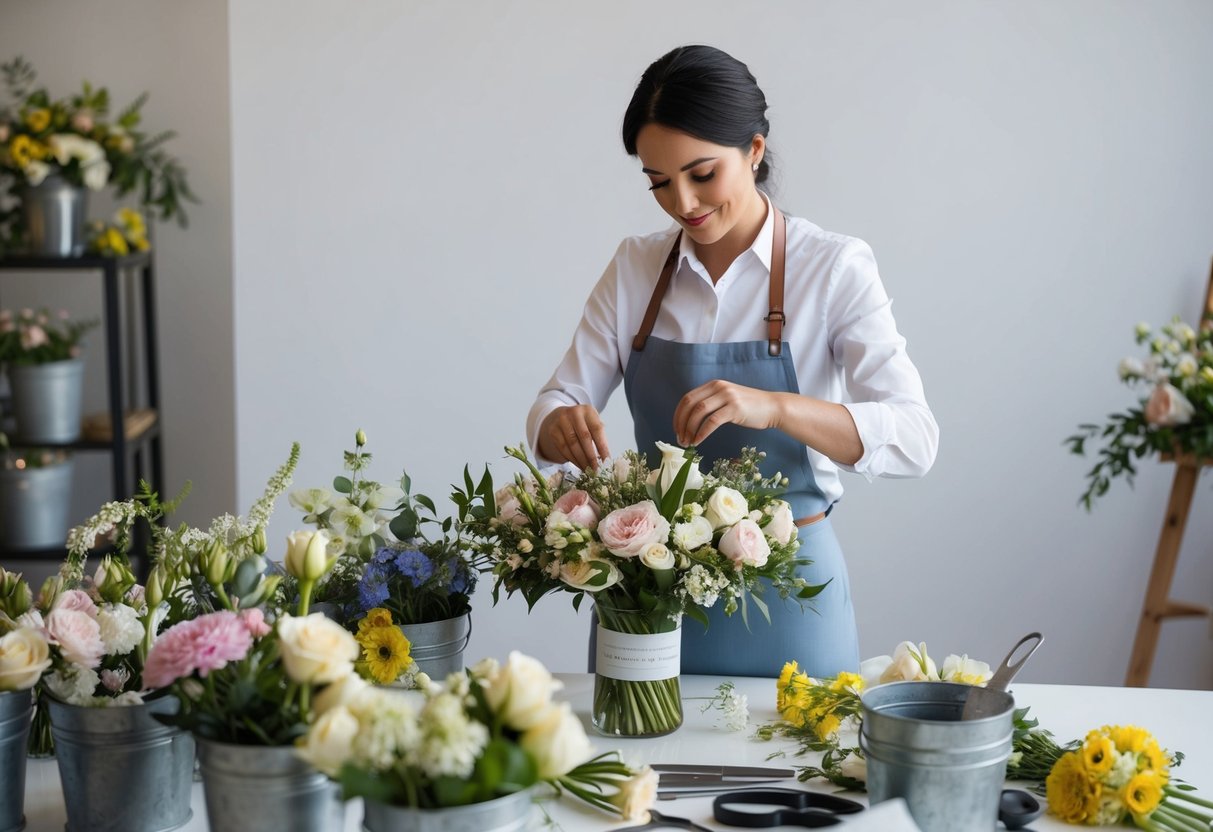
Planning your wedding flowers requires careful timing. Knowing when to start your floral projects and how to handle last-minute arrangements can make all the difference in ensuring your bouquet and other decorations look fresh and beautiful.
The Ideal Time to Start Planning
You should begin your wedding flower planning several months before your big day. Start by deciding on the types of flowers you want for your bouquets, centerpieces, and other arrangements. Choose seasonal blooms for the best quality.
Here’s a suggested timeline:
- 3 Months Before: Finalize your flower choices and order from local florists or farmers.
- 2 Weeks Before: Begin practicing arrangements. This practice can help you feel more confident.
Aim to make your bridal bouquet and other flowers closer to the wedding day. Fresh flowers look their best and can last longer if prepared at the right time.
Last-Minute Floral Arrangements
When it comes to last-minute arrangements, timing is key. You want your flowers to look perfect, so consider making them the day before or the morning of your wedding.
Consider these tips:
- Bouquets: Create your bridal bouquet within 1-2 days of the wedding. This ensures maximum freshness.
- Centerpieces and Boutonnieres: These can often be arranged the day before. Use water to keep them hydrated.
If you’re feeling pressure, remember it’s okay to ask for help. Rely on family or friends to assist with arranging corsages and other pieces. Planning your timeline carefully can ease stress and enhance your wedding day beauty.
Selecting Your Wedding Flowers
Choosing the right flowers for your wedding can enhance your overall theme and create lasting memories. It’s important to consider your style, the season, and your budget when making selections.
Choosing Flowers That Suit Your Style
Begin by reflecting on your wedding theme. Whether it’s romantic, rustic, or modern, the flowers should match your vision. Popular options include roses for elegance, peonies for lushness, and hydrangeas for volume.
Think about color palettes too. For a soft look, consider pastels like blush pink or lavender. For something bold, vibrant shades of red or deep purple can make a statement. Don’t forget about lilies or tulips if you want to introduce different shapes and textures.
Make sure to visualize how these flowers will look in your venue setting. You can even create mood boards to gather inspiration and ensure everything comes together beautifully.
Incorporating Seasonal Blooms
Using seasonal flowers not only enhances beauty but can also save you money. In-season flowers are often fresher and easier to find. For example, tulips are great in spring and can add vibrant color. Sunflowers work wonders in summer weddings, bringing a cheerful vibe.
Consider local flower varieties that resonate with your area. If you’re getting married in autumn, chrysanthemums and fall foliage can create a warm, seasonal feel. Always check with florists about what flowers are at their best during your wedding month.
Budgeting for Flowers
Establishing a budget will help narrow down your flower choices. Start by determining how much you want to spend on overall floral arrangements. Divide your budget into categories like bouquets, centerpieces, and ceremony décor.
Prices can vary widely based on flower type and availability. For instance, rare blooms may be pricier. On average, a bouquet of roses or peonies might cost more than daisies. Don’t hesitate to ask your florist for suggestions on combinations that provide lovely looks without breaking the bank. Being open to alternatives can also lead to delightful discoveries.
Creating Your Own Floral Arrangements
Making your own floral arrangements can be a rewarding experience. You can choose flowers that reflect your style and save costs. Let’s explore how to create beautiful DIY arrangements, including materials you’ll need and the steps to assemble them.
DIY Versus Professional Arrangements
When deciding between DIY wedding flowers and hiring a professional florist, consider your comfort level and budget.
DIY arrangements allow for personalization, so you can pick specific flowers and colors that resonate with you. However, if you’re not confident in your floral design skills, a professional can help bring your vision to life.
Professional florists have experience and access to floral supplies that you may not. Their expertise can ensure that your arrangements are stunning and last longer.
Gathering Your Materials
Start by gathering essential materials. You’ll need fresh flowers, which can be ordered online or bought at a local market. Make a list of your floral choices based on availability and season.
You will also need tools like floral scissors for cutting stems, floral tape to secure arrangements, floral wire for support, and floral foam to keep water and help with design.
Having all your supplies on hand makes the assembly much smoother. Before starting, check if you need any vases or containers as well, since these will influence your arrangement style.
Step-by-Step Assembly
-
Prepare Your Flowers: Start by trimming the stems at an angle. Remove any leaves from the stems that will be submerged in water.
-
Shape the Base: If using floral foam, soak it in water before placing it in your container. Secure with floral tape if needed.
-
Build Your Arrangement: Begin by placing your larger flowers first and add smaller blooms around them. Hold them together using floral tape or wire for stability.
-
Add Filler: Use greenery or smaller flowers to fill gaps and create texture. This enhances the arrangement’s visual appeal.
-
Final Touches: Step back and assess your work, adjusting as necessary for balance and shape.
Enjoy the process—you’ll create something beautiful for your special day!
Preservation and Care for Your Flowers
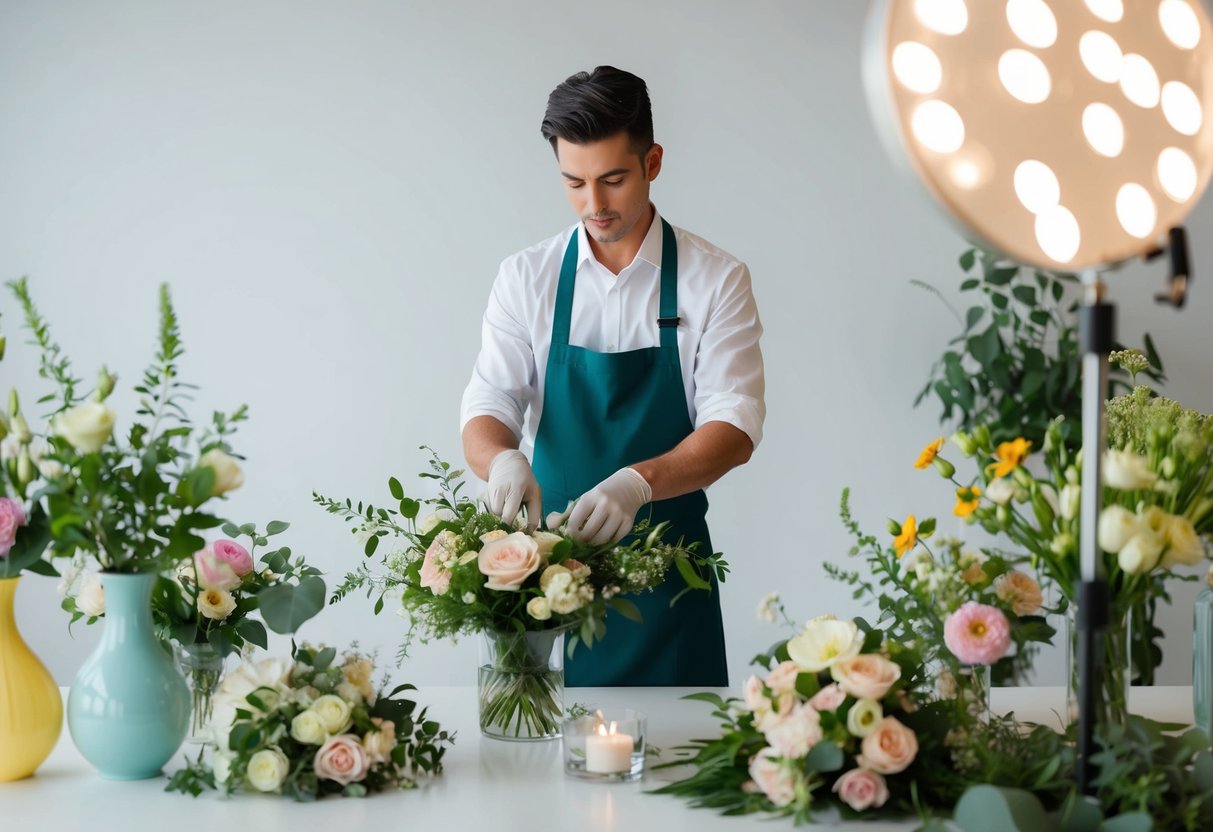
Taking good care of your flowers is essential for keeping them fresh and beautiful. This section covers how to maintain their freshness and includes helpful tips to ensure your flower arrangements last longer.
Maintaining the Freshness of Flowers
To keep your fresh flower bouquets looking their best, start by placing them in water as soon as you receive them. This helps prevent wilting. Make sure the water is at room temperature.
Temperature matters too. Keep your flowers in a cool room, away from direct sunlight and heat sources. This helps maintain the right humidity.
Aim for a humidity level around 40-60% to keep the flowers hydrated.
If you have received flower food from your flower shop, use it. Mixing this food in the water provides the nutrients your flowers need. Change the water every couple of days to prevent bacterial growth, which can shorten their life.
Tips for Flower Longevity
To make your flowers last longer, trim the stems at an angle before placing them in water. This helps them absorb more water. Always remove any leaves that are submerged to avoid decay.
For dried flowers, handle them gently to prevent any breakage. Keep them in a cool, dry place away from sunlight to avoid fading. If you want to add a touch of fragrance, placing a sachet nearby can help.
Remember, regular care is key. Check on your flowers daily to ensure they are still healthy and hydrated.