
How Far in Advance Do Guests Need to RSVP for a Wedding? Essential Timeline Tips
Planning a wedding is an exciting journey, but it comes with many details to manage. One important question that often arises is how far in advance guests should RSVP. Typically, you should ask your guests to respond four to five weeks before the big day. This timeline gives everyone enough time to make travel arrangements and confirm their attendance without feeling rushed.
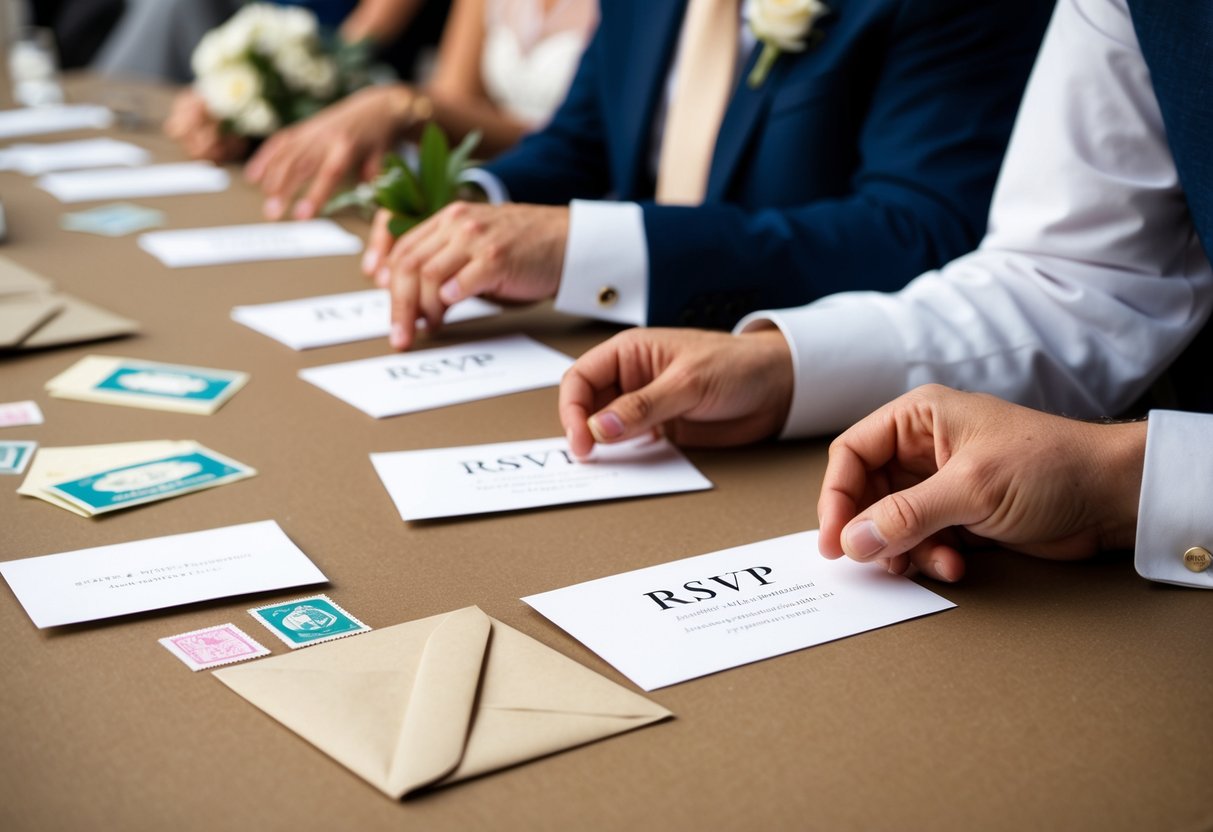
Sending out invitations at least six to eight weeks prior allows your guests to mark their calendars early. For destination weddings, consider sending invites even earlier. By setting clear RSVP dates, you can ensure that everything goes smoothly, from catering to seating arrangements.
Understanding these timelines can help you create a stress-free experience for both you and your guests. So, let’s dive in and explore the best practices for wedding RSVPs!
Understanding RSVP Timelines
Planning a wedding involves many details, and setting an RSVP timeline is key. You want guests to respond on time so you can finalize your plans.
Start with sending save-the-dates about six to eight months before the wedding date. This gives guests a heads-up to mark their calendars.
Next, send the official invitations around eight to twelve weeks before the wedding day. This is when you should include the RSVP date.
Typically, your RSVP deadline should be about three to four weeks before the wedding. This gives guests plenty of time to respond, while you still have time to adjust numbers with your caterer and venue.
Here’s a quick breakdown:
- Save-the-dates: 6-8 months before
- Invitations: 8-12 weeks before
- RSVP Deadline: 3-4 weeks before
Remember, it’s essential for you to have the final guest count well before the wedding day. Not only does it help with seating arrangements, but it also allows you to finalize catering and other services.
If you haven’t heard from some guests by the RSVP date, don’t hesitate to follow up. Keeping communication friendly will ensure that everyone feels welcome to celebrate your big day!
Managing Your Guest List
Keeping track of your guest list is an important part of wedding planning. It ensures you know who can attend and helps you create a seating chart. Here are key steps for managing RSVPs effectively.
Collecting RSVPs
Start collecting RSVPs as soon as you send out your invites. Give guests about 4 to 6 weeks to respond. This time frame allows them to check their schedules without feeling rushed.
Use a mix of methods to collect RSVPs. You can include a reply card with your invitation or set up an online RSVP form for convenience. Keep track of responses in a spreadsheet. This helps you see who has replied and who still needs a reminder.
If you haven’t heard back from guests, don’t hesitate to send a friendly follow-up email. A gentle reminder can help prompt them to respond. Just keep it light and cheerful.
Finalizing the Headcount
Once the RSVP deadline passes, it’s time to finalize your guest count. Start by reviewing your spreadsheet. Note how many guests have confirmed and those who have declined.
Based on your final headcount, you can move ahead with other plans, like seating arrangements and catering. Remember, you may need to adjust your seating chart if numbers change.
If you end up with extra guests, ensure you have a buffer in your seating plan. This helps avoid any last-minute surprises. Having a solid guest list helps make your wedding day smooth and enjoyable for everyone.
Details to Include with Wedding Invitations
When sending out wedding invitations, it’s important to provide all necessary details to help your guests plan their attendance. Key elements like RSVP information and extra details will make your invitations clear and helpful.
Essential RSVP Information
Make sure your RSVP card or online RSVP link is easy to find. Clear wording here is crucial. Include a deadline for responses so you can finalize your headcount. A common timeframe is two to four weeks before the wedding.
You can phrase the RSVP request like this: “Please respond by [date].” You might also want to add a section for meal preferences or any dietary restrictions. This helps caterers plan accordingly. If you’re using a wedding website, include the link for guests to RSVP digitally. This makes it easier for everyone involved.
Additional Details for Guests
Beyond RSVP info, include accommodation and travel plans. Mention nearby hotels or offer suggestions for places to stay. This is especially important for destination weddings or if many guests are traveling from afar.
If your wedding has specific dress code requirements, clearly state these too. You could include notes about weather or activities planned for the day.
Lastly, consider adding a section for song requests on the RSVP card. This engages guests and adds a fun touch to your event. Providing all these details helps your guests feel informed and excited about joining you on your special day.
Special Considerations for Destination Weddings
Planning a destination wedding comes with unique factors to consider for your guests.
First, you must think about travel arrangements. Guests will need extra time to book flights and find accommodations.
It’s best to set an RSVP deadline at least 3 to 4 months before the wedding. This gives your guests the chance to make plans without rushing.
Consider including a buffer time in your planning. This helps account for any unexpected delays or changes in travel.
When you send invitations, aim for 6 to 12 months in advance. This timeframe allows guests to align their schedules and budget for the trip.
Make sure to share essential information in your invites. Details like the wedding venue, nearby hotels, and travel options are crucial for a smooth experience.
Encouraging your guests to RSVP early is essential. This helps you finalize numbers with vendors and understand how many guests can attend.