
How Far in Advance Do Wedding Invitations Go Out? Essential Timing Tips for Your Big Day
Planning a wedding can be exciting yet overwhelming. You want to make sure everything goes smoothly, especially when it comes to inviting your loved ones to celebrate your big day.
Wedding invitations should be sent out about 6 to 8 weeks before your wedding date, giving your guests ample time to make arrangements.
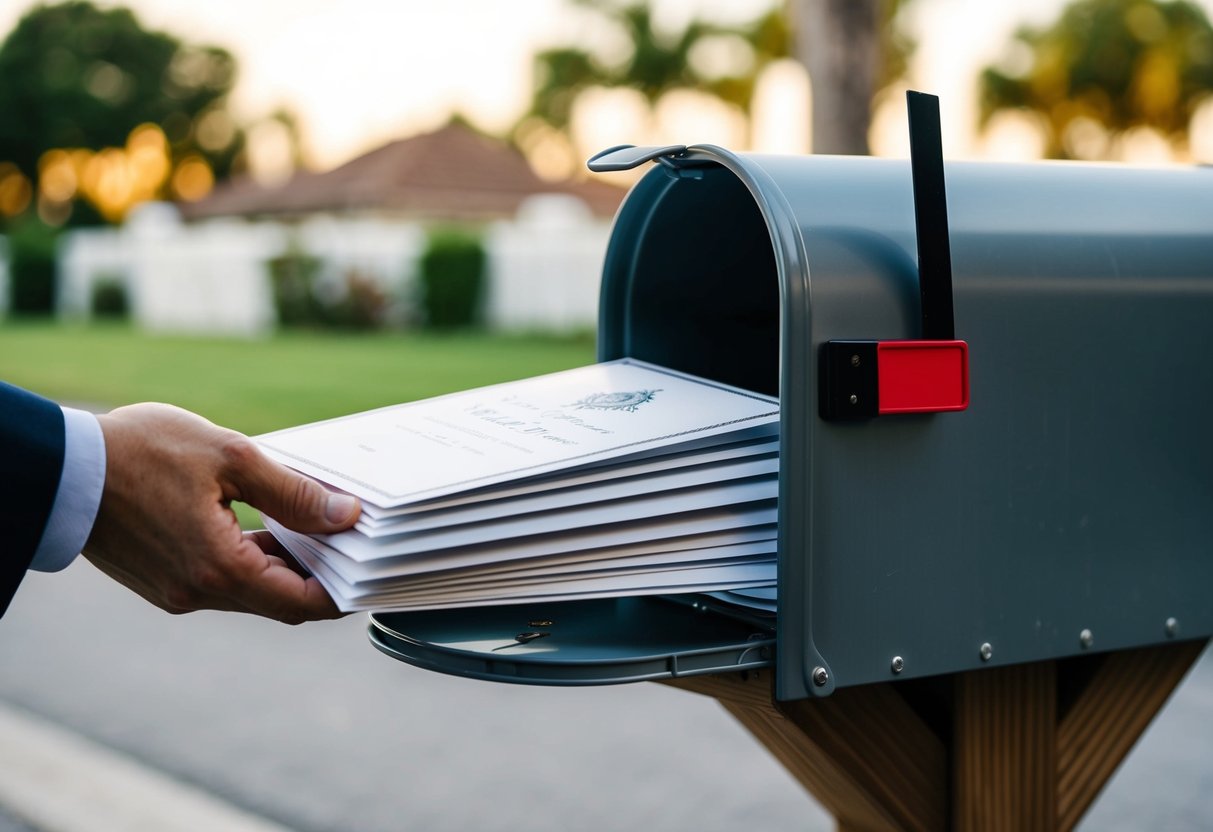
If you plan to send save-the-dates, aim for a timeline of 6 to 12 months in advance. This early notice helps your guests clear their calendars and ensures they don’t miss your special day.
Remember, each wedding is unique, so you may need to adjust these timelines depending on your specific situation and guest list.
By keeping these guidelines in mind, you can stay organized and enjoy the wedding planning process. Your invitations are a way to share your joy, so giving your guests enough time to respond makes for a smoother celebration.
Setting the Date and Initial Considerations
Planning your wedding starts with setting the date and understanding the basics of invitation etiquette. Knowing when to send out your invitations and deciding whether to use save-the-dates helps smooth the process for you and your guests.
Choosing Your Wedding Date
Selecting your wedding date is a big decision. Consider factors like the season, location, and any important dates for family and friends.
Typically, weddings may be held on weekends for greater guest availability.
Once you pick a date, think about how far in advance invitations should go out. For most weddings, you should send invitations 8 to 12 weeks before the big day. If you have guests traveling from afar or if it’s a destination wedding, aim for 3 to 4 months in advance. This gives everyone ample time to prepare and RSVP.
Understanding Wedding Invitation Etiquette
Wedding invitation etiquette includes several important rules. First, it’s polite to send save-the-dates, ideally 6 to 8 months before the wedding, especially for out-of-town guests. This way, they can plan accordingly without feeling rushed.
When sending actual invitations, include details such as the date, time, venue, and RSVP instructions.
It’s best to set the RSVP date 3 to 4 weeks prior to your wedding. This timeframe allows guests to confirm their attendance without unnecessary stress. Clear guidelines in your invitations ensure a smooth response process.
Crafting Your Guest List and Save-the-Dates

Creating your guest list is an important step in planning your wedding. It affects your headcount and seating chart. Sending save-the-date cards ensures guests can mark your special date on their calendars.
Determining the Guest Count
Start by deciding who you want to share your big day with. Make a list of your closest friends and family members. Don’t forget to include any must-invite people, like grandparents and siblings.
Consider the venue size when setting your guest count. For a destination wedding, you may want to invite fewer people to keep travel expenses manageable.
Use a spreadsheet to organize names, contact information, and notes about each guest. This will help you keep track of RSVPs and who you’ve already contacted about save-the-dates.
Sending Out Save-the-Date Cards
Send your save-the-date cards about 8 to 12 months before the wedding. This gives guests ample time to plan, especially if you’re having a destination wedding.
Your save-the-date should include the wedding date and location. If you have a wedding website, include that link as well. A nice touch is to choose a design that matches your wedding theme.
Remember, save-the-dates aren’t mandatory, but they help your guests prepare for your celebration. After all, you want as many people there to share in your joy!
Wedding Invitation Dispatch Timeline

Understanding when to send out your wedding invitations is crucial for effective planning. The timing can depend on whether you have a local or destination wedding. Both follow specific guidelines to ensure your guests can attend and respond in time.
Local vs. Destination Wedding Invitations
For local weddings, your invitations should ideally be sent out 6 to 8 weeks before the big day. This timeline gives your guests sufficient notice to plan and RSVP. If you are sending out save-the-dates, do this about 6 to 9 months ahead to alert guests.
For destination weddings, a longer response window is advisable. Send invitations 3 months before the wedding, especially for out-of-town or international guests. This extra time helps them arrange travel and accommodations.
Don’t forget to include important details like travel suggestions and local activities in your invites, as this can aid guests in planning their trip.
Timeline for RSVPs and Final Headcount
Setting an RSVP deadline is vital for a smooth planning process. Make sure to request responses 2 to 4 weeks before the wedding. This period allows you to finalize the guest count for catering and seating arrangements.
Keep a clear list of who has responded and who hasn’t. Follow up with guests who haven’t replied as the deadline approaches. If you’re expecting a lot of out-of-town guests, it might be worth sending gentle reminders. This way, you can ensure that you have an accurate final headcount for your special day.
Final Touches on Wedding Communication

Creating effective communication for your wedding is essential. A few key details can help your guests feel informed and excited about attending. From ensuring they have all necessary information to following up on RSVPs, clear communication can make your planning smoother.
Additional Information for Guests
Make sure your guests have everything they need. Include a wedding website link in your invitations for easy access to details.
This can include information on travel arrangements and hotel options. You can also share local attractions for guests who might want to explore.
Don’t forget to include dress code details. Specify if it’s formal, semi-formal, or casual. This helps guests pick the right outfit, so they feel comfortable and confident.
Consider adding links to your wedding registry. Providing this information early can help your guests choose gifts that you truly want. You can also share RSVP deadlines to encourage timely responses.
Following Up with Late RSVPs
After sending out invitations, some guests may forget to RSVP. If you haven’t heard from them a week before the deadline, follow up with a friendly reminder.
A simple text or email can go a long way. Ask if they need help with travel arrangements or childcare. This shows you care about their attendance.
For those who RSVP late, be flexible with seating arrangements. You want to ensure everyone feels welcomed.
If they can’t attend, it’s thoughtful to send a note thanking them for their consideration.
Don’t forget to keep track of who has responded. This will help you plan seating arrangements and finalize details more easily.