
How Far in Advance Do You Receive a Wedding Invitation? Tips for Your Special Day
When planning your big day, receiving your wedding invitation is an exciting milestone. Typically, you will receive your wedding invitation about six to eight weeks before the wedding date. This timeline helps ensure that you have enough time to prepare for the celebration.
If it’s a destination wedding or if many of your guests are traveling from afar, expect the invitations to arrive even earlier, around three to four months in advance.

In addition to the formal invitations, you might also receive save-the-dates well in advance. These handy notices usually go out around six to twelve months before your wedding, giving guests a heads-up to mark their calendars.
Save-the-dates can be especially helpful if your wedding falls during a busy season or if you have loved ones who will need time to make travel plans.
Knowing when to expect your wedding invitation allows you to plan accordingly and get excited for the upcoming festivities. It’s all part of the joyful journey that is wedding planning!
The Wedding Invitation Timeline
Planning when to send out wedding invitations is key to ensuring your guests can attend. Generally, you want to mail them out well in advance, considering things like whether it’s a local wedding or a destination event.
Understanding the Timeline for Sending Invitations
Typically, you should send out your wedding invitations six to eight weeks before your wedding date. This timeline allows guests enough time to arrange their schedules.
If you’ve already sent save-the-dates, your guests will be prepared for the official invite.
For those with longer engagement lengths, remember that sending invitations too early can lead to confusion. Guests might misplace them, delaying their responses.
A great way to manage the timeline is to keep track of your RSVPs as they come in, making it easier to plan for seating and catering.
If you have a large guest list, consider sending invitations even earlier, especially if you expect many out-of-town guests. This will give them ample time to make travel arrangements and accommodations.
Special Considerations for Destination Weddings
Destination weddings require a slightly different approach when it comes to your wedding invitation timeline. It’s best to send out these invitations 10 to 12 weeks before the wedding date. This extra time is crucial, allowing guests to plan for travel, accommodations, and other logistics.
When sending your invites, include details about travel options and nearby accommodations. This helps your guests feel more comfortable about attending.
A well-organized invitation can ease worries and make planning enjoyable for everyone involved.
Keep your guests in the loop with any necessary information on the wedding website. Include how to RSVP digitally or by phone, making the process smoother for everyone.
Etiquette and Considerations for Guests
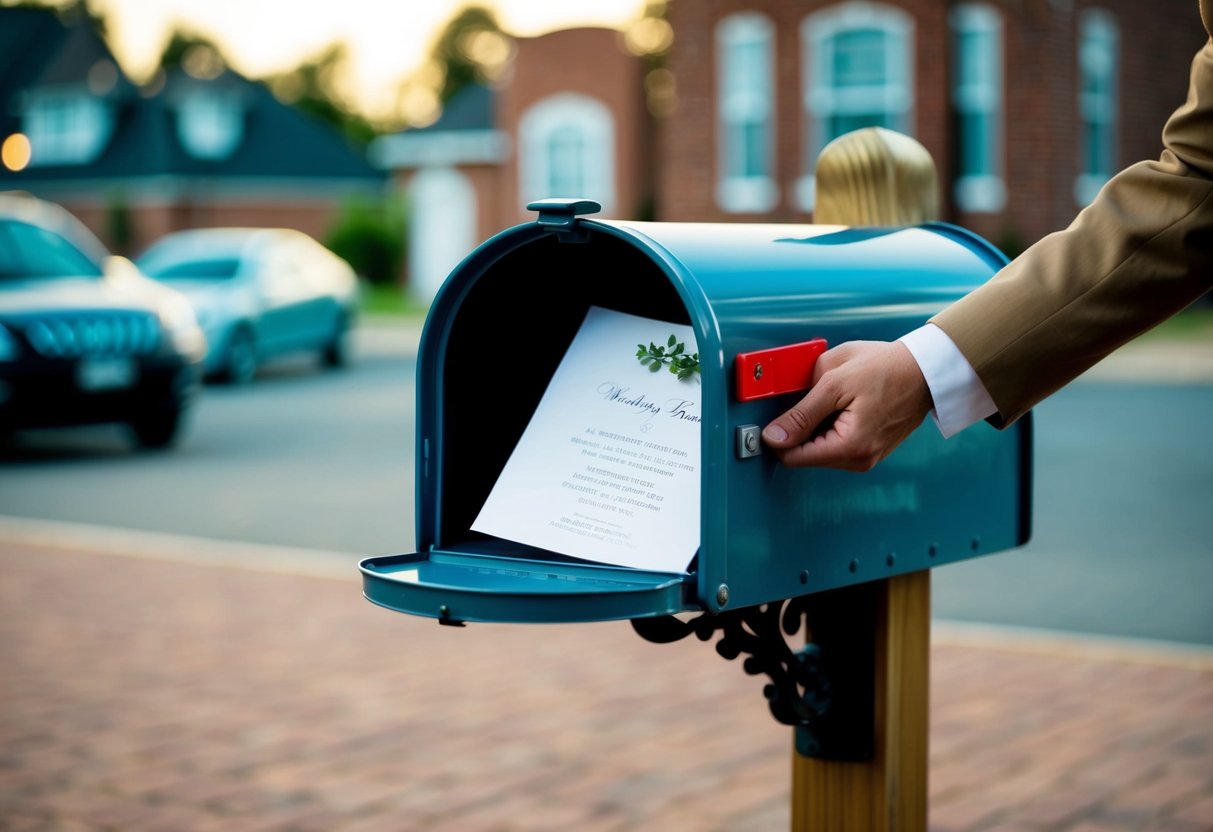
When you receive a wedding invitation, it’s important to handle the RSVP process thoughtfully. You also need to consider how to accommodate any out-of-town or international guests. These actions show respect for the couple’s planning efforts and ensure everyone has a great experience.
Managing the RSVP Process
Once you get the invitation, check the RSVP date. Aim to respond as soon as possible. This helps the couple finalize their guest list and plan seating arrangements.
If you’re unsure whether you can attend, communicate with the couple. It’s better to express uncertainty than to leave them hanging.
If you decline the invitation, it’s polite to send a message of congratulations.
Remember to indicate whether you will be bringing a plus-one if the invitation allows it. Also, let them know about any dietary restrictions you might have. This information is really useful for the catering team.
Accommodating Out-of-Town and International Guests
If you’re traveling from out of town or overseas, make your arrangements early. Book your accommodations well in advance, especially if the wedding is during a busy season.
Find out if the couple has reserved a block of rooms at certain hotels, which might offer discounts. It’s also thoughtful to coordinate transportation options, like shuttles to the venue.
Consider reaching out to other guests who are also traveling. Planning together can make the trip more enjoyable. If you’re on a tight budget, search for affordable lodging options nearby.
Design and Content of Wedding Invitations
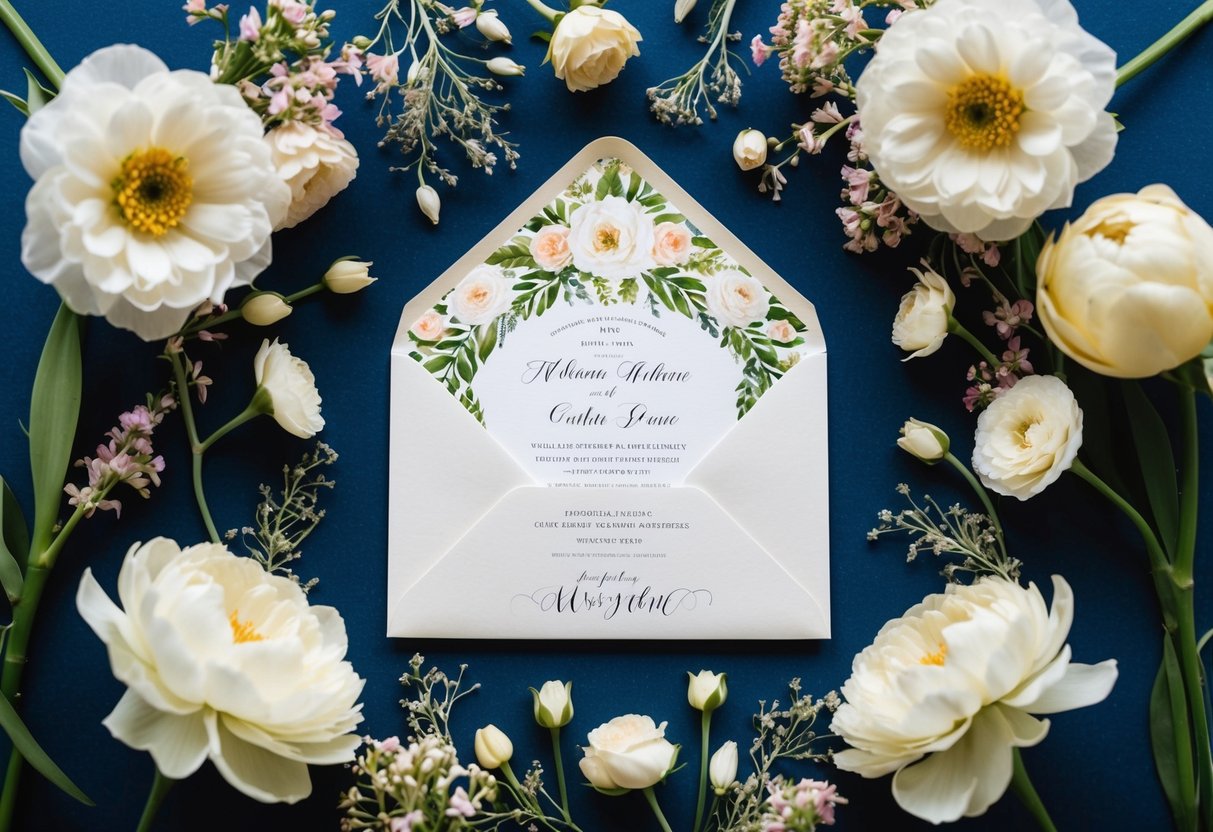
The design and content of your wedding invitations are important aspects of your wedding planning. They set the tone for your big day and provide your guests with key information.
Choosing the Right Wedding Stationery
When selecting wedding stationery, consider the style and theme of your wedding. Formal invitations often use elegant fonts and classic colors, while more casual weddings can embrace playful designs.
Choose high-quality paper that feels special to the touch. You might explore options like matte, glossy, or even textured finishes.
Don’t forget about consistency. Your save-the-date cards should match the look of your invitations to create a cohesive feel. If you have a wedding website, consider incorporating similar design elements there too.
Incorporating Essential Wedding Details
Your wedding invitations must include all the essential details. Start with the names of the couple, followed by the wedding date and time.
Next, include the venue’s name and address. Make sure everything is clear so guests can easily find the location.
Don’t forget RSVP instructions! Guide your guests on how to respond, whether it’s through a card or your wedding website.
You might also add extra information, like dress code or accommodations, if needed. Make sure your wedding details reflect the tone of your celebration and provide everything your guests need to join you on your special day.