
How Far in Advance Do You Send Wedding Invitations UK? A Complete Guide for Couples
Sending wedding invitations is an important step in your wedding planning journey. You should send your invitations about 6 to 8 weeks before your wedding day. This allows your guests enough time to mark their calendars and make any necessary travel arrangements.
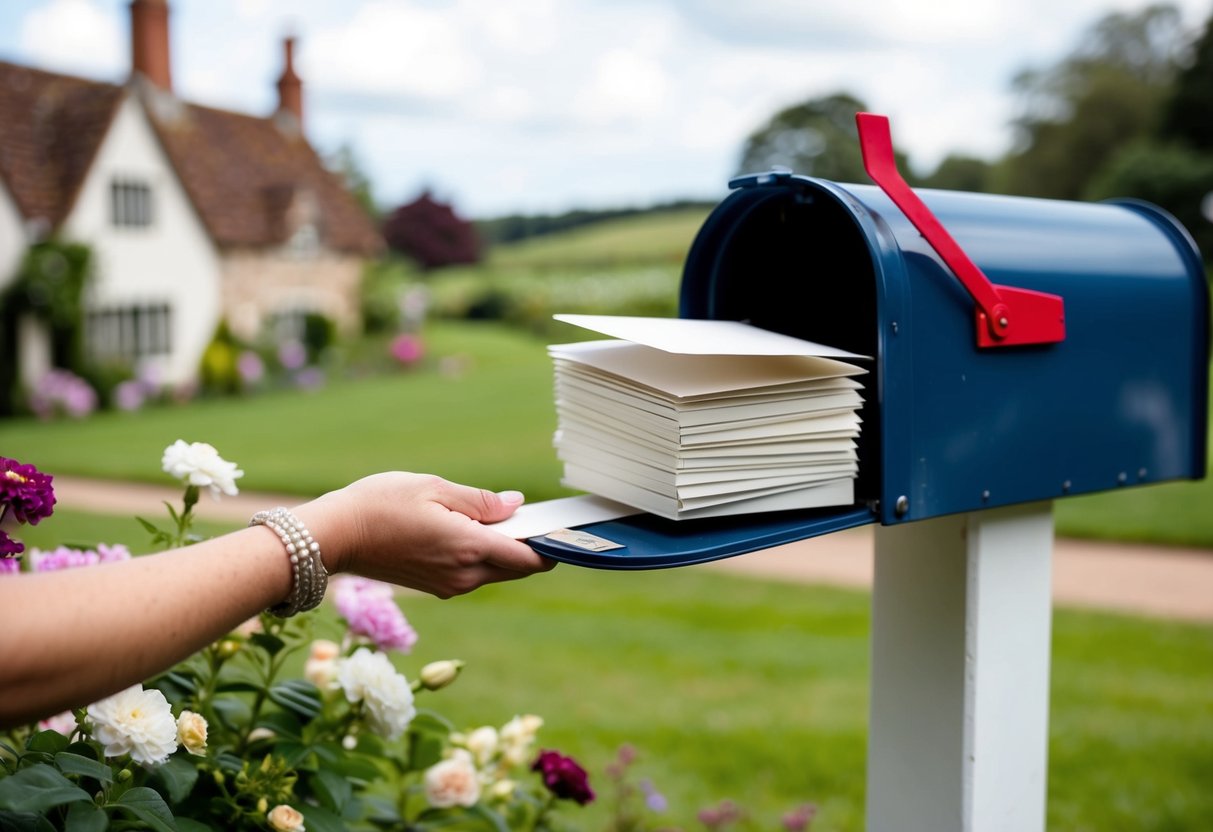
If you’re planning a destination wedding or have many out-of-town guests, you might want to consider sending out save-the-date cards 6 to 12 months in advance. This way, everyone can prepare for your special day well ahead of time.
Understanding the timing can help ensure that your loved ones can celebrate with you. Keep reading to discover the best practices for sending out your invitations and how to make the most of your wedding stationery.
Understanding the Timeline for Wedding Invitations
Planning when to send out your wedding invitations is crucial for ensuring that your guests can attend. Key factors include your wedding date, whether you’re having a destination wedding, and the wedding season you choose.
Setting the Date and Initial Considerations
Before sending invitations, set your wedding date. Consider if it falls during a busy wedding season, as this may impact attendance.
If you’re having a destination wedding, make sure to give your guests ample notice. Aim for at least 6 to 12 months in advance, allowing them to arrange their travel and accommodations.
Check your venue’s booking rules too. Some venues may require early confirmations, so having your date nailed down helps.
Also, think about your guest list. The sooner you finalize it, the easier it will be to plan your send-out timeline.
Sending Save the Date Cards
Sending save-the-date cards is an excellent way to inform guests about your wedding. These cards should go out 6 to 12 months before the big day. If your wedding is a destination affair, lean towards the earlier end of that range.
Save-the-dates not only alert guests but also help them mark their calendars. Make sure to include vital details like your wedding date and location.
This heads-up is particularly important if your wedding is during peak seasons when guest availability may vary. Think creatively about formats—postcards, magnets, or even digital invites can all be fun options.
Crafting Your Guest List and Managing RSVPs
Creating a guest list and managing RSVPs are key steps in planning your wedding. A well-organized guest list helps you keep track of who you want to invite, while effective RSVP management ensures you know how many people will attend.
Creating the Guest List
Start by brainstorming names of everyone you want to invite. Consider close friends, family, and anyone else important to you. It’s a good idea to set a budget and limit to keep your list manageable.
To keep things organized, create a spreadsheet. You can list names, contact information, and note if they received a save the date or invite. This will help you track responses easily.
Also, think about whether you’ll have a B-list. This list includes people you might invite if your first choices decline. Send B-list invitations promptly after you receive replies, ensuring they have enough time to make arrangements.
The Importance of RSVPs
RSVPs are crucial for planning your wedding. When sending out your wedding invitations, specify a clear date for responses. For an average wedding, send invites 6 to 8 weeks before the big day, allowing guests about 4 to 5 weeks to respond.
This timeline gives your guests enough time to adjust their plans and confirms the final guest count for your venue.
Remember, clear communication makes a difference. Include your contact details for any questions. Follow up politely with those who haven’t responded by the RSVP date. This helps you finalize seating, catering, and other arrangements for a smooth wedding experience.
Details to Include with Your Invitations
When planning your wedding, there are important details to share with your guests. Including information about accommodation, travel arrangements, and the dress code can help ensure a smooth experience for everyone attending.
Accommodation and Travel Information
Provide clear information about where your guests can stay. List recommended hotels nearby, along with their contact details and prices. You might also mention any special rates you’ve arranged.
If your venue is in a remote area, consider including information about nearby transport options. This could be local taxi services, train stations, or airport transfers.
Make it easy for your guests to understand how to get to the venue. A small map showing nearby landmarks can be very helpful. Guests will appreciate having everything they need to plan their trip comfortably.
Dress Code and Wedding Website
Let your guests know what to wear by clearly stating the dress code. Specify whether the event is formal, semi-formal, or casual. If you have a theme, share how that might influence attire.
You can also encourage guests to visit your wedding website for more information. Include the link to your site on the invitation.
This website can host RSVP details, event schedules, and more travel tips. It’s a great space to share anything else that can help your guests enjoy the day.
Final Touches After the Wedding
After your wedding day, there are important tasks that keep the joy going. You’ll want to express gratitude and organize items from the big day. Here’s how to wrap up those final touches.
Sending Thank You Cards
Sending thank you cards is an essential step after your wedding. Aim to send these within three months. Personalize each card to reflect what the guest gave or did for you.
Consider a list to track who gave what. This will help you remember details when writing your notes. For example, you could write:
- For Aunt Sue: “Thank you for the beautiful vase. It will hold our wedding flowers perfectly!”
Make it a fun activity. Work together with your partner to write these cards. This makes it a sweet reminder of how loved you are.
Organizing Post-Wedding Items
After the celebrations, you may find yourself with leftover items from the wedding. Start by gathering everything, including place cards, table plans, and decor.
Decide what you want to keep as mementos. You might want to save your wedding bouquet or a few special decorations. Consider taking pictures of other items before recycling or giving them away.
If you went on a honeymoon, gather all those memories, too. Create a scrapbook or digital album that includes photos and keepsakes. This way, you’ll cherish your journey long after the festivities end.