
How Far in Advance Should I Send an Invitation? Tips for Perfect Timing
When planning an event, you might feel overwhelmed trying to figure out the right time to send out invitations. A good rule of thumb is to send out invitations at least 6 to 8 weeks in advance for most events. Meanwhile, wedding invitations often require a longer timeline of about 8 to 12 weeks. This helps ensure that your guests have enough time to make arrangements and respond.
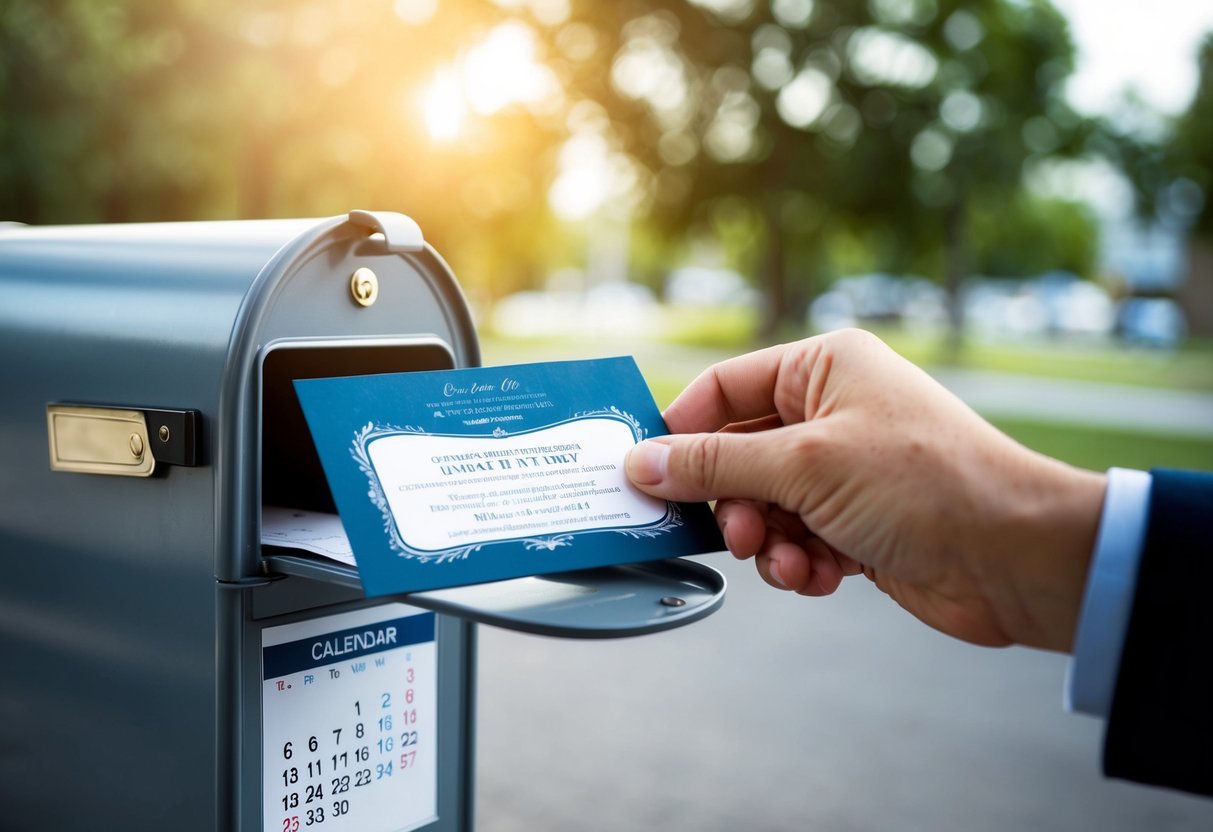
If you’re hosting a wedding, consider sending save-the-date cards even earlier, especially if your wedding is during peak season or involves travel. Keep in mind the RSVP deadline, as this influences the flow of your planning. Knowing when to expect replies will help you finalize details like seating and catering.
Whether it’s a casual get-together or a formal wedding celebration, having a clear invitation timeline helps you stay organized and stress-free. Getting the timing right not only shows consideration for your guests but also sets the tone for your special occasion.
Determining Your Invitation Timeline
When planning an event, timing is everything. Knowing when to send invitations can enhance attendance and ensure your guests can make necessary arrangements. Here are key factors to consider.
Traditional vs. Modern Trends
Traditionally, invitations for weddings should go out six to eight weeks before the big day. This timeline gives guests enough time to adjust their schedules. For a more relaxed atmosphere, consider sending save-the-dates six to twelve months prior, especially for large events or destination weddings.
In modern planning, the trend is leaning toward digital invites, which can be sent out more quickly. However, no matter the method, you should still provide ample notice for guests to take time off work or make travel plans.
Understanding RSVP Deadlines
RSVP deadlines are crucial for planning. Typically, you should set your RSVP date for three to four weeks before the event. This gives you enough time to finalize the guest list.
If your event involves unique arrangements, like a sit-down dinner, earlier RSVPs help in planning menus and seating. Make sure to communicate your RSVP date clearly on the invitation.
You could also send gentle reminders a week before the deadline. This can be particularly useful for out-of-town guests who may need to adjust travel plans.
Impact of Wedding Size and Location
The size and location of your wedding play a significant role in determining your invitation timeline. For smaller gatherings, you might have more flexibility in your timeline.
For larger weddings, aim for sending out invitations two to three months in advance. This allows guests enough time to arrange travel, especially for destination weddings.
Consider the needs of your out-of-town guests. They may need to book flights and accommodations. Providing them with detailed information helps everyone feel included and well-prepared. Tailoring your invitation timeline based on these factors will improve overall guest attendance.
Types of Invitations and Pre-Wedding Events
Planning for your wedding involves more than just the big day. You’ll want to send out invitations for several pre-wedding events. Here’s a quick guide on key types of invitations you need to consider.
Engagement Party Announcements
Sending out invitations for your engagement party is a great way to celebrate your announcement. You typically want to send these out about 4-6 weeks in advance.
Engagement party invitations can be informal. Just include the key details: date, time, location, and RSVP information. If you prefer, you can also use a save-the-date card to notify guests, especially if your party is close to your wedding. This lets your friends and family mark their calendars early.
Remember to keep the vibe of your engagement party in mind. Whether it’s a backyard barbecue or a formal gathering, your invitation should reflect that style.
Bridal Shower Details
Bridal shower invitations are important for gathering friends and family to celebrate the bride-to-be. Aim to send these invitations 6-8 weeks prior to the event.
Include all necessary information: the date, time, location, and RSVP instructions. Make it clear who the host is, especially if it’s a surprise shower. Using a unique theme can make your invitations stand out.
You can also decide if you want to include games and activities on the invitation. Mentioning these details can help set the tone for a fun event.
Rehearsal Dinner Invites
Rehearsal dinner invitations invite close family and the wedding party to a more intimate gathering before the big day. These are usually sent out 3-4 weeks in advance.
Include the date, time, and venue along with RSVP details. This event is usually less formal, but it can be themed to match your wedding.
Make sure to mention any special instructions or requests, like attire, especially if the dinner includes an activity or a theme. Keeping everyone informed will help create a seamless experience before the wedding.
Creative Ways to Send Invitations
Invitations can set the tone for your event. Choosing the right method can make a big difference in how your guests perceive the occasion. Here are some creative options to consider.
Digital vs. Traditional Invitations
Digital invitations are gaining popularity for several reasons. Platforms like Paperless Post allow you to create beautiful e-invitations quickly. You can easily track RSVPs and send reminders too. This option is perfect for casual events or last-minute plans.
On the other hand, traditional invitations, such as wedding stationery, add a personal touch. You can select stunning designs that match your event’s theme. For significant occasions like weddings, a printed invitation can be a keepsake. Consider sending out save-the-dates to give guests more notice, ensuring they can join in the celebration.
Designing Invitations for a Unique Touch
A well-designed invitation can capture your guests’ attention. Start with a theme that reflects the event’s vibe. Use colors and fonts that match your style.
Including personal touches can make a difference. Think about adding custom illustrations or photographs relevant to the event. For weddings, incorporating elements from your love story can evoke emotions and excitement.
You can also play around with formats. Consider creating a destination wedding invitation that includes a map or travel tips for an exciting twist. Unique designs help convey the experience awaiting your guests.
Eco-Friendly Options
Opting for eco-friendly invitations is a great way to go green. Choose sustainable materials like recycled paper or biodegradable options. This choice supports the environment while still looking stylish.
Digital invitations are also a green choice. They save paper and can be just as elegant as printed ones. You can include vibrant graphics and easy-to-navigate links for guests.
Another creative option is to send plantable invitations. These cards can grow into flowers or herbs, adding a fun and eco-friendly element to your event. Encourage your guests to plant them after the celebration for a lasting memory.
Accommodating Guests’ Needs

When planning your event, it’s important to think about your guests’ needs. This includes ensuring that out-of-town guests feel welcome, offering useful information on your wedding website, and creating thoughtful seating arrangements.
Planning for Out-of-Town and International Guests
When you have guests coming from out of town or other countries, it’s helpful to provide them with information early. Consider sending invitations at least three months in advance. This gives them time to arrange travel and accommodations.
Share local hotels that offer group rates. You might even include a list of fun activities in the area. Remember to provide details about transportation options, like nearby airports and public transit.
Some guests may need visa information. Offering guidance on this can make their trip easier and encourage attendance.
Leveraging Your Wedding Website
Your wedding website is a great tool for sharing important details. Include all the information that guests may need. Add sections that cover your event schedule, accommodations, and travel tips.
Keep your website easy to navigate. Use clear headings and bullet points to present information. This makes it simple for guests to find what they need.
You can also include an FAQ section for common questions. This reduces the need for back-and-forth emails. Encourage guests to check your site regularly for updates.
Thoughtful Seating Arrangements
Creating a seating chart that considers your guests’ relationships can enhance their experience. It’s key to think about who should sit together.
Try to mix family and friends so everyone feels included.
Consider any potential conflicts, especially with family dynamics. You want to create a comfortable environment for all.
Keep any specific requests in mind, like a need for extra space or accessibility requirements. Thoughtful planning goes a long way in ensuring that your guests enjoy the event.